Resilient Leadership: How Jennifer Gates Navigated District 13 Through Disaster and Development
In the dynamic landscape of city politics, some council districts often fade into the background, their representatives diligently working without much public fanfare. Then there are districts like Oak Lawn’s District 14, constantly in the headlines, grappling with a continuous stream of intensive development decisions and local controversies that demand constant attention. However, my former District 13 stands out as a unique case, having endured more than its fair share of challenges, both natural and man-made, over recent years.
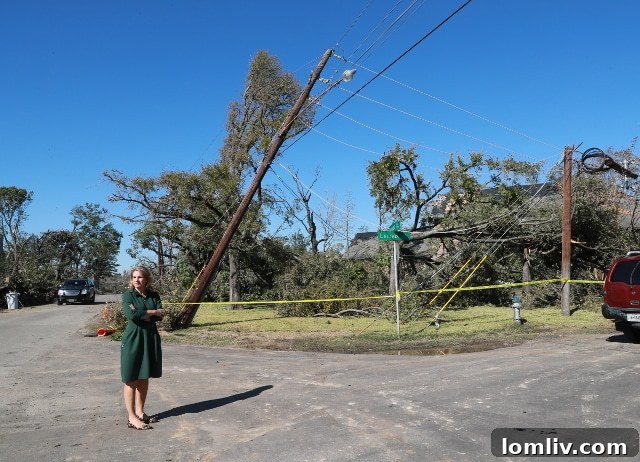
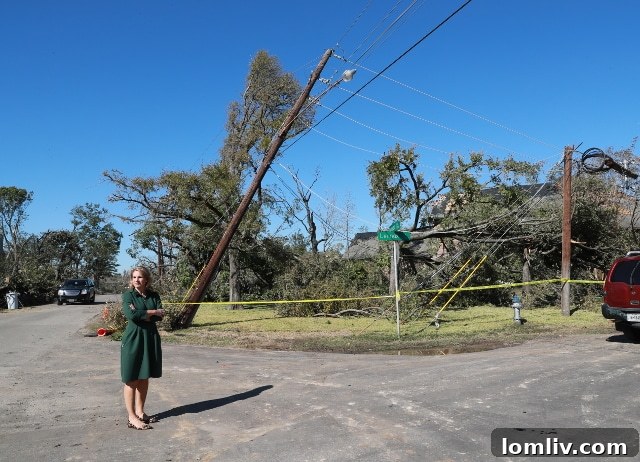
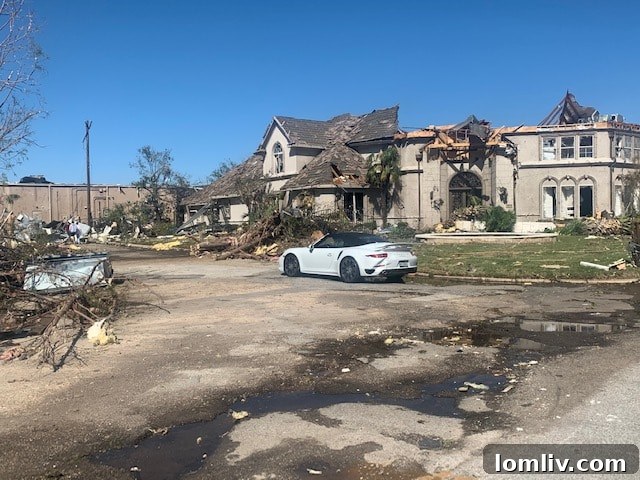
District 13 has weathered a relentless barrage of adversity. It has faced devastating floods, experienced prolonged electricity blackouts lasting for days, and been affected by hazardous gas incidents caused by utility companies. Most recently, it bore the brunt of destructive tornadoes that tore through North Dallas, leaving a trail of widespread damage. Compounding these natural calamities, the district has also been the battleground for several large, inevitably contentious zoning cases. These include significant projects like The Laurel apartments, the Preston Center parking garage, the contentious skybridge proposal, the Highland House development, the complex PD-15 zoning ordinance, and the redevelopment plans for St. Michael’s Episcopal Church, each sparking considerable debate and community engagement.
Jennifer Gates: A Steady Hand Amidst the Storms
At the very heart of navigating these multifaceted crises and intense urban development debates has been Dallas City Council member Jennifer Gates and her dedicated team. Serving a district that consistently faces such high-stakes issues requires not just political acumen, but an unwavering commitment to public service and highly effective operational leadership.
Whether you align with her political stance or not, one cannot deny the exceptional quality of her communication skills. During most of the aforementioned disasters and the equally complex zoning cases (which, in their own way, can feel like localized disasters for affected residents), I was a resident of her district. Throughout those challenging periods, her consistent and clear communication served as the indispensable background hum, keeping the community informed. Email inboxes were regularly filled with essential updates: timely meeting notices, comprehensive resource listings for aid, and transparent progress updates on recovery efforts and development plans. This proactive approach helped residents feel connected and informed, even in the midst of uncertainty.
However, it was after the devastating tornadoes struck—a period when I had already relocated from the district—that I gained a new, profound appreciation for the sheer volume and meticulous detail of work her office undertook. From a distance, and personally unaffected, I was able to observe the monumental effort required to track the myriad moving parts and ensure her constituents remained thoroughly informed. It was clear that her team went above and beyond the call of duty to maintain a lifeline of information for a community in crisis.
The morning after the catastrophic October 20 tornadoes, at precisely 7:23 a.m., Council member Gates dispatched her initial comprehensive update. This critical message meticulously detailed 22 street closures and provided crucial reports on active gas leaks across the affected areas. Just eleven hours later, a second, equally vital update followed, addressing pressing safety concerns, providing the latest ONCOR power outage information, supplying essential Atmos contact details for gas-related issues, updating residents on new road closures, outlining sanitation services, and reporting on widespread traffic signal outages. This rapid and detailed dissemination of information was invaluable in the immediate aftermath of the disaster.
A Model for Disaster Communication and Recovery
These detailed and timely messages continued daily, and sometimes even multiple times a day, for weeks following the disaster. The frequency gradually slowed as the affected areas began to recover and municipal services were restored. The most recent comprehensive update, issued on December 23, underscored the enduring commitment of Gates’s office to community recovery. This update covered a diverse array of critical topics, demonstrating an ongoing dedication to constituent support:
- New Website for Tornado Victims: Announcement of a dedicated city website established to provide centralized resources and information for those impacted by the tornadoes.
- DCAD Reappraisals: Updated information regarding the Dallas Central Appraisal District (DCAD) reappraisals, crucial for homeowners whose properties sustained damage.
- FEMA Disaster Declaration: Comprehensive details on the federal FEMA disaster declaration, including application procedures and important timetables.
- Storm Debris Pickups: Clear schedules and instructions for the final rounds of storm debris collection, helping residents restore their properties.
- Texas Trees Foundation Discussions: Information on ongoing discussions with the Texas Trees Foundation aimed at restoring the lost tree canopy, a vital ecological and aesthetic component of the community.
- Low-Interest Disaster Loans: Crucial information on low-interest disaster loans available from the Small Business Administration (SBA), assisting both residents and small businesses in their recovery efforts.
Such comprehensive communication is truly exceptional, and I extend my sincere commendation to Council member Gates and her entire staff. The sheer volume of work involved in researching, investigating, meticulously tracking, and then effectively disseminating this constant flow of critical information is far more extensive and demanding than most can imagine. This incredible effort is further compounded by the continuous influx of individual requests for information and assistance that undoubtedly flooded her office, all while they simultaneously managed the regular day-to-day operations of the district and the broader city council responsibilities. It’s a testament to their dedication under immense pressure.
Leadership Beyond Expectation
Readers who follow my columns know that I am typically reserved with praise. I often believe that the activities of most council members fall squarely within the scope of “that’s the job.” However, the unparalleled number and severity of the weather events that have impacted District 13, coupled with the meticulous and prolonged aftermath involving a plethora of corporate, city, and federal departments and agencies, make it effortless to single out Council member Gates and her exceptional team for their extraordinary efforts. Their response transcends the typical duties of public service; it showcases true, crisis-driven leadership.
It’s vital to remember that these are the very same individuals who previously tackled the terrible storms that, just four months prior to the tornadoes, knocked out power to extensive swathes of her district for days on end. This prior experience, though challenging, likely honed their disaster response and communication protocols, allowing for an even more efficient and organized recovery effort when the tornadoes struck. Their ability to consistently rise to these monumental challenges speaks volumes about their resilience and unwavering commitment to the community.
As this marks her final term, I am uncertain about Council member Gates’s next career path. However, her proven expertise in disaster recovery, coupled with her exemplary communication skills, should undoubtedly be in high demand. She has demonstrated a unique capacity for effective leadership during times of extreme stress, a skill set that is invaluable in any public or private sector role. Her legacy in District 13 will surely be defined by her ability to lead with clarity and compassion through some of its most challenging times.
Well done, Council member Gates. Your service has been a testament to effective local governance.
Perhaps her tenure also highlights a broader need in government: a call for more individuals with practical, hands-on, and empathetic skill sets—more “nurses” focused on care and community well-being, rather than solely “lawyers” focused on legal frameworks. The demands of modern governance, particularly in crisis management, increasingly require leaders who can connect, inform, and mobilize communities with a deep understanding of human needs.

Remember: My primary focus remains on high-rises, homeowners associations (HOAs), and urban renovation projects. However, I also deeply appreciate the intricate balance between modern and historical architecture, especially when viewed through the lens of the YIMBY (Yes In My Backyard) movement, which advocates for increased housing development. My commitment to insightful real estate journalism has been recognized by the National Association of Real Estate Editors, which honored my writing with three Bronze awards in 2016, 2017, and 2018, along with two Silver awards in 2016 and 2017. Do you have an intriguing story to share, a perspective on urban development, or perhaps even a marriage proposal? Feel free to reach out to me via email at [email protected]. You’re also welcome to look for me on Facebook and Twitter, though you likely won’t find me there – it’s a long-standing inside joke. Happy reading!