For many individuals and families navigating challenging life transitions, a fresh start begins with a safe and stable home. This is the core principle behind Second Chance Homes – a vital network of supportive housing options designed to empower those seeking a renewed sense of purpose and stability. These homes serve diverse populations, from teenage mothers and their children unable to remain in their original residences, to individuals re-entering society after incarceration, victims of domestic violence, and those overcoming addiction.
Second Chance Homes offer more than just shelter; they provide a nurturing environment where residents receive comprehensive support services. This often includes counseling, life skills training, educational assistance, financial literacy programs, and connections to employment opportunities. The overarching goal is to equip residents with the tools and confidence needed to build self-sufficient and fulfilling lives. However, the journey to securing and sustaining such supportive housing, whether for builders or seekers, frequently necessitates navigating a complex landscape of funding and resource initiatives.
In vibrant cities like Dallas, Texas, the demand for second chance housing is significant, reflecting a community committed to fostering rehabilitation and opportunity. This article serves as a comprehensive guide to the various housing initiatives, grants, and support services available for second chance homes in the Dallas metropolitan area, illuminating pathways to stability and success for those who need it most.
Navigating Government Grants and Funding Programs for Second Chance Homes in Dallas
Government grants and funding programs are foundational pillars supporting the construction, maintenance, and operational costs of second chance homes. Residents of Dallas, as well as non-profit organizations and developers dedicated to this cause, can access a multi-tiered system of federal, state, and local government initiatives designed to facilitate fresh starts.
Federal Funding Initiatives
At the federal level, several key departments and programs play a crucial role:
- The U.S. Department of Housing and Urban Development (HUD): HUD is a primary source of federal assistance for affordable housing and homelessness prevention. For second chance homes, HUD offers critical programs such as:
- Continuum of Care (CoC) Program: This program provides funding for a broad range of services and housing for people experiencing homelessness. It’s designed to promote community-wide commitment to ending homelessness, fund efforts to quickly rehouse homeless individuals and families, and provide access to mainstream programs. Many transitional housing projects for specific populations (e.g., domestic violence survivors, individuals with chronic homelessness) are supported through CoC.
- Emergency Solutions Grants (ESG) Program: ESG funds are allocated to improve the number and quality of emergency shelters, street outreach, homelessness prevention, and rapid re-housing assistance. This can be crucial for individuals and families needing immediate shelter before transitioning into more stable second chance housing.
- The Transitional Housing Assistance Program (THAP): Administered through the Office on Violence Against Women (OVW) within the Department of Justice, THAP specifically supports victims of domestic violence, dating violence, sexual assault, and stalking. It provides assistance for safe, confidential housing and related support services, enabling survivors to escape abusive situations and rebuild their lives in a secure environment.
- The Second Chance Act: This landmark legislation, authorized through the Office of Justice Programs (OJP) at the Department of Justice, provides federal grants to states, local governments, and non-profit organizations. Its primary aim is to improve outcomes for individuals returning to their communities after incarceration. Grants under this act support a wide array of programs, including transitional housing, job training, substance abuse treatment, and mentoring, all geared towards reducing recidivism and fostering successful reintegration into new residential communities.
State-Level Support in Texas
Beyond federal aid, Texas offers robust state-level programs that complement national efforts and address specific needs within the state:
- The Texas Department of Housing and Community Affairs (TDHCA): TDHCA is the state’s lead agency responsible for affordable housing, housing finance, and community development. It administers various programs, including tax credits, bond financing, and direct grants to develop affordable housing projects, many of which serve as second chance homes. TDHCA also offers rental assistance and homebuyer programs that can benefit individuals transitioning into stable housing.
- The Texas Veterans Commission Fund for Veterans’ Assistance (FVA): The FVA provides grants to organizations that offer direct services to Texas veterans and their families. This often includes crucial support for housing assistance, homelessness prevention, and other services that help veterans secure and maintain stable living conditions, recognizing their unique needs and sacrifices.
Local Initiatives in Dallas
At the local level, the City of Dallas and Dallas County also implement programs designed to assist residents. These often include partnerships with local non-profits and community organizations to distribute federal and state funds, or to launch city-specific initiatives. Such local efforts are crucial for tailoring assistance to the unique demographics and challenges faced by Dallas residents, ensuring that individuals can find second chance apartments in Dallas for a fresh start.
Navigating these government programs can be complex, often requiring detailed applications, compliance with specific regulations, and rigorous reporting. However, for organizations and individuals committed to creating and utilizing second chance homes, these grants represent indispensable resources that can transform lives and build stronger communities.
Empowering Futures: Nonprofit and Charitable Grants for Second Chance Homes
Beyond government structures, a vibrant ecosystem of nonprofit organizations and charitable foundations significantly contributes to the landscape of second chance housing. These entities often provide more flexible funding, direct services, and specialized support tailored to individuals facing unique challenges, thereby addressing gaps that larger government programs might not fully cover.
Key Nonprofit Players in Dallas
- The Dallas Foundation: As a prominent community foundation, The Dallas Foundation plays a crucial role in supporting local initiatives. It provides community grants to a wide array of organizations working to improve the quality of life in Dallas, including those focused on affordable housing programs. These grants help prevent homelessness, develop new supportive housing projects, and offer essential services that integrate residents back into the community. Their funding can be instrumental for innovative projects that seek to offer truly transformative second chances.
- Texas Homeless Network (THN): THN is a statewide membership organization dedicated to ending homelessness in Texas. While operating at a broader scale, THN collaborates extensively with local organizations in Dallas to distribute funds, provide training, and offer technical assistance for transitional housing programs. They act as a vital connector, ensuring that federal and state resources reach the grassroots level where they can have the most impact. Their partnerships strengthen the network of second chance providers across the region.
- United Way of Metropolitan Dallas: This powerful organization focuses on improving education, income, and health in Dallas, areas intrinsically linked to housing stability. The United Way of Metropolitan Dallas provides both monetary grants and comprehensive supportive services to low-income individuals and families seeking stable homes. Their assistance often extends beyond direct financial aid to include referrals for job training, childcare, and healthcare, addressing the holistic needs of residents in second chance homes.
- National Low-Income Housing Coalition (NLIHC): While a national organization, NLIHC’s advocacy and research efforts profoundly impact local communities like Dallas. They champion policies that ensure people with the lowest incomes have decent, affordable homes. NLIHC provides vital data, resources, and advocacy aid that empower local initiatives and help shape the dialogue around second chance home funding and affordability on a broader scale.
The Role of Religious Institutions
Many religious institutions across Dallas are also deeply involved in providing support for second chance homes. Churches, mosques, synagogues, and other faith-based organizations often offer direct financial assistance to individuals in need, operate their own shelters or transitional housing programs, and provide essential services like food pantries, clothing drives, and counseling. Their community-rooted presence and often volunteer-driven efforts make them invaluable partners in creating a safety net for vulnerable populations. These institutions frequently provide emergency aid, bridge loans, or rent assistance that can prevent homelessness and facilitate entry into stable housing.
The collective efforts of these nonprofit and charitable organizations create a robust support system, offering hope and tangible assistance to those striving for a new beginning in second chance homes throughout Dallas.
Unlocking Community Power: Private Donations and Crowdfunding for Second Chance Homes

While government grants and institutional non-profits form the backbone of support for second chance homes, private donations and crowdfunding campaigns offer dynamic, community-driven avenues for funding. These initiatives are particularly special because they allow individuals and local groups to directly address homelessness and housing insecurity from the grassroots level, often filling critical gaps where larger, more bureaucratic programs might not reach. This flexible funding can be pivotal for medium and small-scale housing projects, emergency needs, or specialized support services that might not fit conventional grant criteria.
Individual and Corporate Philanthropy
In Dallas, a strong tradition of philanthropy ensures that private support plays a significant role:
- Corporate Social Responsibility (CSR) Programs: Many local businesses in Dallas integrate housing initiatives into their corporate social responsibility programs. This can involve direct financial contributions to local housing non-profits, sponsoring specific second chance homes or programs, or organizing employee volunteer days to help maintain or renovate properties. For instance, a local real estate developer might contribute a percentage of profits to build new affordable units, or a major corporation might fund a job training program specifically for residents of transitional housing. These partnerships provide crucial financial backing and sometimes in-kind support that enhances the quality and sustainability of second chance programs.
- Wealthy Philanthropic Individuals: Dallas is home to numerous wealthy individuals who are deeply committed to civic causes. These philanthropists often contribute substantial sums to second chance programs and support services, sometimes through their family foundations or through direct donations. Their contributions can be transformative, enabling the launch of new initiatives, the expansion of existing services, or the provision of long-term operational stability for housing projects. Their involvement often reflects a personal passion for creating equitable opportunities and supporting vulnerable populations.
The Rise of Crowdfunding
Crowdfunding platforms have democratized fundraising, making it possible for individuals, small groups, and non-profits to raise money directly from a large number of people. These platforms are particularly effective for second chance housing initiatives:
- GoFundMe: This popular platform is widely used for personal and community-based fundraising. Individuals can use GoFundMe to raise money for specific housing needs, such as a security deposit, first month’s rent, or even the costs associated with starting a small-scale housing renovation project for a second chance recipient. Non-profits can also use it to fund specific programs or emergency housing needs.
- Fundly: Designed with non-profits and individuals in mind, Fundly allows users to create comprehensive money-collection campaigns for community-based housing projects. Its features are often tailored to help organizations manage donors, track progress, and share their stories effectively, making it suitable for larger, more organized campaigns to build or support second chance homes.
- GlobalGiving: This platform connects social donors with grassroots initiatives around the world. For second chance housing in Dallas, GlobalGiving can be an excellent channel for local non-profits to gain international exposure and funding. It allows a broader audience to contribute to specific, vetted projects, providing a global reach for local housing solutions.
Moreover, platforms often allow supporters of second chance initiatives to subscribe to regular contributions, providing a steady stream of income for ongoing programs. The power of private donations and crowdfunding lies in their ability to mobilize community compassion and resources directly, fostering a sense of collective responsibility and immediate impact for those striving for a second chance at a stable home.
Holistic Support: Social Resources Essential for Second Chance Homes
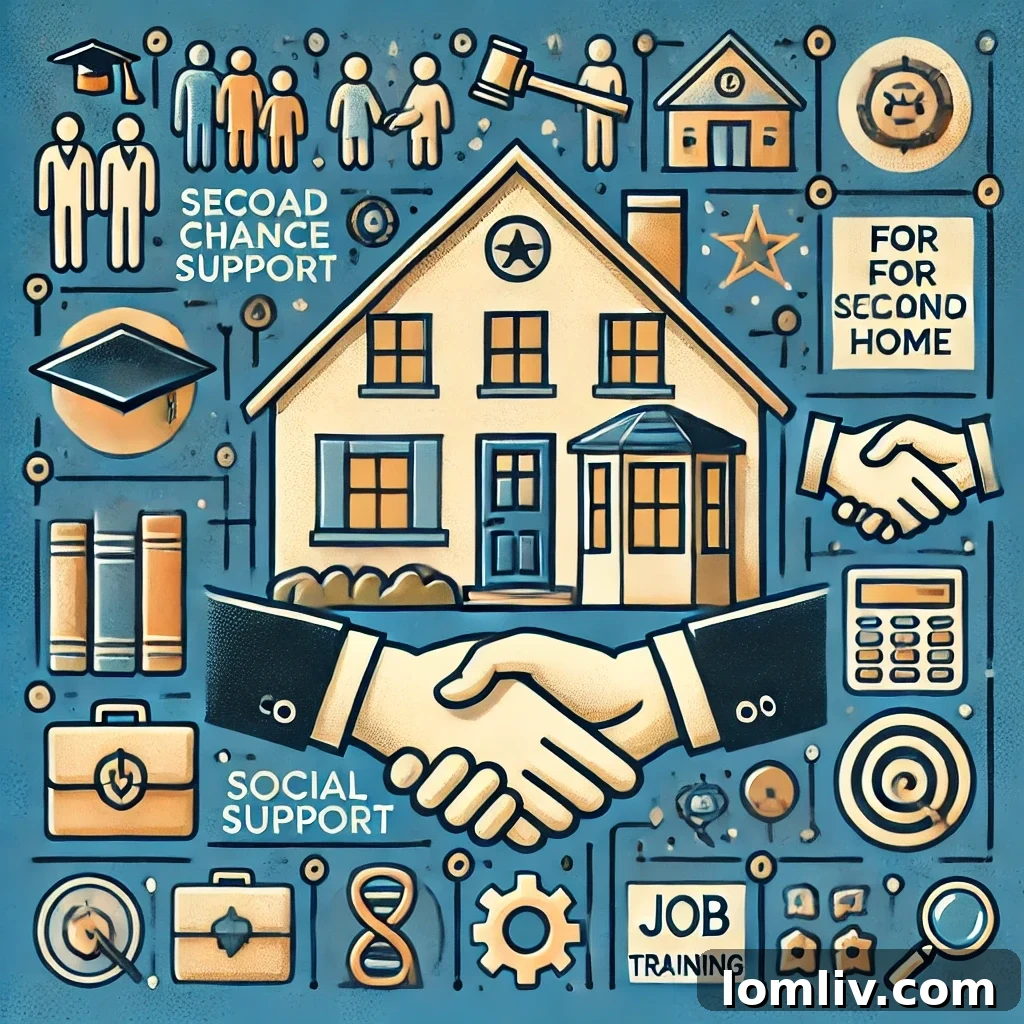
While securing a physical dwelling is the crucial first step, the long-term success and sustainability of second chance homes extend far beyond financial aid and bricks and mortar. For residents to truly thrive and reintegrate into society, they require robust access to a comprehensive network of social services and community support. These resources address the multifaceted challenges individuals face when restarting their lives, ensuring not just shelter but also holistic well-being.
Essential Social Services for Reintegration
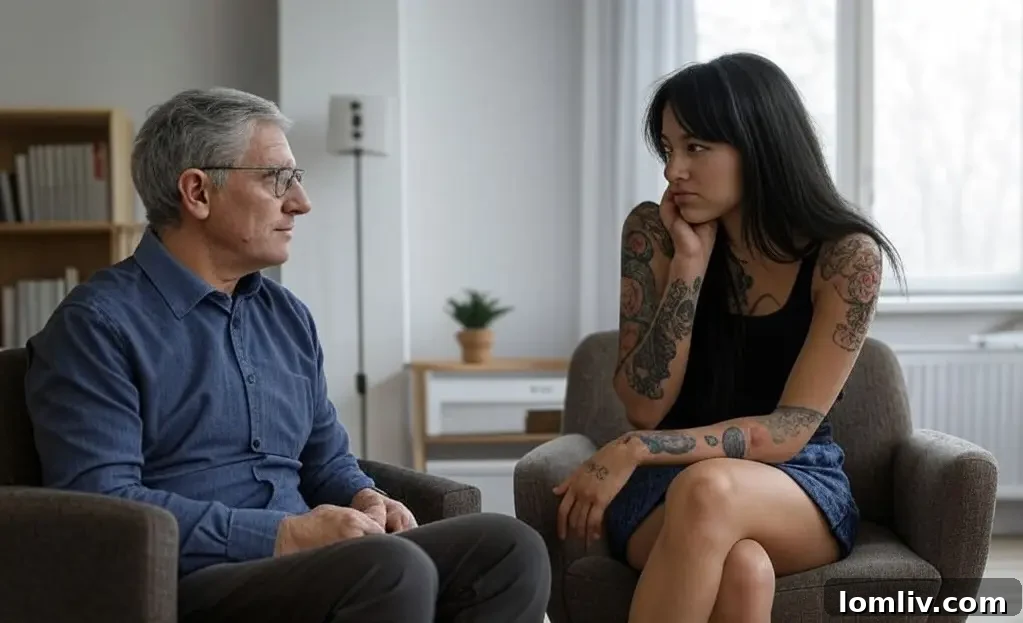
- Mental Health Services and Counseling: For individuals recovering from drug addiction, trauma (such as domestic violence), or periods of incarceration, mental health support is paramount. Second chance initiatives often connect residents with therapists, counselors, and support groups that provide emotional support, coping strategies, and guidance in adapting to their new lives. This therapy helps address underlying issues, manage stress, and build resilience, which are critical for maintaining stability.
- Legal Aid and Advocacy: Individuals with criminal records or those escaping abusive situations often face complex legal challenges. This can include navigating parole requirements, seeking expungement of past convictions, dealing with child custody issues, or understanding their housing and employment rights to prevent discrimination. Access to free or low-cost legal assistance helps residents overcome these barriers, ensuring they can fully access opportunities and legal protections.
- Job Training and Employment Services: Sustainable employment is a cornerstone of self-sufficiency. Second chance homes often partner with workforce development programs that offer vocational training, resume building workshops, interview skills coaching, and job placement assistance. These services are vital for residents to secure stable jobs that provide a living wage, reducing reliance on public assistance and fostering economic independence.
- Educational Opportunities: Education can open doors to better employment and personal growth. Many programs connect residents with GED completion courses, adult literacy classes, college preparatory programs, or vocational certifications. Access to educational resources empowers individuals to enhance their skills and pursue long-term career goals.
- Childcare and Family Support: For teenage mothers or parents re-entering society, reliable and affordable childcare is essential for pursuing employment, education, or counseling. Second chance initiatives often provide referrals to subsidized childcare services, parenting classes, and family counseling to help strengthen family units and ensure children’s well-being.
- Transportation Assistance: Access to reliable transportation is a significant barrier for many. Programs may offer bus passes, bicycle programs, or connections to volunteer driving services to ensure residents can get to work, appointments, school, and other essential services.
Community Partnerships and Volunteerism
The strength of second chance initiatives is often amplified by robust community partnerships and the dedication of volunteers:
- Local Shelters, Food Pantries, and Outreach Programs: These organizations form a critical safety net, providing immediate relief and ongoing support. They offer free housing, nutritious food, clothing, and hygiene products, ensuring basic needs are met while residents transition into more stable housing.
- Educational Institutions: Some schools and community colleges in Dallas offer free or reduced tuition, scholarships, or specialized support services to residents of second chance housing. This commitment to education helps break cycles of poverty and disadvantage.
- Volunteer Mentoring and Support: The human element of support is invaluable. Volunteers often provide mentoring, life skills training (e.g., budgeting, cooking, home regular maintenance), and crucial emotional encouragement. These mentors offer a positive influence and practical guidance, helping residents navigate the complexities of their new lives. Additionally, volunteers might assist with job search activities, transportation, or simply offer a friendly ear, providing basic support to those in need.
By integrating these social resources, second chance homes become true catalysts for transformation, empowering residents to not just survive, but to truly thrive and contribute positively to the Dallas community.
Endnote: Pathways to a Brighter Future in Dallas
The journey to securing a second chance home in Dallas, Texas, is underpinned by a diverse and robust network of initiatives and resources. From the structured support of federal, state, and local government grants to the flexible and community-driven funding from nonprofit organizations, charitable foundations, private donors, and crowdfunding campaigns, a multitude of pathways exist to support those striving for a new beginning. Furthermore, the importance of holistic social resources – encompassing mental health services, legal aid, job training, educational opportunities, and strong community partnerships – cannot be overstated, as these elements are crucial for long-term stability and successful reintegration.
For individuals seeking a fresh start, carefully considering each available option’s requirements, eligibility criteria, and long-term sustainability is paramount. It involves diligent research to find programs that align precisely with specific needs, whether that’s housing for teenage mothers, support for veterans, or resources for those re-entering society. Similarly, for developers and organizations dedicated to building and maintaining second chance homes, a thorough evaluation of grant opportunities and funding streams is essential to ensure that initiatives are not only launched but also sustained effectively for years to come.
Choosing affordable second chance homes with manageable maintenance costs and convenient proximity to vital social amenities such as schools, healthcare facilities, and public transportation will significantly ease the transition. By leveraging this comprehensive ecosystem of support, individuals can swiftly reset their lives, overcoming past challenges without succumbing to overwhelming financial constraints. Ultimately, these second chance initiatives embody the spirit of hope and resilience, paving the way for countless individuals to build secure foundations and forge brighter, more independent futures within the welcoming community of Dallas.