Discover the Magic: Unforgettable Winter Adventures in America’s National Parks
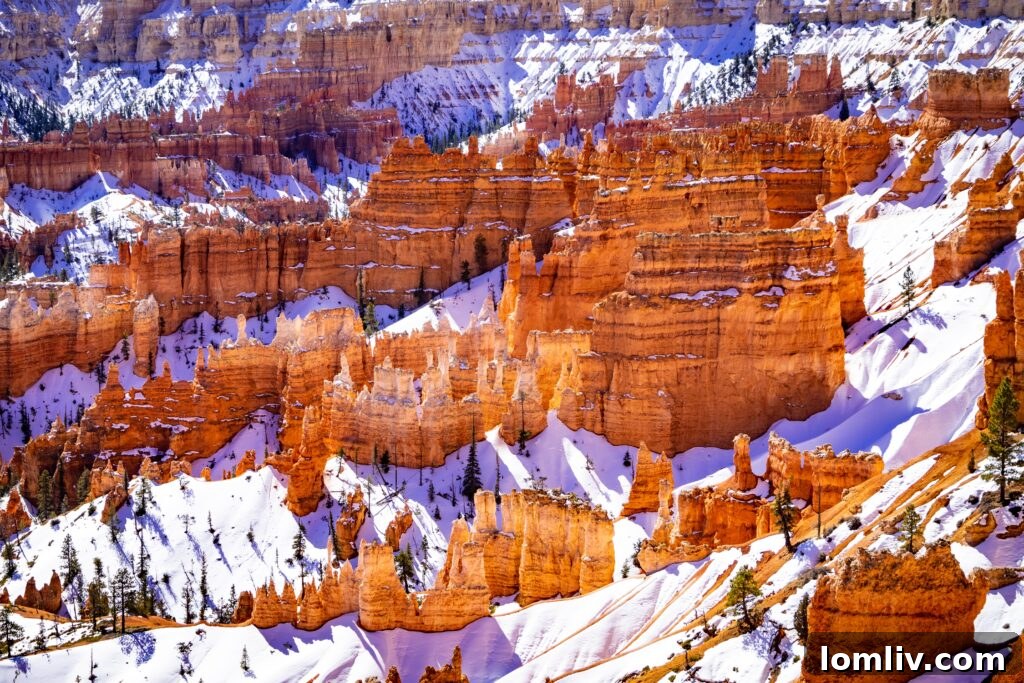
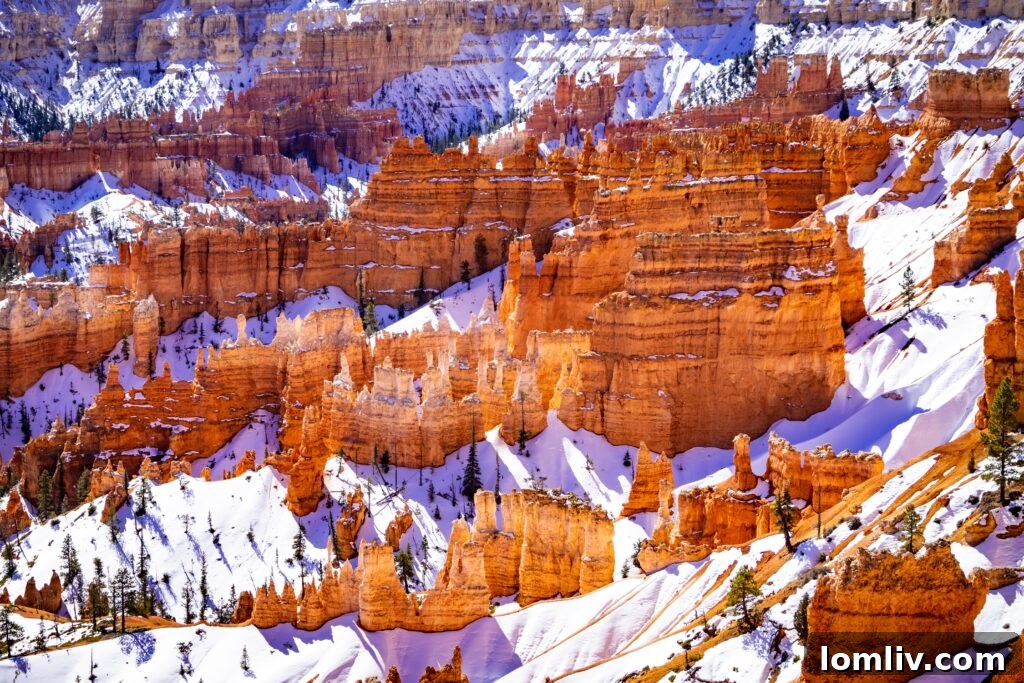
While many flock to America’s stunning National Parks during the bustling summer months, a secret season of unparalleled beauty and tranquility awaits the intrepid traveler: winter. Imagine the fiery orange and red spires of Bryce Canyon, dramatically dusted with a pristine layer of white snow, transforming an already iconic landscape into a breathtaking masterpiece. This serene, often overlooked period offers a profoundly different, yet equally captivating, experience. Far from being a season to avoid, winter provides a unique opportunity to witness these natural wonders in a truly magical light, free from the summer’s sweltering heat and teeming crowds.
Yes, the mercury may drop, and the air might carry a crisp chill, but embracing the winter months for your National Park adventure comes with a bounty of rewards. This traditionally low-traffic season unveils a quieter, more intimate side of these majestic lands. With fewer visitors, parking is often easier, trails are less congested, and the sheer scale of nature feels even more profound. Planning your National Park visits months in advance is always a wise strategy, especially for popular destinations, but a winter trip can sometimes offer more flexibility and availability for lodging and permits. Furthermore, several of the most beloved National Parks genuinely “shine” when blanketed in snow, offering activities and vistas simply not possible at any other time of year. A winter visit is your golden ticket to beating both the crowds and the heat, paving the way for a truly unforgettable journey.
Why Winter is the Best Kept Secret for National Park Exploration
Stepping into a National Park in winter is like entering a completely different world. The familiar landscapes are transformed, and the atmosphere shifts from vibrant energy to peaceful solitude. Here’s why you should consider a frosty adventure:
- Escape the Crowds: This is arguably the biggest draw. Popular viewpoints, trails, and visitor centers that are packed during peak season become wonderfully quiet. You’ll have more space to breathe, reflect, and truly connect with nature without the constant hustle and bustle. This means easier parking, shorter lines, and a more serene experience overall.
- Unrivaled Scenery and Unique Beauty: Snow acts as a natural artist, highlighting geological features and creating stunning contrasts. Imagine red rock canyons capped with white, frozen waterfalls glistening in the sun, or desert flora dusted with delicate frost. The quality of light in winter is often softer, casting long shadows and enhancing photographic opportunities. Winter fog and inversions can also create ethereal, otherworldly scenes.
- Enhanced Wildlife Viewing: Against a backdrop of snow, wildlife often becomes easier to spot. Animals like elk, bison, and deer are frequently more active in lower elevations, foraging for food, and their tracks are clearly visible in the fresh powder, offering clues to their movements. The stillness of winter also means less human disturbance, making wildlife encounters more likely and more intimate.
- Distinct Winter Activities: Winter opens up a whole new array of recreational pursuits. Swap your hiking boots for snowshoes or cross-country skis and explore trails in a completely new way. Many parks offer ranger-led snowshoe walks, perfect for beginners. Ice skating, ice climbing, and even snowmobiling (in designated areas) become possibilities, offering thrilling ways to experience the park.
- Profound Tranquility and Solitude: There’s a special kind of peace that descends upon the National Parks in winter. The muffled silence of a snow-covered forest, the crisp air, and the vast, empty expanses foster a deep sense of calm and reflection. It’s an opportunity to truly escape the demands of daily life and immerse yourself in the natural world.
- Potential Cost Savings: While not universally true, some lodging options outside the parks or even within them might offer lower rates during the off-season. Fewer crowds can also mean more competitive prices for certain services or amenities.
Essential Tips for Planning Your Winter National Park Getaway
While incredibly rewarding, a winter trip to a National Park requires careful planning and preparation. Safety and comfort are paramount when dealing with colder temperatures and potentially challenging conditions:
- Dress in Layers: This is crucial. Start with a moisture-wicking base layer, add insulating mid-layers (fleece or down), and top with a waterproof and windproof outer shell. Don’t forget a warm hat, gloves or mittens, and a neck gaiter.
- Proper Footwear: Waterproof, insulated boots with good traction are essential. Consider bringing Yaktrax or microspikes for extra grip on icy trails, especially in parks like Bryce Canyon or Zion. Gaiters can keep snow out of your boots.
- Vehicle Preparation: If driving, ensure your vehicle is winter-ready. This includes good tires (snow tires are best), chains (often required or recommended in mountainous parks), and an emergency kit with blankets, food, water, a shovel, and jumper cables. Check road conditions frequently – many roads close seasonally.
- Check Park Conditions & Closures: Before you go, always check the official park website for current weather forecasts, road closures, trail conditions, and visitor center operating hours. Some areas or facilities might be inaccessible during winter.
- Stay Hydrated and Fuelled: Even in cold weather, it’s easy to become dehydrated. Carry plenty of water (insulated bottles can prevent freezing) and high-energy snacks.
- Inform Someone of Your Plans: Always let a friend or family member know your itinerary, including your route and expected return time, especially if you plan on backcountry activities.
- Sun Protection: Don’t underestimate the winter sun. Snow reflects sunlight, increasing your exposure to UV rays. Wear sunglasses, sunscreen, and lip balm with SPF.
- Book Accommodations and Activities: While crowds are smaller, some popular lodging or specific winter tours (like snowcoach trips in Yellowstone) can still book up quickly. Secure your reservations well in advance.
Top National Parks That Truly Shine in Winter
To inspire your next adventure, here are some of our top recommendations for National Parks that transform into true winter wonderlands, offering unique experiences and breathtaking vistas when the temperatures drop:
Bryce Canyon National Park, Utah
As mentioned, Bryce Canyon is arguably one of the most iconic winter destinations. The deep reds, oranges, and pinks of the famous hoodoos are dramatically accentuated by a fresh blanket of snow, creating a surreal and almost otherworldly landscape. The silence is profound, allowing you to truly appreciate the intricate geological formations. Activities include:
- Scenic Drives and Viewpoints: Many of the rim viewpoints like Inspiration Point, Bryce Point, and Sunrise/Sunset Point remain accessible, offering panoramic views of the snowy amphitheater.
- Snowshoeing and Cross-Country Skiing: Miles of trails along the rim and even some designated shared-use trails offer fantastic opportunities to explore the park under snow. The park often offers free snowshoe rentals and ranger-led programs.
- Winter Hiking: Lower elevation trails, while potentially icy, can still be hiked with proper gear. The Queens Garden and Navajo Loop trails (often partially open) provide an up-close look at the snow-covered hoodoos.
- Stargazing: With crisp, clear winter nights and minimal light pollution, Bryce Canyon is an International Dark Sky Park, making it an incredible spot for winter stargazing.
Zion National Park, Utah
Just a short drive from Bryce Canyon, Zion National Park offers a different but equally stunning winter experience. While some higher elevation trails may be inaccessible, the main canyon remains open and transforms into a tranquil paradise. The typically scorching summer heat is replaced by cool, refreshing air. What to expect:
- Snow-Capped Peaks and Frozen Waterfalls: The towering sandstone cliffs, often dusted with snow, provide a dramatic contrast to the green vegetation below. You might even catch a glimpse of ice forming on seasonal waterfalls.
- Less Crowded Shuttles and Trails: During winter, the mandatory shuttle system in Zion Canyon often isn’t running on a daily basis (check schedules), allowing visitors to drive their own vehicles into the main canyon. This offers immense flexibility and fewer crowds on popular trails like the Pa’rus Trail or the Emerald Pools Trail (conditions permitting).
- Photography: The soft winter light, often with dramatic clouds or fog, offers unique photographic opportunities of iconic views like The Watchman and Angels Landing (from below).
- Milder Temperatures: Compared to other winter parks, Zion’s main canyon often experiences relatively milder winter temperatures, making outdoor exploration more comfortable.
Yosemite National Park, California
Yosemite transforms into a quintessential winter wonderland. The valley floor, adorned with snow and ice, feels incredibly peaceful, and the dramatic granite cliffs take on an ethereal quality. It’s a truly iconic destination for a winter escape:
- Majestic Frozen Waterfalls: While some waterfalls may have less flow, the sight of them partially frozen, or the surrounding mist creating glittering ice formations, is spectacular. Iconic Yosemite Falls and Bridalveil Fall are particularly beautiful.
- Badger Pass Ski Area: California’s oldest downhill ski area, Badger Pass, offers skiing, snowboarding, and tubing, making Yosemite a unique combination of wilderness and resort experience.
- Cross-Country Skiing and Snowshoeing: Miles of groomed and ungroomed trails are available. Explore areas like Mariposa Grove (accessible via snowshoe/ski during winter) or the network of trails around Badger Pass.
- Ice Skating: Glide across the outdoor ice rink at Curry Village (weather permitting) with unparalleled views of Half Dome and Glacier Point.
- “Firefall” Phenomenon: In mid-to-late February, if conditions are just right, the Horsetail Fall on El Capitan can glow orange and red at sunset, resembling a “firefall” – a truly magical and highly sought-after spectacle.
Grand Canyon National Park, Arizona (South Rim)
The Grand Canyon in winter offers a breathtaking, serene experience. While the North Rim closes for the season, the South Rim remains open year-round and can be incredibly rewarding:
- Snow-Dusted Canyon Views: Imagine the immense chasm, its layers of geological history highlighted by a fresh dusting of snow. The contrast of white and the canyon’s vibrant colors is unforgettable.
- Fewer Viewpoint Crowds: Enjoy popular viewpoints like Mather Point, Yavapai Point, and Desert View with significantly fewer people, allowing for peaceful contemplation and unobstructed photography.
- Inversions: On rare occasions, winter brings temperature inversions where the canyon fills with a sea of fog, with the highest peaks rising above it like islands – a truly spectacular and unique phenomenon.
- Rim Trail Hiking: The paved Rim Trail is generally accessible and offers stunning views without significant elevation changes, perfect for a leisurely winter stroll.
Yellowstone National Park, Wyoming
Yellowstone in winter is a landscape of steaming geysers, frozen forests, and abundant wildlife. It’s a truly iconic winter destination, offering a unique opportunity to witness the park’s geothermal wonders contrasting with the frigid temperatures:
- Geothermal Features in Snow: Old Faithful and other geysers and hot springs become even more dramatic with steam plumes rising into the cold air, creating ethereal, frosty landscapes.
- Incredible Wildlife Viewing: Bison and elk congregate in the thermal areas for warmth, making them easier to spot against the snow. Wolves, coyotes, and other predators are often more active and visible.
- Unique Transportation: Most roads are closed to private vehicles, but you can explore the interior of the park via guided snowmobile tours or cozy snowcoach excursions, offering a truly immersive experience.
- Cross-Country Skiing and Snowshoeing: Extensive trail networks, both groomed and ungroomed, allow for silent exploration of the park’s stunning winter scenery. The Mammoth Hot Springs area is particularly popular and accessible.
As you can see, the appeal of America’s National Parks extends far beyond the traditional summer season. Winter offers a profound and intimate way to experience these natural treasures, characterized by unparalleled beauty, serene solitude, and exciting, distinct activities. From the snow-capped hoodoos of Bryce Canyon to the steaming geysers of Yellowstone, a winter visit promises memories that will last a lifetime. So, don’t let the cooler temperatures deter you; instead, embrace the chill and discover the truly magical side of these cherished landscapes.
For more detailed insights into planning your winter adventures, including specific park guides and essential gear lists, be sure to explore resources like SecondShelters.com, your ultimate guide to embracing the unique charm of National Parks in winter.