Transforming Health in Southern Dallas: The Folsom Wellness Center Expansion at Methodist Dallas Medical Center
In a compelling narrative unfolding in Oak Cliff, Southern Dallas, a critical decision looms: the expansion of a vital community wellness center versus the preservation of pecan trees. This scenario presents a genuine dilemma, especially given the undeniable link between physical fitness and improved public health outcomes, coupled with the potential for significant healthcare cost reductions. Southern Dallas currently stands as a recognized “wellness desert,” grappling with some of the city’s highest rates of obesity, diabetes, and hypertension. Methodist Dallas Medical Center, a cornerstone institution in the region, is proposing to transform its modest campus fitness facility into a comprehensive, state-of-the-art wellness center designed to serve everyone residing south of I-30.
The urgency of this initiative is underscored by national health trends. January, a month synonymous with resolutions for better health, arrived with sobering news from the Centers for Disease Control (CDC). For the third consecutive year, U.S. life expectancy has declined, placing the nation 29th globally in age-adjusted mortality despite unparalleled healthcare spending. A closer examination of the ten leading causes of death reveals that at least half could be significantly mitigated through existing knowledge and technology, if only individuals prioritized their well-being. Dr. Robert Pearl, a respected medical commentator, emphasizes that a collective commitment to New Year’s resolutions regarding diet and exercise could dramatically reduce the incidence of diabetes, currently the nation’s seventh leading cause of death. These statistics paint a stark picture, highlighting the critical need for accessible and advanced wellness resources, particularly in communities like Southern Dallas.
Addressing a Critical Health Disparity: Southern Dallas’ Wellness Desert
The term “wellness desert” accurately describes the pervasive lack of health-promoting resources in Southern Dallas. This isn’t merely an abstract concept; it manifests in tangible, life-altering health disparities. Residents in this area face an uphill battle against preventable diseases, with obesity rates soaring, diabetes becoming increasingly prevalent, and hypertension affecting a disproportionate number of individuals. These conditions are not just personal challenges; they represent a significant public health crisis, placing immense strain on individuals, families, and the healthcare system. The existing Folsom Fitness Center, built in 1984, is a mere 5,100 square feet – a corporate gym with basic treadmills and mats, lacking a swimming pool or the diverse programs essential for comprehensive wellness. It is simply inadequate to meet the scale of the health challenges facing the community.
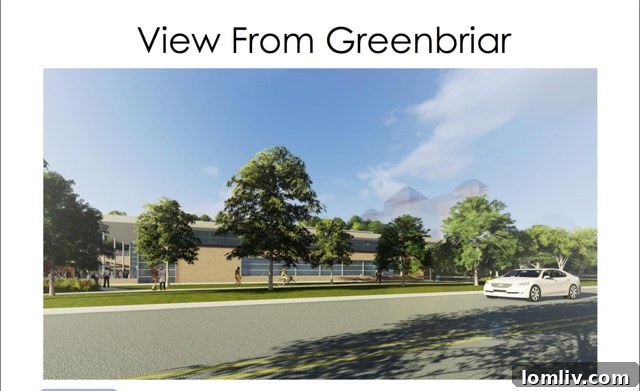
Methodist Dallas Medical Center serves as the flagship hospital in the rapidly expanding Oak Cliff area and stands as the largest employer in Southern Dallas. Its role extends beyond emergency care and treatment; it is a vital community partner with a responsibility to promote proactive health. To genuinely address the rising population’s needs, foster overall wellness, and provide residents with the most advanced fitness opportunities, Methodist sought a crucial zoning change. This change would permit one Personal Service Use within 200 feet of Greenbriar, specifically within their existing green space. In a significant act of community goodwill, Methodist agreed to reduce its development rights along Greenbriar, between Beckley and Stemmons, by a substantial 429,000 square feet. This concession creates what is known as a residential proximity slope – a decrease in potential building height along the street – effectively buffering the neighborhood from a future nine-story building planned further back on their campus.
The Vision for a State-of-the-Art Wellness Hub
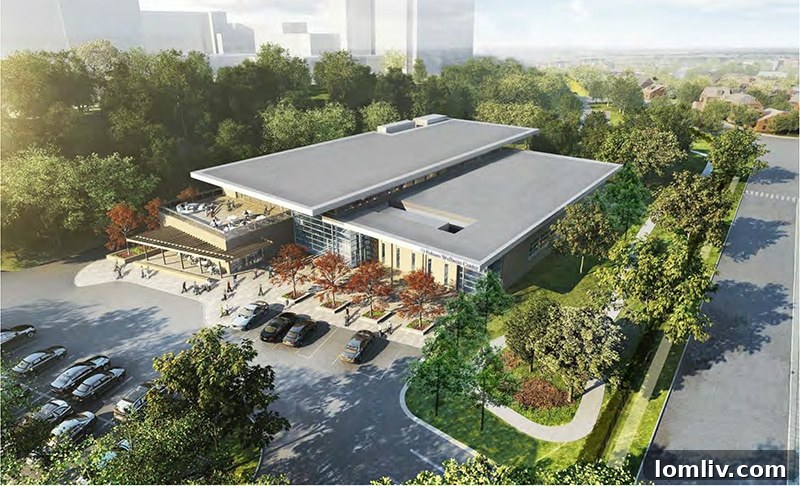
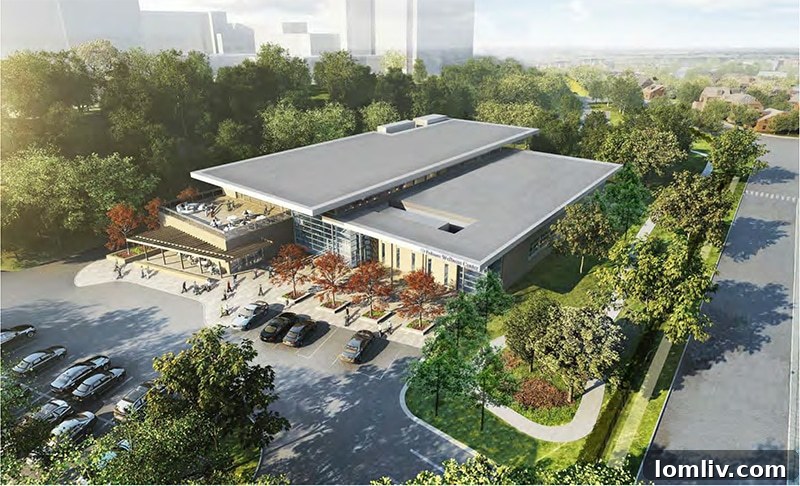
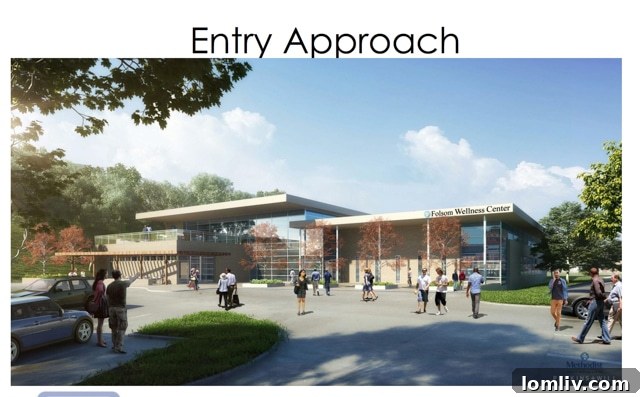
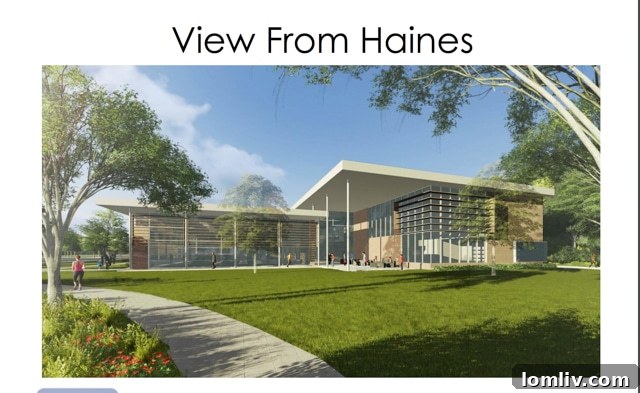
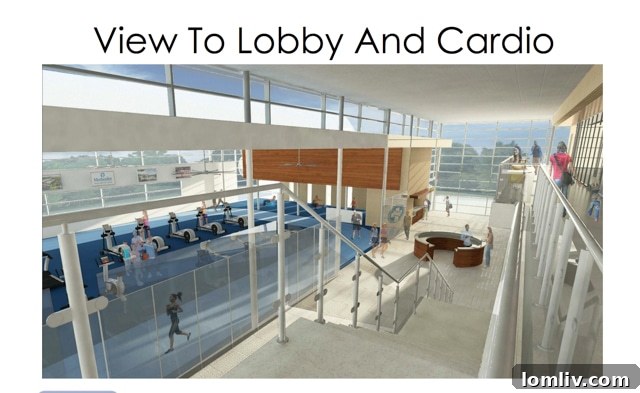
With the approved zoning change, Methodist envisions a transformative expansion: a 35,000 square foot, two-story facility that will redefine community wellness in Southern Dallas. This proposed center is designed to be a comprehensive health and fitness destination, similar in scope and quality to acclaimed facilities like Baylor’s Tom Landry Fitness Center in Old East Dallas, which boasts aquatics, kettlebells, Pilates, triathlon training, and sports-performance programs. Another benchmark is the 52,000 square foot Cooper Fitness Center in North Dallas, offering all these amenities plus extensive running trails across approximately 30 acres.
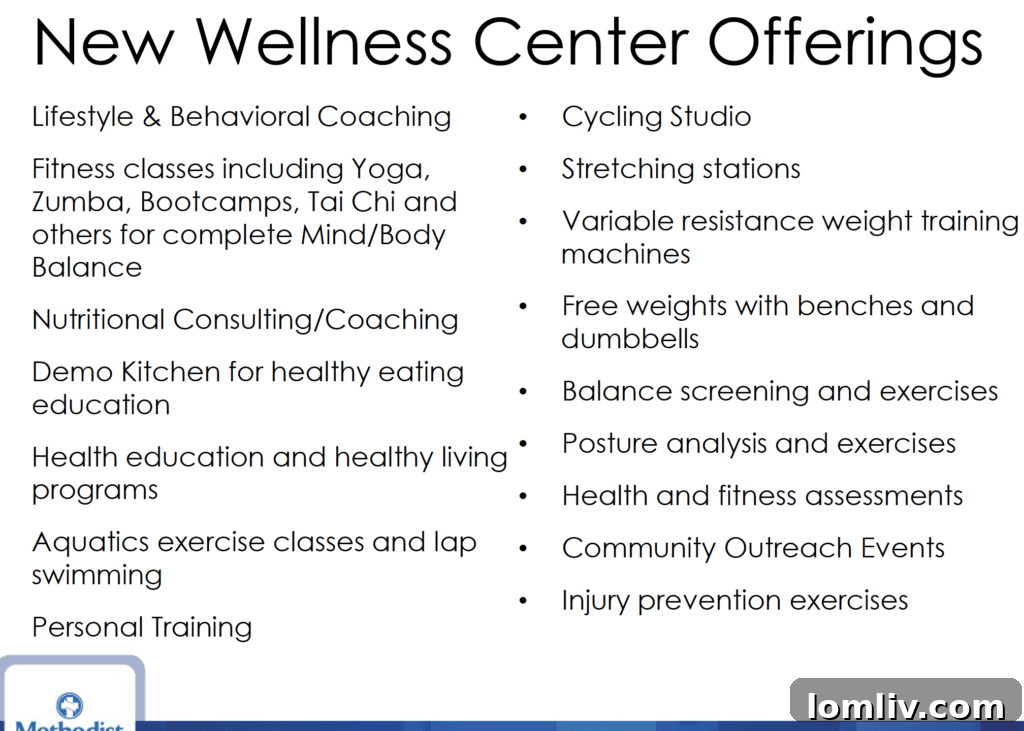
The new Folsom Wellness Center aims to bring such high-caliber resources directly to Oak Cliff. Its proposed amenities include:
- State-of-the-art fitness equipment
- A dedicated lap and exercise pool
- Therapeutic whirlpool facilities
- Multiple group exercise rooms for diverse classes
- A specialized cycling studio
- An indoor walking track for year-round activity
- A participation kitchen for healthy cooking classes and nutritional education
- A spacious 2,100 square foot community room for workshops, events, and gatherings
“Methodist is under pressure to help the community stay healthy,” hospital officials articulated at a well-attended neighborhood meeting on October 10. “Outpatient clinic visits in this community are on the rise,” they added, underscoring the preventative potential of such a center. The facility will be open to the public for ages 16 and over, with membership pricing expected to be around $50 a month – significantly more affordable than comparable high-end centers like Cooper. Furthermore, the center plans to implement a spiritual wellness program, taking health education directly into the community by leveraging relationships with church congregations and ministries, utilizing retired doctors, nurses, and other experienced professionals.
The Heart of the Conflict: Trees vs. Health
Despite the overwhelming public health benefits and Methodist’s considerable concessions, the expansion project has faced vocal opposition from a segment of immediate neighbors, particularly those residing on Greenbriar Lane. Their primary concern revolves around the potential loss of trees, specifically the pecan grove that has provided a lush, green canopy for the last 35 years. The controversy ignited shortly after the initial presentation in September, when claims of Methodist “clear-cutting all the trees” were spread on social media, leading to a significant uproar on local platforms like NextDoor.
Linda Young, former President of the East Kessler Park Neighborhood Association, provided a balanced perspective: “The hospital is giving up a significant amount of square footage to appease the neighbors. They have moved the building from the original site to save more trees. They have gone way overboard because of a few bullies in the neighborhood. Trust me, no one is more concerned than I am over the beauty of Oak Cliff, but I am also concerned about the well-being of its inhabitants!”
At the October 10 community meeting, which provided accurate project details, the majority of attendees expressed support for the center’s expansion. However, a vociferous minority remained focused on tree preservation, raising concerns about any construction potentially damaging tree roots and the impact on their cherished “forest-like views.” One homeowner lamented, “We moved here because of the green space. Why isn’t Dallas valuing its green spaces?”
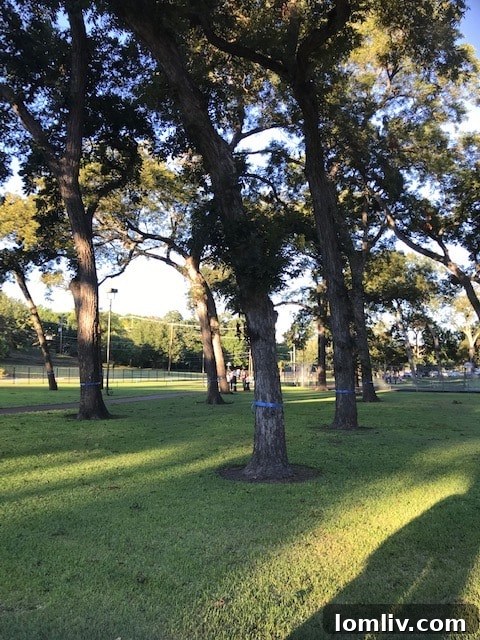
The current fitness facility is discreetly nestled into a cliff below the main hospital, to its north. The 62-tree pecan grove indeed creates a beautiful canopy. While these mature and beautiful trees contribute significantly to the area’s aesthetic, some naturally succumb to attrition. Methodist has reiterated its commitment to preserving and protecting as many trees as possible. Initially, the plan involved removing 27 trees, totaling 717 caliper inches. However, in response to neighbor complaints and the social media outcry, the hospital revised its plan to remove only 11 trees – one hackberry and ten pecan trees (potentially as few as eight) – totaling 295 caliper inches. To mitigate this loss, Methodist has pledged to plant 53 new trees, totaling 380 caliper inches, ensuring a net gain in future greenery.
Traffic and Parking Concerns Addressed
Neighbors also voiced concerns about the expanded center generating increased traffic and parking difficulties. However, a comprehensive traffic study commissioned by Methodist concluded that the project would not create additional traffic on Haines and Greenbriar. Traffic engineers clarified that the heaviest traffic associated with the hospital campus, including the new wellness center, would remain concentrated on Beckley, as it currently is, minimizing impact on residential streets.
Voices from the Community: Support for Progress
Many community members, including those directly impacted, express strong support for the Folsom Wellness Center expansion. Joe Ocon, an architect who lives directly across the street from the current fitness center on Greenbriar, has no reservations about the project. He currently enjoys the view of the pecan grove from his front window and appreciates the green space. When asked if his views would change dramatically, he confidently stated, “I don’t think so. I will see a presence there. Methodist keeps the landscaping in good shape, and they are quick to pick up any trash that falls off garbage trucks.” He recalled an instance during the holidays when city garbage trucks dropped medical waste on Greenbriar; Joe contacted Methodist, and the trash was picked up within the hour, underscoring the hospital’s reputation as a good neighbor. Methodist also leaves the gates to the pecan grove property open, allowing neighbors to walk their dogs on the hospital campus. Joe suggests, “It may help appease some of the neighbors if they push the setting back a bit for more green space,” but firmly adds, “I’m for the project, I don’t care where it goes. It’s perfect for the community. I hope this larger size will bring the attendance and it will be nice to have a fitness center right across the street — no more excuses for not exercising!”
Bobby Abtahi, President of the Dallas Park Board and former Vice Chairman of the City Plan Commission, is another fervent supporter eagerly anticipating the new facility. A local resident whose children were born at Methodist, he emphasized the broader significance: “This is exactly what we need south of the Trinity. The whole ‘grow south’ initiative is about getting people to move south, but unless you give them things to do with their families, it’s not going to work. I have to pack my kiddos up and drive them up to the Tom Landry Center at Baylor to swim.” He concluded by asserting that “we need to have great amenities south of the Trinity to attract and retain young families,” positioning the Folsom Wellness Center as a crucial component of this vision.
Strategic Location and Financial Considerations
Some dissenting neighbors have suggested an alternative location for the fitness center: a parking lot at the corner of Beckley and Greenbriar. Methodist owns this property and could indeed build a nine-story tower there, 15 feet from the curb, without requiring any zoning changes. However, relocating the wellness center to this corner would incur an additional $4.7 million in construction costs for the hospital. This substantial increase would be necessary to completely redesign the current plans, transition to heavy-grade steel construction, and excavate a basement for parking, among other complex modifications. While Methodist generates an annual revenue of $1.7 billion, demonstrating significant financial capacity, it is crucial to recognize that healthcare funding is meticulously allocated, and money does not “grow on trees.” The currently selected location is comparatively flat, requires minimal grading, and its construction would not adversely affect other essential hospital services.
Dan Blizzard, VP Strategic Priorities for Methodist Health System, clarified their vision: “Methodist understands tree preservation and will fully maintain its beautiful green spaces. But the concept for this center is not a multi-story corner 24-Hour Fitness model. We are envisioning something very similar to the Cooper Center, set among trees and utilizing the green space.” To facilitate the zoning changes, Methodist has agreed to downzone the surface parking lot and limit building heights along Greenbriar to no more than two stories. However, beyond the mandated 125-foot setback from the residential street, they retain the right to construct buildings up to nine stories along Beckley, demonstrating a balanced approach to development and community integration.
The Political Landscape and a Pivotal Decision
The City Plan Commission approved the zoning change for the Folsom Wellness Center last year, signifying an initial endorsement of the project’s merits. However, the political landscape has since evolved, adding another layer of complexity to the final decision. Plan Commissioner Chad West is now campaigning for City Council, aiming to succeed current Councilman Scott Griggs, who, in turn, is running for mayor. This confluence of political transitions means that the health and fitness of an entire community – a community demonstrably in dire need of such resources – could ultimately rest in political hands.
The Dallas City Council is scheduled to vote on the zoning changes on February 13, making this date a critical juncture for Southern Dallas. The decision will not only shape the future of healthcare infrastructure in the region but also send a clear message about the city’s priorities regarding public health and urban development.
A Choice for a Healthier Future
“I understand native and heritage trees, and I have them on my property,” acknowledged Joe Ocon, reflecting a common sentiment. “Some of them fall with storms or disease.” Indeed, while the aesthetic and environmental value of trees is undeniable, it is also true that nature undergoes continuous cycles of life and renewal. It would be a profound disservice to Oak Cliff to deprive it of a crucial health asset—one designed to combat a serious public health crisis—simply due to concerns over trees that, by their very nature, may not endure indefinitely. As Dr. Charles Tandy poignantly stated at the close of the October 10 meeting, “it’s great to love and respect nature, but people come first.” The Folsom Wellness Center represents an investment in human life, in long-term community well-being, and in fostering a healthier, more vibrant Southern Dallas.