

The Dallas Development Services Department (DSD) has long grappled with the persistent challenge of lengthy building permit turnaround times, a bottleneck that has significantly impacted the city’s robust construction sector. However, under the decisive leadership of Director Andrew Espinoza, the department is actively embarking on a transformative journey to streamline processes, enhance efficiency, and ultimately, accelerate the pace of development across the burgeoning metropolis. This proactive approach seeks to alleviate frustrations within the building community and foster a more dynamic and responsive permitting environment.
In a significant step towards achieving these goals, a comprehensive audit conducted by the esteemed Matrix Consulting Group recently unveiled its findings. Director Espinoza affirmed that many of the audit’s strategic recommendations are already being diligently implemented, signaling a strong commitment to actionable change. He is scheduled to present the detailed report to the Dallas City Council on November 2nd, a crucial moment for transparent communication and accountability regarding the department’s progress and future trajectory.
“As a department head, I have a clear vision for where I want to steer this ship,” Espinoza shared with Daltxrealestate.com, highlighting his strategic leadership. “Engaging a professional consultant as a co-captain has proven immensely valuable. Their insights, drawn from extensive experience with other municipalities, provide crucial guidance, helping us navigate the often-complex waters of urban development and regulatory challenges.” This collaborative approach underscores a commitment to leveraging external expertise to drive internal improvements.
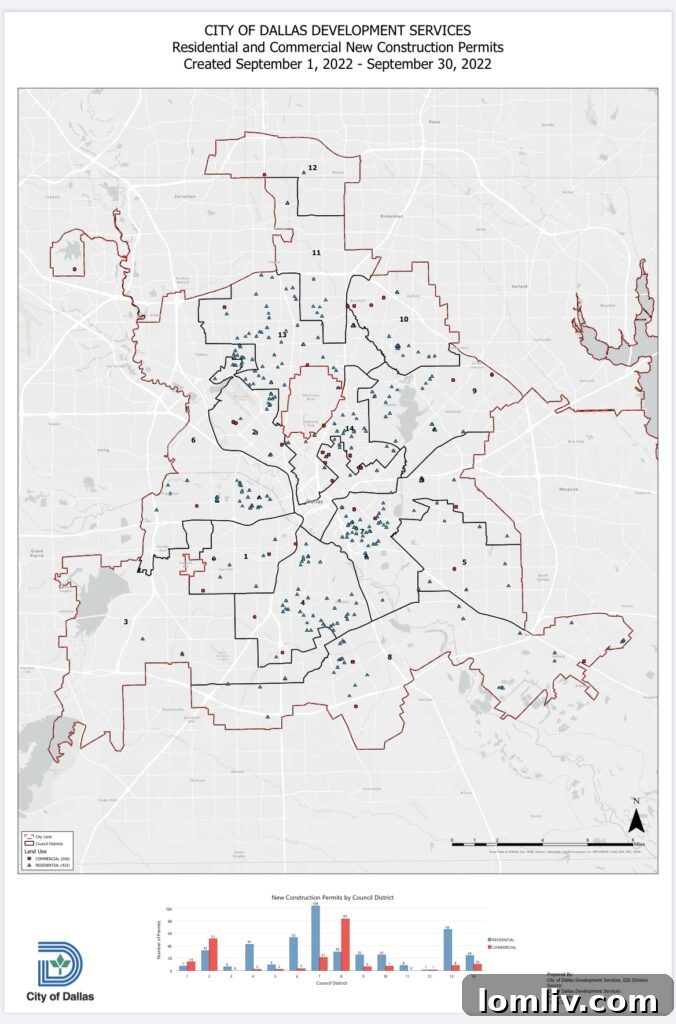
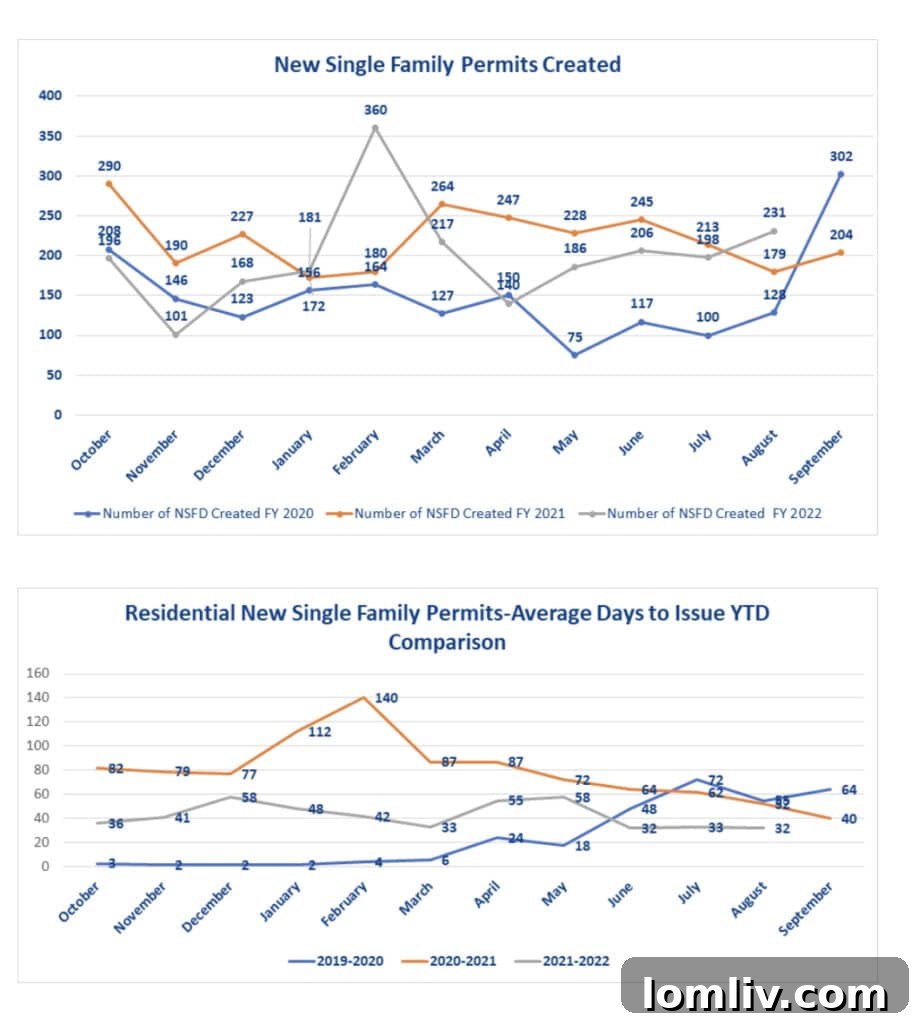
Despite a notable decrease in the volume of complaints regarding permit turnaround times, a vestige of the past permit backlog, the reality remains that obtaining a building permit in Dallas still typically consumes at least 30 days for the majority of builders. September, for instance, proved to be an exceptionally high-volume month for Development Services, registering a staggering 400 new single-family home permit applications. While the department’s ambitious internal target aims for a swift three-to-five-day permit issuance, this benchmark is currently met with considerable infrequency, indicating that significant work is still needed to bridge the gap between aspiration and operational reality. “We’ve kind of plateaued,” Espinoza admitted, acknowledging the current challenges in achieving faster processing speeds.
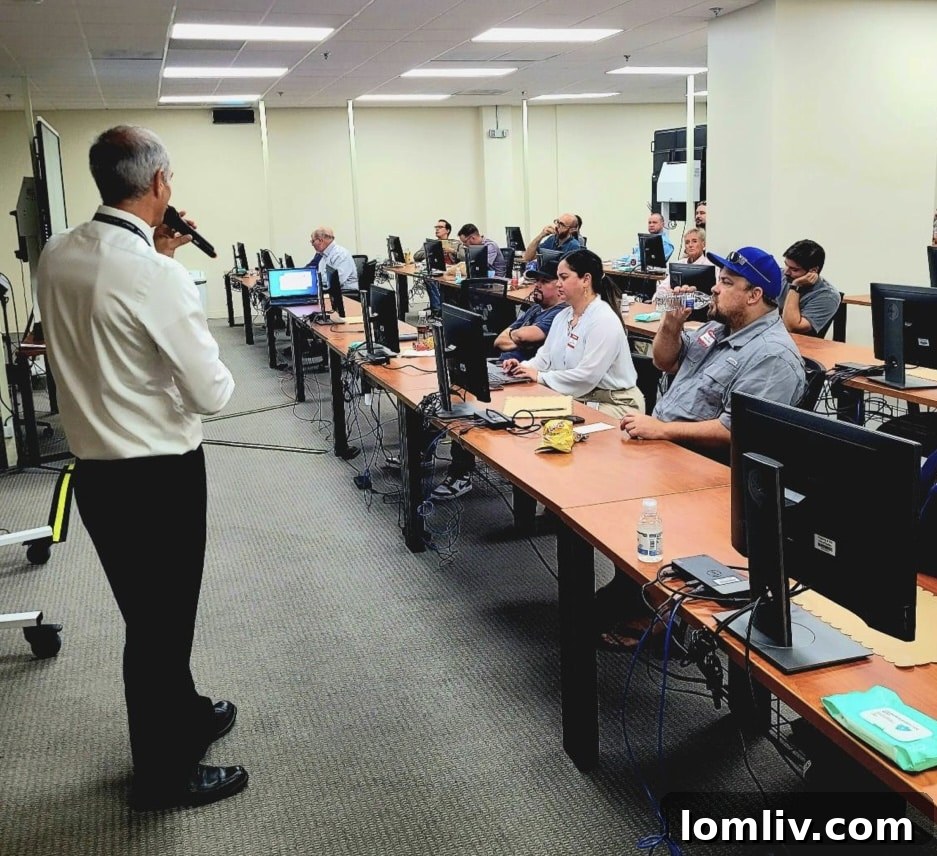
Beyond process inefficiencies, the DSD faces substantial structural hurdles, including severe understaffing and overcrowding within its current facilities at the Oak Cliff Municipal Center. These environmental factors undoubtedly contribute to the operational bottlenecks. However, a significant alleviation is on the horizon with the department’s planned relocation to modern, more spacious offices at 7800 North Stemmons Freeway in Spring 2023. This move is anticipated to provide a much-needed upgrade in working conditions and capacity. To address the critical staffing deficit, which includes approximately 70 current vacancies – 54 of which were recently approved for the new fiscal year – a targeted hiring event was strategically scheduled for Tuesday, aiming to attract vital talent to bolster the department’s capabilities.
Strategic Vision for Improvement in Dallas Permitting
The Dallas building community has been vocal about its concerns, particularly since the permit backlog escalated to critical levels more than two years ago, exacerbated by the unprecedented challenges of the COVID-19 pandemic. Their persistent feedback has been invaluable, providing direct insights to Director Espinoza and his dedicated staff since his appointment in May. This ongoing dialogue underscores the collaborative spirit essential for navigating complex urban development issues.
Phil Crone, the influential executive officer of the Dallas Builders Association, highlighted the continued difficulties faced by developers, stating that most applicants still endure wait times exceeding 10 weeks to secure a permit. While acknowledging the positive impact of Espinoza’s leadership, Crone noted, “While Andrew and the new management team are very enthusiastic about tackling the problem and have helped us move many dozens of stuck projects, the overall timelines are still about where they were in the summer.” He passionately emphasized the critical importance of publishing accurate and transparent timelines, not merely as a matter of convenience, but as a foundational necessity for strategic planning. “Even if those timelines aren’t where we need to be and if some of that is the fault of the applicant or someone other than the city, we still need to know what we are working with in order to guide our priorities,” Crone asserted. This transparency is particularly crucial in today’s volatile economic climate, where businesses and residents make impactful, financially sensitive decisions heavily influenced by the predictability of development processes and interest rate fluctuations.
A significant technological leap occurred in August with the rollout of an updated version of ProjectDox, the city’s electronic plan review system. This crucial upgrade transitioned the system from a city server to a more robust and scalable cloud-based platform. Director Espinoza enthusiastically reported the immediate benefits: “I’ve heard of one outage since we rolled over. Before we changed the system, it was a two- or three-times-a-week occurrence. Staff was at a standstill.” This drastic reduction in downtime translates directly into increased productivity and reduced frustration for DSD staff and applicants alike. Crone echoed this positive sentiment, confirming ProjectDox’s newfound user-friendliness and reliability. “I think I can definitively say that because not one person has complained about it once the transition occurred,” he stated, underscoring the success of this critical technological investment in improving the Dallas permitting experience.
Building Momentum: Recommendations for a Better Dallas Permitting Future
The Matrix Consulting Group’s comprehensive review encompassed an in-depth analysis of the department’s technology infrastructure, operational processes and procedures, staffing levels, and resource allocation. This holistic assessment led to a series of strategic recommendations designed to fundamentally transform and enhance the efficiency of Dallas’s Development Services. Among the 57 recommendations detailed in the audit report, several key initiatives stand out as pivotal for future success:
- Procure and Implement a Robust Land Management System: This foundational recommendation calls for a sophisticated system capable of seamlessly integrating digital application submittal, comprehensive review processes, efficient permit issuance, and an inspection module that is universally accessible and usable by all entities involved in the development review ecosystem. Such a system would centralize data, automate workflows, and provide real-time tracking, dramatically improving transparency and reducing manual errors.
- Create a Dynamic Performance Dashboard: The consultants advocated for the establishment of an interactive dashboard that visually presents key historic and current performance indicators for the entire development review process. This dashboard, mandated to be updated monthly, would offer unprecedented transparency to internal stakeholders and the public, fostering accountability and allowing for data-driven decision-making.
- Establish and Publish Performance Timelines: To address the critical need for predictability, the audit recommended setting clear, measurable performance timelines for processing all development review applications. Furthermore, these timelines, along with monthly performance reports, should be made readily available to DSD management and publicly published online, reinforcing transparency and enabling applicants to better plan their projects.
- Institute a “Permit Pilot” Position: A unique and crucial recommendation is the creation of a dedicated “permit pilot” role. This individual would serve as a single point of oversight and coordination for complex development processes, acting as a facilitator to enhance collaboration not only between different DSD divisions but also with other city departments and the broader development community. This role aims to break down departmental silos and expedite project progression.
- Engage Third-Party Plan Reviewers: To effectively manage workload fluctuations and ensure consistent service levels, the audit suggested that the city contract with qualified third-party plan reviewers. This strategic outsourcing would help meet performance goals for processing building permit applications, especially during peak demand periods, ensuring that delays due to internal capacity constraints are minimized.
- Expedite HR Hiring Processes: Recognizing the severe understaffing issue, a key recommendation was to streamline and expedite the HR Department’s hiring process, particularly for highly technical and skilled positions essential to the DSD’s core functions. Faster recruitment is vital to filling critical vacancies and bolstering the department’s operational capacity.
Phil Crone commended the Matrix study, acknowledging it was “a long time coming and did a great job diving deep into the structure of the department.” While the study largely confirmed pre-existing knowledge within the building community – “In the big picture, it really didn’t tell us anything we didn’t know already” – Crone expressed particular appreciation for the organizational recommendations. He specifically highlighted their identification of the “silos that exist between the Planning Department and Development Services” and the critical need to integrate certain functions, such as plan review for conservation districts, directly under the department responsible for overall plan reviews. This organizational restructuring promises to reduce friction and accelerate approvals for complex projects.
Espinoza elaborated that several of the consultant’s recommendations underwent thoughtful modifications to align more precisely with the unique operational realities and strategic objectives of Dallas. “One that comes to mind is the consultants said to add an engineer to the Q-Team, our express plan review team,” he explained. “We opted to stand up an entire second Q-Team. Our enhancement aligns with the intent of the recommendation, providing even greater capacity and responsiveness for expedited reviews.” This pragmatic adjustment demonstrates the department’s commitment to implementing solutions that offer the most impactful results for the city.
The city’s decision to engage Matrix Consulting predates Espinoza’s promotion to director, and while he could not specify the exact contract fee, the scale of the department’s operations is significant: the Department of Development Services operates on a substantial $43 million budget, supporting 326 positions crucial to its daily functions and the city’s growth. This financial commitment underscores the city’s investment in addressing these longstanding issues.
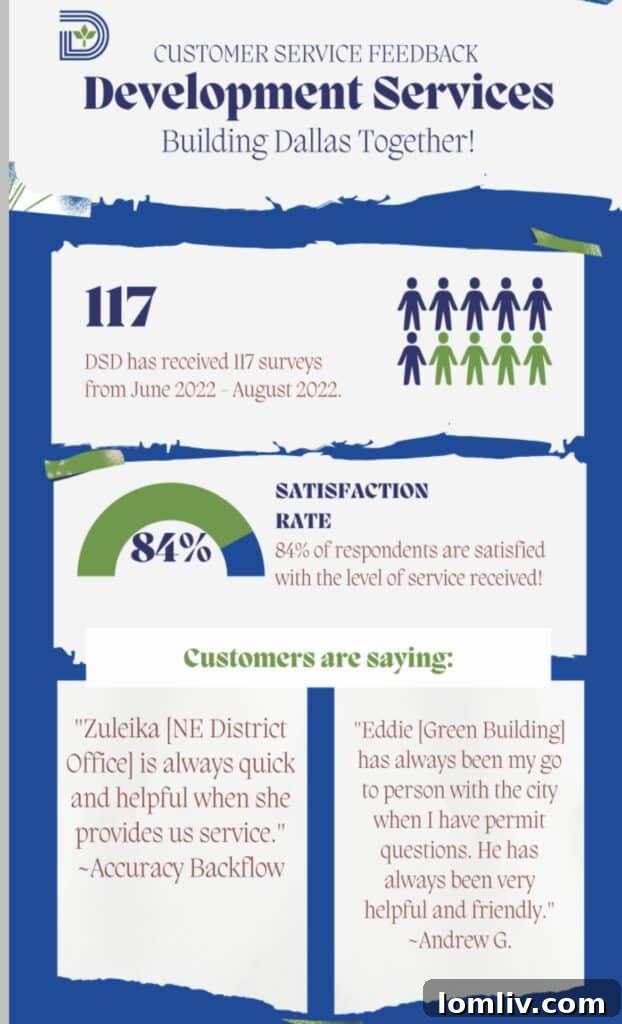
Looking ahead, the department director expressed enthusiasm for the development of a public dashboard. This innovative tool will empower builders to not only monitor review times in real-time but also track the progress of their specific projects through the permitting pipeline. Furthermore, the public will gain unprecedented access to monitor the DSD’s ongoing progress in implementing all 57 recommendations identified by the comprehensive audit. “We’re going to be posting an updated PDF that shows where we are on each of the projects,” Espinoza confirmed, emphasizing a strong commitment to transparency and accountability in the reform process.
In addition to these strategic overhauls, the Development Services Department has actively engaged in more immediate initiatives, such as hosting “pop-up permits” events on the third Saturday of each month. While commendable for their accessibility, Phil Crone noted that these events have not significantly alleviated the large-scale permit backlog for major builders. “The pop-up permitting has not really helped builders, but I know it has been a valuable tool for homeowners and small construction projects,” he explained. He nonetheless praised the city staff for their dedication: “I commend city staff for making themselves available in that way,” acknowledging the importance of diverse service offerings.
Further demonstrating its adaptability and responsiveness, Development Services is poised to expand its highly effective Rapid Single-Family VIP Program in the coming week. Initially launched on September 2nd, the program offered same-day permits by appointment on Mondays, Wednesdays, and Fridays for single-family homes up to 3,000 square feet. The expanded version significantly broadens its scope, now accommodating homes up to 5,000 square feet, and extending appointment availability from Monday through Thursday. This expansion is a direct and strategic response to the pressing demand for faster processing for residential development, crucial for addressing Dallas’s growing housing needs.
Director Espinoza’s philosophy permeates the department’s renewed approach. “I tell our team, ‘We’ve got to engage our customers,’” he articulated, emphasizing the critical shift towards a customer-centric model. “We can’t hide behind our computers. The more we engage, the more we get done. If you work here, you’ve got to care.” This ethos of proactive engagement, transparency, and genuine commitment is designed to rebuild trust, foster collaboration, and ultimately, create a more efficient and effective Development Services Department that truly serves the dynamic needs of Dallas’s thriving construction industry and its residents.