

The real estate landscape across North Texas and the broader state is in constant flux, presenting a dynamic interplay of growth, opportunity, and challenge. From coveted livability rankings to the nuanced prospects for retirees and critical market indicators like foreclosure trends, understanding these shifts is paramount for homeowners, prospective buyers, and investors alike. This comprehensive overview dives into the latest data, spotlighting why certain North Texas cities consistently top national lists, how Texas positions itself as a retirement haven, and what recent shifts in the foreclosure market signal for the state’s economic health. Join us as we explore the crucial insights shaping the Texas real estate narrative today.
North Texas Dominates Niche’s Esteemed List of Best Places to Live
North Texas has once again proven its allure, with multiple cities securing top spots in Niche’s highly anticipated list of the 185 best places to live across the nation. This recognition underscores the region’s commitment to fostering vibrant communities, robust economies, and exceptional quality of life. An impressive four North Texas cities proudly claimed positions within the top 50, with two more landing comfortably within the top 100, showcasing the widespread appeal of the Dallas-Fort Worth metropolitan area and its surrounding suburbs.
Leading the charge was Plano, securing an impressive number 5 ranking. Close behind, Richardson earned the 12th spot, followed by Irving at number 37, and Denton at number 48. These cities exemplify the blend of suburban tranquility and urban amenities that residents increasingly seek. Further solidifying North Texas’s reputation, Dallas came in at number 77, and Arlington at number 81. Even Fort Worth made a notable appearance on the list at number 114, highlighting the diverse living options available throughout the sprawling metroplex.
Delving Deeper into North Texas’s Top-Ranked Cities
- Plano (#5): A Model for Suburban Excellence
Niche highlights Plano as a prime example of suburban living, where a significant majority of residents enjoy homeownership. The city boasts an abundance of restaurants, cozy coffee shops, and expansive parks, contributing to its family-friendly atmosphere. Plano attracts a diverse mix of families and young professionals, who often appreciate its moderate political landscape. A key driver of its high ranking is undoubtedly the exceptional quality of its public schools, which are consistently rated among the best. This combination of strong community, economic opportunity, and educational prowess makes Plano a perennial favorite. - Richardson (#12): The Perfect Blend of Comfort and Opportunity
Much like its neighbor, Richardson also shines with its vibrant culinary scene, numerous coffee shops, and beautiful parks. It serves as a magnet for families and young professionals drawn to its balanced lifestyle and the promise of a thriving community. Residents here, too, tend to hold moderate political views, contributing to a stable and inclusive environment. The highly rated public schools in Richardson further enhance its appeal, making it a desirable location for those prioritizing education and community services. - Irving (#37): A Diverse Urban-Suburban Nexus
Irving presents a slightly different demographic, offering a suburban feel where a substantial portion of residents opt for rental homes. Its dynamic landscape is enriched by a lively array of bars, diverse restaurants, welcoming coffee shops, and green parks. Irving’s proximity to major employment hubs and its cultural diversity appeal strongly to families and young professionals. Niche notes a tendency for residents here to lean liberal, reflecting a broad spectrum of viewpoints. The city’s public schools, rated above average, provide a solid foundation for educational achievement. - Denton (#48): The Collegiate City with a Unique Charm
Denton captures the essence of a vibrant college town intertwined with suburban comfort. Similar to Irving, many residents choose to rent, drawn by the energetic atmosphere fueled by its universities. Denton’s downtown is renowned for its eclectic mix of bars and a strong emphasis on parks and outdoor spaces. It’s particularly popular among young professionals who appreciate its distinctive cultural scene and often lean conservative in their political views. The public school system in Denton is highly rated, adding another layer of desirability for families considering the area.
Beyond North Texas, the state demonstrates broad appeal, with other notable cities making Niche’s list, including Round Rock (19), Austin (20), College Station (29), Houston (51), Lubbock (63), San Antonio (74), Corpus Christi (91), Tyler (106), Wichita Falls (107), Amarillo (108), Abilene (110), McAllen (126), El Paso (127), Midland (132), Waco (136), Odessa (173), Killeen (176), and Beaumont (177). This widespread recognition across various regions solidifies Texas’s reputation as a state offering diverse, high-quality living options for a wide range of preferences.
Source: Niche
Texas’s Standing as a Retirement Destination: A Balanced Perspective
When it comes to retirement, WalletHub’s recent analysis offers a nuanced view of Texas, placing the Lone Star State firmly in the middle of the pack at number 20 among states ranked best to worst for retirees. This position suggests a compelling balance of advantages and areas for potential improvement, making Texas an attractive, yet not universally ideal, option for those planning their golden years.
WalletHub’s methodology typically assesses states across three key dimensions: affordability, quality of life, and healthcare, each comprising multiple metrics. Texas achieved an overall score of 56.85, a testament to its strengths and weaknesses in catering to the needs of its senior population.
Key Takeaways for Retirees in Texas:
- Exceptional Affordability (#5): Texas truly shines in the affordability category, ranking an impressive fifth nationwide. This high standing is largely due to the absence of a state income tax, which can significantly benefit retirees on fixed incomes. While property taxes in some areas can be higher than the national average, the overall cost of living, particularly for goods and services, often remains competitive compared to other popular retirement destinations.
- Quality of Life (#38): Room for Growth
Despite its strong economic appeal, Texas’s quality of life ranking for retirees comes in at 38th. This metric often considers factors like recreational opportunities, cultural attractions, weather, and crime rates. While Texas offers diverse landscapes and vibrant cities, some states might provide a more concentrated array of senior-specific activities or a more temperate climate year-round, contributing to a higher “quality of life” score in this specific context. - Healthcare (#38): A Critical Area for Consideration
Similarly, Texas ranked 38th in healthcare, an undeniably crucial factor for retirees. This ranking might reflect concerns regarding access to specialized medical services in rural areas, healthcare costs not covered by insurance, or the availability of a robust network of elder care facilities and services compared to top-tier states. Prospective retirees should thoroughly research healthcare options in their desired Texas locales. - Demographic Insights: A Younger Population Mix
Interestingly, Texas also noted one of the lowest populations of people aged 65 and older. While this doesn’t inherently deter retirees, it could imply that the state’s infrastructure, services, and community focus might be less tailored specifically to the needs of a large senior demographic compared to states with a higher concentration of retirees. However, it also means a potentially more vibrant and diverse intergenerational community.
Ultimately, Texas offers a compelling proposition for retirement, particularly for those prioritizing affordability. Its diverse cities and regions present varied lifestyles, from bustling urban centers to quieter communities. Potential retirees should weigh these rankings against their personal preferences for climate, community, and specific healthcare needs to determine if the Lone Star State is the right fit for their post-career chapter.
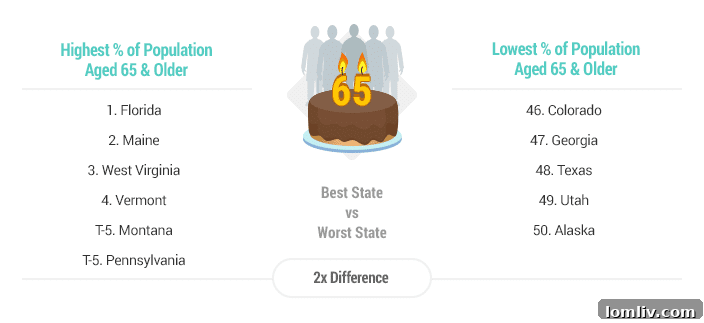
Source: WalletHub
Foreclosures on the Rise in Texas, Contrasting National Trends
The health of the housing market is often gauged by various indicators, and foreclosure rates stand as a critical measure of homeowner stability and economic resilience. Recent data from ATTOM Data Solutions reveals a distinctive trend in Texas, where foreclosure starts are on an upward trajectory, contrasting sharply with the national picture of declining foreclosure activity.
According to ATTOM Data Solutions, foreclosures in Texas experienced a notable 9 percent increase over February of the previous year. This rise signals a potential area of concern for homeowners and stakeholders within the state’s real estate sector. What makes this trend particularly striking is its divergence from the nationwide data, which shows a more optimistic outlook.
Houston Leads the State in Foreclosure Increases
Within Texas, Houston emerged as a significant hotspot for foreclosure activity. The state’s largest city saw a dramatic increase, with foreclosure starts growing by an astonishing 73 percent last year. This substantial jump in Houston warrants close examination, as it can reflect localized economic pressures, such as fluctuations in the energy sector, which heavily influences the Houston economy, or specific challenges within its vast housing market.
Furthermore, Houston was also identified as one of the large metropolitan areas in the U.S. to experience growth in pre-foreclosures. Pre-foreclosures are an early indicator of distress, representing properties that have received a public notice of default but have not yet been scheduled for auction. An increase in this metric suggests a growing number of homeowners are facing difficulties meeting their mortgage obligations, potentially foreshadowing further foreclosure filings.
Texas vs. National Trends: A Tale of Two Trajectories
The national housing market, as reported by ATTOM Data Solutions, presented a healthier image last month. There were 54,783 properties with foreclosure filings nationwide, representing a 3 percent decrease month-over-month and an 11 percent decline year-over-year. This positive national trend underscores that the challenges observed in Texas are not widespread but rather localized or state-specific. The disparity suggests that while many parts of the country are experiencing a robust and stable housing market with fewer foreclosures, Texas may be undergoing its own unique adjustments or facing specific economic headwinds that are impacting homeowner financial stability.
Beyond Texas, a few other states also reported increases in foreclosure starts, indicating that isolated pockets of housing market stress can exist even during periods of national improvement. Florida, Oregon, Louisiana, and Illinois were among these states, each potentially facing unique regional economic or housing market dynamics that contribute to higher foreclosure rates. Nationally, banks repossessed 11,392 properties last month, marking a 7 percent decrease from January and a 12 percent drop from the previous year, further highlighting the localized nature of the Texas foreclosure surge.
Understanding these foreclosure trends is vital for assessing the overall health of the Texas housing market. While the national outlook remains positive, the increases seen in Texas, particularly in Houston, signal the need for continued monitoring and analysis to identify underlying causes and potential broader implications for the state’s real estate landscape.
Source: ATTOM Data Solutions
Conclusion: A Multifaceted Look at the Texas Real Estate Horizon
The Texas real estate market is undeniably dynamic, characterized by diverse strengths and evolving challenges. North Texas continues to solidify its reputation as a premier destination for livability, with cities like Plano and Richardson consistently recognized for their outstanding quality of life, educational excellence, and community amenities. This region’s robust growth and attractive lifestyle make it a magnet for families and young professionals alike.
For retirees, Texas offers a compelling proposition rooted in its affordability, though it presents a mixed bag concerning quality of life and healthcare access when compared to top-tier retirement states. Individual preferences and meticulous planning remain key for those considering the Lone Star State for their golden years.
Meanwhile, the observed uptick in foreclosure starts within Texas, particularly in major metropolitan areas like Houston, serves as a crucial reminder of the importance of localized market analysis. This trend, which diverges from the national decline, signals potential economic shifts or housing market corrections that warrant close attention. As Texas continues its rapid development and population growth, these varied indicators collectively paint a picture of a resilient yet complex real estate environment. Understanding these interwoven dynamics is essential for navigating the opportunities and challenges that lie ahead in the vibrant Texas housing market.