Navigating the Shifting Sands: A Deep Dive into the Midland and Odessa Real Estate Markets
The real estate landscape is perpetually in motion, a dynamic ecosystem influenced by a myriad of economic, social, and environmental factors. For property owners, prospective buyers, and seasoned investors alike, understanding these shifts is paramount. Recent analyses from leading market monitors shed critical light on the future trajectory of two key Texas cities: Midland and Odessa. These insights, while sometimes stark, offer a vital compass for anyone looking to make informed decisions in the Permian Basin’s often-volatile housing sector.
The latest reports from Local Market Monitor paint a concerning picture for Midland, forecasting a significant downturn in home values. Conversely, Odessa appears to be charting a more resilient, albeit cautiously optimistic, course. A comparative examination of these predictions, alongside a broader national context, reveals the complex interplay of forces shaping regional real estate markets today.
Midland’s Real Estate Outlook: A Period of Contraction
For the next twelve months, the real estate market in Midland faces challenging headwinds. Home values are projected to decline by a notable 5 percent within the coming year. This initial decrease sets a cautious tone for what many local market watchers are describing as a period of adjustment for the city’s housing sector. Such a contraction can have wide-ranging implications, affecting everything from property equity to consumer confidence among homeowners. A decline of this magnitude often signals underlying economic pressures or a significant recalibration of supply and demand dynamics within the local housing inventory.
Looking further into the future, the projections for Midland indicate a continued downward trend, albeit at a slower pace. In the second year, home prices are anticipated to decrease by an additional 2 percent. Following this, the third year is expected to see values stabilize, remaining largely unchanged. This three-year forecast suggests that the market may endure a sustained period of depreciation before finding its equilibrium. For current homeowners, this outlook necessitates a careful review of their investment strategies and potential implications for refinancing or selling their properties. Prospective buyers, on the other hand, might view this as an eventual opportunity, though timing their entry will be critical to capitalize on potential bottoming-out prices.
Investment Risk Elevated: Midland Rated “Dangerous”
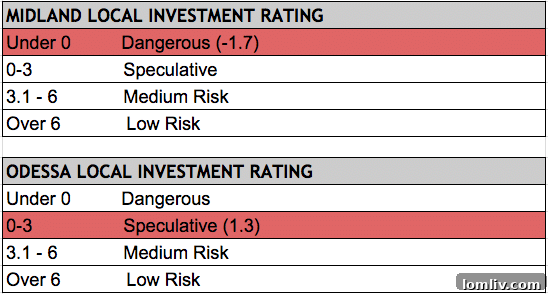
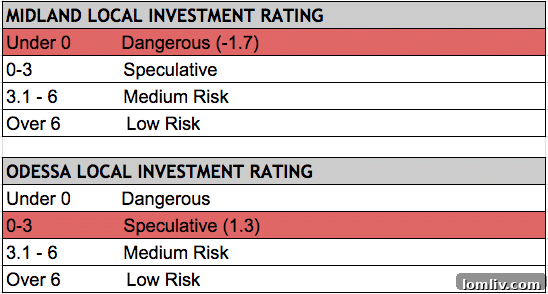
Perhaps the most alarming finding from these recent reports is the assessment of investment in Midland real estate as “dangerous.” Awarded a stark score of -1.7 on a scale of 1 to 10, this classification signals a heightened level of risk for those considering property investments in the city. This ‘dangerous’ rating is a significant red flag, suggesting that the current market conditions present substantial challenges and potential for capital loss. Factors contributing to such a low score typically include severe market imbalances, economic dependency on volatile industries, and a lack of diversification in the local economy, all of which are pertinent to the Permian Basin.
This negative assessment marks a dramatic shift from just three years prior, when both Midland and Odessa were comfortably categorized under the “low risk” investment bracket. The rapid deterioration in Midland’s investment profile underscores the profound impact that external economic forces, particularly fluctuations in the energy sector, can have on regional housing markets. The city’s strong historical ties to oil and gas exploration, while fueling past booms, now appear to be contributing to its current vulnerability. Investors are advised to exercise extreme caution and conduct thorough due diligence before committing resources to this market, carefully weighing the potential for recovery against immediate depreciation.
Odessa’s Real Estate Trajectory: A Speculative Ascent
In contrast to its twin city, Odessa’s real estate market appears poised for a more favorable, albeit cautious, trajectory. Home values in Odessa are predicted to modestly increase by 2 percent over the next 12 months. This positive forecast, while not indicative of a booming market, suggests a degree of resilience and underlying strength compared to Midland’s projected decline. For Odessa residents and property stakeholders, this upward trend offers a glimmer of stability and potential growth in property equity, providing a sense of reassurance in an otherwise fluctuating regional economy.
The positive momentum is expected to continue into the subsequent years. In the second year, prices are forecast to rise by 1 percent, followed by a 2 percent increase in the third year. This consistent, albeit incremental, growth trajectory positions Odessa as a market with steady, albeit not explosive, appreciation potential over the medium term. Such a pattern can be attractive to investors seeking gradual capital gains and a relatively stable market environment within the broader Permian Basin, distinguishing itself through slower, more sustainable growth.
Odessa’s Investment Status: Navigating “Speculative” Territory
Despite the positive price forecasts, Odessa’s investment rating places it in the “speculative” category, with a score of 1.3 on the 1 to 10 scale. While significantly better than Midland’s “dangerous” label, this classification still implies a degree of uncertainty and risk. A “speculative” market suggests that while there are prospects for gains, these come with higher volatility and are often contingent on specific economic conditions or future developments. It is a market where careful analysis and a tolerance for risk are essential, requiring investors to be particularly discerning and forward-thinking.
The shift from “low risk” to “speculative” for Odessa, much like Midland’s more severe downgrade, highlights the changing dynamics of the regional economy. Even with projected growth, the market remains sensitive to external factors, particularly the performance of the energy sector which underpins much of the region’s prosperity. Investors considering Odessa should weigh the potential for returns against the inherent unpredictability that characterizes a speculative environment. Diversification and a clear understanding of market drivers are crucial in this context, especially when making long-term investment commitments.
National Real Estate Trends: A Broader Perspective
To fully appreciate the localized forecasts for Midland and Odessa, it is essential to consider them within the context of national real estate trends. Across the United States, home prices are broadly predicted to increase by an average of 4.9 percent. This national figure represents a healthy growth trajectory, driven by factors such as persistent housing demand, limited inventory in many major metropolitan areas, and historically low, though gradually rising, interest rates. These macro-level influences often create a stable upward trend that many local markets benefit from.
The divergence between the national trend and the specific forecasts for Midland and Odessa is stark. While the nation anticipates robust growth, Midland is bracing for a significant downturn, and Odessa expects only modest increases that fall below the national average. This disparity underscores the highly localized nature of real estate markets. Macroeconomic factors influence the national picture, but regional economies, industry reliance, and unique supply-demand dynamics ultimately dictate local performance. The Permian Basin’s heavy reliance on the cyclical oil and gas industry is a prime example of a regional factor that can cause significant deviation from national trends, demonstrating how insulated local markets can be from broader movements.
Understanding the Drivers: Why the Divergence?
The contrasting fortunes of Midland and Odessa, and their collective divergence from national trends, can be attributed to several key drivers. The most prominent among these is the pervasive influence of the oil and gas industry. The Permian Basin is a global energy hub, and its economic prosperity is intrinsically linked to global energy prices. Periods of high oil prices typically translate into economic booms for these cities, attracting workers, boosting demand for housing, and driving up property values. Conversely, a downturn in oil prices can quickly lead to job losses, reduced demand, and a contraction in the housing market, creating a boom-and-bust cycle that directly impacts real estate.
Beyond energy prices, local employment figures play a crucial role. Job growth attracts new residents and increases purchasing power, fueling housing demand. Conversely, job losses can lead to outward migration and a surplus of available properties. Population dynamics, including both natural growth and migration patterns, are also critical. A shrinking or stagnant population can depress housing demand, regardless of broader economic indicators. These demographic shifts are often direct consequences of the health of the dominant industries.
Moreover, local housing supply and demand dynamics are essential. Rapid overbuilding during boom times can create an excess of inventory that struggles to be absorbed during a subsequent downturn, exacerbating price declines. Conversely, a constrained supply in a growing market can lead to rapid price appreciation. Interest rates also indirectly influence local markets by affecting affordability and the cost of borrowing for both homebuyers and developers. Local government policies, infrastructure development, and diversification efforts (or lack thereof) further shape the long-term resilience and attractiveness of a real estate market, potentially mitigating or amplifying the effects of commodity price volatility.
Strategies for Investors and Homeowners in Volatile Markets
In markets characterized by uncertainty, such as Midland and Odessa, adopting prudent strategies becomes paramount for both homeowners and potential investors. Navigating these environments successfully requires foresight and a deep understanding of local nuances.
For Homeowners:
- Monitor Market Trends: Stay updated on local forecasts and economic indicators that could impact your property’s value. Proactive monitoring can help in making timely decisions.
- Assess Equity: Regularly understand your current equity position and potential risks. This knowledge is crucial for making decisions about selling, refinancing, or making home improvements.
- Long-Term Perspective: For those not needing to sell immediately, riding out a downturn might be the best strategy, provided financial stability allows. Real estate markets are often cyclical, and patience can yield rewards.
- Maintenance and Upgrades: Keep properties well-maintained and consider strategic upgrades to preserve value and enhance marketability, even in a declining market. A well-kept home always stands out.
For Investors:
- Thorough Due Diligence: Research specific neighborhoods, property types, and rental market dynamics meticulously. Understanding micro-market trends within a city can reveal hidden opportunities or risks.
- Diversification: Avoid putting all capital into one specific market or property type, especially in speculative areas. Spreading investments can mitigate risk.
- Cash Flow Focus: In declining or uncertain markets, properties that generate strong rental income can provide stability and help weather periods of lower appreciation.
- Long-Term Vision: Consider the long-term potential of the region, understanding that real estate is often cyclical. Short-term fluctuations may obscure long-term growth prospects.
- Professional Advice: Engage with local real estate agents, financial advisors, and market analysts who have deep expertise in the Permian Basin. Their insights can be invaluable in making informed investment choices.
Conclusion: Informed Decisions in a Changing Landscape
The detailed forecasts for Midland and Odessa underscore the critical importance of localized market analysis. While the national real estate market may project continued growth, specific regional economies, heavily influenced by industries like oil and gas, can diverge significantly. Midland’s “dangerous” rating and projected declines serve as a potent reminder of market volatility, while Odessa’s “speculative” growth offers a nuanced view of resilience amidst regional challenges.
For anyone involved in the Permian Basin real estate, these reports are not just predictions but a call to action for informed decision-making. Whether you are a homeowner considering your next move, a first-time buyer seeking opportunity, or an investor weighing risks and rewards, a comprehensive understanding of these localized trends is indispensable. The future of Midland and Odessa’s real estate will continue to be a fascinating study in economic adaptation and market dynamics, demanding vigilance and strategic thinking from all participants. For more in-depth analysis, readers can explore additional resources at MidlandDirt.com.