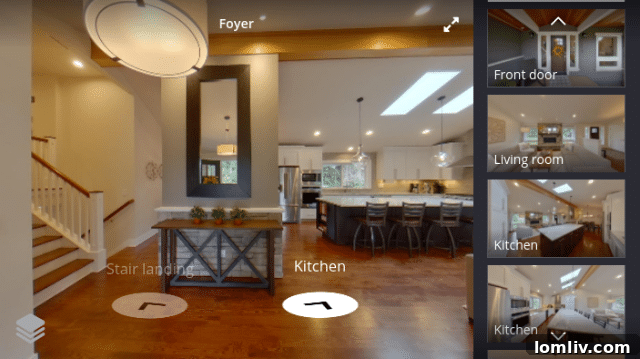
The landscape of real estate has undergone a profound transformation, particularly in how properties are showcased to prospective buyers. Not long ago, real estate agents considered simple photo slideshows the pinnacle of digital property marketing. Virtual home tours were then seen as a convenient extra, a pleasant amenity rather than an essential tool. However, the unprecedented challenges of recent years, including city-wide restrictions on physical open houses to mitigate public health risks, rapidly accelerated the adoption of immersive virtual experiences. This shift wasn’t merely a temporary workaround; it marked a fundamental change in buyer expectations and industry practices, elevating virtual home tours from a nicety to an absolute necessity.
This paradigm shift is clearly reflected in online behavior. Between March and April of a pivotal year, Google searches for “virtual home tour” skyrocketed by an astonishing 117 percent across the nation. This surge underscored the urgent need for new methods of property viewing when traditional open houses became impractical or prohibited by state and local governments. As a result, real estate professionals quickly adapted, seeking innovative ways to present homes to an eager market that was increasingly relying on digital solutions.
Indeed, “virtual home tour” is a wonderfully broad term, encompassing a wide array of digital experiences. From basic video walkthroughs that offer a guided perspective to sophisticated interactive tools that empower potential buyers to explore a property at their own leisure, the spectrum of options is vast. Each type of tour serves a unique purpose, providing varying degrees of immersion and detail. Understanding these distinctions is crucial for agents looking to leverage the full potential of virtual technology to attract and engage buyers effectively.
Embracing the Virtual Revolution: Why Virtual Home Tours Are Essential
The transition to virtual home tours was driven by a confluence of factors, making them indispensable for modern real estate transactions. Beyond mere convenience, these tours offer significant benefits to both buyers and sellers, streamlining the process and enhancing accessibility. For buyers, the ability to tour properties from anywhere, at any time, removes geographical barriers and time constraints, allowing them to pre-qualify homes more efficiently before committing to a physical visit. For sellers, virtual tours significantly broaden the audience reach, potentially attracting buyers from out of town or those with limited availability, leading to more competitive offers and faster sales cycles.
The Broad Spectrum of Virtual Tour Technologies
The term “virtual home tour” itself can be quite vague, covering everything from simple video presentations to advanced interactive 3D models and fully immersive virtual reality experiences. To truly harness their power, real estate agents and brokerages need to understand the different technologies available and how each can be best utilized to showcase a property.
1. Video Walkthroughs
These are perhaps the most straightforward form of virtual tour, typically involving a filmed journey through a property, often narrated by the agent. While not interactive, high-quality video walkthroughs can effectively convey the flow and feel of a home, highlighting key features and providing a personal touch. They are easy to produce and widely shareable, making them an excellent entry point for agents new to virtual marketing.
2. 360-Degree Photo Tours
Building on static images, 360-degree photo tours allow viewers to pan around a spherical image of each room, offering a comprehensive view from a fixed point. While more immersive than traditional photos, they typically lack the ability to move freely through the space, providing a series of panoramic snapshots rather than a continuous journey.
3. Interactive 3D Home Tours (Matterport, Zillow 3D Home)
These are arguably the most impactful and widely adopted form of virtual tour today. Utilizing specialized cameras and software, these tours create a complete, navigable 3D model of a property. Viewers can digitally walk through rooms, zoom in on details, and even see a “dollhouse” view or floor plan. This level of interaction allows buyers to get an incredibly accurate sense of the space and layout, mimicking a physical walkthrough more closely than any other digital format.
4. Virtual Reality (VR) Tours
Representing the cutting edge, VR tours take immersion to the next level. With a VR headset, users can experience a property as if they are physically present, offering an unparalleled sense of space and depth. While still a niche technology due to hardware requirements, VR holds immense potential for high-end luxury properties and future real estate marketing, providing the most realistic virtual experience possible.
Leading Technologies in Virtual Home Tours
Zillow 3D Home: Democratizing Virtual Property Showings
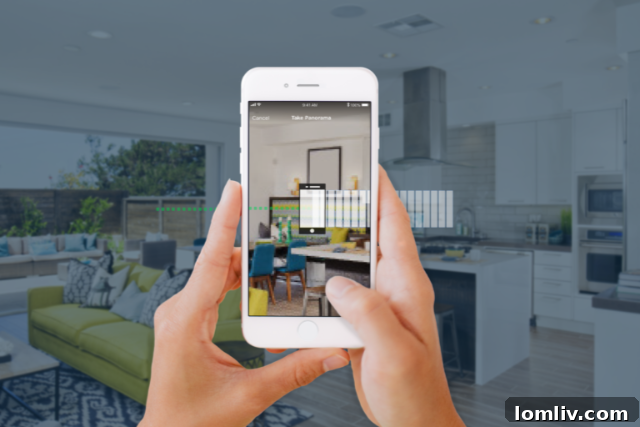
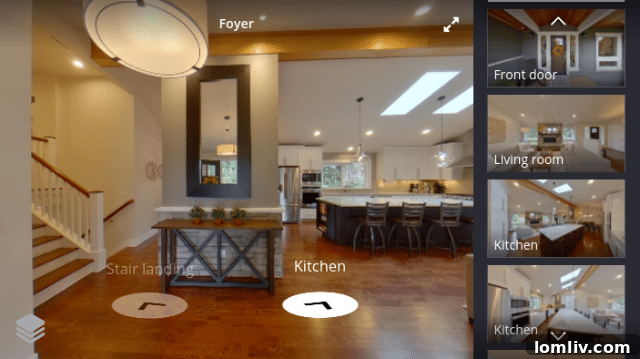
Zillow has played a pivotal role in making virtual home tours accessible to a broader audience of real estate agents. Their free mobile app empowers listing agents to create high-quality 3D virtual home tours using just a smartphone. While a tripod is recommended for optimal stability and results, the simplicity of the tool means virtually any agent can produce a navigable 3D tour without significant upfront investment in specialized equipment or professional services.
The effectiveness of Zillow 3D Home was evident during its initial rollout. Dallas was among 11 test markets in 2018, demonstrating the technology’s potential. Following a successful pilot, Zillow expanded this complimentary service to all markets in 2019. A significant advantage of Zillow’s offering is its integration with the company’s vast network. Since Zillow acquired Trulia in 2015, 3D Home tours created through the app automatically appear on both popular listing sites, dramatically increasing visibility. Furthermore, these tours can be easily shared across social media platforms and to Multiple Listing Services (MLS) via an unbranded video link, ensuring maximum exposure for properties.
For real estate agents enrolled in the Zillow Premier Agent program, the capabilities extend even further. The app supports integration with advanced 360-degree cameras such as the Ricoh Theta V (retailing around $380) and the high-end Ricoh Theta Z1 (approximately $1,000). These specialized cameras are designed to capture 360-degree imagery with superior clarity and detail, allowing Premier Agents to produce even more professional and immersive tours, further enhancing their listings’ appeal.
Matterport: The Gold Standard for Immersive 3D Experiences
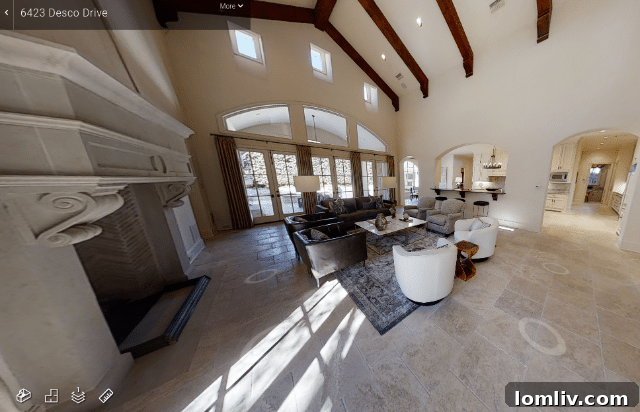
Matterport stands as a recognized leader in creating highly detailed and immersive 3D virtual tours. Historically known for professional-grade scanning, Matterport made a significant move towards broader consumer access in 2019 by opening its platform to consumer-grade cameras and adjusting its pricing structure. This strategic shift made its powerful 3D rendering capabilities more accessible to a wider range of real estate professionals.
Using compatible 360-degree cameras like the Ricoh Theta V and the Insta360 ONE X (typically retailing around $400), Matterport’s sophisticated Cloud 3.0 platform can process captured imagery to generate a comprehensive 3D rendering of a property. This includes not only the interactive 3D tour but also valuable supplementary marketing assets such as high-definition images, floor plans, and even short video clips derived from the 3D model. This versatility provides agents with a robust suite of tools to enhance their marketing materials across various channels, presenting properties in the most engaging light possible.
Other Innovative Virtual Tour Platforms
Beyond Zillow and Matterport, the market for virtual home tour technology is rich with innovation. Several other sites and platforms offer compelling solutions, particularly in the realm of Virtual Reality and 360-degree experiences. These include providers like LiveTour by iStaging, EYESPY360, My360, Kuula, and RoundMe. Each offers unique features, ranging from guided live tours to customizable interactive panoramas, providing agents with a diverse toolkit to match their specific needs and budget. The continuous development in this space ensures that real estate professionals have an ever-expanding array of options to present properties virtually, catering to evolving buyer demands.
Local Brokerages Leading the Charge in Dallas-Fort Worth
In challenging market conditions, local brokerages have risen to the occasion, proactively arming their agents with the necessary technology and support to thrive. The Dallas-Fort Worth real estate market, known for its dynamic nature, has seen several prominent firms embrace and excel in virtual home tour adoption, ensuring their clients continue to receive top-tier service.
Allie Beth Allman and Associates: Elevating Luxury Online
Allie Beth Allman and Associates, a distinguished leader in Dallas’s luxury home market, successfully transitioned their highly anticipated spring home tour online, yielding stellar results. This initiative provided an exceptional opportunity for an active buying community to explore an impressive collection of homes.
Their dedicated website now features over 50 high-quality home video tours, strategically categorized by major upscale neighborhoods. Prospective buyers can virtually explore properties in coveted areas such as Park Cities, Preston Hollow, Uptown/Downtown, East Dallas, and Southlake. Additionally, a sixth collection expands this virtual showcase to homes in extended areas ranging from Frisco to East Texas, demonstrating their expansive reach and commitment to digital innovation. To experience these and hundreds more homes, visitors are directed to abavideohometours.com, highlighting a centralized hub for their virtual offerings.
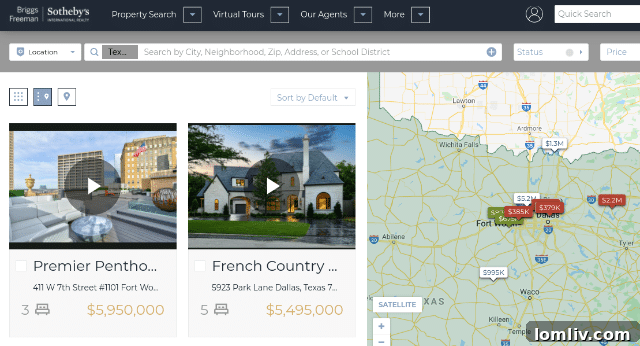
Briggs Freeman Sotheby’s International Realty: A Pioneer in Digital Showcasing
Briggs Freeman Sotheby’s International Realty has solidified its position at the forefront of digital real estate by launching an entire division of its revamped website dedicated exclusively to video and virtual reality tours. This strategic investment underscores their commitment to providing cutting-edge solutions for their discerning clientele.
By simply clicking on the “Virtual Tours” tab on briggsfreeman.com, prospective buyers are transported to a curated selection of exquisite residences and ranches. Each property can be explored through immersive video presentations and/or advanced virtual reality experiences, allowing viewers to delve into every detail of a home’s interior and exterior. The platform is designed for user-friendliness, enabling visitors to navigate through rooms at their own pace and revisit areas of interest as many times as they wish. Furthermore, Briggs Freeman Sotheby’s is continuously expanding this dedicated section, regularly adding new properties with virtual tours to ensure their listings remain dynamic and engaging.
Beyond the enhanced virtual tour capabilities, their new site also boasts improved property pages, comprehensive neighborhood hubs, updated agent profiles, and an engaging blog, all contributing to a richer online experience for buyers and sellers alike.
Ebby Halliday Companies: Prioritizing Safety and Service through Virtual Solutions
The Ebby Halliday Companies, a formidable group encompassing Ebby Halliday Realtors, Dave Perry-Miller Real Estate, and Williams Trew, has been a steadfast advocate for public health and safety, particularly during periods requiring social distancing. In response, they have strongly encouraged their extensive network of real estate agents to prioritize and utilize virtual tours as a primary method of showcasing properties, ensuring continuity of service while safeguarding community well-being.
Their commitment to virtual solutions is prominently featured on their main website. On Ebby.com, visitors can easily access a dedicated “Videos” section via the top navigation bar. This section presents a comprehensive collection of listings from across the Ebby Halliday Companies portfolio that feature detailed walkthrough videos. These videos provide an excellent preliminary viewing experience, allowing potential buyers to gain a strong understanding of a property’s layout and ambiance before scheduling a physical visit. This strategic approach highlights their dedication to leveraging technology for client convenience and safety.
The Tangible Impact: Virtual Tours Drive Faster Sales and Higher Prices
The benefits of integrating virtual tours into real estate marketing are not merely anecdotal; they are backed by compelling data. Matterport released the results of an independent study in February, unequivocally demonstrating the commercial advantages. The study revealed that homes marketed with 3D tours sold an impressive 31 percent faster and commanded prices 9 percent higher than comparable listings without virtual tours. This significant difference underscores the power of immersion and accessibility in attracting serious buyers.
Zillow’s internal data echoes and even amplifies these findings, indicating an even greater advantage for properties utilizing their 3D Home tours. According to Zillow, 46 percent of homes featuring Zillow 3D Home tours sold within a mere 30 days, compared to only 38 percent of listings that did not incorporate this technology. This robust evidence from two industry giants firmly establishes virtual tours as a crucial competitive differentiator, not just a marketing gimmick.
The reasons behind these impressive statistics are multi-faceted. Virtual tours help pre-qualify buyers by allowing them to thoroughly explore a property from the comfort of their home. This means that when a buyer requests a physical showing, they are often more serious and further along in their decision-making process. Moreover, the enhanced transparency and comprehensive view provided by virtual tours build trust and confidence, enabling buyers to envision themselves in the space more easily, which can translate into quicker, more decisive offers.
Best Practices for Maximizing Your Virtual Tour’s Effectiveness
While the benefits of virtual tours are clear, their full potential is unlocked when integrated strategically into a broader marketing plan. One particularly helpful tip, emphasized by Zillow, is crucial: “Virtual tours should never be done in lieu of professional photography — photos are still a crucial part of every online listing. Rather, 3D tours are used to complement your home’s other marketing efforts, driving more interest and helping your home stand out among other listings.” This advice highlights a key best practice: virtual tours are an enhancement, not a replacement.
To maximize the impact of your virtual tours, consider these essential practices:
- Professional Photography is Foundation: Always start with high-quality, professional still photography. These images are often the first impression a buyer has and are essential for MLS listings and property brochures.
- High-Quality Production: Whether using a smartphone app or a professional 360-camera, ensure the virtual tour is well-lit, free of clutter, and offers clear navigation. A shaky video or pixelated 3D tour can do more harm than good.
- Strategic Staging: Just as with physical showings, staging a home before a virtual tour can significantly enhance its appeal. A well-staged home appears more spacious, inviting, and helps buyers visualize its potential.
- Comprehensive Descriptions: Pair your virtual tour with detailed property descriptions that highlight unique features, upgrades, and neighborhood amenities. The tour shows, the description tells.
- Widespread Distribution: Share your virtual tours across all possible channels: your website, social media, email campaigns, and especially the MLS and major real estate portals like Zillow and Trulia. The wider the reach, the more potential buyers you attract.
- Clear Calls to Action: Encourage viewers to take the next step, whether it’s scheduling a physical showing, contacting the agent for more information, or requesting a personalized follow-up.
The Future of Real Estate is Immersive and Accessible
The acceleration of virtual home tour adoption is not a fleeting trend; it represents a fundamental and permanent shift in the real estate industry. As technology continues to evolve, we can anticipate even more sophisticated and integrated virtual experiences. Imagine AI-driven virtual staging, personalized tour paths based on buyer preferences, and even fully interactive virtual open houses where multiple prospective buyers can explore a property together with a live agent, all from the comfort of their own homes. The future of real estate is poised to be more immersive, more accessible, and more efficient than ever before, with virtual tours remaining at its core.
Conclusion: Virtual Home Tours – The New Standard
From being a niche offering, virtual home tours have rapidly ascended to become an indispensable tool in the real estate agent’s arsenal. Driven by evolving market demands and technological advancements, they offer unparalleled convenience, extended reach, and a truly immersive experience for potential buyers. As demonstrated by leading platforms like Zillow and Matterport, and championed by innovative brokerages such as Allie Beth Allman, Briggs Freeman Sotheby’s, and Ebby Halliday Companies, these tours not only attract more serious inquiries but also demonstrably contribute to faster sales and higher property values.
Embracing and mastering virtual tour technology is no longer optional; it is a critical component of success for any forward-thinking real estate professional. By understanding the various types of tours, leveraging the best available technologies, and adhering to strategic best practices, agents can effectively captivate a wider audience, streamline the selling process, and ultimately deliver superior results for their clients in an increasingly digital world. The era of the virtual home tour is here to stay, reshaping how we buy and sell homes for good.