

The landscape of urban development in Dallas is currently marked by significant controversy, as two proposed housing projects, seeking crucial funding and tax incentives through the Dallas Public Facility Corporation (PFC), have ignited a fiery debate among local residents and City Council members. These developments, designed to address the city’s pressing need for affordable housing, have instead become flashpoints for discussions surrounding transparency, community engagement, and the long-term fiscal health of Dallas.
At a recent Dallas PFC Board of Directors meeting held on Tuesday, a robust turnout of 11 residents voiced their deep-seated concerns, with many outright opposing these contentious projects. The core of the dispute revolves around a unique funding mechanism: developers are granted an extraordinary 75-year tax-free lease on the properties in exchange for incorporating affordable housing units into their plans. While ostensibly beneficial for increasing housing accessibility, critics argue that this model comes at a steep cost to the city’s tax base and local services.
Both high-profile developments—Ojala Partners’ ambitious Standard Silver Line proposal and Sycamore Strategies’ equally significant project at Cypress Creek and Forest Lane—faced intense scrutiny. Consequently, the board decided to defer decisions on both proposals to their subsequent meeting, scheduled for March 28. This deferral underscores the complexity and the profound level of public and political opposition these projects have generated, highlighting the growing unease with how such large-scale developments are negotiated and implemented within the city.
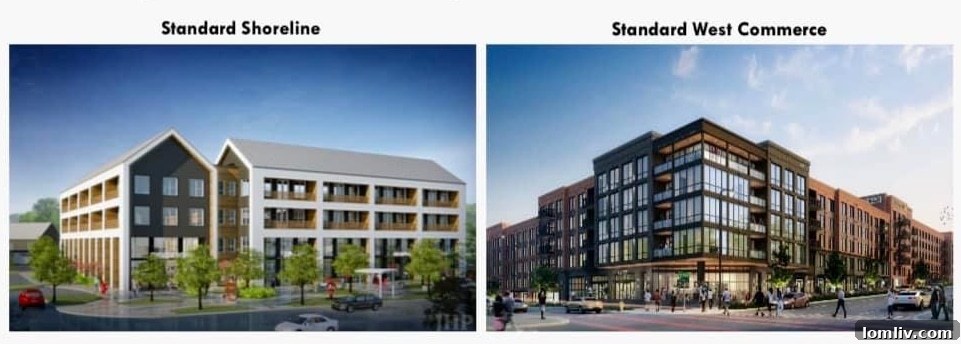
Transparency Troubles: Roadblocks to Public Engagement on Dallas Public Facility Corporation Projects
The level of opposition at the Dallas PFC Board meeting would likely have been even greater had it not been for significant accessibility issues that plagued the virtual proceedings. Many concerned citizens who attempted to join the online video conference found the provided link to be non-functional for a substantial portion of the meeting. This critical error persisted for three hours into what was a four-hour session, effectively locking out numerous stakeholders from participating in discussions about projects directly impacting their communities. A daltxrealestate.com reporter, who managed to access the meeting by phone, corroborated these issues, relaying accounts from several interested parties who found the advertising and overall accessibility of the meeting to be severely lacking in transparency.
Further exacerbating the challenges of meaningful public engagement was the disjointed nature of the meeting itself. Attendees reported difficulty in providing informed commentary, primarily because speakers often failed to clearly identify themselves, and crucial developer presentations—which would have offered visual context and detailed information—were inexplicably unavailable for public viewing. This combination of technical failures and procedural shortcomings has fueled accusations that the public engagement process for these Dallas Public Facility Corporation projects has been less than robust, undermining the democratic principle of informed community participation in urban planning decisions.
Councilwoman Cara Mendelsohn Challenges PFC Exemptions in District 12
Adding a significant political voice to the growing chorus of opposition, District 12 Councilwoman Cara Mendelsohn launched a fervent campaign against the Standard Silver Line proposal in her district, just prior to Tuesday’s PFC board meeting. This project, spearheaded by Ojala Partners—a developer with two already-approved PFC projects in its Dallas portfolio—has become a prime example of the contentious nature of these tax-exempt developments. Mendelsohn articulated her profound concerns, particularly focusing on the long-term financial implications for the city and its residents.
“This project would effectively remove city, county, and school district taxes from the tax rolls for an astonishing 75 years,” Mendelsohn asserted, referring to the Standard Silver Line proposal. She emphasized the paradox inherent in such a long-term exemption, noting, “Even as more children would require educational services, and this specific area is already earmarked for additional resources from the city due to existing needs, we are giving up vital tax revenue. How can we realistically afford to pay for essential services when we deliberately relinquish such a significant portion of our tax base?” Her questions highlight the critical dilemma Dallas faces in balancing development incentives with the imperative to adequately fund public services.
The two Public Facility Corporation projects that have ignited the most intense public fury and political scrutiny include:
- Standard Silver Line: A collaborative effort with Ojala Partners, slated for redevelopment at 7825 McCallum Blvd., aiming to significantly increase housing density.
- Cypress Creek at Forest Lane: A partnership with Sycamore Strategies, proposed for the strategic location of 11520 North Central Expressway, drawing criticism for its controversial history and perceived lack of transparency.
A complete video stream of Tuesday’s highly anticipated board meeting is expected to be made available to the public on Thursday, allowing a broader audience to review the proceedings and arguments presented.
Standard Silver Line: Debating Affordability and Safety in a High-Need Area
Councilwoman Mendelsohn has been at the forefront of rallying public opposition against the Standard Silver Line project, proposed for McCallum Boulevard near Coit Road. The development plan outlines a substantial redevelopment of an existing apartment complex, expanding it from its current capacity of less than 500 units to approximately 700 units. While the stated goal is to provide affordable housing, Mendelsohn critically questions the premise of the project.
“It is already considered affordable housing,” Mendelsohn pointed out, challenging the necessity of the PFC designation. She posed a fundamental question regarding the PFC’s mission: “Isn’t the goal of the Public Facility Corporation to introduce affordable units in areas where such housing currently doesn’t exist or is severely lacking, rather than redeveloping existing affordable stock?” This argument suggests that the project might not be fulfilling the PFC’s intended purpose of expanding affordable housing access in underserved areas, but rather altering an existing community dynamic.
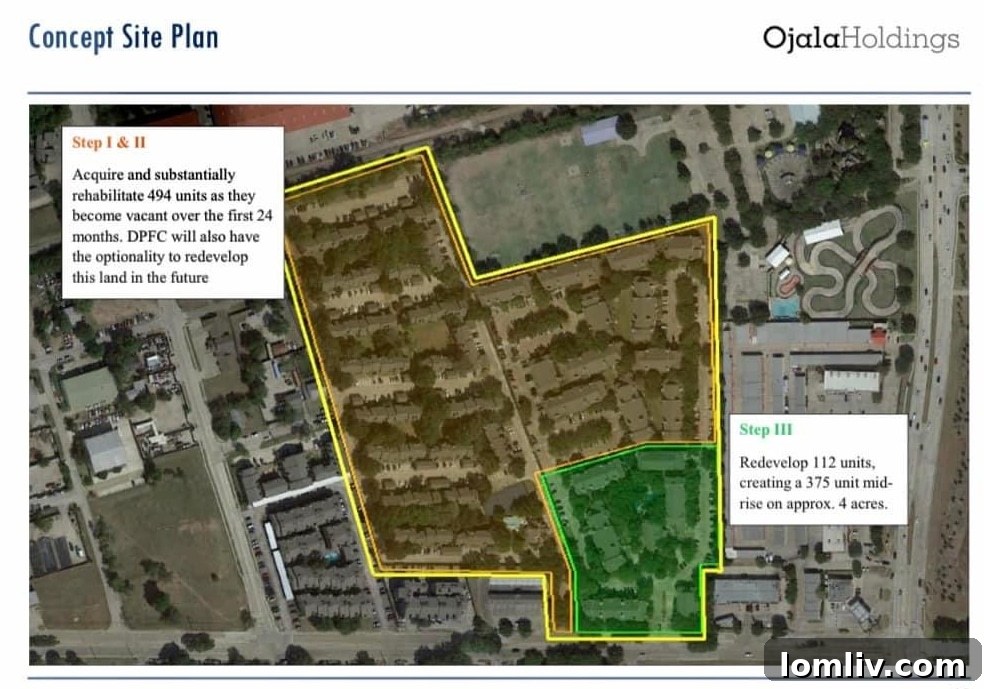
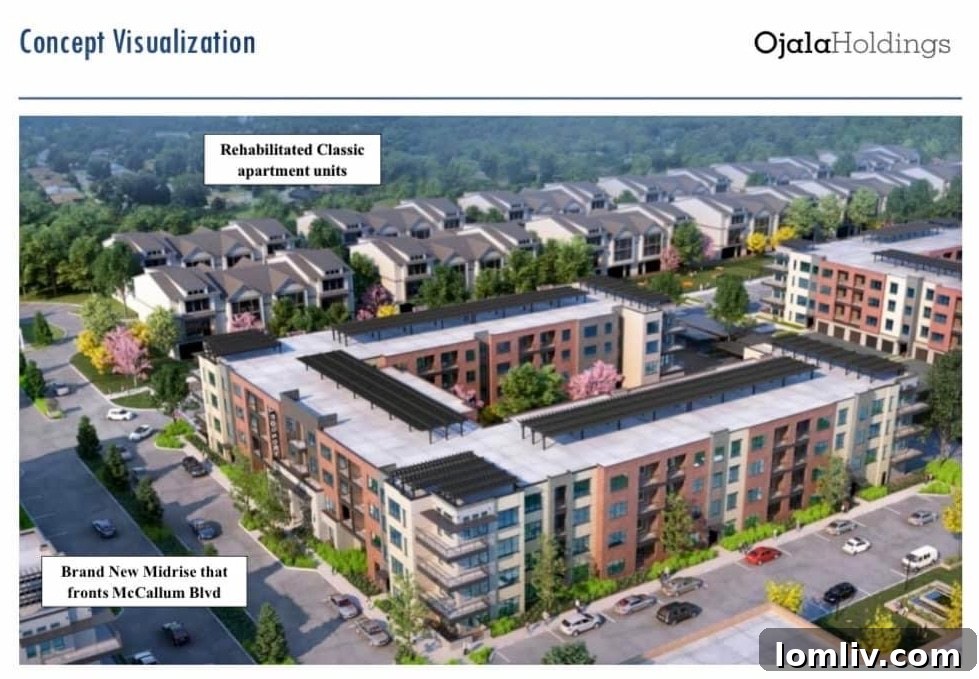
Beyond the affordability aspect, Mendelsohn has also raised serious concerns about public safety. She highlighted that the proposed development site is situated in one of the highest crime areas within District 12, according to Dallas Police Department statistics. This information leads to another critical query from the councilwoman: “Isn’t the PFC’s primary objective to place affordable units in areas that are not only accessible but also safe for residents?” Her questioning underscores a broader debate about responsible urban planning and the well-being of future tenants.
She further elaborated on the socioeconomic context of the area, stating, “This location falls within a federally qualified U.S. Census tract, specifically identified for its high concentration of low-income residents and single mothers. There is already a strong concentration of poverty in this vicinity, and increasing the number of units without commensurate improvements in safety and infrastructure risks making the area less safe and less desirable for its current and future inhabitants.” These comments emphasize the potential for unintended negative consequences on an already vulnerable community.
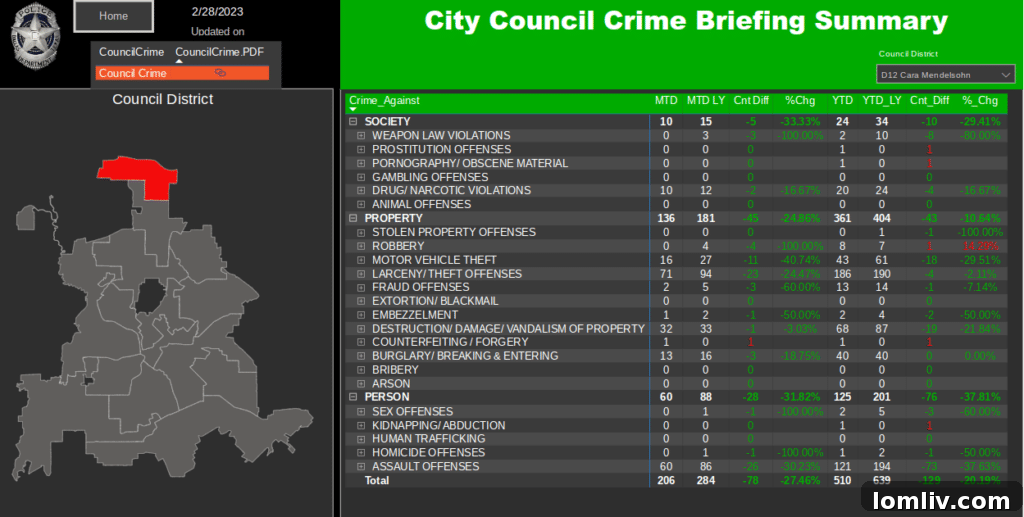
Mendelsohn also detailed the lack of tangible benefits for the community. On her social media pages, she highlighted that the proposal offers no new transportation benefits and no additional amenities to an area that, she argues, already struggles with a “massive concentration of affordable housing.” Perhaps most controversially, she revealed a critical financial discrepancy: “The current rent at this complex IS ACTUALLY LESS than what is being proposed under the new development model.” This revelation suggests that the project, far from expanding affordability, could inadvertently make housing less accessible for current residents, while simultaneously depriving the city, county, and school district of desperately needed property taxes for the next seven decades.
Cypress Creek at Forest Lane: Unraveling a “Shady and Surreptitious” Dallas Development
Sycamore Strategies’ proposal for Cypress Creek at Forest Lane has similarly drawn fierce criticism, particularly from District 10 Councilman Adam McGough. In a scathing memo issued on February 24, McGough unequivocally labeled the project as “shady and surreptitious,” casting a long shadow over its legitimacy and the process by which it has advanced. His strong condemnation reflects a deeper frustration with perceived procedural irregularities and a lack of community involvement.

McGough articulated his grave disappointment, stating, “From the very genesis of this project, its handling has deviated significantly from normal procedure and has conspicuously lacked the essential element of community engagement.” He went on to express his distress at reports that the city manager had directed staff to push the project forward without adequate consultation with the council representative for the district or the affected community. “The community has been systematically excluded and disrespected from the outset,” McGough emphasized. “That is precisely why there was such vast and vociferous opposition to this very project two years ago.”
Indeed, this project’s contentious history dates back to two years ago. Despite Councilman McGough’s initial opposition, the development was controversially approved in 2021. However, progress was subsequently stalled when it was discovered that existing deed restrictions explicitly prohibited residential construction on the site—a significant legal impediment. To circumvent this, developers have proposed a novel and intricate workaround: the land would be sold to the City of Dallas, then leased back, tax-free, from the Dallas Public Facility Corporation, thereby paving the way for the development and management of the project. This complex maneuver has only intensified suspicions regarding the project’s legitimacy. Developers, for their part, argued at Tuesday’s meeting that an urgent timeline is critical, as federal tax credits associated with the project are set to expire next year, adding another layer of pressure to the proceedings.
William Roth, who owns an office building immediately adjacent to the disputed property, voiced his strong opposition during Tuesday’s meeting. He specifically criticized what he views as poor public policy, arguing that the city is disregarding long-standing property rights that have been firmly in place since the 1970s. This highlights a critical tension between the city’s development goals and the protection of existing property interests.
McGough’s Unwavering Stance: Demanding Transparency from the PFC Board and City Management
Councilman Adam McGough delivered a powerful address to the Dallas PFC board on Tuesday, reiterating his firm opposition and demanding immediate action to rectify the perceived lack of transparency. He outlined his ongoing efforts to uncover additional details, stating, “As of this moment, I understand that the city manager is actively working on a process to add this item to an upcoming Housing and Homelessness Solutions Committee meeting agenda, and subsequently to a full-council agenda. This is happening even after I explicitly requested that Chairman [Casey] Thomas refrain from placing an item on the agenda about which the community has not been adequately informed.”
“This appears to be yet another deceitful slight to this community by city management and staff. All involved should, at the bare minimum, immediately pause all ongoing discussions until the surrounding communities, including Hamilton Park and Northwood Estates, along with other critical stakeholders, are engaged in a truly meaningful and transparent way. The persistent lack of transparency surrounding this project is not only shameful but entirely unacceptable.”
District 10 City Councilman Adam McGough
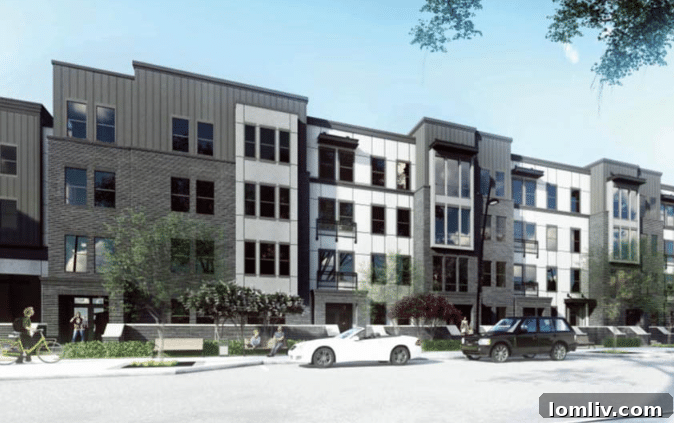
The Cypress Creek at Forest Lane project is conceptualized as a modern four-story midrise structure, featuring a integrated wrapped parking structure and a total of 189 residential units. The proposed unit mix is diverse, aiming to cater to a range of needs, and includes 68 well-appointed one-bedroom units, 101 spacious two-bedroom units, and 20 family-friendly three-bedroom units, as detailed in the official proposal.
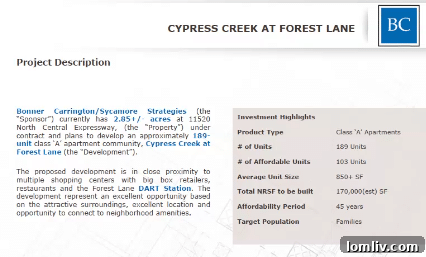
A memo dated February 24 from Assistant City Manager Majed Al-Ghafry to the City Council’s Housing and Homelessness Solutions Committee provided further insights into the project’s perceived merits. It stated, “The units will boast energy-efficient appliances, elegant granite countertops, convenient in-unit washer/dryers, and other premium Class A features, ensuring a high quality of life for residents.” Regarding its market positioning, the memo noted, “The Market Value Analysis (MVA) market type is currently uncategorizable, as the land is not presently developed for residential uses.” However, the memo strongly emphasizes the development’s strategic location: “The development is exceptionally well-located, offering close proximity to multiple vibrant job centers such as Medical City Dallas, major big box retailers, essential grocery stores, and robust public transportation options. The Forest Lane DART Station is conveniently less than half a mile away. This is a centrally-located development that is uniquely poised to effectively serve the diverse needs of the mixed-income tenants it intends to attract and house.” This description underscores the developer’s vision for a well-connected, modern living space, even as community and council concerns about its approval process persist.
The Broader Implications: Navigating Dallas’s Affordable Housing Dilemma
The controversies surrounding the Standard Silver Line and Cypress Creek at Forest Lane projects are not isolated incidents but rather symptomatic of a larger, ongoing debate within Dallas concerning affordable housing initiatives and urban development strategies. The Dallas Public Facility Corporation, while established with noble intentions to facilitate the creation of much-needed affordable housing, has increasingly become a focal point of contention. The primary concern stems from the significant trade-off involved: the promise of affordable units in exchange for a staggering 75-year exemption from property taxes—revenue that would otherwise flow into city, county, and school district coffers.
This long-term tax abatement model raises critical questions about the sustainability of public services and equitable burden-sharing. When large developments operate tax-free for decades, the financial strain invariably shifts to existing homeowners and businesses, who continue to pay their full share of property taxes. Council members like Cara Mendelsohn and Adam McGough are essentially acting as fiscal watchdogs, questioning whether the immediate benefit of additional affordable units outweighs the profound long-term fiscal impact on the city’s ability to fund schools, infrastructure, and emergency services. Their arguments underscore the complex balance required between economic development, social equity, and responsible governance.
Furthermore, these projects highlight systemic issues within the public engagement process itself. The reported difficulties in accessing virtual meetings and the lack of transparent information sharing create an environment of distrust and resentment within affected communities. For residents, the perception is that decisions impacting their neighborhoods are being made behind closed doors, without their voices being genuinely heard or considered. This erosion of public trust can have lasting repercussions on future development projects, regardless of their intrinsic merits. The insistence by council members on pausing decisions until comprehensive community input is gathered speaks volumes about the current shortcomings in Dallas’s public consultation frameworks.
Calls for Reform and Enhanced Oversight in Dallas Development
The intense public and political backlash against these Public Facility Corporation projects has spurred urgent calls for significant reforms and enhanced oversight of Dallas’s development processes. Critics argue that the current framework, while intended to streamline affordable housing initiatives, inadvertently creates loopholes that can be exploited, leading to projects that are not always aligned with the broader community’s best interests. There is a pressing need for a more transparent and equitable system that balances the urgent demand for affordable housing with the fiscal responsibilities of the city and the legitimate concerns of its residents.
Key areas identified for improvement include strengthening the Public Facility Corporation’s review process, mandating more rigorous community impact assessments, and establishing clearer guidelines for developer accountability, especially concerning the “affordability” and “safety” aspects of proposed sites. Proponents of reform advocate for proactive and meaningful community outreach that goes beyond simply posting meeting notices. This would involve engaging residents at earlier stages of project conceptualization, ensuring their input directly shapes development plans, and providing accessible information in an understandable format. Such measures would help rebuild trust and foster a sense of shared ownership in Dallas’s urban growth.
Moreover, the controversy underscores the importance of stringent oversight from the Dallas City Council. Council members, as elected representatives, play a crucial role in scrutinizing development proposals, challenging those that appear to undermine public good, and advocating for their constituents. The robust opposition from Councilmembers Mendelsohn and McGough serves as a powerful reminder of this vital check-and-balance in local governance, emphasizing that major urban development decisions must withstand thorough public and political examination, not just expedited administrative processes.
Looking Ahead: The Next Chapter in Dallas’s Development Debate
With both the Standard Silver Line and Cypress Creek at Forest Lane projects deferred, all eyes are now on the upcoming Dallas Public Facility Corporation board meeting scheduled for March 28. This meeting is anticipated to be another pivotal moment in the ongoing debate over Dallas’s urban development trajectory. Community activists, concerned residents, and City Council members are expected to maintain their vigilant scrutiny, reiterating their demands for greater transparency, more inclusive public engagement, and a reevaluation of the long-term impacts of such extensive tax exemptions.
The decisions made regarding these two projects will likely set precedents for future Public Facility Corporation initiatives in Dallas. They will indicate whether the city prioritizes expedited development through significant tax incentives, or if it will lean towards a more cautious approach that places a higher premium on community consensus, fiscal prudence, and robust public input. The outcome could profoundly shape the future landscape of Dallas’s affordable housing strategy and its commitment to equitable, sustainable urban growth.
The current heated discussions serve as a vital reminder that urban development is not merely about constructing buildings; it is intrinsically linked to the social fabric, economic stability, and long-term livability of a city. As Dallas continues to grow, navigating the complexities of affordable housing, developer incentives, and community well-being will remain at the forefront of its governance challenges, requiring careful deliberation and a steadfast commitment to public service.