

Navigating the New Decade: Smart Real Estate Strategies for Homeowners and Investors
As we embark on a new decade, the real estate landscape continues to evolve, presenting both challenges and exciting opportunities for homeowners and investors alike. This comprehensive roundup delves into actionable strategies for homeowners looking to significantly boost their financial wealth through thoughtful property management and investment. We’ll also cast a spotlight on the dynamic Dallas-Fort Worth (DFW) market, examining the recent surge in luxury home sales that underscores the region’s robust economic health and appeal. Finally, we’ll explore a strategic industrial acquisition near the bustling DFW Airport by a keen Minnesota investor, highlighting the growing significance of logistics and commercial real estate in key economic hubs.
Five Essential New Year’s Resolutions to Amplify Homeowners’ Wealth
The dawn of a new year often inspires resolutions focused on personal growth, health, and well-being. However, for homeowners, the start of a new decade offers a unique opportunity to set financial goals that directly impact their most significant asset: their home. Beyond simply paying the mortgage, strategic decisions can transform a home from just a living space into a powerful wealth-building engine. Adopting these five resolutions, thoughtfully compiled from expert insights, can pave the way for enhanced financial security and long-term prosperity.

-
Prioritize Principal Payments When Prudent
While the monthly mortgage payment typically includes both principal and interest, making extra payments specifically towards your principal balance can yield substantial long-term benefits. This strategy, as highlighted by a Bankrate report, accelerates equity growth and significantly reduces the total interest paid over the life of the loan. For instance, even a small extra payment each month can shave years off your mortgage term and save tens of thousands in interest. This approach is particularly advantageous if you have a higher interest rate or are looking to pay off your home faster to free up capital for other investments. It’s crucial, however, to ensure that any extra principal payments do not compromise your emergency fund or ability to meet other critical financial obligations. Evaluate your current interest rate against potential returns from other investments before committing to this strategy.
-
Explore Mortgage Refinancing for Improved Rates
The interest rate on your mortgage directly impacts your monthly payments and the total cost of your home over time. Market conditions can shift, creating opportunities to refinance your existing mortgage for a lower interest rate, a shorter term, or to convert from an adjustable-rate to a fixed-rate loan. A lower interest rate can drastically reduce your monthly expenditure, freeing up cash flow that can be reallocated to savings, investments, or further principal payments. Before refinancing, consider the closing costs involved, as these can sometimes offset the savings if you don’t plan to stay in your home for an extended period. Shopping around among various lenders is essential to secure the most competitive rate and favorable terms tailored to your financial situation and goals.
-
Actively Shop for Competitive Home Insurance Rates
Homeowner’s insurance is a non-negotiable expense, protecting your valuable asset from unforeseen damages and liabilities. However, many homeowners simply renew their policy year after year without exploring other options. Insurance premiums can vary significantly between providers for similar coverage levels, influenced by factors such as location, claims history, home features, and even credit score. Dedicating time annually to compare quotes from multiple insurance companies can lead to considerable savings without compromising on essential coverage. Consider bundling home and auto insurance, inquiring about discounts for home security systems, or increasing your deductible to further lower your premiums. These seemingly small adjustments can collectively contribute to your overall financial health.
-
Invest in Home Energy Efficiency Upgrades
Making your home more energy-efficient is a dual-benefit resolution: it reduces your monthly utility bills and enhances your home’s market value. Upgrades such as improved insulation, energy-efficient windows, smart thermostats, and modern HVAC systems can dramatically decrease energy consumption. Beyond the immediate savings, many regions offer tax credits, rebates, or incentives for homeowners who invest in green home improvements, making these upgrades even more attractive. A more energy-efficient home is also more appealing to potential buyers, commanding a higher resale value and contributing to a more sustainable living environment. This investment not only saves money but also improves comfort and contributes positively to environmental stewardship.
-
Address Small Repairs Promptly to Prevent Larger Issues
It’s easy to defer minor home repairs, but neglecting them can lead to compounding problems that are far more expensive and disruptive to fix down the line. A leaky faucet might seem insignificant, but it can lead to water damage, mold growth, and increased utility bills if left unaddressed. Similarly, a small crack in the foundation or a loose shingle can escalate into major structural damage or roof repairs. Regularly inspecting your home and proactively tackling small maintenance tasks preserves your home’s structural integrity, maintains its aesthetic appeal, and safeguards its value. This resolution is about protecting your investment and preventing financial shocks from unexpected, large-scale repairs.
By diligently implementing these five resolutions, homeowners can transform their property into a more powerful tool for wealth creation and financial stability, ensuring their home not only provides comfort but also contributes significantly to their long-term financial prosperity.
Source: Bankrate
DFW Luxury Home Sales Soar in 2019: A Market Overview
The real estate market in the Dallas-Fort Worth-Arlington metropolitan area exhibited strong performance in 2019, particularly within its luxury segment. According to the comprehensive 2019 Texas Luxury Home Sales Report compiled by Texas Realtors, the DFW-Arlington region saw a respectable 0.8 percent increase in luxury home sales during the year. This growth, while seemingly modest at first glance, reflects a resilient and appealing market for high-net-worth individuals and families seeking premium properties.
Across the entire state of Texas, the luxury home market demonstrated even more significant buoyancy. “Statewide, luxury home sales topped an impressive $8.3 billion during the first 10 months of 2019, while the volume of homes sold increased 4.4 percent to 5,149 sales,” detailed Megan Mortiz of Pierpoint Communications Inc. in a press release accompanying the report. These figures underscore the robust demand for high-end real estate across the Lone Star State, driven by a booming economy, significant corporate relocations, and an attractive quality of life.

For the purposes of this report, “luxury homes” were specifically defined as residential properties that sold for $1 million or more. This benchmark helps segment the market, focusing on properties that typically offer expansive living spaces, high-end finishes, premium amenities, desirable locations, and often custom architectural designs. Buyers in this segment are often drawn to areas with excellent school districts, vibrant cultural scenes, and convenient access to business centers and private airports.
The annual report meticulously examined housing statistics across Texas’s major metropolitan areas, including Austin, Dallas-Fort Worth, Houston, and San Antonio. The findings were clear: “total sales of million-dollar and higher homes reached $8.3 billion, marking a significant 5.1 percent increase from the previous year,” the report further elaborated. This consistent growth across multiple major urban centers signifies a healthy and expanding luxury real estate market that continues to attract affluent buyers from both within Texas and across the nation.
The DFW area, in particular, has become a magnet for corporate headquarters and professional talent, fueling demand for luxury housing. Its diversified economy, strong job growth, relatively lower cost of living compared to coastal hubs, and lack of state income tax make it an incredibly attractive destination for both businesses and individuals. This influx contributes directly to the sustained demand and appreciation observed in its high-end residential market, promising continued stability and growth for the foreseeable future.
Source: Texas Luxury Home Sales Report
Strategic Industrial Acquisition Near DFW Airport by Minnesota Investor
The industrial real estate sector in the Dallas-Fort Worth metropolitan area continues to be a hotbed of activity, drawing significant investment interest from both local and out-of-state entities. This trend was underscored earlier this month with the announcement that Meritex Co., a prominent Minnesota-based investor and developer, has strategically acquired the Jetstar 114 Business Center in Irving, Texas. This acquisition highlights the increasing demand for well-positioned industrial assets, particularly those with prime access to critical transportation infrastructure like the Dallas Fort Worth International Airport.
The newly acquired industrial portfolio is substantial, encompassing three distinct buildings and offering more than 84,000 square feet of versatile space. This size allows for a range of potential uses, from warehousing and distribution to light manufacturing and research & development, catering to a diverse set of industrial tenants. The presence of multiple buildings within the center also offers flexibility for future lease configurations and tenant demands, making it an attractive long-term investment.
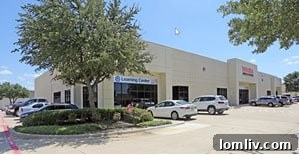
Originally developed by Jackson-Shaw, a highly respected name in commercial real estate, the Jetstar 114 Business Center came online in 1999. This means the properties are well-established and have a proven track record within the competitive DFW industrial market. The occupied buildings are specifically located at 8000, 8050, and 8100 Jetstar Drive. This address is particularly strategic, given its immediate proximity to Dallas Fort Worth International Airport, one of the busiest airports in the world and a crucial hub for domestic and international cargo operations. Such a location is invaluable for logistics companies, e-commerce fulfillment centers, and businesses requiring rapid air freight access, ensuring efficient supply chain management and swift delivery capabilities.
The complex transaction was expertly brokered by Colliers International, a global leader in commercial real estate services, demonstrating the high level of professionalism and market expertise involved. Furthermore, Holt Lunsford Commercial, a well-known and respected property management firm in the DFW area, has been appointed to manage the property. Their local expertise will ensure efficient operations, tenant satisfaction, and the long-term value preservation of this significant industrial asset. This collaborative effort between experienced firms underscores the robustness of the DFW industrial market and its appeal to sophisticated investors seeking stable, high-yield opportunities.
This acquisition by Meritex Co. is indicative of a broader trend: the continuous growth and strategic importance of the industrial real estate sector in major logistical corridors. DFW, with its central location, extensive transportation networks (including rail, road, and air), and pro-business environment, remains a top target for industrial investors looking to capitalize on the booming e-commerce market and evolving supply chain demands. The Jetstar 114 Business Center, with its prime location and functional infrastructure, is poised to play a vital role in supporting the region’s dynamic economic landscape.
Source: Texas A&M University Real Estate Center