Unleashing Fun: A Vision for a Temporary Dog Park in North Dallas
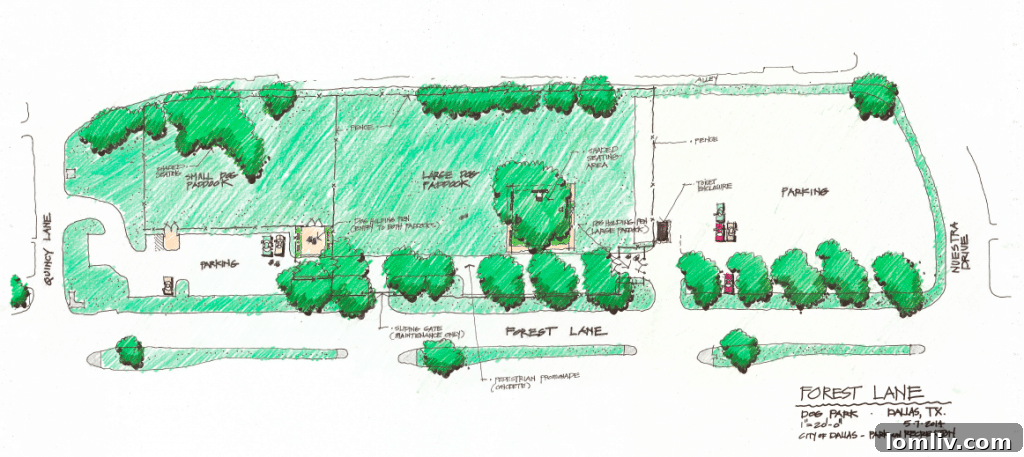
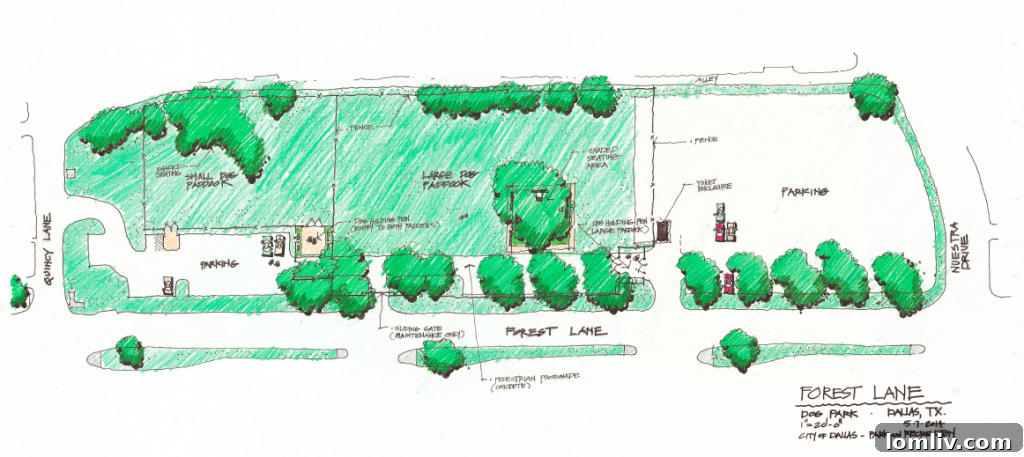
In the vibrant and evolving landscape of North Dallas, a unique community initiative is taking shape, promising to bring much-needed green space and recreational opportunities for pets and their owners. City Councilman Lee Kleinman, in collaboration with Jennifer Staubach Gates, is championing an innovative proposal to transform an underutilized parcel of land into a dynamic, temporary dog park. This exciting prospect is situated at the prominent corner of Forest Lane and Nuestra, an area ripe for community development and enhanced resident amenities. The initiative seeks to address a growing demand for dedicated pet-friendly spaces, offering an interim solution that could significantly enrich the lifestyle of North Dallas residents.
The Preston Royal Library’s Future and the Opportunity for a Dog Park
The site identified for this temporary dog park is more than just an empty lot; it carries significant long-term plans for the City of Dallas. This specific green space is the future home of the new Preston Royal Library, a critical educational and community hub currently located on Royal Lane, near the bustling Dallas North Tollway. The journey to secure this prime location for the library began in 2011 when the city successfully acquired the property of the Korean Young Nak Presbyterian Church. This former structure, once considered an eyesore in the area, was subsequently demolished to make way for a modern, state-of-the-art library facility. The ambitious project is estimated to cost approximately $6 million, reflecting the city’s commitment to providing excellent public services and resources for its citizens.
Navigating Funding Delays: A Temporary Solution Emerges
Despite the clear vision for the new Preston Royal Library, its construction faces a significant temporal challenge: funding. The necessary capital for the project is not anticipated to be available until the 2017 city bond program, pushing the projected start date for construction to 2020 or even later. This extended delay raises important questions about the optimal use of the land in the interim. Councilman Kleinman has explicitly stated that even with bond approval, the shovels won’t hit the ground for several years. This prolonged waiting period creates a compelling opportunity to utilize the space proactively. Instead of letting the land sit vacant and underutilized, the proposal for a temporary dog park offers a creative and beneficial solution, bridging the gap between the present community need and future development plans. It also subtly addresses the concern that if funding doesn’t materialize as planned, the space could remain unused for an even longer duration.
Addressing the Green Space Deficit in North Dallas
North Dallas is famously characterized by its expansive residential properties, with many homes boasting large lots, often exceeding one-third of an acre. Paradoxically, despite this abundance of private green space, the area suffers from a notable lack of public parks and communal outdoor recreational areas. This deficit is particularly felt by pet owners who struggle to find dedicated, safe, and accessible spaces for their dogs to exercise and socialize. Jennifer Staubach Gates eloquently captures this evolving sentiment, highlighting a shift in how residents perceive and desire their urban environment.
“When our neighborhood was developed, it was developed around backyards and not open spaces,” Gates says. “There’s a movement now, and people want more open space. It adds to the community element and enhances the quality of life.”
This profound observation underscores a broader trend in modern urban living: the increasing value placed on communal areas that foster social interaction, promote physical well-being, and enhance the overall quality of life. Dog parks, as exemplified by successful models like the Westminster Community Park, have proven to be incredible assets in other communities. They serve not only as vital exercise areas for pets but also as natural gathering points for people, encouraging impromptu conversations, building neighborhood camaraderie, and strengthening the social fabric of the community. For many, a dog park is more than just a convenience; it’s a cornerstone of community engagement and a testament to a healthy, active lifestyle. The absence of such spaces in North Dallas makes this temporary dog park proposal particularly timely and impactful.
The Financial Realities: Building a Safe and Sustainable Dog Park
While the idea of transforming an empty lot into a vibrant community dog park is appealing, the practical implementation involves substantial financial investment. The phrase “not cheap” truly applies here. The best estimates for establishing a functional, safe, and enjoyable temporary dog park stand at a minimum of $230,000. This figure highlights the comprehensive nature of developing such a public amenity, even on a temporary basis. It goes far beyond simply fencing off an area and opening the gates.
The essential components contributing to this significant cost include, but are not limited to:
- Advanced Irrigation Systems: Crucial for maintaining lush, healthy grass and managing dust, especially during Dallas’s often hot and dry climate. Effective irrigation ensures a pleasant and hygienic environment for both pets and their owners.
- Comprehensive Signage: Vital for clearly communicating park rules, safety guidelines, and proper etiquette. Well-designed and strategically placed signs enhance safety, encourage responsible pet ownership, and ensure a harmonious experience for all users.
- Effective Lighting: Extends the park’s usability into the early mornings and evenings, making it safer and more accessible for residents with varying schedules. Proper lighting also contributes significantly to security and deterring undesirable activities.
- Adequate Parking Facilities: A necessity to accommodate visitors, making the park easily accessible to residents who may live further afield. Thoughtful parking design helps alleviate congestion in surrounding residential streets.
- ADA Ramps and Accessibility Features: Ensuring that the park is inclusive and accessible to individuals with disabilities is paramount. This commitment allows all members of the community to enjoy and benefit from the public space.
- Regular Provision of Pet Waste Bags and Disposal Bins: An often-underestimated but absolutely critical element for maintaining cleanliness and public health. Providing readily available bags and waste stations encourages responsible pet ownership and keeps the park sanitary and inviting for everyone.
Given that the City of Dallas is not allocating funds for this temporary project, Kleinman and Gates are actively seeking robust commercial and private sponsorships. This community-driven funding model is key to transforming the vision into reality. It presents a unique opportunity for local businesses and philanthropic individuals to make a tangible difference in their community, demonstrating their commitment to local well-being and animal welfare. Sponsors would gain significant visibility and brand association with a positive, highly anticipated community improvement, fostering goodwill and connection with North Dallas residents.
A Strategic Location: Enhancing Urban Living and Future Planning
The chosen location for the temporary dog park at Forest Lane and Nuestra is not accidental; it is a strategically significant site within the broader North Dallas landscape. Its proximity to the proposed re-development of the Forestwood townhomes amplifies the urgency and relevance of this initiative. Residents moving into or revitalizing these living spaces would find an accessible dog park to be an invaluable amenity, offering a convenient and enjoyable spot for daily walks and pet interaction, thereby enriching their urban living experience. This synergistic relationship between new residential developments and public green spaces is crucial for creating vibrant, livable communities.
Moreover, the “temporary” aspect of this dog park is a calculated and intelligent approach to urban planning. It serves as an invaluable “test in the water,” allowing city planners and community leaders to accurately gauge the actual demand, usage patterns, and operational challenges of a dedicated dog park in this specific North Dallas area. The insights gained from this temporary installation could prove instrumental in informing the design, location, and long-term planning of future permanent dog parks or other green spaces throughout North Dallas. This adaptive strategy allows the city to respond proactively to evolving resident needs while remaining flexible in the face of future, larger-scale developments like the Preston Royal Library.
Addressing Concerns and Paving the Way for Lasting Impact
Naturally, the temporary nature of the park raises a common concern: the potential for dogs to “mark their territory” in a space destined for a library. This is a valid consideration that can be mitigated through thoughtful park design, including easily cleanable surfaces, robust maintenance schedules, and clear communication with users about the park’s transitional status. With proper management and community engagement, such challenges are entirely surmountable. The potential benefits—a vibrant community amenity, a valuable pilot project for future green initiatives, and an immediate response to palpable resident demand—far outweigh these manageable operational considerations.
The collaborative spirit demonstrated by Councilman Kleinman and Jennifer Staubach Gates exemplifies a progressive approach to urban development. By actively listening to resident feedback and seeking innovative, community-driven solutions, they are fostering a deeper sense of ownership and pride within North Dallas. The pursuit of private and commercial sponsorships is not just about securing funds; it’s about building a coalition of support that believes in enhancing the quality of life for all residents, both human and canine. This initiative stands as a testament to what can be achieved when city leaders, businesses, and residents work together towards a common goal.
In conclusion, the proposed temporary dog park at Forest Lane and Nuestra represents more than just a recreational area for pets; it symbolizes a forward-thinking commitment to community building, public health, and responsive urban planning. As North Dallas anticipates the eventual arrival of its new Preston Royal Library, this interim solution offers a refreshing and impactful way to enrich the present. It invites local businesses and individuals to invest in a project that will undoubtedly bring joy, foster connection, and potentially lay the groundwork for a future where accessible green spaces are an integral part of this dynamic neighborhood’s identity. This temporary park has the profound potential to leave a lasting, positive paw print on the heart of North Dallas.