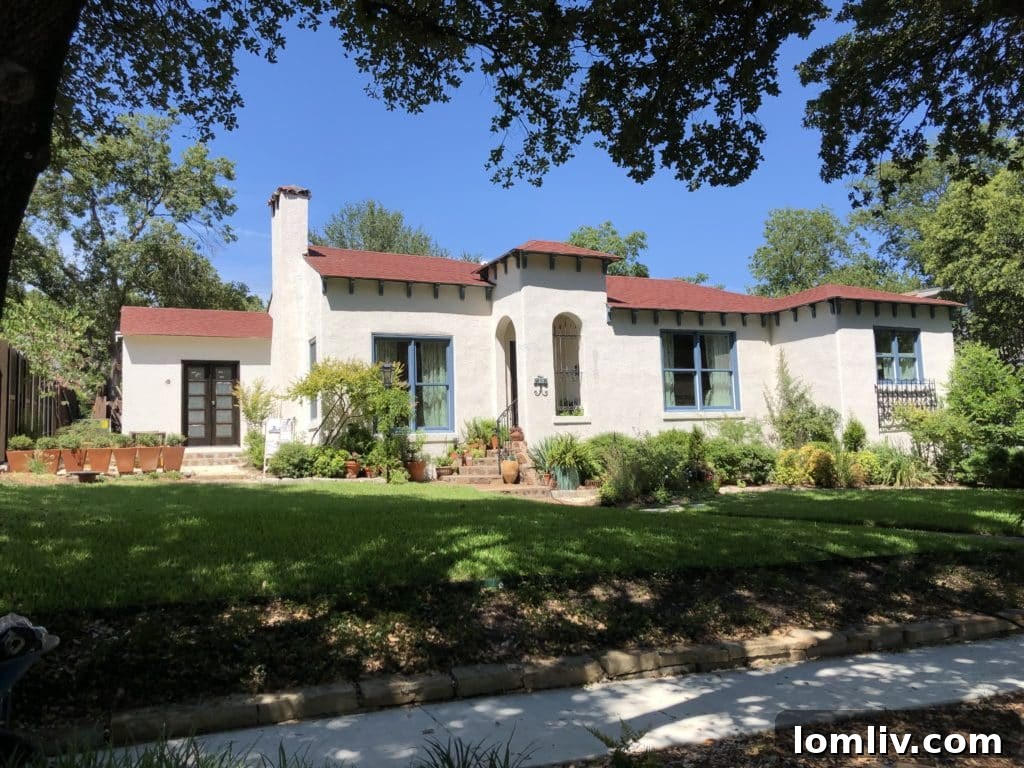
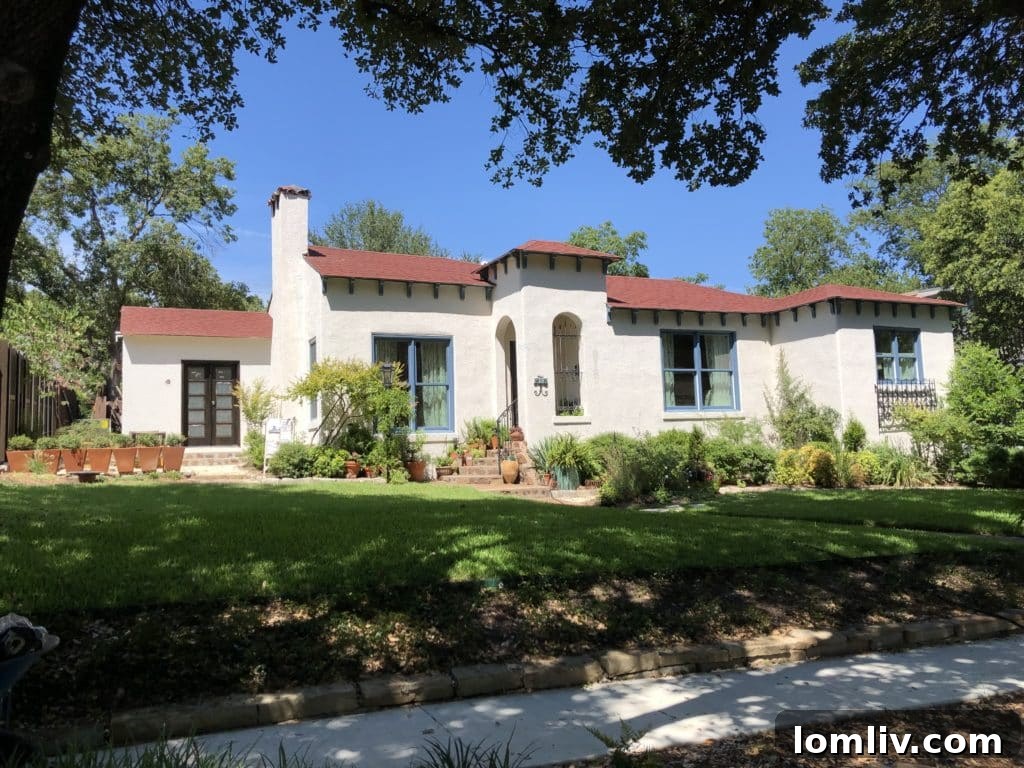
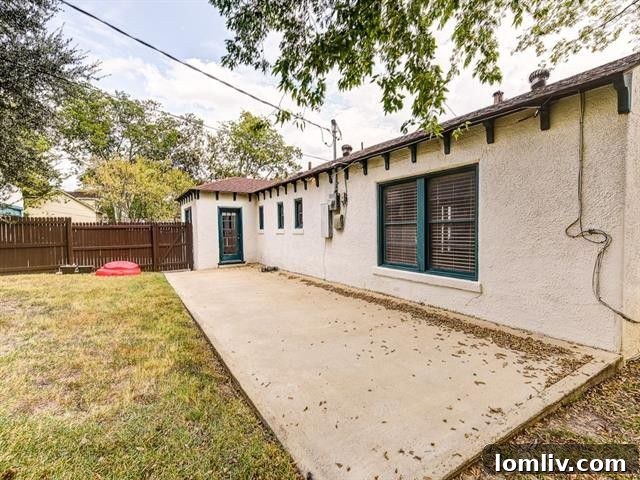
In the picturesque Hollywood Heights neighborhood, certain homes possess an undeniable allure, captivating residents and passersby alike with their timeless beauty and unique charm. These are the residences we secretly covet, the ones that spark dreams of ownership. Among these cherished properties, the historic Spanish Colonial gem at 918 Valencia Street stands out as a true masterpiece, a home that has long captured the imagination of nearly everyone in our community. Built in 1938, this enchanting white stucco home, adorned with tasteful blue trim, evokes the quintessential architectural elegance found in the sun-drenched villages of Ibiza or the historic towns of Cadiz and Malaga. Its authenticity is not just a feature; it’s the very soul of the structure, transporting you to another time and place the moment you set eyes upon it.
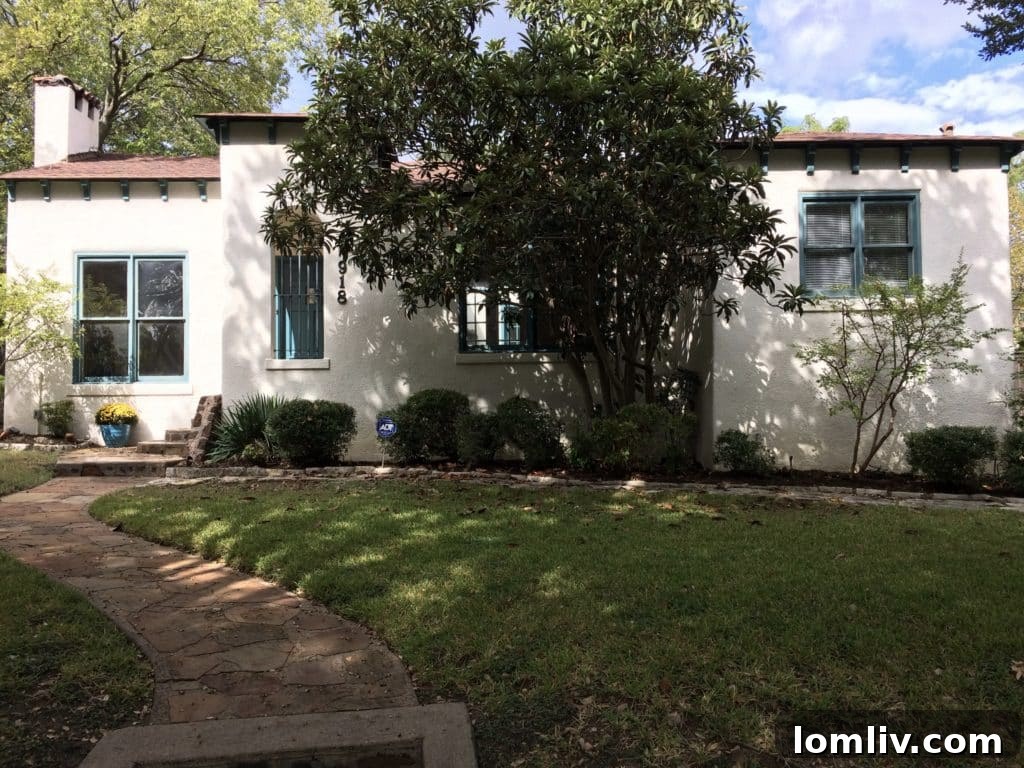
Approximately two years ago, Maria and Patrick Luna embarked on a journey to breathe new life into this beloved historic Spanish Colonial in Hollywood Heights. Unlike many prospective homeowners, they entered this endeavor with a profound understanding of what lay ahead. Remodeling a historic property within a conservation district is an undertaking that demands more than just financial investment; it requires immense patience, unwavering dedication, and a deep respect for historical integrity. This challenging yet rewarding path is certainly not for the faint of heart or the easily discouraged.
The Masterminds of Renovation: The Luna’s Expertise in Historic Preservation
The Lunas are exceptionally qualified for a project of this magnitude, bringing a formidable blend of professional expertise and personal passion to the renovation of their historic Spanish Colonial home. Patrick, armed with a degree in architectural engineering, operates as a structural engineering consultant, providing invaluable insight into the structural integrity and technical challenges inherent in older homes. Maria complements this technical prowess with a rich artistic and practical background, holding bachelor’s degrees in both art and textiles, alongside associate degrees in construction management and fashion design. Beyond managing her own successful design company, Maria A. Luna Design, she also imparts her knowledge by teaching classes on textiles and perspective drawing at El Centro College. This unique combination of skills in engineering, art, design, and construction management positioned the Lunas as the ideal custodians for a property requiring such meticulous care and vision.
Their history with Hollywood Heights runs deep. In 1990, they resided in the neighborhood, undertaking a significant remodel of a house on Clermont Street. The outcome was so spectacular that it was featured on the esteemed Hollywood Home Tour not once, but twice, a testament to their exceptional design and renovation capabilities. Following this success, they moved to Auburn Avenue in Lakewood, where they applied their expertise to an even larger residence, transforming it with the same dedication and skill. As their children grew and left home, the Lunas found themselves contemplating a shift, a desire to downsize and perhaps explore new horizons.
“I don’t think we ever envisioned coming back to Hollywood,” Patrick admitted, reflecting on their journey. Yet, fate, or perhaps a touch of serendipity, intervened. Their friend and Realtor, Joe Kacynski, informed them that this particular historic Spanish Colonial at 918 Valencia was on the market. It quickly went under contract, but the Lunas, recognizing a rare opportunity, submitted a backup offer. As if guided by destiny, the initial contract fell through, clearing the way for Maria and Patrick to claim their new home and, more importantly, their next grand project. It was a perfect alignment of circumstances, bringing their talents back to the neighborhood they knew and loved, to a home that truly deserved their expert touch.
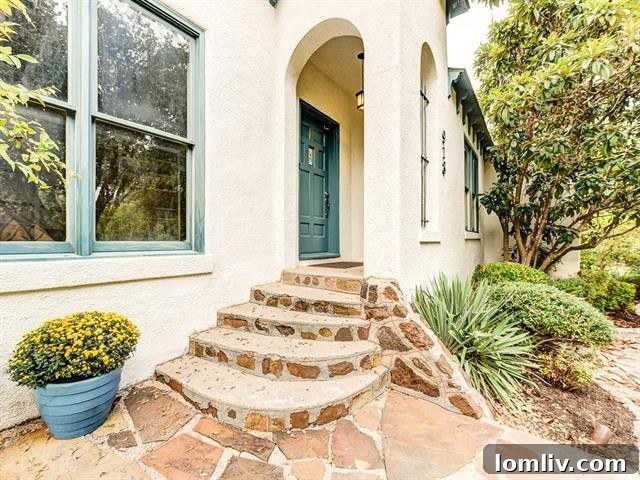
As previously highlighted, the Lunas possessed a crucial advantage often lacking in other buyers of older homes: an intimate understanding of the hidden costs and complexities. “When you buy an old house, you have those expenses that aren’t visible,” Patrick wisely noted. This foresight allowed them to prepare for the extensive foundational work that would be required, moving beyond mere aesthetics to address the very bones of the house.
A Feat of Engineering and Design: Navigating Conservation District Challenges
The infrastructure of any historic restoration is paramount. While it may not be the “pretty” part of the project, it is undeniably the most critical. Before any aesthetic enhancements can take place, the essential groundwork must be laid. This often involves a complete overhaul of hidden systems: replacing outdated plumbing, updating electrical wiring to meet modern standards and safety codes, and installing energy-efficient windows that respect the home’s historic character. These aren’t merely improvements; they are necessities for ensuring the home’s longevity and functionality in the 21st century.
“We knew it would be a lot of work,” Maria affirmed, reflecting on the daunting scope of the project. “But it’s so important to preserve these homes, not just for their beauty, but for their historical significance.” The front facade alone presented a myriad of challenges, a veritable “train wreck” in her words. The Lunas invested a significant sum—approximately $20,000—into addressing these hidden issues before any visible progress was evident to neighbors. A prime example was a persistent drainage problem that caused dirt to erode onto the sidewalk. Their initial solution, a 30-inch tall retaining wall topped with grass, was met with unexpected hurdles. The conservation district ordinance, enacted in 1993, strictly limited parkway stone height to a mere 6 inches. This meant dismantling the wall they had meticulously constructed. “We had to take the stone down that we’d installed,” Maria recounted. “But we made it work. You must always have a plan B.” This incident underscores the constant negotiation and adaptability required when working within the often outdated and seemingly arbitrary rules of historic conservation districts.
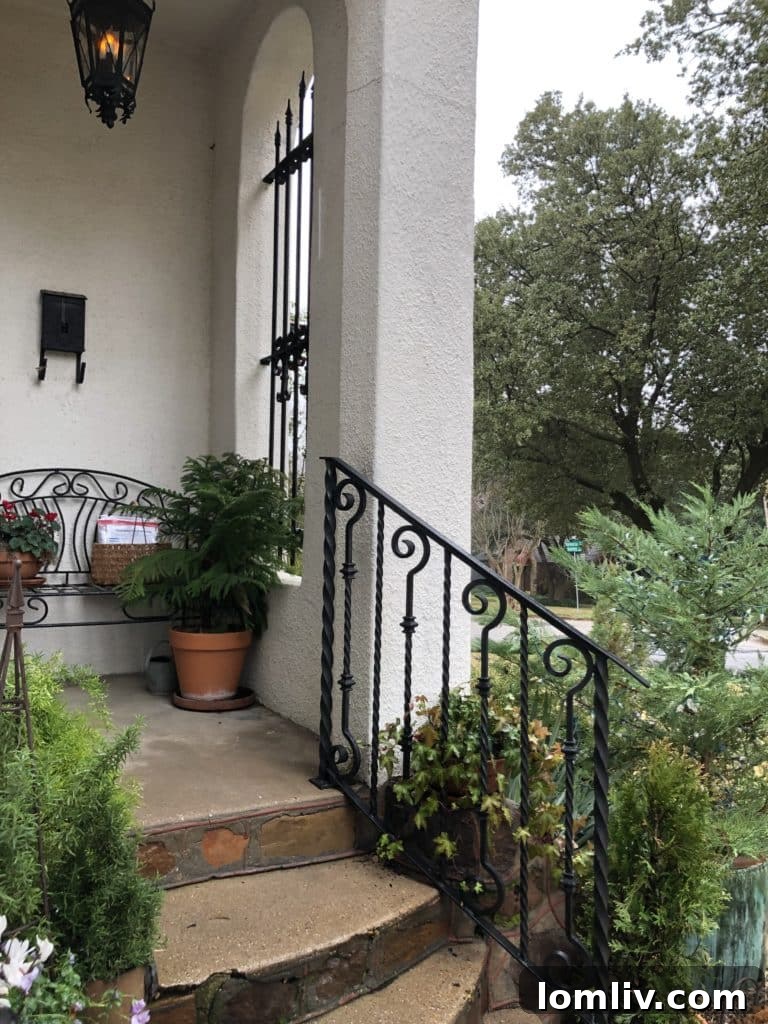
The Lunas frequently found themselves challenging these conservation district regulations, advocating for thoughtful improvements that honored history while embracing modern practicality. One of their notable successes was securing approval for the exquisite ironwork on the facade. This new addition, so perfectly designed and executed, appears as if it has been an integral part of the home since its inception. This achievement beautifully encapsulates the very essence of preservation: understanding the historical context, conducting thorough research, and then enhancing the property in a way that feels organic and authentic, rather than an intrusive modification.
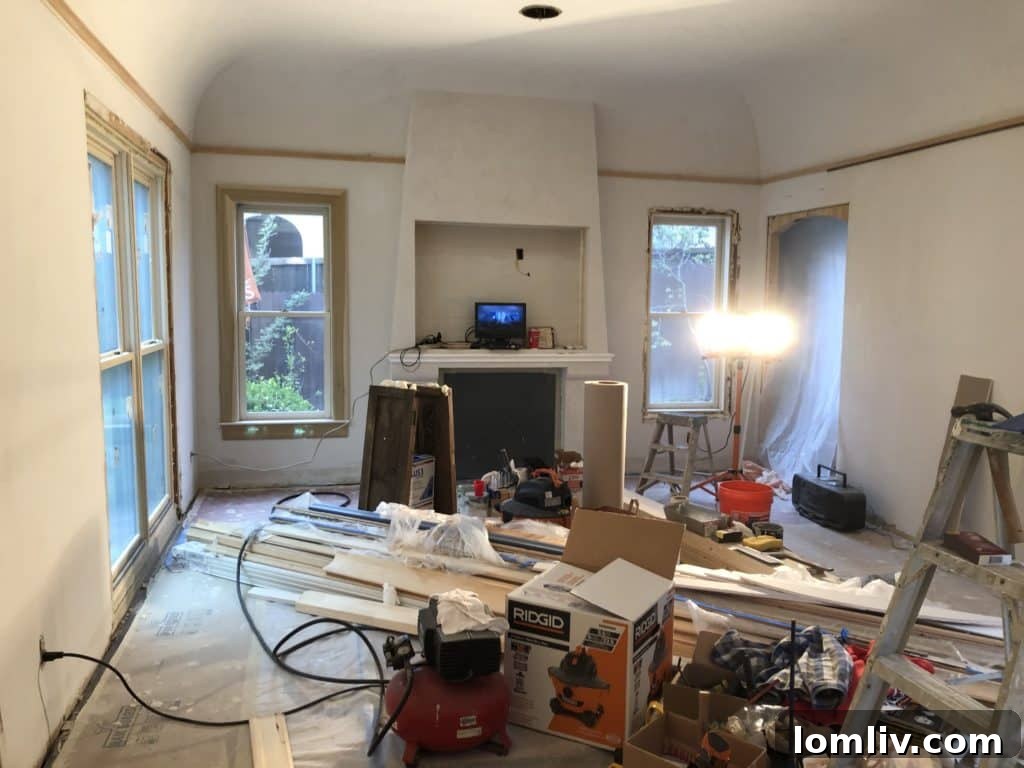
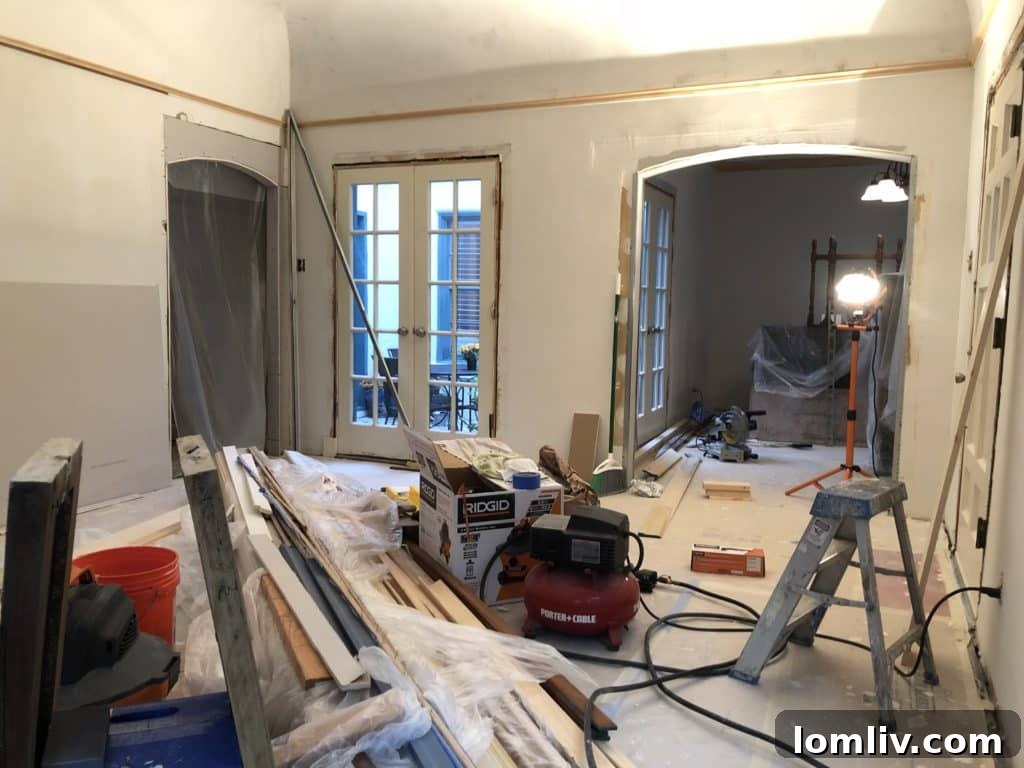
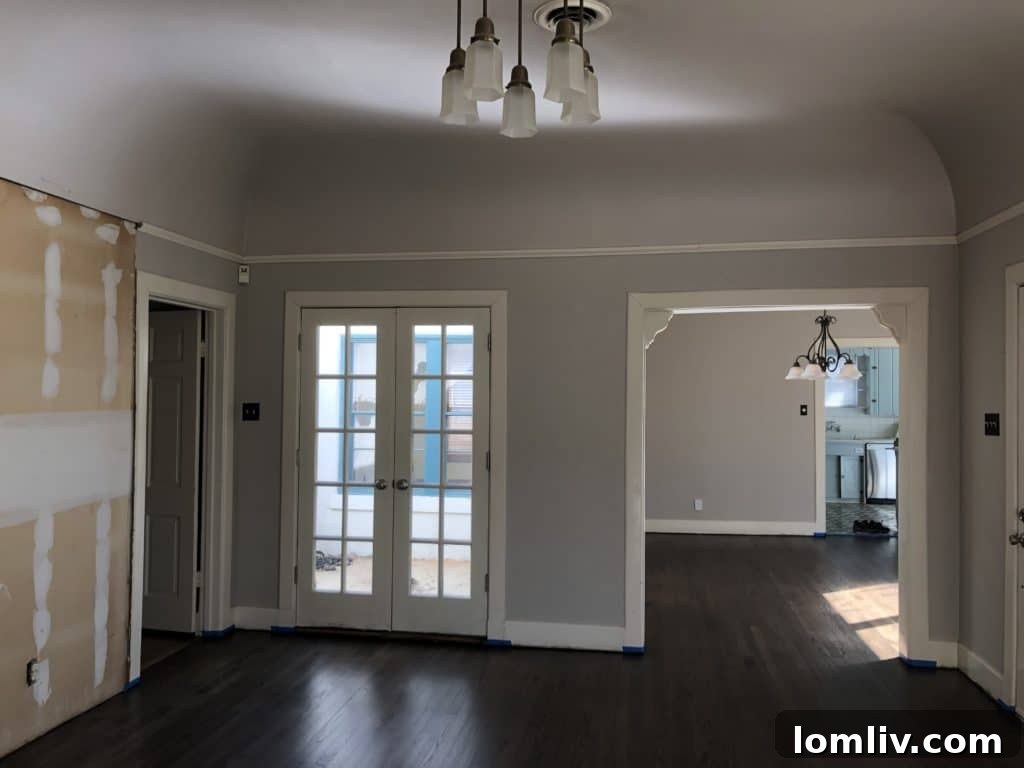
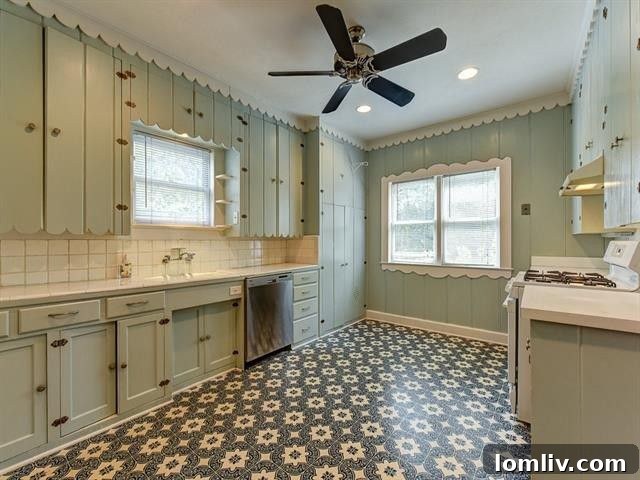
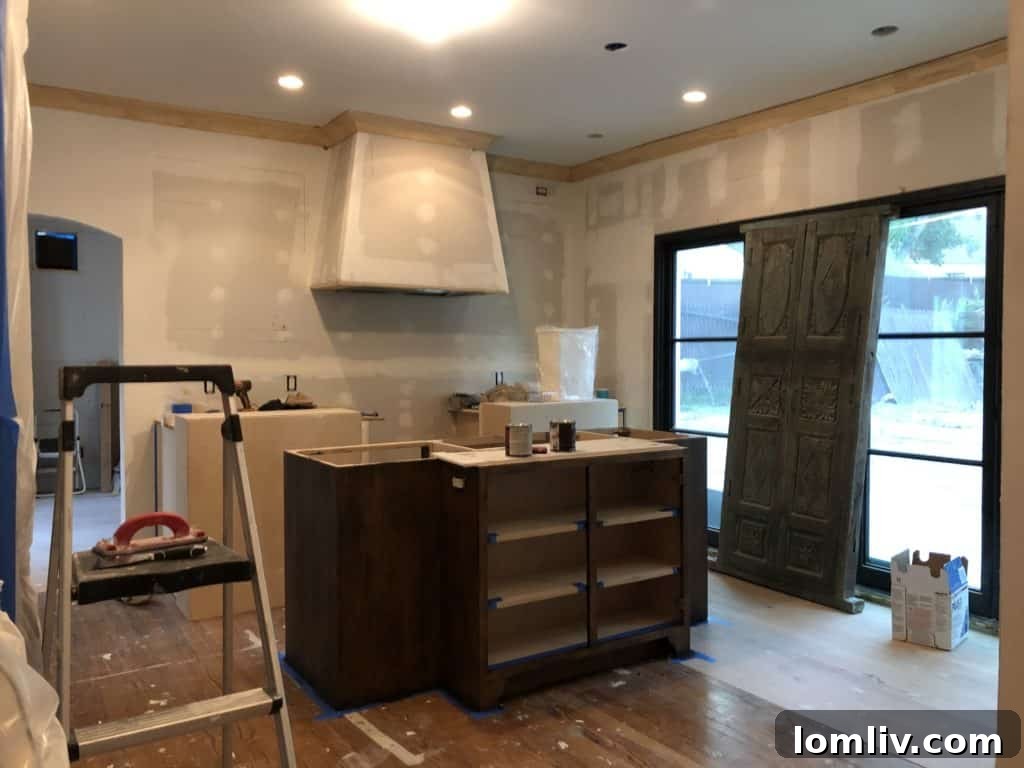
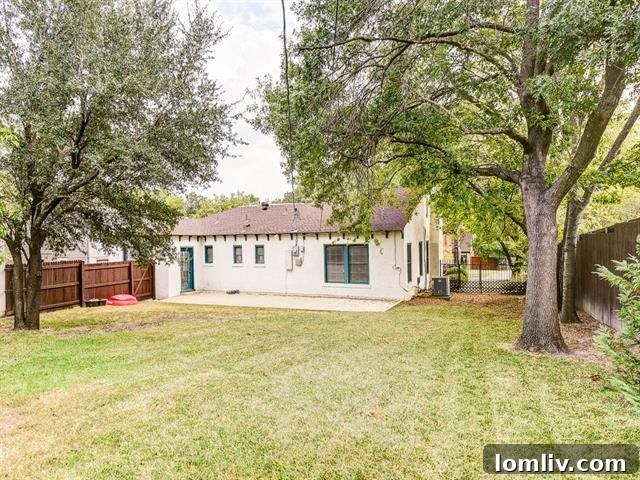
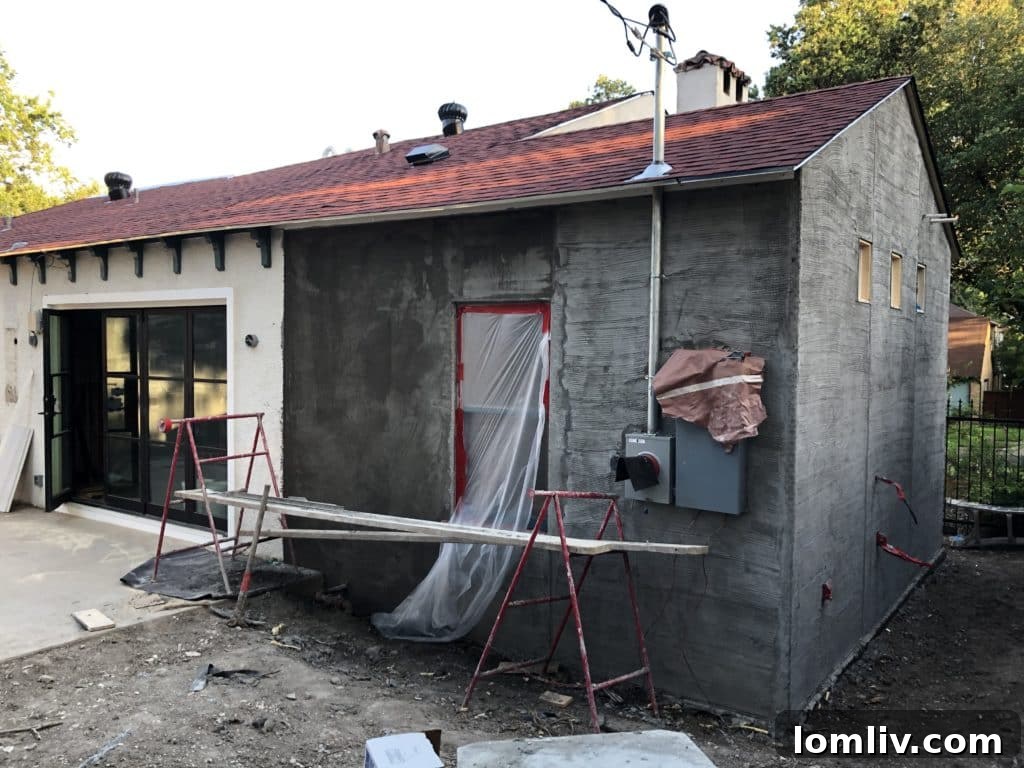
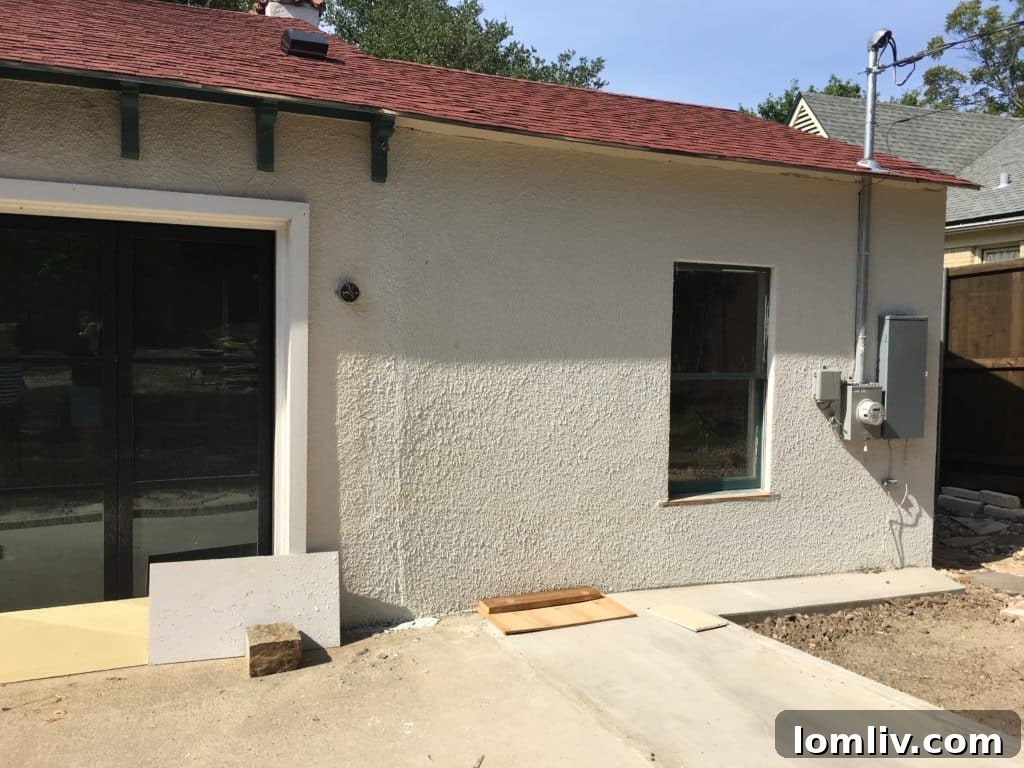
After meticulously addressing the critical infrastructure and exterior elements of the historic Spanish Colonial, the Lunas embarked on an expansion, adding approximately 400 square feet to the existing 1,618-square-foot footprint. Maria’s meticulous attention to detail extended to drawing every fixture and piece of ironwork, ensuring that each element not only met her aesthetic vision but also adhered to the stringent district guidelines. Living in a home amidst its transformation might seem less than ideal, yet it provides an invaluable opportunity for the house to “speak” to its occupants. Experiencing the space daily allows renovators to truly understand its flow, light, and hidden potential, guiding design decisions towards optimal functionality and beauty.
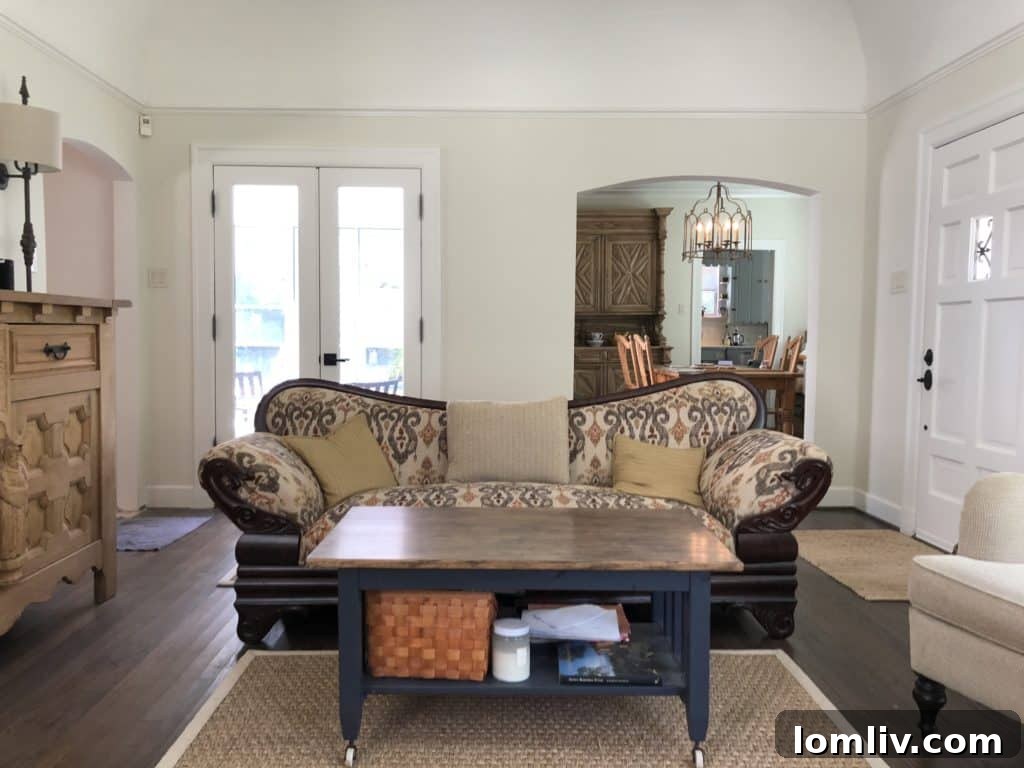
As the Lunas approach the culmination of their extensive renovation, they eagerly anticipate celebrating Christmas in their fully transformed home, finally free from construction materials underfoot. It has been a protracted journey, marked by periods of “camping out” in a single room and countless hours dedicated to navigating the complex and often frustrating labyrinth of conservation district codes. Maria passionately articulated the need for reform: “The conservation ordinance passed in 1993. It needs to be revisited because people get frustrated and give up.” Her words highlight a critical issue: while conservation is vital, overly rigid or outdated regulations can inadvertently stifle passionate renovators, leading to stagnation or abandonment of historic properties.
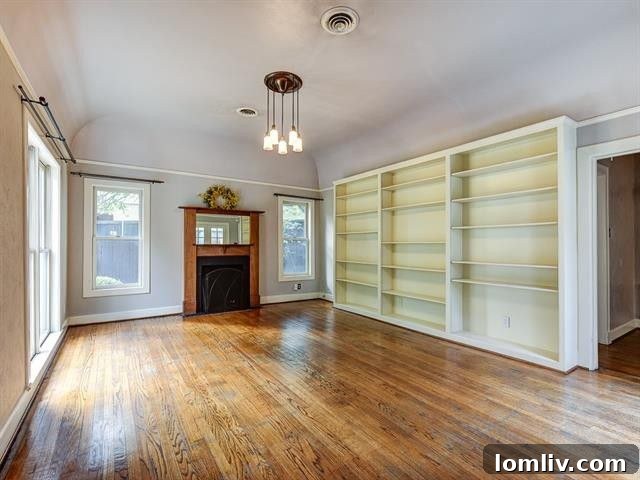
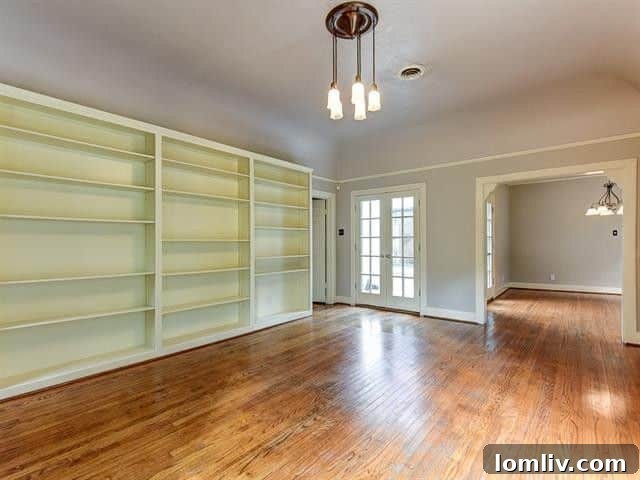
The need for reform in conservation ordinances extends beyond individual frustrations; it reflects a broader imperative for historic preservation to evolve with the times. New products continuously enter the market, offering superior durability, enhanced performance, and often more sustainable options, all of which can significantly improve the preservation process. Take, for instance, the emergence of advanced synthetic clay tiles. These innovative materials provide an affordable and aesthetically convincing alternative when the need arises to replace an original clay tile roof. They replicate the authentic look and feel of traditional tiles beautifully, yet offer considerable cost savings. For context, replacing an original clay tile roof can easily run upwards of $100,000, making the synthetic option a game-changer for historic homeowners.
Maria further emphasized the environmental urgency behind updating these regulations. “We need to adjust the conservation rules, not only because of cost but also because of pollution,” she articulated. “Think about all the roofs replaced due to hail damage. Those oil-based shingles are polluting our landfills.” Her point is powerful: rigid rules that prevent the adoption of modern, environmentally friendly alternatives inadvertently contribute to ecological problems. By embracing newer, sustainable materials that maintain aesthetic integrity, conservation districts can align preservation efforts with contemporary environmental goals, fostering both historical respect and ecological responsibility.
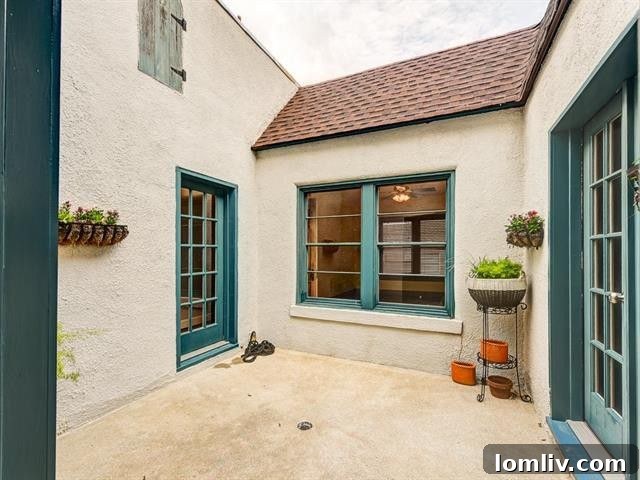
While the intricacies of conservation district rules undoubtedly present formidable challenges, they have, in many ways, successfully shielded neighborhoods like Hollywood Heights from the rapid, often incongruous, development seen elsewhere. The regulations, despite their occasional frustrations, have played a vital role in maintaining the unique character and historical fabric of the community. However, as Maria and Patrick Luna’s experience vividly illustrates, the ordinance is now ripe for a thoughtful, comprehensive update. Striking a balance between preserving historical integrity and accommodating modern advancements, both in materials and lifestyle, is crucial for the ongoing vitality and authenticity of these cherished districts.
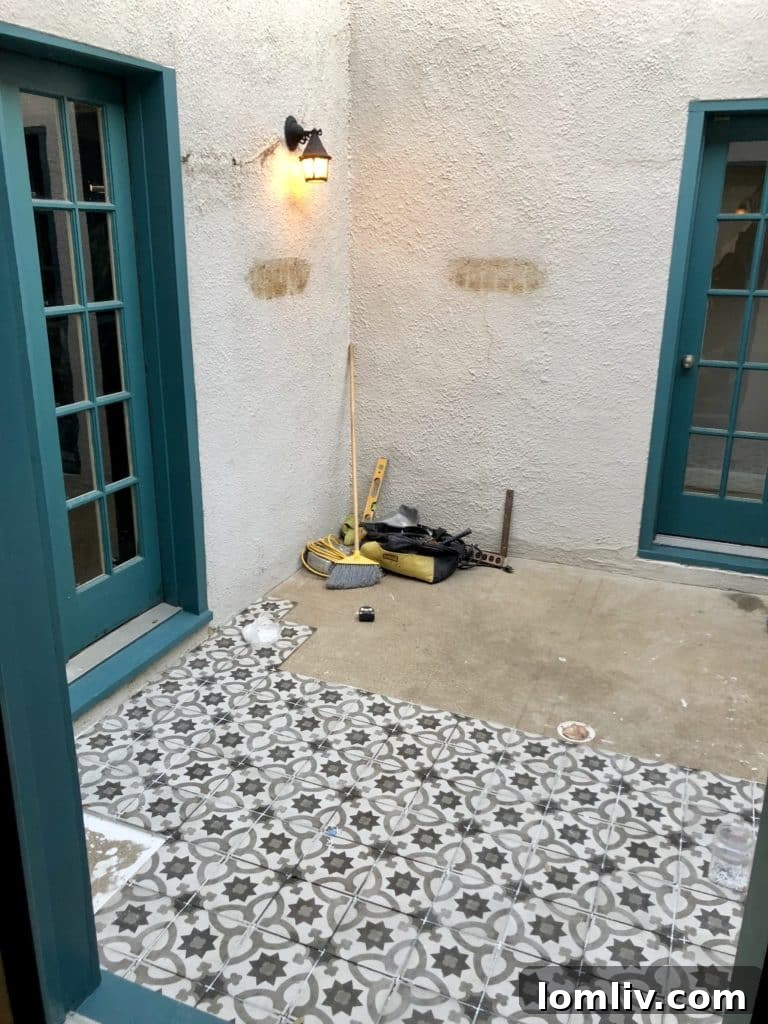
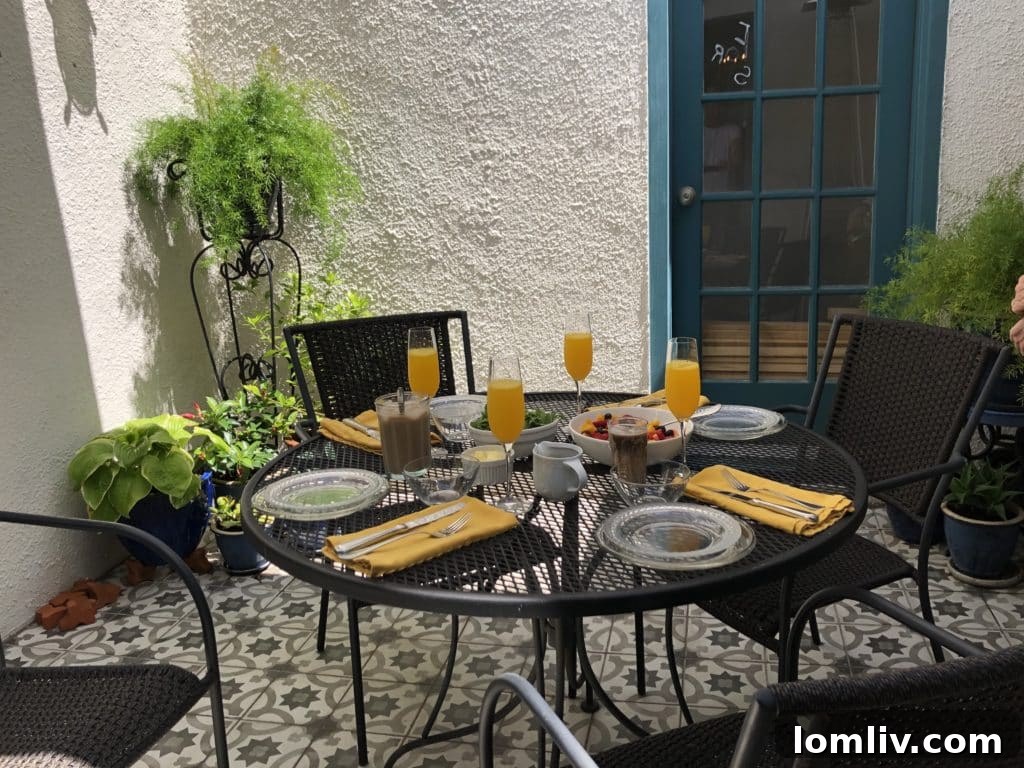
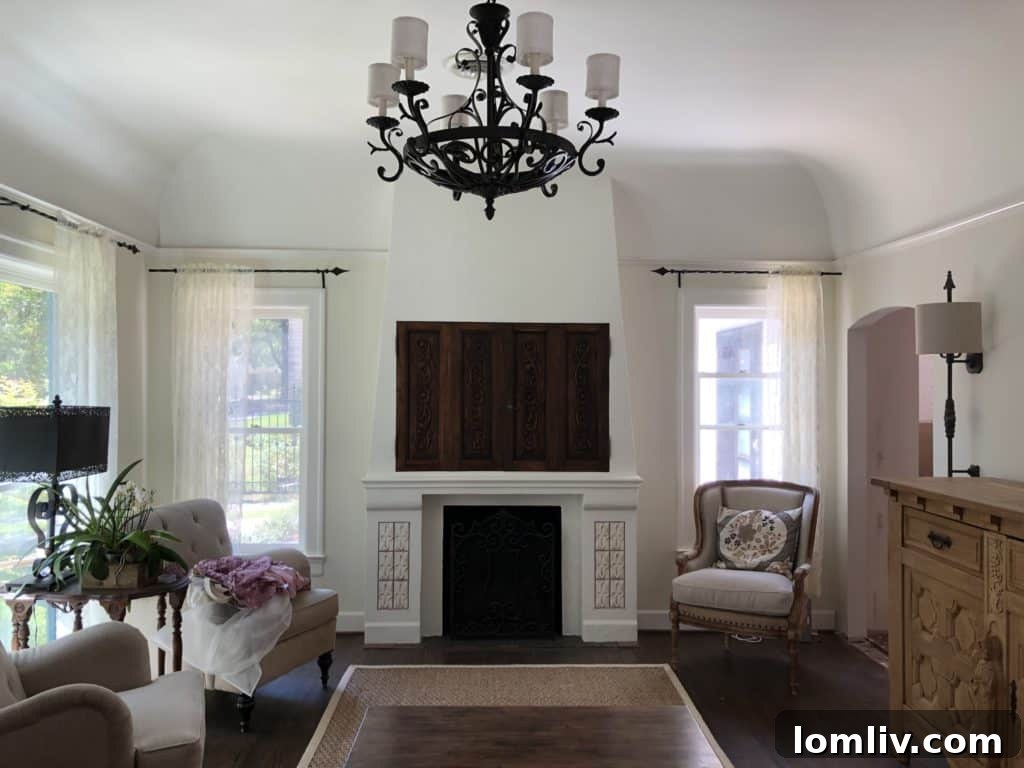
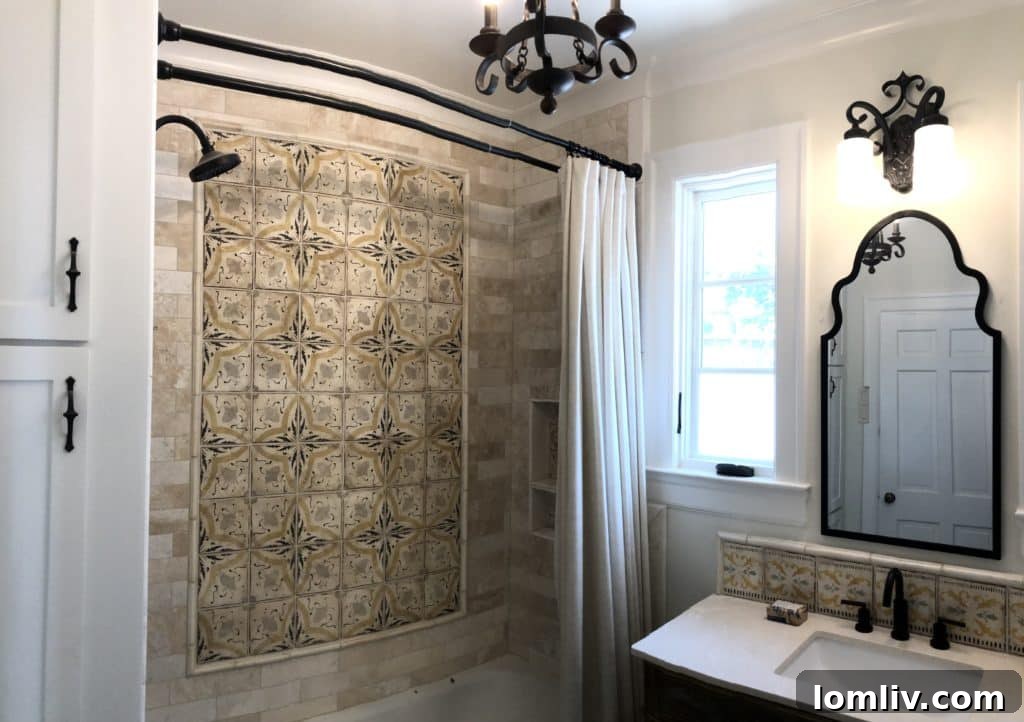
Restoring a historic home is far from being a monotonous litany of challenges; it is also an extraordinary journey filled with profound joy, discovery, and adventure. For the Lunas, this meant immersing themselves in the vibrant architectural heritage of San Miguel, a trip undertaken not just for leisure but to absorb inspiration and meticulously collect unique items for their Spanish Colonial home. From San Miguel, they shipped back exquisite doors, authentic tiles, and distinctive hardware, each piece imbued with history and character. Their dedication extended to sourcing bespoke light fixtures and designing a living room fireplace that, with its timeless elegance, appears to have been an original feature of the house since its 1938 construction. This level of personal involvement and meticulous sourcing undeniably transforms the renovation into a true labor of love, where every detail tells a story.
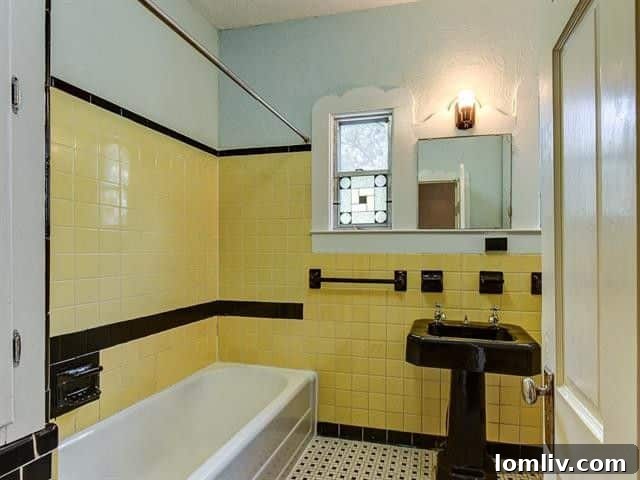
The Lunas, with their unique blend of expertise and unwavering dedication, are exceptionally well-suited to tackle a project as complex and demanding as the restoration of this historic Spanish Colonial home. Their success serves as a powerful testament to what can be achieved with the right knowledge and approach. For those considering a similar undertaking, it is crucial to recognize that not everyone possesses the patience to meticulously study intricate conservation ordinances or the resilience to navigate bureaucratic hurdles. If you find yourself in this position, it is highly advisable to enlist the services of a professional who specializes in historic renovations, someone who deeply understands the nuances of preservation and can skillfully guide you through the process.
Patrick Luna succinctly summarized the essential ingredients for a successful historic renovation: “You need a lot of patience, a sensible time frame, and of course, money. But patience is the most important element. Know when you are done, it will be worth it.” His words emphasize that while financial investment and careful planning are vital, it is the enduring patience and vision that ultimately transform a challenging project into a triumphant restoration.
Through their meticulous attention to detail, extensive research, and courageous advocacy for what they knew to be authentic and historically correct, the Lunas have achieved a remarkable feat that everyone in the neighborhood had hoped for with this historic Spanish Colonial. The result is a stunning vintage home, thoughtfully updated for modern living, that not only honors its rich past but also sets a new standard for historic preservation. Their efforts have ensured that 918 Valencia Street will continue to inspire and charm for generations to come, a true legacy in the heart of Hollywood Heights. Bravo!
Karen Eubank is the owner of Eubank Staging and Design. She has been an award-winning professional home stager and writer for over 25 years. Karen teaches the popular Staging to Sell class and is the creator of the online course, The Beginners Guide to Buying Wholesale. Her love of dogs, international travel, champagne, and historic homes knows no bounds. Her father was a spy, so she keeps secrets very well! Find Karen at www.eubankstaging.com