By Misty Maberry
Special Contributor
The Juanita Craft Civil Rights House: Reopening a Landmark of Justice in Dallas
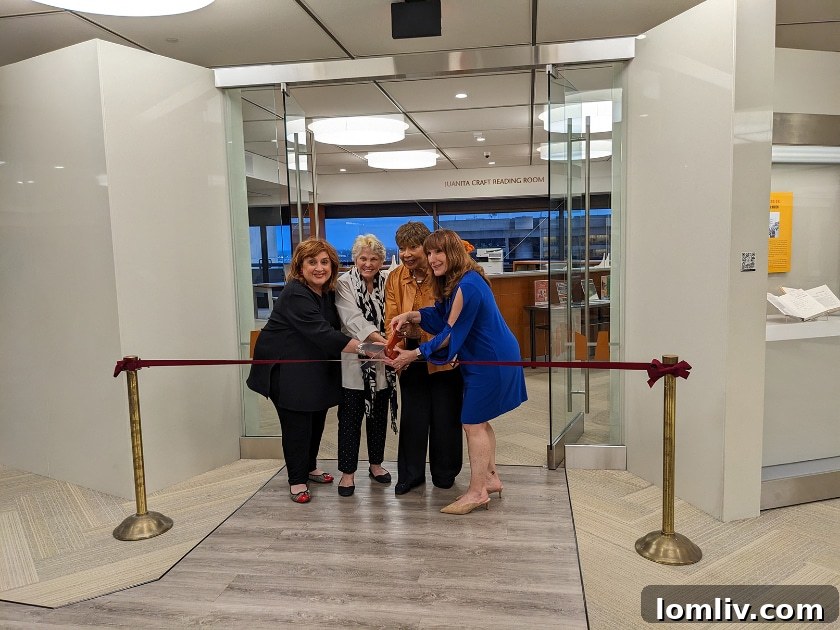
The Dallas Public Library proudly announces its integral partnership with the Office of Arts & Culture in the significant restoration and reopening of the Juanita Craft Civil Rights House. This revered historical site is set to welcome visitors once again on Saturday, May 20, at 11 a.m. The reopening marks a monumental occasion, not only for the city of Dallas but for the broader narrative of the American civil rights movement. This house, a powerful symbol of activism and community, will serve as an immersive educational museum, offering profound insights into the life and enduring legacy of Juanita Craft—a woman whose relentless fight for equality shaped generations.

Juanita Craft: A Fearless Advocate for Equality and Social Change
Born in 1902, Juanita Craft emerged as an extraordinary figure in the civil rights movement, dedicating her entire existence to challenging injustice and championing the causes of equality, improved living conditions, and integration. Her influence, particularly across Texas, was transformative and far-reaching. Craft’s unwavering commitment to activism ignited in 1935 when she became a member of the National Association for the Advancement of Colored People (NAACP). For more than half a century, she was an indispensable force within the organization, holding diverse and impactful roles that solidified her reputation as a formidable leader in the pursuit of racial justice.
A cornerstone of Craft’s remarkable career was her profound dedication to empowering the youth. Recognizing that future progress depended on nurturing young leaders, she accepted the appointment as the statewide Youth Council advisor of the NAACP in 1946. This role became a central passion, enabling her to mentor and mobilize countless young individuals, transforming them into active participants in the fight against segregation and discrimination. Craft’s approach went beyond mere instruction; she provided a safe space for dialogue, strategic planning, and hands-on activism. She instilled in her young protégés a sense of purpose, confidence, and the practical skills necessary to navigate and challenge the racial inequities of their time, leaving an indelible mark on their lives and the movement itself.

The Juanita Craft Home: A Hub of Community and Civil Rights Strategy
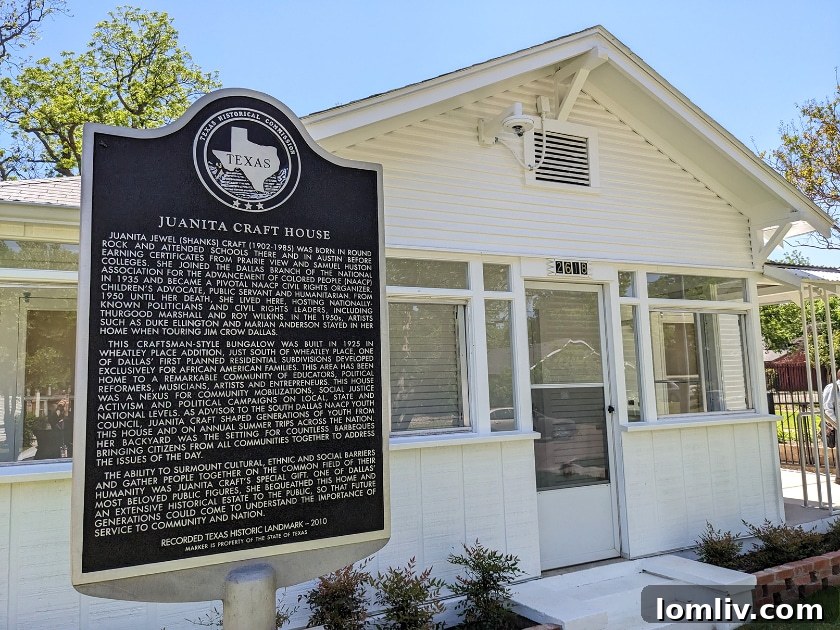
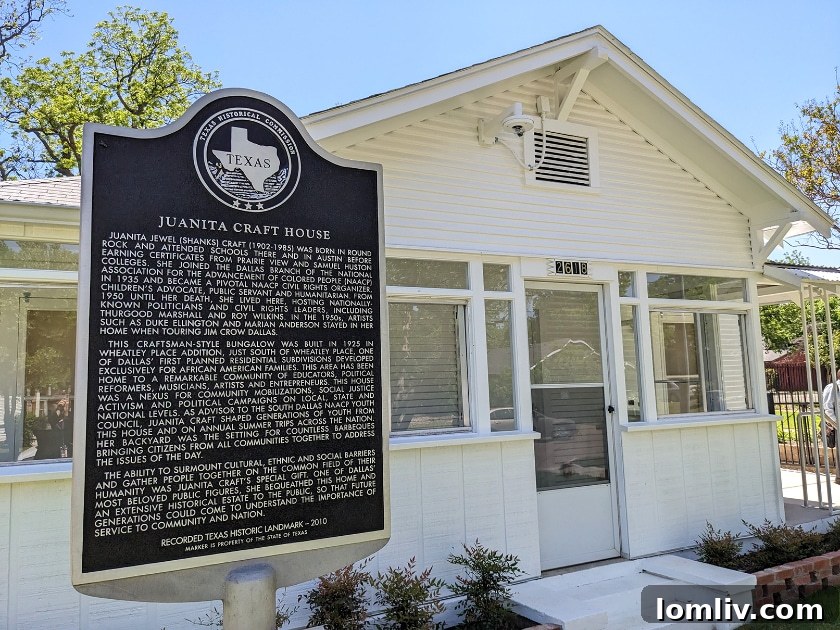
Juanita Craft’s modest house on Warren Street in South Dallas transcended the definition of a mere dwelling; it was a vibrant epicenter of community life and a crucial command center for the civil rights movement. Within its walls, neighborhood children found not only a welcoming and safe space but also a consistent source of comfort and sustenance, with refreshments like water and Kool-Aid, and meals like hotdogs and hamburgers always available. Ms. Craft’s generosity and commitment to youth development were legendary. She would organize educational cross-country trips for her youth council members, offering them exposure to new ideas and environments, an opportunity often denied to African American children during that era. These journeys often included invaluable lessons in social etiquette during restaurant visits, empowering young people with the confidence and social skills needed to navigate a segregated world.
From 1950 until her death in 1985, this unassuming home served as the strategic headquarters for many of the most pivotal civil rights initiatives in Dallas, throughout the state of Texas, and with ripple effects across the nation. It was within these rooms that countless protests were planned, strategies for desegregation were meticulously crafted, and a new generation of activists was inspired and trained. Campaigns to desegregate Dallas lunch counters, public schools, the State Fair of Texas, and even the University of North Texas were discussed and organized here. The house stands as a living testament to the power of grassroots activism, showcasing how a single dedicated individual could transform her personal space into a formidable force for societal change, making its preservation vital for understanding the depth of the civil rights struggle.
The Audacious “Kids Kan Kampaign” and Its Enduring Legacy
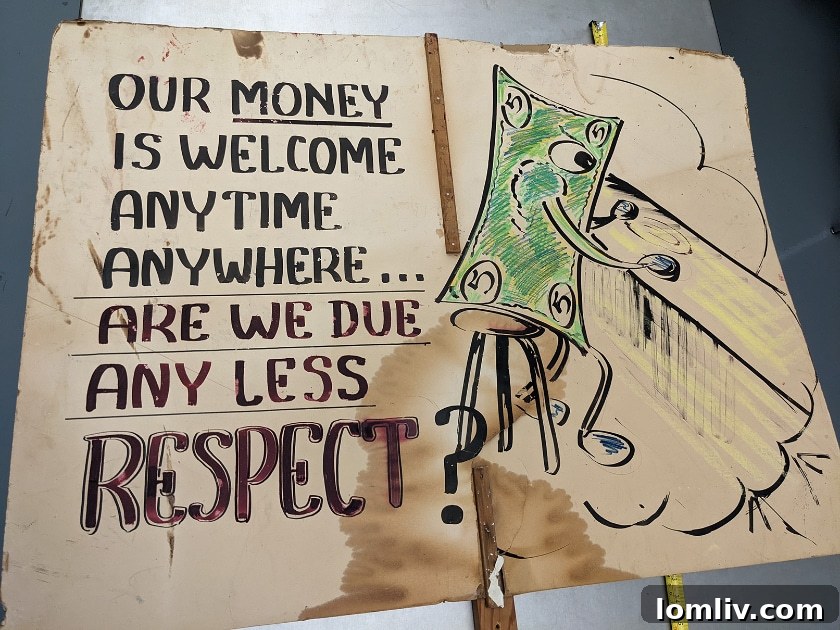
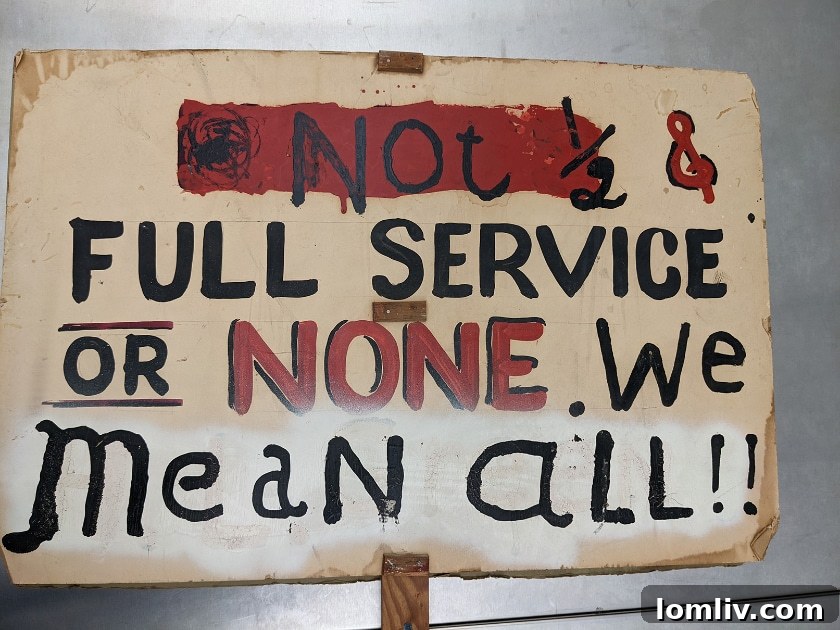
Under Juanita Craft’s exceptionally bold and innovative leadership, the South Dallas NAACP Youth Council became a dynamic engine of grassroots activism. These courageous young individuals were at the forefront of the movement, actively involved in screen-printing protest signs, organizing powerful picket lines, and directly confronting segregated institutions across Dallas. A notable achievement was their instrumental role in the successful desegregation of the State Fair of Texas, a deeply entrenched symbol of racial division. Beyond direct protests, the Youth Council also initiated meaningful community improvement projects, organizing neighborhood cleanups under the provocatively named “Kids Kan Kampaign” or ‘KKK.’
The intentional choice of the acronym ‘KKK’ was a stroke of strategic brilliance. It immediately seized public attention, creating a stark and unforgettable juxtaposition between the hateful connotations of the Ku Klux Klan and the positive, community-oriented work of Craft’s youth group. This daring move was so impactful that in April 1969, the Dallas Morning News featured a compelling headline: “Woman Organizing ‘KKK’.” The controversy even reached the City Council, where The Dallas Times Herald reported on the council’s eventual approval of the project, despite Councilman Charles Cullum openly expressing “wonderment over the name.”
Councilman Cullum famously asked, “Couldn’t we call it ‘Craft Can Campaign’?” suggesting a less confrontational alternative. However, Mrs. Craft, renowned for her unwavering resolve and profound understanding of public messaging, firmly insisted, “It’ll be the ‘Kids Kan Kampaign’. That’s KKK.” Her steadfastness underscored her genius as an activist; she masterfully repurposed a loaded symbol to highlight the very injustices her campaign aimed to dismantle. This campaign not only achieved its immediate objectives of community betterment and heightened public awareness but also deeply empowered the participating youth, instilling in them invaluable lessons in strategic thinking, resilience, and the power of collective action.
The Enduring Impact of the “Craft Kids”
The young people who grew up under the profound influence of Ms. Craft’s mentorship became affectionately known as the “Craft Kids.” Their active involvement in the NAACP Youth Council and various impactful campaigns provided them with far more than just experience; they gained invaluable life skills, a deep understanding of effective activism, and an unwavering commitment to the principles of social justice. So transformative was Juanita Craft’s guidance that many of these “Craft Kids” went on to dedicate their adult lives to public service, becoming influential civil rights advocates, community leaders, and professionals deeply committed to advancing social justice in their respective fields. Their inspiring journeys serve as a powerful testament to Craft’s unparalleled ability to inspire, cultivate, and empower future generations of leaders. For those interested in hearing these compelling stories firsthand, an interview with some of the Craft Kids from last year is preserved at the Dallas Holocaust and Human Rights Museum, offering personal insights into their experiences and her lasting impact.
The Dallas Public Library’s Integral Role in Preserving Juanita Craft’s Legacy
The Dallas Public Library maintains a profoundly deep and long-standing relationship with Juanita Craft, serving as an indispensable custodian of her invaluable historical records and personal legacy. Craft’s association with the library began as early as 1973, when she started depositing various materials related to her extensive activism and personal life. This foundational collaboration culminated in the formal establishment of the comprehensive Juanita Craft Collection in 1983, an momentous event solidified by Juanita Craft’s own signature. This meticulously curated collection has since grown into an essential primary resource for historians, researchers, students, and anyone eager to explore the intricate history of the civil rights movement in Texas.
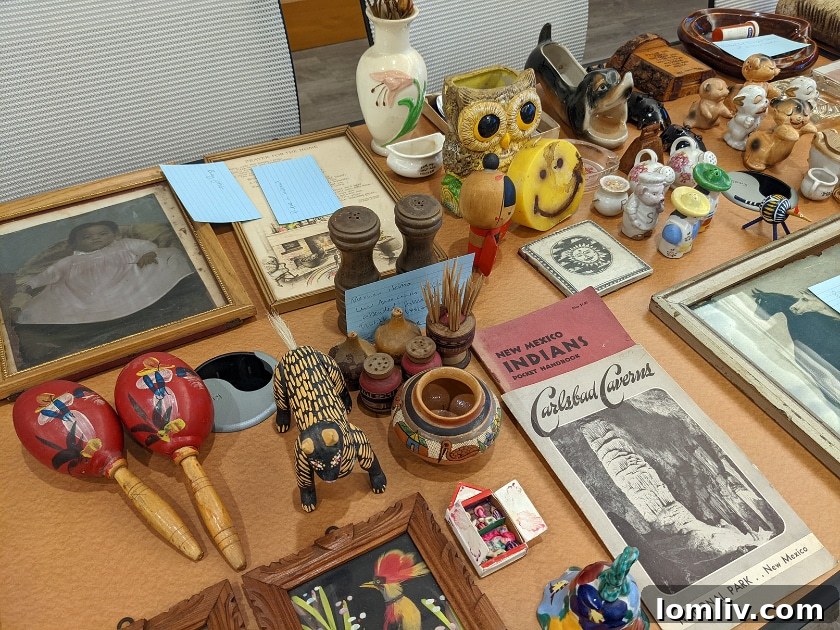
Over the decades, the Dallas Public Library has diligently worked in close partnership with the Juanita Craft Foundation, ensuring the continuous expansion, meticulous cataloging, and rigorous preservation of her vast archives. This enduring collaboration has resulted in the acquisition of numerous additional items, including her personal correspondence, organizational records, photographs capturing pivotal moments, and significant personal belongings. These artifacts collectively offer unparalleled insights into her daily struggles and triumphs, her strategic thinking as an activist, and the extensive network of individuals and organizations she collaborated with in her tireless fight for justice and equality.
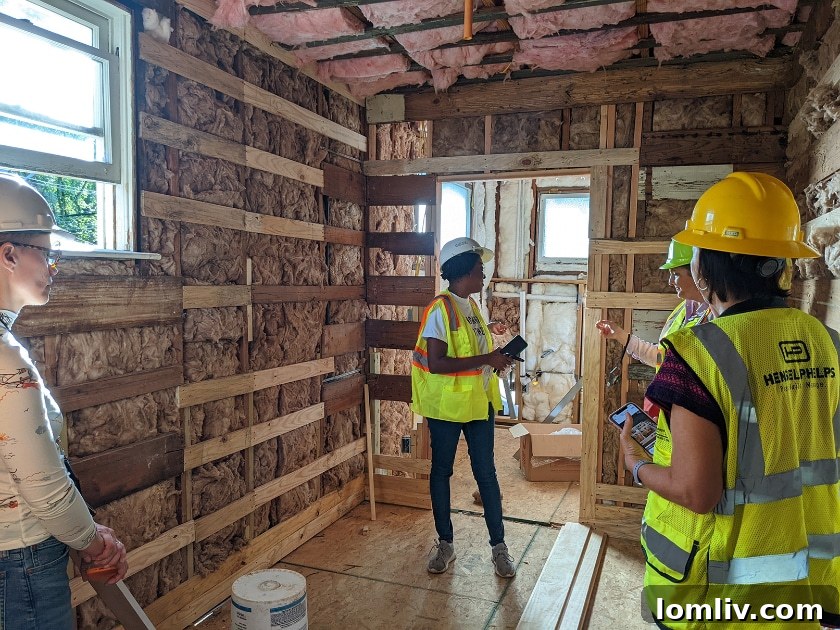
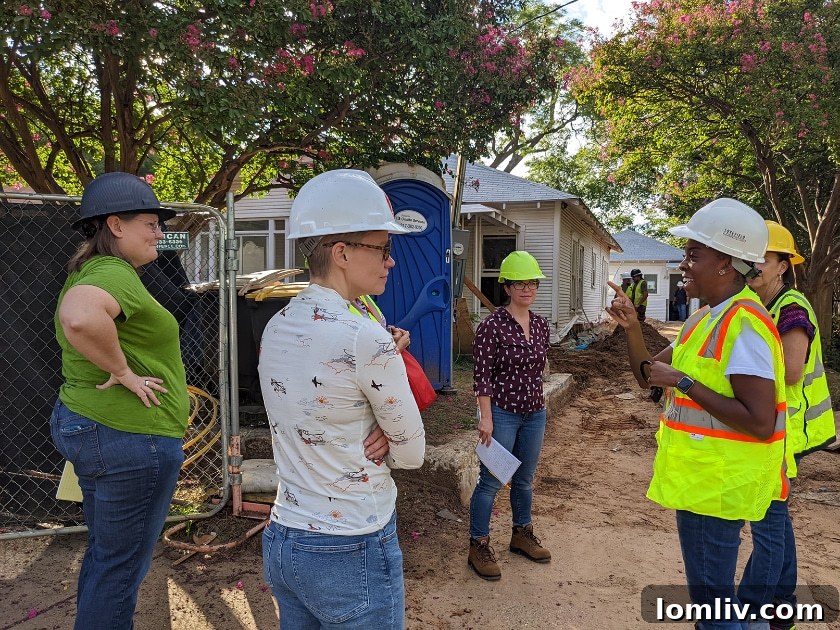
A significant milestone occurred in late 2021 when the Juanita Craft Foundation made a generous donation of the remainder of her cherished possessions to the library. This donation was notably synchronized with the period when her historic house, strategically located within the Wheatley Place Historic District near Fair Park, was undergoing a thoughtful re-imagination and preparation for an extensive renovation. This coordinated effort highlights a holistic commitment to honoring her memory, encompassing both the preservation of her tangible historical records and the meticulous restoration of her physical home.
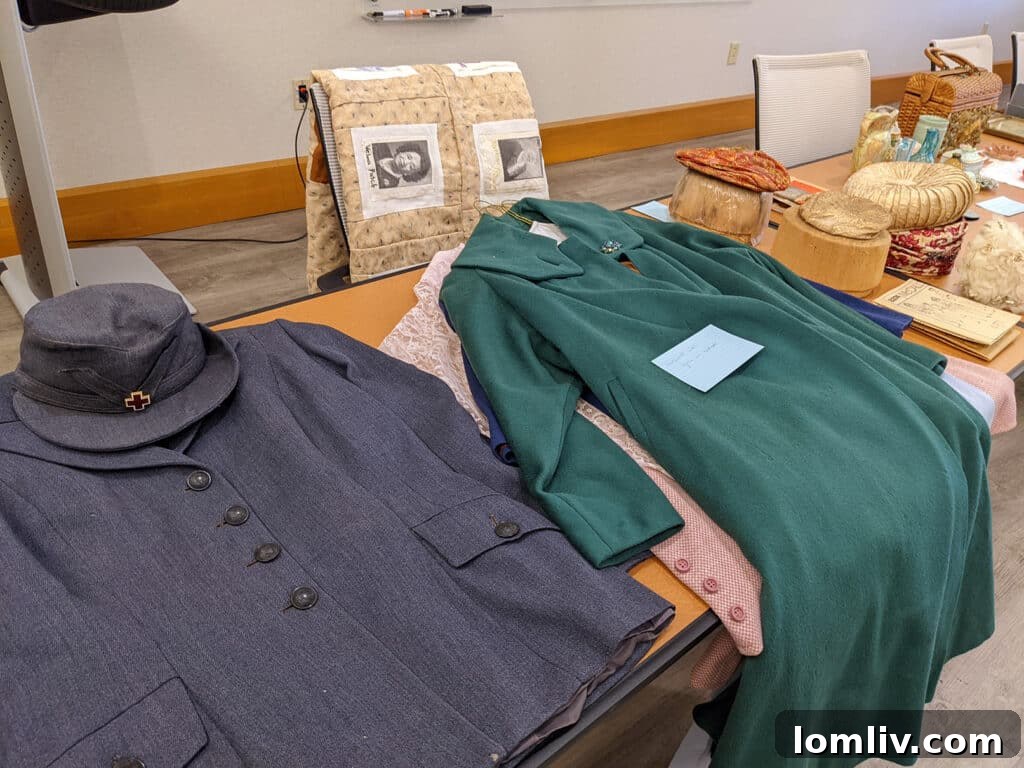
For nearly two years, the library’s expert staff has engaged in intensive collaboration with the designers and curators tasked with transforming the house into a dynamic museum. This rigorous preparatory phase has involved the careful selection, conservation, and precise preparation of collection items, ensuring they can be respectfully and impactfully displayed within the newly renovated home. The overarching goal is to craft an immersive and authentic experience for visitors, allowing them to step back in time, connect directly with Juanita Craft’s personal environment, and absorb the powerful stories woven into her belongings. The grand reopening of the house, eagerly anticipated by many, is now upon us, promising to unveil a vibrant new chapter in the ongoing preservation of this crucial piece of American civil rights history.
Experience History: Visiting the Juanita Craft Civil Rights House Museum
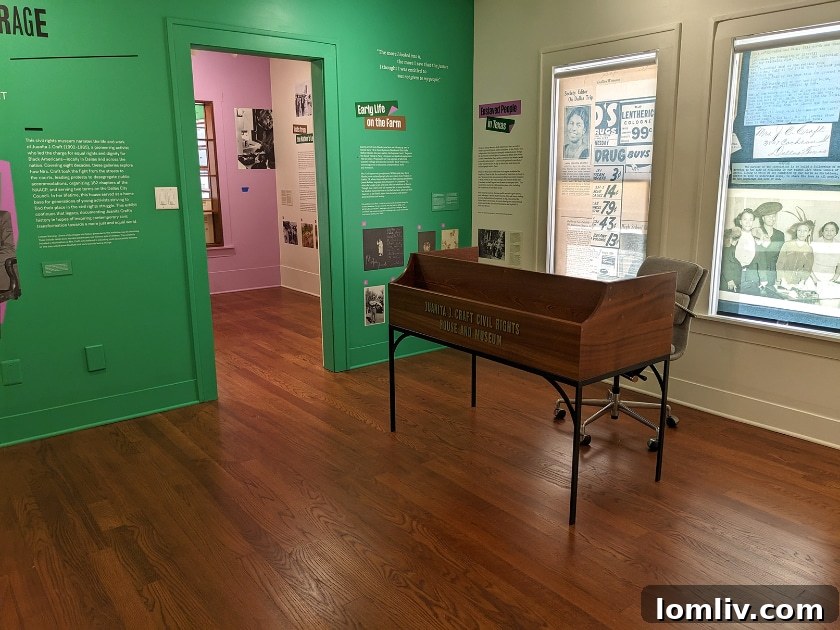
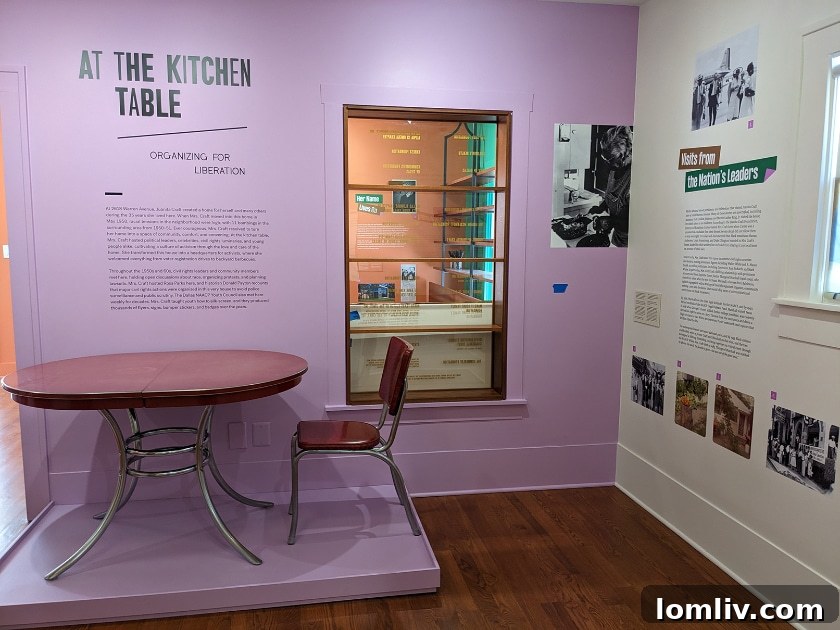
The newly re-imagined Juanita Craft Civil Rights House, now operating as an inspiring museum, offers an unparalleled opportunity for individuals of all ages to explore the profound and lasting impact of this remarkable woman. Visitors will be guided through her meticulously restored home, walking through the very spaces where she lived, worked, and strategically planned some of the most important civil rights initiatives in Dallas. The exhibits will proudly feature a curated selection of artifacts directly from the Dallas Public Library’s extensive Juanita Craft Collection, including deeply personal items, critical documents, and compelling photographs that vividly bring her powerful story and the broader civil rights movement to life. The museum’s core mission is to educate, inspire, and foster a deeper, more empathetic understanding of the immense struggles and significant triumphs faced by African Americans in their relentless pursuit of equal rights.
More than just a static collection of historical displays, this house is envisioned as a dynamic, living testament to the enduring power of activism and community engagement. It is poised to host a diverse array of educational programs, engaging workshops, and thought-provoking discussions designed to captivate both youth and adult audiences. These programs will draw direct connections between Juanita Craft’s historic efforts and contemporary issues of social justice, highlighting the ongoing relevance of her work. By creating an interactive, reflective, and empowering space, the Juanita Craft Civil Rights House aims to ignite a passionate commitment to civic responsibility and empower new generations to courageously continue the vital pursuit of a more equitable and just society for all.
Plan Your Visit and Delve Deeper into History
We extend a heartfelt invitation for you to personally experience the profound history and enduring legacy of Juanita Craft. To schedule a comprehensive guided tour of the Juanita Craft Civil Rights House, please reach out directly to the Office of Arts & Culture by calling 214-670-3687. This unique opportunity allows you to walk through the very rooms where history was actively shaped and truly feel the powerful spirit of a movement that fundamentally transformed Dallas and, by extension, the nation.
For those passionate about delving deeper into Juanita Craft’s impactful life and the broader context of the civil rights era, the Dallas Public Library provides a wealth of extensive and accessible resources. We highly encourage further research by exploring our comprehensive library catalog, which offers access to a vast array of materials related to African American history and civil rights. Additionally, an invaluable tool for focused research is the detailed finding guide to the Juanita Craft Collection, providing a clear roadmap to her archived documents, photographs, and personal artifacts. For more personalized assistance or specific inquiries, please feel free to contact the Dallas History & Archives Division at 214-670-1435 or send an email to [email protected]. Our dedicated team is committed to supporting your exploration of this vital and inspiring chapter in American history.
Misty Maberry is a Certified Archivist who expertly manages the Dallas History & Archives Division and the Virginia Lazenby O’Hara Fine Books Collection at the Dallas Public Library. Her profound expertise is crucial in preserving and ensuring the accessibility of Dallas’s rich and diverse historical narratives for future generations.