1401 Elm Street: The Fight to Save a Downtown Dallas Landmark from Foreclosure
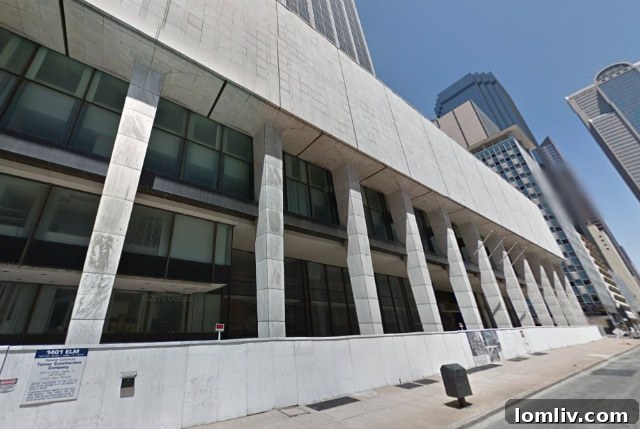
Downtown Dallas is facing a critical moment for one of its most iconic, yet troubled, landmarks: 1401 Elm Street. A monumental $240 million redevelopment project, once heralded as a cornerstone of the city’s revitalization efforts, has ground to a halt and now stands on the brink of a forced foreclosure. This dramatic turn of events, which we previously reported last week, has cast a shadow of uncertainty over the future of a building that represents both Dallas’ storied past and its ambitious future.
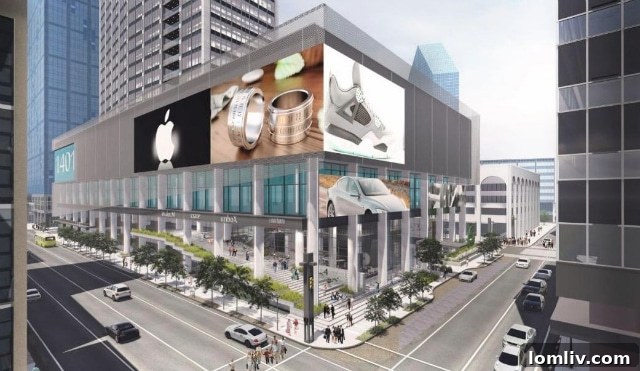
The ambitious plan to transform the historic 1401 Elm into a vibrant mixed-use hub was poised to inject new life into the heart of the Central Business District. The City of Dallas, recognizing the immense potential and economic impact of the project, had committed a substantial $50 million in economic incentives to ensure its progress. However, the unexpected departure of New York-based Olympic Property Partners from the development has triggered a cascade of financial distress. Early lenders, who had fronted a significant $53.5 million to kickstart the redevelopment, are now demanding repayment and are consequently forcing a foreclosure sale scheduled for December 1st.
Dallas City Officials Vow to Protect a Key Redevelopment
Despite the current turmoil, city officials are not ready to give up on 1401 Elm. They view this deal as a critical milestone for Downtown Dallas’ continued revitalization and feel a strong imperative to intervene and safeguard the skyscraper’s future. The planned mixed-use redevelopment, featuring a strategic blend of modern commercial spaces and much-needed residential apartments, is seen as vital for the area’s growth and continued appeal. The city has reiterated its steadfast support for the project’s original vision, underscoring its pivotal role in the urban fabric.
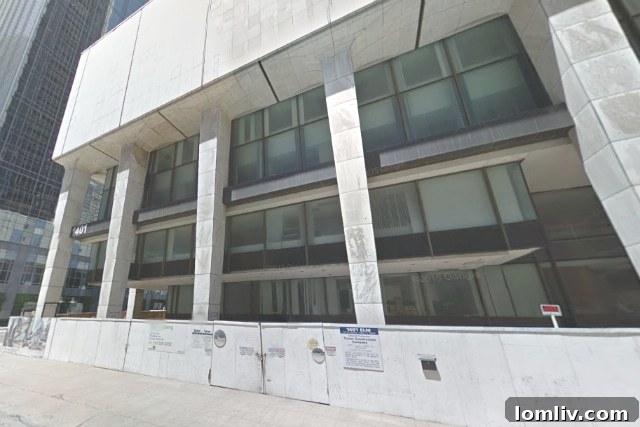
Karl Zavitkovsky, Director of the Office of Economic Development for the City of Dallas, articulated the city’s position, stating, “We are absolutely committed to the redevelopment of the 1401 building, but will need to see how the ownership situation shakes out before making a specific recommendation to the city council.” He shared this sentiment with Steve Brown of the Dallas Morning News, further adding, “The good news from the city’s perspective is that almost all the environmental mitigation and interior demolition is completed. Redevelopment of 1401 Elm remains a high priority for the city.” This statement highlights that significant initial work, crucial for any large-scale renovation, has already been completed, representing a tangible investment of time and resources that the city is keen not to lose.
Conditional Commitments and the Path Forward
Zavitkovsky further clarified that the city’s $50 million incentive package is critically contingent upon the redevelopment progressing precisely as initially planned. Any alterations to the project’s scope, financial terms, or ownership structure would necessitate a complete reevaluation. He emphasized, “If the scope of work and/or deal points change, we’ll need to revisit specifics with a new ownership structure and make recommendations to the tax increment finance district board and city council accordingly.” This statement underscores the city’s strategic yet cautious approach, ensuring that taxpayer funds are allocated to projects that align with their original economic development goals.
The Storied History and Grand Vision for 1401 Elm
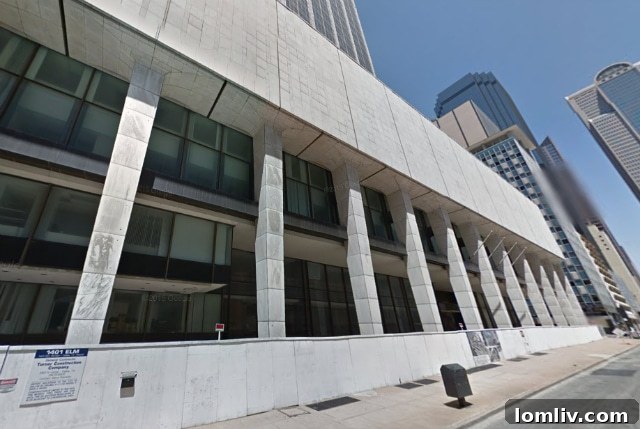
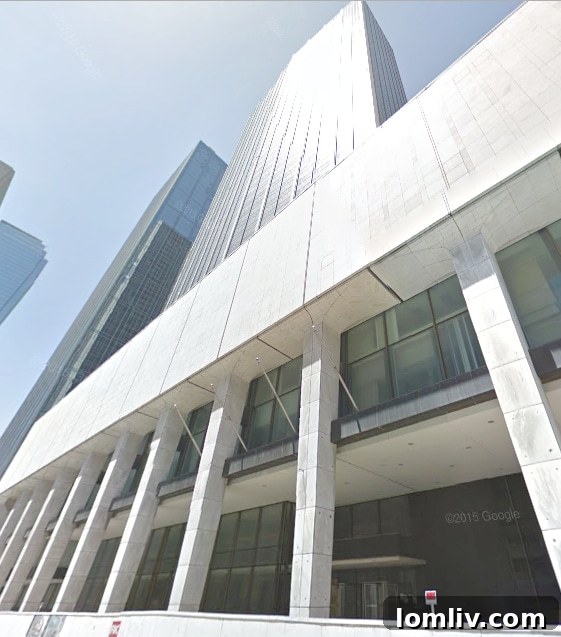
The building at 1401 Elm Street holds a prominent place in Dallas’ architectural and economic history. Once proudly touted as the tallest building west of the Mississippi River, this magnificent glass skyscraper, formerly known as the First National Bank building, boasts 52 stories and an expansive 1.5 million square feet of office space. Despite its grandeur, it has stood largely vacant since 2010, becoming the largest unoccupied building in downtown Dallas, sprawling across an entire city block between Elm Street and Pacific Avenue. Its re-animation is not merely a development project; it is an imperative for urban vitality.
The initial momentum for the redevelopment came last year when Olympic Property Partners joined forces with Dallas-based BDRC Partners to acquire the 1965-built structure. Together, these entities embarked on crucial preliminary work, including essential environmental abatement and extensive interior demolitions. These steps were not minor; they were complex, costly, and vital precursors to the full-scale transformation envisioned for the property.
City leaders and fervent advocates for Downtown Dallas widely celebrated this $240 million landmark deal. It was, and still is, considered by many to be absolutely critical for the sustained economic and cultural health of the area. To put its scale into perspective, the next largest redevelopment project underway in downtown Dallas is the historic Statler Hilton Hotel, which carries a robust price tag of $175 million. The sheer magnitude of 1401 Elm’s project highlights its profound significance in the urban landscape.
The Looming Threat of Foreclosure and Bankruptcy
The impending forced foreclosure sale, scheduled for next Tuesday, presents a grave challenge. If it proceeds, the current building owners would likely be compelled to seek bankruptcy protection to retain any control over the property. As anyone familiar with bankruptcy proceedings understands, this is far from a swift resolution. It is a notoriously long, drawn-out, and intricate legal process that would undoubtedly derail any hopes of keeping the redevelopment of 1401 Elm on its current, albeit stalled, schedule. Such a delay could easily add years to the project, diminishing its appeal and increasing its costs.
John Crawford, President and CEO of Downtown Dallas Inc., a leading advocacy group for the area, expressed his deep concern to Steve Brown. “I’ve called the lender to tell them how important this is to Dallas—I can’t imagine they would go through with this foreclosure,” Crawford stated. He passionately articulated the urgent need for a capable developer: “We need somebody with the wherewithal to do this project. I’m trying to not let this continue to slip. The longer it slips, the more difficult it will be to do.” His words encapsulate the collective anxiety that this vital project could languish further, becoming an even more complex undertaking.
The Unthinkable Alternative: Demolition
Adding a profoundly depressing dimension to this unfolding saga is a report by Steve Brown: without a successful renovation, the landmark Dallas tower faces a grim future. It could either persist as downtown’s largest derelict and decaying building, a constant blight on the urban core, or it could face the devastating prospect of demolition. Such an undertaking would not only be emotionally jarring for a city that prides itself on progress but also financially staggering, potentially costing tens of millions of dollars. Furthermore, the demolition of 1401 Elm would make history for all the wrong reasons: it would be the largest U.S. skyscraper ever demolished, a stark symbol of unfulfilled potential rather than revitalized ambition.
What’s Next for 1401 Elm?
The fate of 1401 Elm Street hangs precariously in the balance. The upcoming foreclosure sale next Tuesday will be a pivotal moment, determining whether this iconic skyscraper can be rescued and transformed, or if it will plunge further into uncertainty. The city, developers, and downtown advocates are all keenly watching, hoping for a resolution that preserves this crucial piece of Dallas’ future. We will continue to monitor this evolving situation closely and provide updates on the outcome of the foreclosure proceedings, should they occur, and the subsequent path forward for this vital Downtown Dallas landmark.