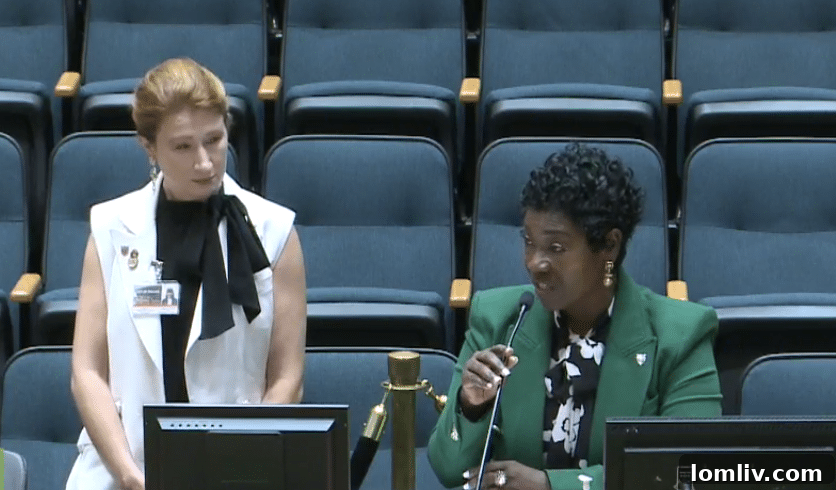
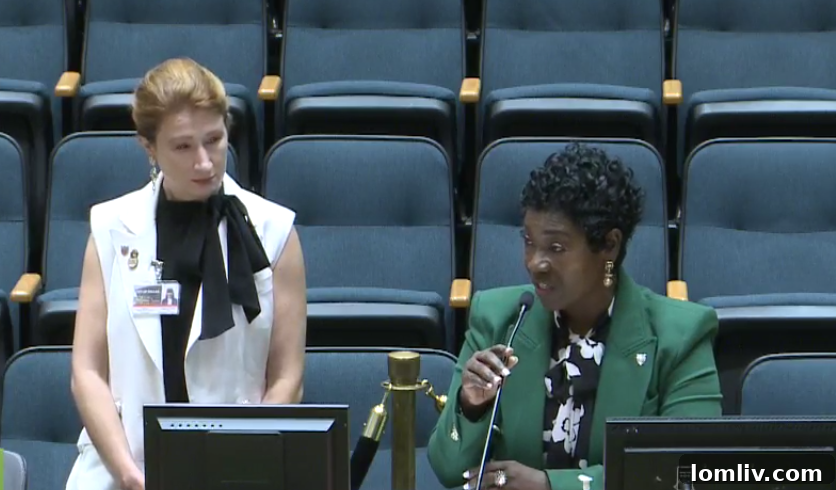
Dallas is taking significant steps to address its growing homelessness crisis. In a pivotal move, the Dallas City Council recently authorized the city manager to enter into a substantial $3 million, one-year contract with Housing Forward. This agreement is intended to provide crucial master leasing services for the city’s Office of Homeless Solutions, aiming to accelerate the provision of housing for vulnerable residents across Dallas. This strategic investment underscores the city’s commitment to finding tangible, effective solutions to bring individuals and families off the streets and into stable homes.
The council’s decision, however, was not without spirited debate. While there was broad consensus among council members on the urgency of the homelessness issue, Councilwoman Cara Mendelsohn raised significant concerns regarding the nature and transparency of the resolution. Mendelsohn pointed out that the comprehensive 180-page contract, which council members had limited time to review before the vote, did not, in her view, clearly outline a genuine master lease program. Instead, she argued it appeared to offer an opportunity for individuals holding housing vouchers to secure immediate housing, a mechanism she distinguished from the official definition of master leasing.
Highlighting her concerns, Councilwoman Mendelsohn requested a five-week deferral of the measure. Her intention was to allow elected officials ample time to thoroughly study the proposal, seek clarification, and pose additional questions. She emphasized that the proposal had not undergone a prior briefing before the council’s dedicated Housing and Homelessness Solutions Committee, a point echoed by other officials during the June 28 council meeting. “If we pass this as it stands, we still won’t have a true master leasing program,” Mendelsohn stated during the discussion. “If the individual is directly contracting with the landlord, that fundamentally deviates from a master lease model.”
Christine Crossley, the Director of Homeless Solutions, acknowledged the procedural shortcomings, confirming that the item had not been formally briefed and the extensive contract was only distributed on the morning of the council meeting. Despite these challenges, city staff pushed for the item to be placed on the agenda before the council’s summer recess. Crossley explained the rationale, emphasizing that “the need for housing is incredibly dire,” necessitating swift action from the city to address the pressing humanitarian situation facing Dallas’s homeless population.
Ultimately, after a robust exchange of views and a clear acknowledgment of the urgent need for housing, the Dallas City Council moved forward and passed the motion, greenlighting the contract with Housing Forward. This decision reflects a delicate balance between procedural scrutiny and the urgent demand for immediate housing interventions for vulnerable Dallas residents.
While the resolution adopted on June 28 explicitly uses the term “master lease,” its interpretation diverges from the strict official definition established by the U.S. Department of Housing and Urban Development (HUD). Deputy City Manager Kim Tolbert clarified the city’s understanding, explaining that the term allows Housing Forward to efficiently secure housing units in bulk quantities. This approach enables a more streamlined process for acquiring a substantial number of properties, essential for addressing the scale of homelessness in Dallas.
“Crucially, this program does not position the City of Dallas as the potential landlord,” Tolbert elaborated. “The flexibility inherent in this motion provides us with a vital opportunity to develop a program that we firmly believe will be more advantageous and efficient for the City of Dallas in the long run.” This distinction was significant, as it meant the city would not directly assume the risks and administrative burdens typically associated with traditional master leasing where the government entity itself becomes the primary tenant.
For the majority of the city council members, these semantic distinctions were secondary to the overarching objective: providing immediate housing solutions for the homeless. City officials highlighted the stark reality of the crisis, noting that at least 844 individuals were actively waiting for housing, many already holding vouchers or rental subsidies that faced expiration if not utilized promptly. The urgency of this situation underscored the council’s desire to act decisively.
City Manager T.C. Broadnax succinctly captured the prevailing sentiment among the council. “You can label it however you choose,” Broadnax asserted, prioritizing outcome over nomenclature. “I simply call it a place where people can find shelter and stability. If we can facilitate that, I believe this council should take pride in that accomplishment.” His statement underscored a pragmatic approach focused on tangible results for those in dire need of housing, reinforcing the council’s collective resolve to address the crisis with immediate action.
Master Leasing Versus Rental Assistance: Unpacking the Dallas Debate

The core of the debate at the Dallas City Council meeting revolved around a fundamental difference in understanding what constitutes “master leasing.” Councilwoman Mendelsohn, a vocal proponent of clear definitions and established best practices, meticulously explained her perspective. She clarified that traditional master leasing involves an entity—often a non-profit organization or a governmental agency—renting multiple apartment units directly from a landlord. In this arrangement, the entity becomes the primary tenant, paying rent directly to the property owner.
“Under a true master lease model, the entity assumes direct responsibility for those properties,” Mendelsohn elaborated. “They manage who moves in and out, and they collect rent from the individual occupants. This is the successful model employed in cities like Houston, where it has proven effective in scaling housing solutions. However, it’s also recognized as a program with a high administrative burden and inherent risks for the leaseholder. In this context, while the city may have issued a Request for Proposals (RFP) for master leasing, the program being described—where individuals contract directly with landlords—is not master leasing. That is, by definition, a subsidized housing program, which is precisely what we already have with programs like Rapid Rehousing.” Her argument underscored the potential for confusion and the importance of precise terminology in deploying effective housing strategies.
Director Crossley, however, presented a nuanced counter-argument, emphasizing the practical benefits of the proposed approach for individuals experiencing homelessness. She clarified that a central objective of providing housing is to empower residents to build positive rental credit and establish a verifiable rental history, which is crucial for long-term housing stability. She also highlighted the importance of equitably distributing housing units across various neighborhoods within Dallas, ensuring accessibility and avoiding concentration in any single area.
“In this particular situation, it is far more advantageous to begin with the end goal in mind: securing the actual housing units,” Crossley explained. “This program serves as the essential connective tissue, enabling the bulk acquisition of units. Critically, these units are then placed directly in the client’s name, allowing them to cultivate that vital rental credit and remain in the housing if they choose to transition independently. Without this direct approach, we are merely postponing the more complex challenge of facilitating access to permanent supportive housing. For individuals holding housing vouchers, timely access to housing is paramount, as these vouchers typically carry an expiration date if not utilized within a specific timeframe.” This perspective highlighted the immediate, tangible benefits for individuals often trapped in a cycle of housing instability, offering a bridge to greater independence.
Housing Forward: A Critical Partner in Dallas’s Homeless Solutions
The program garnered strong advocacy from various council members who stressed the urgent need for action. Deputy Mayor Pro Tem Carolyn King Arnold passionately argued for the initiative, connecting the escalating homelessness crisis directly to broader community impacts. “The proliferation of homelessness is not just a humanitarian issue; it’s actively degrading our neighborhoods and diminishing property values,” Arnold stated. She painted a vivid picture of the consequences: “We face the inability to sell our homes because of the visible encampments and the presence of individuals congregating around vital community hubs like grocery stores and banks on Polk Street.” Arnold voiced the frustrations of her constituents, adding, “All we ask of staff is to persist in your efforts and deliver some relief, so we can provide concrete answers when residents call, questioning, ‘Can’t you do something?'” Her plea underscored the immense pressure on elected officials to demonstrate tangible progress.
Mayor Pro Tem Tennell Atkins echoed Arnold’s sentiments, emphasizing the profound and widespread nature of the homelessness problem in Dallas, and asserting that immediate intervention was not just desirable, but absolutely essential. Atkins’s remarks were a powerful call to action, reflecting a deep moral imperative to address the crisis without delay.
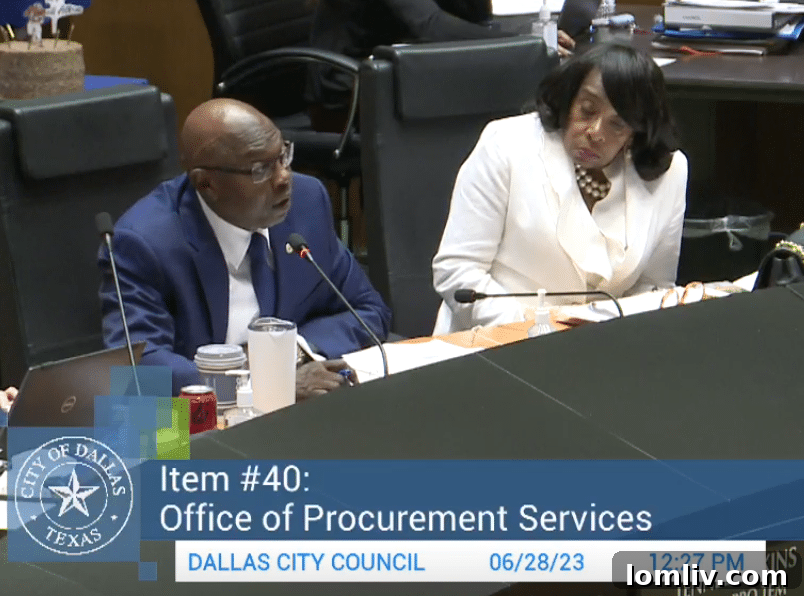
“If our genuine intent is to rectify this situation and achieve meaningful results, we simply cannot afford to defer action,” Atkins declared emphatically. “We need to address this immediately. Every single day, more individuals experiencing homelessness are drawn to Dallas, driven by the perception that we are actively striving to provide assistance. Many of these jobless and homeless individuals are African-American; they resemble me. I refuse to stand by and kick this critical issue down the road. It could have been my story, my sister’s, or my brother’s. If we fail to seize this moment, to leverage this $3 million investment now, I cannot, in good conscience, postpone a human life.” His moving appeal underscored the deeply personal and ethical dimensions of the council’s decision, framing the investment as a matter of saving lives and restoring dignity.
The sentiment for immediate action was also shared by community advocates. Adam Lamont, a District 10 resident representing Dallas Neighbors for Housing, voiced strong support for the program, citing Houston’s notable success in reducing homelessness through its own master leasing initiatives. “I am incredibly enthusiastic to witness this master leasing program commence operations,” Lamont conveyed to the City Council. “I am confident that Housing Forward will execute its role with excellence, and I sincerely hope the city will collaborate with the county to secure additional funding, ensuring the program’s long-term sustainability and expanding its reach.” His comments highlighted both the optimism surrounding the new initiative and the ongoing need for sustained, collaborative investment in Dallas’s affordable housing landscape.
Looking Ahead: Dallas’s Ongoing Commitment to Sustainable Housing Solutions
The Dallas City Council’s approval of the $3 million contract with Housing Forward marks a pivotal moment in the city’s broader strategy to combat homelessness. While the debate over the precise definition of “master leasing” highlighted the complexities of housing policy, the overarching goal remains clear: to provide immediate, stable housing for hundreds of Dallas residents. The urgency articulated by city leaders, coupled with the critical need to help individuals build rental history and access permanent supportive housing, underscores the multifaceted nature of this challenge.
As Housing Forward begins its work, the city will closely monitor the program’s effectiveness in securing units in bulk and successfully transitioning voucher holders into stable accommodations. The lessons learned from this initiative will be invaluable for refining future housing strategies and potentially scaling successful models. Furthermore, the calls for enhanced collaboration between the city and county, as well as with non-profit organizations, point to a growing recognition that a unified, well-funded effort is essential for achieving long-term solutions to homelessness in Dallas. This commitment goes beyond immediate relief, aiming to create a sustainable ecosystem where every resident has access to safe, affordable, and permanent housing.