
Navigating the Elite World: Insights from Christie’s Global Luxury Real Estate Report

In today’s dynamic economic landscape, characterized by robust employment figures and a tightly constrained luxury real estate market, finding the perfect high-end property can be as challenging as securing top-tier household staff. For discerning buyers, sellers, and real estate professionals navigating this exclusive niche, understanding the underlying trends is paramount. Christie’s International Real Estate, a global authority in luxury properties, offers invaluable insights through its annual “Luxury Defined” report. This comprehensive analysis provides a fascinating glimpse into the high-stakes, high-dollar world of luxury real estate, offering data-driven perspectives rather than mere anecdotal observations.
The sixth annual edition of this prestigious report serves as a critical compass for anyone involved in the upper echelons of the property market. It delves into the intricate factors shaping buyer behavior, market performance, and investment opportunities across the globe, revealing surprising shifts and reinforcing enduring truths about wealth and property.
Defining Luxury: A Christie’s Perspective
Before diving into the market’s nuances, it’s essential to understand how “luxury” is quantified within the report. Christie’s defines a luxury home as a property valued at 3.4 times the average cost of a home in its specific geographic area. This metric provides a consistent benchmark across diverse markets. Furthermore, the report highlights that, on average, the most expensive home in any given area commands a price 39 times higher than the average residence. These definitions are crucial for contextualizing market performance and identifying true luxury segments.
This tiered definition helps to differentiate genuinely high-end properties from those that might simply be at the upper end of the mainstream market. It underscores the unique characteristics and valuations associated with properties that cater to the ultra-affluent, emphasizing exclusivity, bespoke features, and often, irreplaceable locations.
Dallas’s Position in the Luxury Spectrum
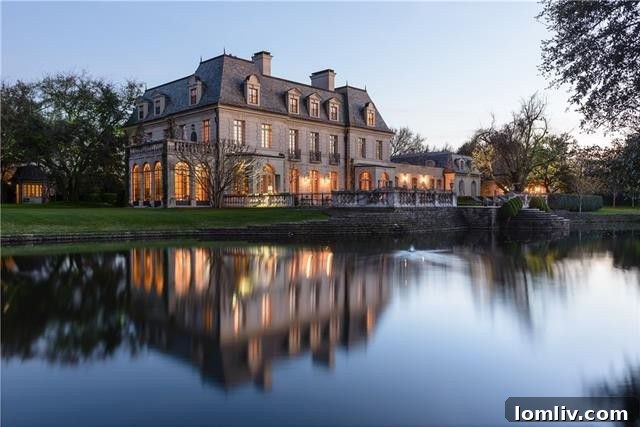
Applying Christie’s robust definition to the vibrant Dallas market provides a compelling local snapshot. As of March 2018, the average home in Dallas cost approximately $358,856. By Christie’s standards, a luxury home in Dallas would therefore be valued at around $1.218 million – a figure that aligns remarkably well with local market perceptions. Expanding on this, if the most expensive home in Dallas were 39 times the average, it would reach approximately $14 million.
Intriguingly, the Dallas market currently features at least six properties listed above this $14 million threshold. However, a closer look reveals that five of these are what Christie’s colloquially refers to as “dinosaur listings” – properties that have lingered on the market for an extended period, often indicating an initial overpricing strategy. This observation underscores the report’s accuracy, even in specific local contexts, providing a nuanced view of both demand and seller expectations.
The Dallas luxury market has demonstrated remarkable resilience and growth. The latter part of 2017 saw a significant surge in sales of properties over $1 million, with November and December experiencing year-over-year increases of 13 percent and 26 percent, respectively. This strong performance contributed to an impressive 31 percent full-year growth for the Dallas luxury market. While selling prices in these final two months of 2017 saw more modest gains of 2.8 percent and 1.1 percent, it’s anticipated that the full impact of U.S. federal tax cuts on the wealthy will be more visibly reflected in future reports, potentially further stimulating high-end transactions.
The Impact of Scarcity and Price Adjustments
A key finding that resonated across global markets was the profound influence of a short supply of high-end property. This scarcity played a significant role in driving an 11 percent year-over-year increase in sales of properties priced at $1 million-plus. The report further distinguishes between primary-residence areas, which saw sales climb by 10 percent, and second-home markets, which rebounded dramatically from a 7 percent decrease in 2016 to a robust 19 percent increase in 2017. This divergence highlights shifting preferences and investment strategies among luxury buyers.
Unsurprisingly, this pervasive scarcity also translated into shorter marketing periods for luxury homes. In 2016, selling a $1 million-plus home in a resort destination typically took an average of 305 days; by 2017, this had decreased to 259 days. Similarly, in primary homestead locations, the average days on market dropped from 160 to 146 days year-over-year, representing a notable 10 percent reduction. This accelerated sales cycle underscores the intensity of demand and the urgency among qualified buyers to secure limited inventory.
Another crucial factor highlighted by Christie’s was the growing realization among sellers that their initial asking prices were often inflated. Strategic price reductions within the $1 million-plus segment proved instrumental in revitalizing market activity. This trend echoes observations made in the broader housing market, where properties that remain overpriced for extended periods often become stagnant, earning them the moniker of “dinosaur listings” – identifiable by their long-standing “for sale” signs, sometimes even visible on Google Maps.
This market correction, where sellers align their expectations with prevailing market realities, is a healthy sign, preventing prolonged stagnation and fostering a more dynamic transactional environment. It indicates a maturation of the luxury market, where even in periods of high demand, realistic pricing remains key to successful and timely sales.
Architectural Vision and Shifting Buyer Demographics
A particularly fascinating trend emerging in the luxury multi-family dwelling sector, specifically high-rise condominiums, is the near-requisite involvement of a “starchitect.” The report points to projects like a New York development by the iconic Zaha Hadid as prime examples, indicating that design pedigree has become a significant differentiator and selling point in the ultra-luxury condo market. Buyers are increasingly seeking not just a home, but a piece of architectural art, a statement designed by a globally recognized master.
Equally compelling is the observable shift in buyer profiles. Traditionally, the luxury market was dominated by “old money” buyers who valued provenance, historical significance, and properties with rich, established histories. However, the influx of “new Asian money” is rapidly altering this landscape. These buyers, particularly from rapidly urbanizing nations like China, have often experienced a complete reinvention of their own urban environments. Consequently, when investing internationally, they frequently prioritize modernity, new construction, and cutting-edge design over historical legacy. This preference is starkly illustrated by the fact that in 2017, 18 of the 35 highest-selling condominiums globally were new builds, signaling a definitive move towards contemporary luxury.
This transition underscores a cultural preference for innovation, state-of-the-art amenities, and the latest in smart home technology, aligning perfectly with the vision of starchitect-designed new developments. The blend of functional luxury with iconic design is now a powerful magnet for a significant segment of the global affluent buyer pool.
Generational Dynamics in Luxury Real Estate
The Christie’s report meticulously highlights the distinct, yet sometimes overlapping, preferences of Baby Boomer and Millennial luxury home buyers. While Generation X, often dubbed the “forgotten generation,” remains less distinct in these luxury profiles, the interactions between Boomers and Millennials are shaping urban and suburban high-end markets. The oldest Millennials, now approaching their late thirties, are actively entering the luxury market, often seeking properties in or near vibrant urban cores.
A notable trend is the “crashing” of downsizing Baby Boomers into urban centers, often seeking a more convenient, less maintenance-intensive lifestyle. While Millennials desire to be “on top of the action,” directly amidst the energy of urban life, Boomers often prefer to be a block or two removed, enjoying proximity without the immediate hustle and bustle. This nuanced difference in urban core preference is observed across various price points, not just the luxury segment.
However, outside the urban core, “forever home” Boomers, who are content to remain in their large, established residences, are inadvertently constraining the market for Millennial millionaires. This group, often comprising official and unofficial trust-fund beneficiaries or successful young entrepreneurs, finds their choices limited by the slow turnover of prime suburban real estate. This dynamic creates competition and sometimes scarcity in highly desirable neighborhoods, compelling younger affluent buyers to look further afield or consider new construction to meet their needs.
Understanding these generational nuances is critical for luxury real estate professionals to tailor their marketing strategies and inventory offerings effectively. Each generation brings a unique set of values, lifestyle priorities, and financial considerations to their luxury home search.
Adapting to a New Climate Reality: Natural Disasters and Real Estate
In an increasingly unpredictable world, the report addresses a sobering, yet practical, shift in buyer perception: a growing resignation to the reality of natural disasters and damaging weather events. The mantra for the unfolding century in real estate, the report suggests, may well be: “Natural disasters are the new reality.” This isn’t to say buyers are careless, but rather that they are incorporating environmental risks into their decision-making process with a focus on mitigation.
Consequently, robust insurance coverage and superior quality construction have become paramount considerations. Buyers are seeking assurances that their luxury investments are resilient and well-protected against unforeseen events. While the criminal slowness of repairs in Puerto Rico following Hurricane Irma highlighted systemic issues, properties damaged by other 2017 disasters continued to sell relatively well. The long-term impacts of events like the Kilauea volcanic eruption, however, remain to be fully understood, presenting ongoing challenges for properties in affected zones. This trend underscores a critical evolution in risk assessment for luxury properties, making due diligence on construction standards and insurance a non-negotiable part of the buying process.
The Ascendance of Penthouse Living
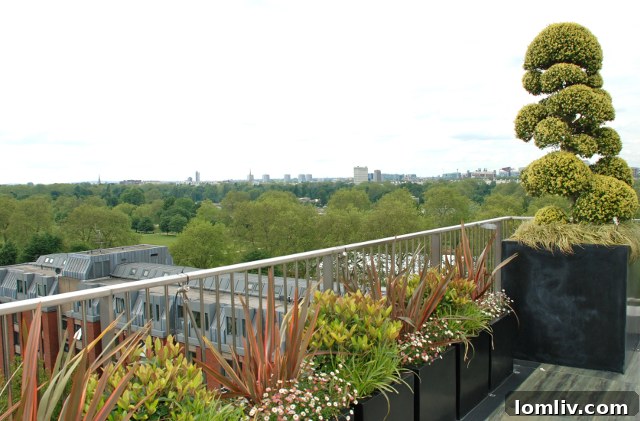
A significant revelation from Christie’s report is the surging popularity of penthouses, which are increasingly challenging traditional standalone houses in the ultra-luxury market. In 2017, the market recorded 28 sales exceeding $50 million, and remarkably, just over half of these were penthouses or sub-penthouses. This trend is deeply intertwined with the allure of urban living and its associated lifestyle benefits.
Penthouses offer a unique combination of advantages: unmatched panoramic views, unparalleled security, enhanced privacy, and significant bragging rights within elite circles. They represent the pinnacle of vertical luxury, often featuring bespoke interiors, expansive terraces, and direct access to premium building amenities. While the high cost of urban land undeniably contributes to the appeal of vertical living, the inherent prestige and lifestyle associated with a penthouse are powerful drivers.
Interestingly, the report also highlights a counter-intuitive finding regarding cost per square foot. The largest penthouse sales often commanded the lowest cost per square foot. For instance, a sprawling 29,800-square-foot penthouse in Dubai sold for $28 million, equating to “just” $932 per square foot. This stands in stark contrast to a Hong Kong penthouse, which, despite its smaller 4,242 square feet, fetched $72 million, or an astonishing $16,966 per square foot. This disparity underscores the influence of specific market dynamics, scarcity, and economic conditions in ultra-prime locations. Notably, out of the top 10 priciest condo sales recorded, eight were for properties under 10,000 square feet, emphasizing the premium placed on location and exclusive urban experiences over sheer size in many of the world’s most coveted cities.
The Debate on Government Intervention in Luxury Housing
One particular finding and recommendation in the report warrants critical examination: the observation that “little is being done by governments to address the supply constraint issue prevalent in many global markets.” While addressing supply constraints is a legitimate and pressing concern for affordable housing, the notion of government intervention to increase the supply of luxury real estate raises significant questions. It’s difficult to justify public resources being directed towards facilitating more multi-million dollar properties, especially when many luxury cities serve as conduits for wealth management and, in some cases, money laundering, allowing funds to be parked away from government oversight.
A compelling example of this problematic dynamic can be found in Honolulu’s Kaka’ako, a newly developed luxury district. Despite a dire housing crisis affecting the rest of the state, this high-end area reportedly maintains an occupancy rate of merely 14 percent on any given day. These “ghost towns” of luxury properties, often bought as investments or secure repositories for wealth rather than primary residences, contribute nothing to the local economy or community life. Instead of encouraging such developments through intervention, governments should arguably be implementing policies to discourage these speculative “piggy bank” properties and prioritize initiatives that address genuine housing needs for their populations.
All in all, the Christie’s International Real Estate “Luxury Defined” report offers a truly enlightening and thought-provoking analysis of the global high-end property market. It skillfully navigates the complexities of wealth, lifestyle, and investment, providing an indispensable resource for anyone seeking to understand the intricate workings of this exclusive sector.

About the Author: My focus consistently revolves around high-rises, homeowners associations (HOAs), and property renovations. Beyond these specialties, I maintain a deep appreciation for the interplay between modern and historical architecture, particularly when viewed through the lens of the YIMBY (Yes In My Backyard) movement, which advocates for more housing development. My commitment to insightful real estate journalism has been recognized by the National Association of Real Estate Editors, where my writing earned two Bronze awards in 2016 and 2017, and two Silver awards in 2016 and 2017. If you have a compelling story to share, a perspective to offer, or even an unconventional proposal, please feel free to reach out via email at [email protected]. You can also look for me on Facebook and Twitter for more insights and discussions – though my digital presence is often elusive, the invitation to connect remains open.