For nearly two unprecedented months, the vibrant Dallas-Fort Worth metropolitan area has grappled with the profound ramifications of the global coronavirus pandemic. Amidst widespread shutdowns and economic uncertainty, one vital sector steadfastly maintained its operations, refusing to break pace: the construction industry. Recognized as an essential service, its continuous function has been critical to the region’s economic stability and future growth.
At the very forefront of this resilience and adaptation effort was the Dallas Builders Association (DBA). From the outset, the DBA proactively spearheaded the industry’s strategic response, diligently organizing compliance efforts for rapidly evolving social distancing guidelines, tirelessly coordinating crucial hand sanitizer and mask drives to protect workers, and relentlessly maintaining advocacy efforts to ensure the construction sector retained its essential status and could continue to operate safely and effectively. Their leadership proved indispensable during a period of immense uncertainty.
Yet, what few might realize is that in those turbulent early days, as COVID-19 began its relentless descent upon the D-FW region, the very leader orchestrating the Dallas Builders Association’s crucial response was himself battling the exact same insidious virus that threatened to derail our communities and economy. This personal struggle, waged silently at the epicenter of a public health crisis, adds a profound layer of depth to the DBA’s commendable efforts.
While contracting COVID-19 presented an arduous and deeply challenging struggle for Phil Crone, the esteemed Executive Officer of the Dallas Builders Association, his journey of recovery and the unique perspective he gained from this experience are, at the very least, profoundly inspiring. We are immensely grateful that Mr. Crone bravely chose to share his intimate story with us, offering invaluable insights into both the personal and professional challenges faced by a leader during one of the most trying periods in recent history for the DFW construction and housing industry.
The Unsettling Timing: A Leader’s Battle with COVID-19 Amidst Crisis
Reflecting on his personal battle with COVID-19, Phil Crone articulates with raw honesty, “The worst part of COVID-19 for me was unequivocally the timing.” This wasn’t merely a personal inconvenience; it was a crisis superimposed upon a professional imperative. The virus arrived precisely when the entire world, and particularly the Dallas-Fort Worth region’s robust housing market, was being fundamentally upended. A genuine and terrifying threat loomed over the Dallas construction industry: the possibility of a complete shutdown. As the DBA’s Executive Officer, Phil knew he needed to be operating at peak performance to avert such a catastrophe, disseminate critical information to DBA members, and swiftly adapt the association’s operations to an unprecedented remote working environment. His personal illness felt like a cruel irony, directly undermining his ability to serve his industry when it needed him most.
In hindsight, Phil suspects his first subtle symptoms manifested on Saturday, March 21st. He had embarked on his routine long weekend run, a personal ritual that usually brought clarity and energy. He had planned an ambitious 16-mile route but found himself inexplicably forced to cut it short at around 12 miles. An overwhelming, debilitating exhaustion seized him, unlike anything he had experienced before. “I was utterly exhausted,” he recalls, the memory still palpable.
Initially, he attributed this unusual fatigue to the immense stress he was under. “I never get sick unless I worry myself sick,” he muses, “so I figured I had just done an especially good job of it this time.” The following night brought a slight fever, a subtle but persistent warmth that defied explanation. Yet, in the face of escalating industry-wide concerns and the relentless pace of crisis management, there were, as he perceived it, far more pressing matters demanding his attention than a personal sniffle or a touch of fatigue. The idea of COVID-19 hadn’t fully taken root in his mind as a personal threat.
The severity of his condition escalated quickly. The previous Friday, foresight had led him to send his entire staff home, initiating remote work protocols. He managed to navigate Monday alone in the deserted office, a solitary figure wrestling with the weighty decisions confronting the industry. By Tuesday, however, his body simply gave out. He vividly recounts passing out not once, but twice, collapsing onto the office floor in a chilling, sweaty mess. Wednesday offered little respite, forcing him to confront the undeniable reality of his illness. Finally, accepting defeat, he gathered his essential belongings, conceded to the virus’s grip, and retreated home.
The remainder of that week was a blur of classic flu-like symptoms, each day a struggle. This was followed by approximately three to four days of extreme, incapacitating fatigue, where even the simplest tasks felt monumental. It was only after this intense period that he began to feel a gradual, almost imperceptible improvement in his condition, the initial whispers of recovery beginning to emerge from the depths of his illness.
Obtaining a COVID-19 test in those early, chaotic days was an ordeal in itself, fraught with logistical hurdles and limited availability. “It was incredibly difficult to get a test,” Phil recounts, highlighting the widespread testing challenges faced by many across the nation. By the time he finally secured a test and received his positive diagnosis, he was already well on his arduous road to recovery. Prior to that definitive confirmation, he admits, “I really didn’t think I had COVID.” This might sound irrational given his severe symptoms, but at the time, common understanding of the virus was still evolving. He hadn’t traveled internationally or engaged in activities then widely believed to be primary vectors for susceptibility. The disconnect between his symptoms and the perceived risk factors added to the perplexing nature of his illness.
Receiving the official diagnosis, even when recovery was underway, was unexpectedly difficult. “Not for me – I knew I was going to be okay,” he clarifies, possessing an intrinsic resilience and an optimistic outlook despite his ordeal. The profound difficulty stemmed from a different, heavier concern: “I worried incessantly that I may have unwittingly infected someone else.” This sense of responsibility, particularly as a community leader, weighed heavily on him, underscorating the invisible burden carried by many early COVID-19 patients.
The Pillar of Support: Spousal Strength and Team Resilience
Phil Crone candidly admits, “I can be pretty stubborn – and definitely cranky when I’m not feeling well.” This self-awareness highlights the exceptional patience and unwavering dedication demonstrated by his wife, Heidi, during his illness. Heidi, a dedicated teacher at The Hockaday School, was simultaneously navigating her own significant professional transitions, rapidly adapting to remote learning and all the inherent challenges that entailed. Despite her own demanding circumstances, she became Phil’s steadfast caregiver, anticipating and providing everything he needed, including, as he humorously recalls, “every known type of sports drink” in an effort to keep him hydrated and comfortable. “I’m eternally grateful for her unconditional love and unwavering support,” he emphasizes, underscoring her role as a true pillar during his most vulnerable moments.
Remarkably, despite being in close contact with Phil throughout his illness, Heidi never developed any symptoms herself, a stroke of good fortune for which they are both incredibly thankful. This allowed her to maintain her demanding professional duties while also providing crucial support at home.
Equally extraordinary was the collective response from the staff and leadership at the Dallas Builders Association. While Phil was battling the virus, the association faced an onslaught of serious, time-sensitive issues. Key messages needed to be disseminated urgently to members, vital industry events had to be reset or reimagined, meticulous financial planning was required to navigate the economic downturn, and the entire organization had to adjust rapidly and efficiently to a fully remote workplace. In Phil’s diminished capacity, the DBA staff rose to this unprecedented occasion with remarkable professionalism and dedication. “Our staff not only rose to the occasion; they soared,” Phil proudly states. “They proved unequivocally why they are considered the very best in the nation, maintaining continuity and effectiveness when it mattered most.” Their resilience and collaborative spirit were instrumental in keeping the Dallas construction industry informed and operational during a period of intense crisis, demonstrating the strength of their organizational culture and collective commitment.
Navigating the New Normal: Adapting to a Home-Based Office and Evolving Business Models
The transition to working from home presented a unique set of challenges for Phil Crone, particularly given his struggle with COVID-19. “Working from home was very difficult for me personally,” he admits. It wasn’t merely a matter of comfort; it disrupted his established routines and blurred the lines between his professional and personal life. The setup felt neither efficient nor conducive to his accustomed work style, and with a touch of humor, he adds, “the pantry was just too close,” a metaphor for the constant distractions and temptations that can undermine productivity in an unfamiliar home office environment. This personal struggle underscored the psychological and practical shifts demanded by the pandemic.
In stark contrast to his own difficulties, Phil observed that his staff adapted with remarkable speed and agility. “Our staff fared much better than I did,” he notes with admiration. They embraced the new remote work paradigms, quickly mastered virtual collaboration tools, and maintained their productivity without missing a beat. Their seamless transition was a testament to their professionalism and adaptability. “They truly aced one of the biggest tests our industry and our association has ever had,” Phil asserts, highlighting their crucial role in maintaining the DBA’s operational effectiveness during a critical period.
Undoubtedly, this seismic shift has fundamentally altered the business model for the Dallas Builders Association. A significant portion of the DBA’s engagement historically revolved around numerous in-person events – from networking luncheons and educational seminars to large-scale conferences and awards ceremonies. “So many of our cherished in-person events are now sidelined,” Phil explains. While there is hope that some of these gatherings can be reinstated later in the year, the pandemic has necessitated a profound re-evaluation of how the association connects with and serves its members. This forces a strategic pivot towards innovative digital engagement and content delivery.
Despite these operational changes, the core mission of the DBA has become more critical than ever. “The advocacy, information, and education we provide is more important now than at any other time,” Phil emphasizes. The pandemic has reshaped the very concept of “home,” transforming residential spaces into multi-functional hubs: our schools, our playgrounds, our offices, and fundamentally, our sanctuaries. In this evolving landscape, Phil expresses immense pride that the DBA successfully championed the classification of housing as an essential service, ensuring its continued construction and maintenance. Furthermore, the association remains dedicated to empowering its members – the builders and developers – to operate safely, professionally, and ethically. A tangible example of this commitment includes the distribution of approximately 1,000 gallons of critical hand sanitizer to area job sites. The DBA is also actively working to secure and distribute an additional 2,500 gallons, alongside essential personal protective equipment like gloves and masks, further safeguarding the health and well-being of the Dallas-Fort Worth construction workforce and ensuring the continuous, safe provision of much-needed housing.
Embracing Opportunity: A Changing Outlook for the Housing Industry and Personal Resilience
Phil Crone’s ordeal with COVID-19, coupled with his leadership during the crisis, has profoundly shaped his outlook. He now firmly believes in a philosophy he hopes all housing advocates will embrace: “See opportunity in every difficulty.” This isn’t merely a platitude but a conviction born from navigating unprecedented challenges. The Dallas-Fort Worth region, he asserts, is fundamentally strong. “We live in a great place; our market has all the fundamentals to bounce back with remarkable resilience.” This includes a robust economy, strong population growth, and a diverse job market that provides a solid foundation for recovery.
The pandemic, however, is not merely a transient event; it will catalyze significant, lasting transformations. “The pandemic is going to fundamentally change buyer preferences and so many other ways we view home in the months and years ahead,” Phil predicts. This includes a heightened demand for dedicated home office spaces, improved indoor air quality, larger yards, flexible floor plans, and a greater emphasis on smart home technology that supports remote living. These shifts will inevitably drive innovation within the industry. “Careers will be defined by the innovations that are going to come to our industry as a direct result of this,” he states, envisioning a new era of creative solutions and adaptive building practices.
Phil readily admits, “I’m not naturally an optimistic person.” His inherent disposition leans towards pragmatism, often bordering on cautious realism. His grandmother, however, instilled in him the profound lessons of optimism and resilience. “She taught me how to be truly optimistic,” he reflects. Even now, he continues to learn from her enduring legacy as he reflects on how she navigated and triumphed over every challenge and adventure that life presented. Her generation, and the one before hers, confronted hardships – the Great Depression, world wars, profound societal shifts – that were, in many respects, far more severe than those currently faced. “Having perspective and good role models are really important right now,” Phil emphasizes, underscoring the enduring wisdom of drawing strength from history and those who have overcome adversity.
Beyond mental fortitude, physical well-being also played a crucial role in his recovery. His wife, Heidi, a dedicated P.E. teacher, has been instrumental in his fitness journey. “She’s done a good job of whipping me into shape these past few years,” he shares with a smile. His recent discovery of running and a renewed focus on overall fitness proved to be an invaluable asset. This commitment to physical health meant he was “well-prepared to fight this off,” giving his body the best possible chance to combat the virus and ultimately emerge stronger. This holistic approach – combining mental resilience with physical preparedness – proved essential in his path to recovery and renewed leadership.
Community Reactions and the Power of Convalescent Plasma Donation
Phil Crone’s decision to be open about his personal battle with COVID-19 elicited a wide range of reactions from his community, family, and professional peers. “My mom cried,” he recounts, highlighting the natural emotional response of loved ones. “Our builders had some great sarcastic jokes,” he adds, illustrating the familiar camaraderie and coping mechanisms within the construction industry. Despite the varied initial responses, one sentiment was universal: “everyone is really supportive.” This outpouring of care and understanding underscored the strength of his personal and professional networks during a time of crisis.
Phil made a conscious choice to be transparent about his experience with COVID-19 for a critical reason: “I want people to know that a large majority of people end up just fine like Heidi and me.” In an environment rife with fear and uncertainty, he felt a responsibility to offer a message of hope and normalcy, to counteract the often-overwhelming narrative of severe illness and tragedy. His story serves as a testament to the fact that for many, recovery is indeed possible and complete.
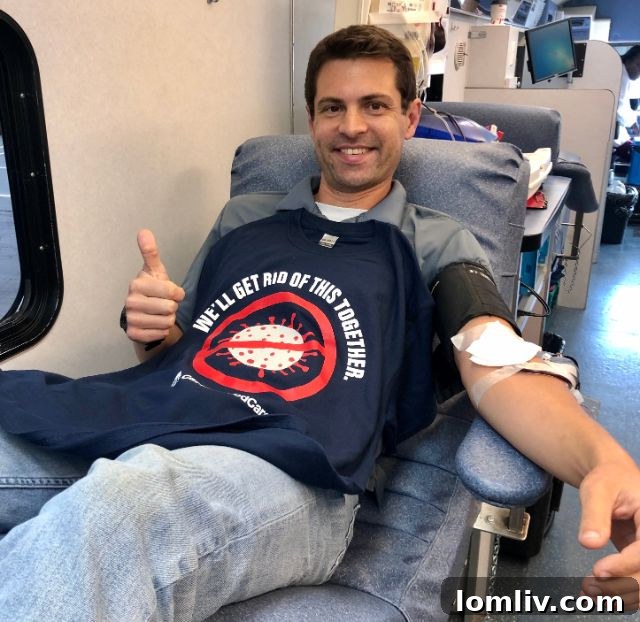
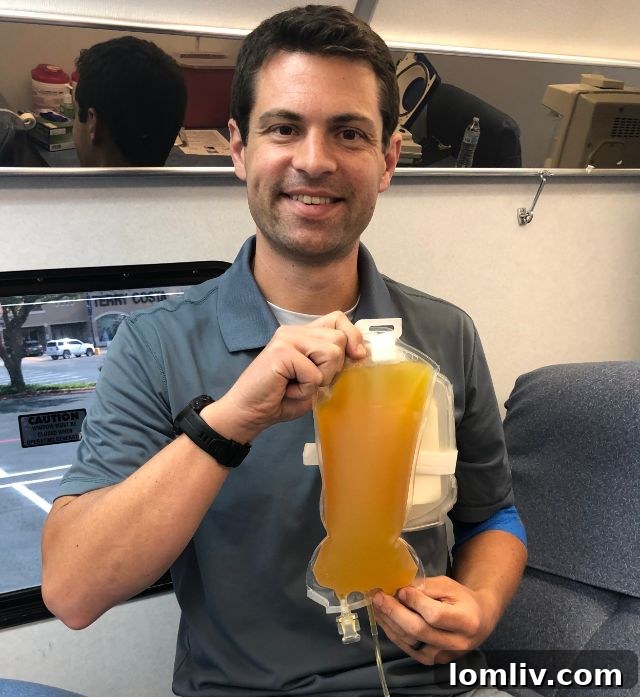
At the same time, Phil is keenly aware of the terrible and disproportionate toll the virus continues to take, “especially on older people and those with underlying health conditions.” This understanding fuels his profound empathy and sense of civic duty. It is this awareness that motivated him to take a further step in contributing to the fight against the virus: “That’s why I’ve started convalescent plasma donations.” Convalescent plasma, rich in antibodies from individuals who have recovered from COVID-19, has been explored as a potential treatment for those currently battling the infection. By donating his plasma, Phil hopes to pass on his hard-won antibodies to others who are struggling more severely with the virus than he did. “I’m incredibly grateful I can help someone having a harder time with it than I did,” he concludes, embodying a spirit of altruism and a commitment to leveraging his personal experience for the greater good of the community, reinforcing the enduring power of compassion and collective action in the face of adversity.