There’s a Nigerian proverb that wisely states, “He who lives in the attic knows where the roof leaks.” This profound saying underscores a fundamental truth: those closest to a problem are often the most knowledgeable about its nuances and potential solutions. Whether it’s developing community projects without local input or attempting to treat an illness without a full understanding of a patient’s history, the principle holds true. We bring this up not merely because we’re focusing on attics today, but because in our increasingly busy lives, many homeowners have become less hands-on with the intricacies of their own homes. The attic, often unseen and largely forgotten, serves as a perfect embodiment of this “out of sight, out of mind” phenomenon.
Unless you are fortunate enough to have a spacious, easily accessible attic that functions as a bonus room or organized storage space, the majority of homeowners rarely venture into this often-cramped and dusty area. For some, safe access is simply not possible. This lack of regular inspection means that many homeowners are truly unaware of “where the roof leaks,” or what other critical issues might be brewing in their attic. As the warmer months usher in the full swing of summer, now is the opportune time to either brave the attic yourself or, more often, enlist the expertise of a professional. Proactive summer home maintenance, especially for your attic, is not just a recommendation; it’s an essential step towards ensuring your home’s longevity, safety, and energy efficiency.
Essential Summer Attic Maintenance: Don’t Let Your Home Sweat It Out
Your attic is much more than just a dusty storage space; it’s a crucial component of your home’s structural integrity, thermal envelope, and overall comfort system. Neglecting this vital area can lead to a cascade of costly problems, from skyrocketing energy bills and uncomfortable indoor temperatures to significant structural damage and even fire hazards. Summer, with its intense heat and often higher energy demands, highlights any vulnerabilities in your attic system. By dedicating time to proper attic maintenance during these months, you can pre-empt potential issues, ensure your home operates efficiently, and safeguard your investment for years to come. Let’s explore the key areas that demand your attention.
Beat the Heat: Prioritizing Your HVAC System Service
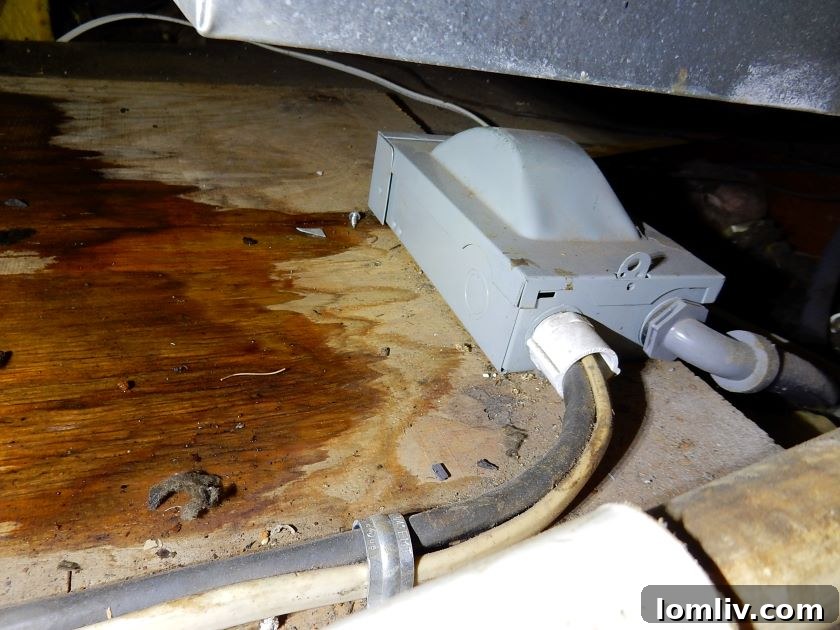
One professional who knows the attic intimately is your trusted HVAC technician. As part of your annual summer home maintenance checklist, scheduling your air conditioning service should be a top priority. This routine check-up is critical for several reasons. Firstly, it ensures that your entire system is running as efficiently as possible, a paramount concern during the scorching summer months when your AC unit works overtime. An efficient system not only keeps your home cooler but also significantly reduces your energy consumption and utility bills. Secondly, a professional inspection will confirm that all your air ducts are securely connected and free from blockages. Leaky or disconnected ducts can lead to substantial energy loss, drawing in unconditioned attic air and distributing dust or allergens throughout your home.
Furthermore, an HVAC technician will meticulously inspect your condensate line. As demonstrated by unfortunate incidents, a leaking condensate line in the attic can drip water perilously close to electrical junction boxes, posing severe electrical hazards, including short circuits and potential fires. Water leaks can also lead to wood rot, mold growth, and damage to your insulation and ceiling below. Beyond these critical safety checks, an annual service ensures that your refrigerant levels are optimal, coils are clean, and all moving parts are lubricated. This proactive approach not only prevents unexpected breakdowns when you need your AC most but also extends the overall lifespan of your expensive HVAC system, saving you from premature replacement costs. It’s an investment in comfort, safety, and long-term savings.
Maximizing Comfort & Savings: The Critical Role of Attic Insulation
As summer temperatures soar, another crucial element on your home maintenance list for energy conservation and indoor comfort is your attic insulation. Just like your HVAC technician, insulation specialists are among those who regularly navigate the tight spaces of attics to ensure homes are properly sealed. Insulation acts as a thermal barrier, preventing heat from radiating into your living spaces during summer and escaping during winter. The effectiveness of insulation is measured by its R-value, a higher R-value indicating greater insulating power.
In regions like North Texas, for instance, optimal attic insulation is typically recommended to be between 13-14 inches deep, achieving a specific R-value that balances energy efficiency with cost. You have several options for insulation materials, including loose-fill cellulose or fiberglass, fiberglass batts, or spray foam. Each type offers distinct advantages in terms of R-value, installation method, and cost. If your current insulation is older, compressed, or damaged, professionals will carefully remove it, thoroughly clean the attic space, and install the new material. The typical lifespan of attic insulation ranges from 10-15 years, but this can be significantly shortened by harsh weather conditions, pest infestations, or inadequate attic ventilation, especially in extreme climates.
Replacing or upgrading your attic insulation is more than just a home improvement; it’s a significant green home upgrade. Such improvements often qualify for tax credits under initiatives like the Inflation Reduction Act, providing a tangible financial incentive for homeowners to invest in energy efficiency. It’s crucial to consult with a tax professional to understand how you can take advantage of these credits and reduce the overall cost of your insulation project.
The accompanying video, featuring Inspector Adrian, highlights several critical issues often found during attic inspections that underscore the importance of proper insulation and related systems. He points out outdated “grey ductwork,” a material that is no longer used in modern construction due to its known tendency to disintegrate over time, leading to significant air leaks and reduced HVAC efficiency. Furthermore, Adrian identifies previous damage caused by wood-destroying insects, which can compromise the structural integrity of your attic framing and reduce insulation effectiveness. He also brings attention to a furnace flue that is in direct contact with combustible wood, a severe fire hazard that violates safety codes and will be discussed in more detail shortly.
Another common but dangerous finding is a disconnected dryer vent, which, instead of expelling lint and hot, humid air outdoors, blows it directly into the attic. This creates a breeding ground for mold and mildew due to excess moisture, and the lint buildup poses a significant fire risk. All these issues, if left undetected and unaddressed due to infrequent attic visits, can lead to substantial damage, health hazards, and significantly higher energy bills. Regular professional inspections ensure that these hidden problems are caught early, preventing minor issues from escalating into major, costly repairs.
Beyond Comfort: Understanding & Preventing Attic Fire Hazards
While often overlooked, the attic can be a significant source of residential fires. According to statistics from the US Fire Administration, approximately 10,000 residential attic fires occur annually, leading to extensive property damage and sometimes tragic losses. The three leading causes of these fires are electrical wiring malfunctions, natural causes such as lightning strikes or pest activity, and poorly maintained or improperly installed HVAC systems. Each of these categories warrants serious attention from homeowners.
Electrical wiring issues often stem from old, frayed, or improperly installed wiring, overloaded circuits, or DIY electrical work that doesn’t meet safety codes. Given the extreme temperatures attics can experience, damaged wiring is under constant stress, increasing the risk of arcing and ignition. Natural causes, though seemingly less preventable, include lightning strikes that can ignite attic materials or pests, such as rodents, chewing through electrical wires, exposing conductors and creating fire hazards. It’s a compelling reason to include pest control in your attic maintenance plan.
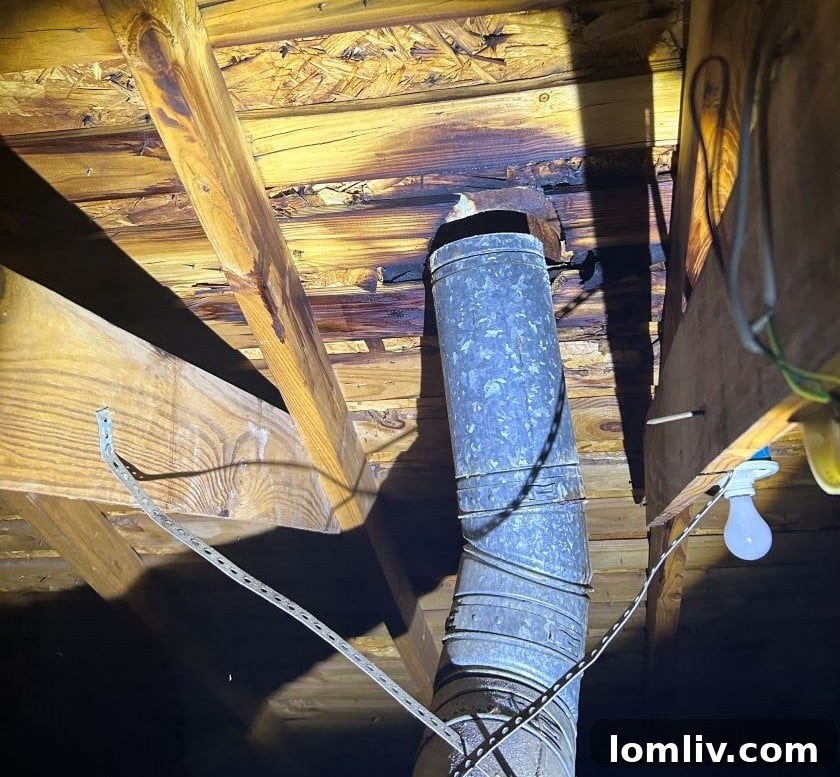
HVAC systems, particularly furnace flues and ductwork, represent another critical fire risk. The image above depicts a flue similar to the one Inspector Adrian highlighted in the previous video—a furnace flue in direct contact with combustible materials. Building codes mandate a specific, standardized clearance between the metal of a furnace flue, which can reach extremely high temperatures during operation, and any surrounding combustible materials like wood framing. This essential clearance prevents heat transfer that could ignite the wood. If this code requirement is violated, the constant exposure to high heat can dry out and eventually char the wood, making it highly susceptible to ignition. A friendly service technician performing your routine HVAC maintenance is trained to spot such critical safety violations and can recommend immediate remedies before a smoky, terrifying, and potentially devastating fire occurs. This proactive maintenance literally saves lives and homes.
The Roof Above: Why Attic Inspection Precedes Exterior Roof Work
Before any significant work is undertaken on your home’s exterior roof, it is absolutely paramount to conduct a thorough inspection of the attic space directly beneath it. This internal assessment can reveal critical vulnerabilities that are invisible from the outside, preventing costly mistakes and ensuring the safety of workers and the integrity of your home. Imagine a scenario where someone walks onto a compromised roof, only to find themselves plummeting into the attic below—an unintentional skylight, indeed, as vividly illustrated in many home inspection horror stories shared online. The video mentioned in the original content showcased an extreme example of this, depicting unique conditions often found in older homes that have suffered from years of neglect.
This particular inspection highlighted an attic where rodents had been active for an extended period, leading to widespread damage to structural elements and insulation. Furthermore, the presence of asbestos, a hazardous material, added another layer of complexity to the repair process. The most alarming discovery was the severe desiccation and deterioration of the roof structure as seen from underneath, so advanced that inspectors could immediately tell it wouldn’t support their weight. This level of decay is a stark reminder of the long-term consequences of neglecting regular attic inspections. Such a property would require extensive structural work and remediation, including careful asbestos abatement, to bring it back to a safe and habitable condition.
Beyond extreme cases, an attic inspection can reveal numerous early warning signs of roof problems. These include water stains on the underside of the roof deck or rafters, indicating active or past leaks; visible light filtering through the roof, suggesting missing shingles or holes; sagging in the roof sheathing; or excessive moisture buildup leading to mold or rot. It can also uncover widespread damage from wood-destroying insects like termites or carpenter ants, which can compromise the structural integrity of your roof support system. By inspecting the attic first, you gain a comprehensive understanding of the roof’s true condition, enabling you to plan repairs more accurately, budget more effectively, and ensure the safety of anyone working on the roof. This proactive step can prevent unforeseen complications and ensure that any exterior roof work addresses the root causes of problems, rather than merely patching over symptoms.
Proactive Attic Care: Your Home’s Unsung Hero
As we fully transition into the warmth of summer, there’s no better time to dedicate attention to your attic – your home’s often-forgotten, unsung hero. Whether you choose to don your work clothes and venture up there yourself (with proper safety precautions, of course) or, more practically, enlist the help of a seasoned professional, understanding the condition of your attic is paramount. The wisdom of the Nigerian proverb holds true: knowing “where your own roof leaks” – both literally and figuratively – is the first step toward a well-maintained, energy-efficient, and safe home.
Regular attic maintenance offers a multitude of benefits that extend far beyond preventing immediate crises. It ensures your home remains energy-efficient, keeping utility bills manageable during peak heating and cooling seasons. It significantly enhances home safety by mitigating risks such as electrical fires, carbon monoxide leaks from HVAC systems, and structural collapses. Moreover, consistent care contributes directly to the longevity of your home’s various systems and structural components, preserving your property value and delaying costly major repairs. Addressing minor issues like disconnected ducts, inadequate insulation, or pest infestations early can save you thousands in the long run.
For a thorough and unbiased assessment, consider scheduling a comprehensive home inspection at any time of the year, particularly if you haven’t had one recently. As demonstrated in the videos, professional home inspectors, like those at Green Scene Home Inspections, possess the expertise to provide a full picture of all the systems in your home, identifying potential problems in the attic and beyond. They can offer crucial insights into what needs immediate attention, what requires ongoing maintenance, and what simply needs monitoring. Beyond professional inspections, homeowners can adopt simple preventative measures such as ensuring attic vents are unobstructed, sealing any visible gaps or cracks to deter pests, and being mindful of what is stored in the attic to avoid overloading joists. By taking a proactive approach to attic care, you empower yourself with the knowledge to protect your home, ensuring it remains a comfortable, safe, and efficient sanctuary for years to come.