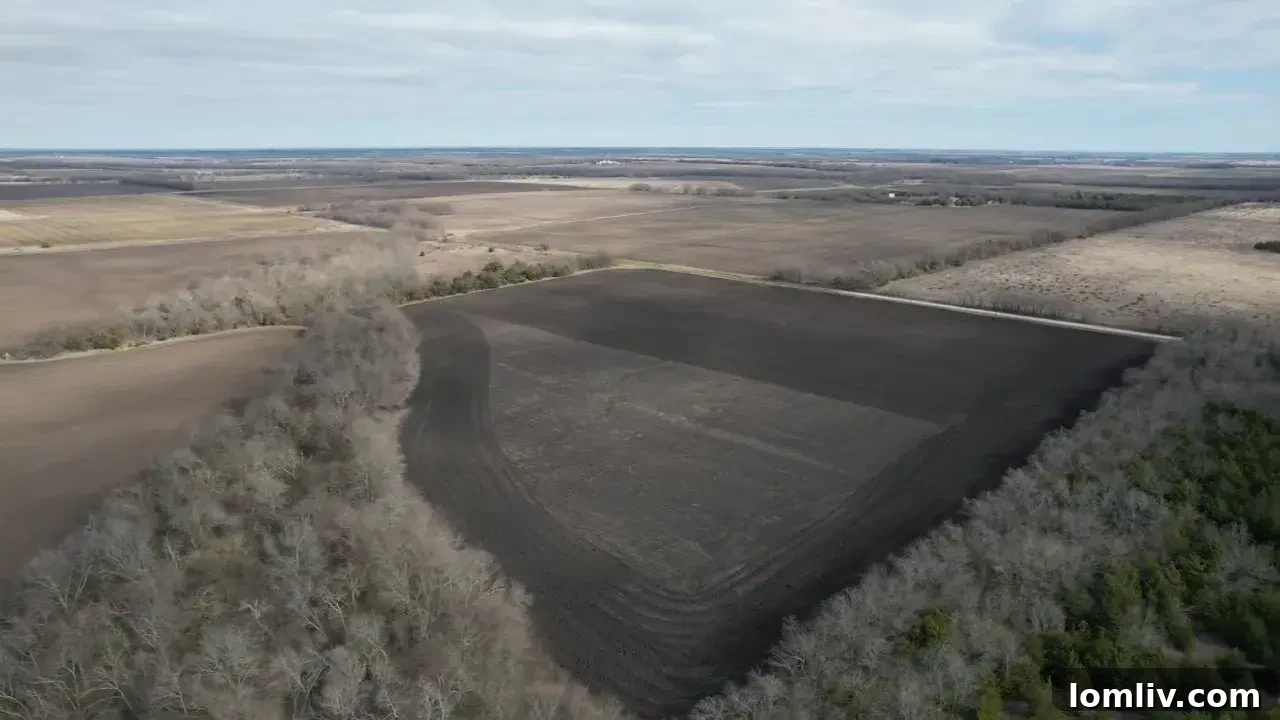
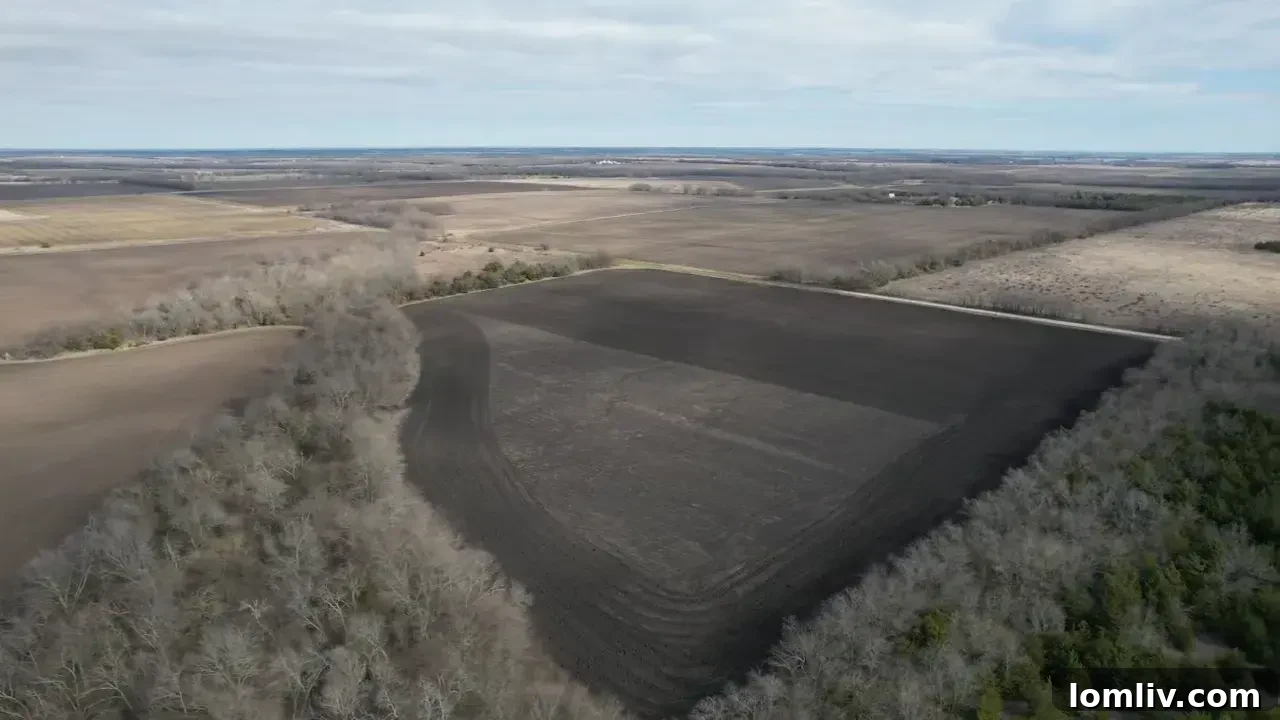
As one of the most dynamic and desirable metropolitan areas in the United States, Dallas, Texas, consistently ranks high among the best places to retire in Texas. Far beyond its iconic status as a major economic hub, Dallas offers a vibrant lifestyle, a booming economy, a relatively low cost of living, and an exceptional quality of life that makes it an increasingly attractive destination for retirees. For those considering their golden years, investing in land in Dallas presents a unique opportunity to secure a prosperous future. This comprehensive guide explores the compelling reasons why purchasing land in Dallas for your retirement is a financially sound and lifestyle-enhancing decision, providing insights into its economic strength, affordable property landscape, favorable tax environment, strategic location, and thriving real estate market.
A Robust and Sustained Economic Powerhouse
The Texas economy has long been a national leader, consistently outperforming the growth rates of the national economy. This remarkable trend continued into Q1 2024, with the state expanding by an impressive 2.5 percent. Texas’s economic vitality is vividly demonstrated by its job creation figures, with 267,400 non-farm jobs added between June 2023 and June 2024, more than any other state in the nation. This sustained growth is not merely a statewide phenomenon; it reverberates strongly within its major cities, especially Dallas.
Dallas has experienced continuous and impressive growth across diverse sectors, including technology, healthcare, finance, logistics, and corporate headquarters. This diversified economic base creates a resilient market, less susceptible to downturns in any single industry. According to official government data, the Dallas-Fort Worth metropolitan area boasted a GDP output of $688.9 billion in 2022, constituting approximately 3% of the total US urban GDP. Furthermore, the DFW area’s GDP surged by 5.7% in 2022, significantly outpacing the national US metropolitan average of 2.1%. This exceptional economic vitality translates directly into a stable and secure environment for investments, offering peace of mind for future retirees. A strong job market, characterized by low unemployment rates and a continuous influx of new companies and corporate relocations, underpins the overall regional economic health, ensuring sustained demand for goods, services, and, crucially, real estate.
For retirees, a robust economy like Dallas’s provides several key advantages. It means a stable tax base, supporting quality public services and infrastructure. It also fuels demand for housing and commercial properties, contributing to the appreciation of land values. Furthermore, the presence of thriving industries means access to excellent healthcare facilities, cultural attractions, and a wide array of amenities that enhance the quality of life during retirement. Investing in land in such an economically vibrant region hedges against inflation and offers a solid foundation for wealth preservation and growth.
Affordable Land Prices Offering Exceptional Value
One of Dallas’s most significant appeals for prospective retirees is its relatively inexpensive land prices when compared to other major American metropolitan areas, such as those in California, Florida, or the Northeast. This affordability allows investors to acquire substantial property parcels without needing an exorbitant budget, maximizing the value of their retirement savings.
The comparatively lower cost of land in Dallas provides retirees with exceptional value for their money. Unlike developed properties that come with existing structures, raw land offers flexibility in how it can be utilized – whether for building a custom dream home, a small agricultural venture, or simply holding it as a long-term investment. Given the continuous economic and population growth the city is experiencing, the appreciation in land value is not only expected but almost certain to keep pace, making the current period an opportune time to buy land in Dallas.
This trend of increasing land values is not confined to Dallas alone; it’s observed across the entire state of Texas. In 2022, Texas land values reached record highs, with the average price for an acre of rural land in the Lone Star State reported at $4,446. This upward trajectory underscores the strong demand and limited supply, signaling that land rates are poised for further increases. Therefore, seizing the opportunity to invest in Texas land now could yield substantial returns in the future.
Finding the perfect piece of property in Dallas, or anywhere in Texas, can be approached through several avenues. While local real estate agents specializing in land transactions can offer valuable insights and access to exclusive listings, their expertise might be limited for out-of-state buyers. Similarly, auction sites present opportunities for competitive pricing, though they often require thorough due diligence and a quick decision-making process. However, for many, the most effective and accessible method is leveraging internet real estate platforms.
While numerous general property platforms list all types of real estate, a select few are exclusively dedicated to land purchase and selling. One such specialized platform is LandHub. At LandHub, you can conveniently find land for sale in Texas that aligns with your budget and specific needs. A crucial advantage highlighted by such platforms is that an impressive 95% of the land in Texas remains in private hands. This makes the process of buying and selling property here significantly more straightforward and less encumbered by public land regulations. This liquidity ensures that when you decide to realize profits from your investment, you will find a ready market of buyers, facilitating a quick and efficient sale.
A Truly Favorable Tax Environment for Retirees
Texas stands out for its exceptionally favorable tax laws, a major draw for retirees looking to maximize their retirement income and wealth. The most significant advantage is the absence of a state income tax. This means that all your retirement income, including pensions, 401(k) and IRA distributions, and Social Security benefits, is exempt from state-level taxation, automatically leaving you with a larger disposable income to enjoy your retirement years.
Beyond the lack of state income tax, Texas offers specific property tax exemptions that significantly benefit seniors. Homeowners aged 65 or older, for instance, are eligible for an additional homestead exemption, which reduces the taxable value of their primary residence. Furthermore, once an over-65 homeowner qualifies for this exemption, their school district property taxes are effectively frozen at their initial qualifying amount, providing predictable and stable property tax expenses regardless of rising property values. This “tax ceiling” for school taxes offers immense financial security for seniors on fixed incomes.
These advantageous tax provisions create a financially enriching and manageable land ownership experience in Dallas for retirement. Lower overall tax burdens allow retirees to allocate more of their resources towards their lifestyle, healthcare, travel, or further investments. This translates into a higher quality of life and greater financial flexibility, making Texas, and particularly Dallas, an exceptionally appealing state for retirement planning.
Strategic Location and Unparalleled Quality of Life
Dallas boasts the added advantage of a truly strategic location, nestled right in the heart of Texas. This central position makes it a nexus for transportation, offering unparalleled access via a robust network of roads, rail, and air connectivity. The Dallas/Fort Worth International Airport (DFW) is one of the busiest airports in the world, providing direct flights to numerous domestic and international destinations, making travel for pleasure or visiting loved ones incredibly convenient. Major interstate highways like I-35, I-20, and I-45 crisscross the region, ensuring easy road access to other major cities and attractions across the state and beyond.
This central location also means Dallas is reasonably close to every other major city in Texas, including Austin, Houston, and San Antonio. This proximity provides retirees with a wider view of opportunities and amenities, from weekend getaways to diverse cultural experiences available across the state. Dallas itself is a hub of activity and culture, offering an exceptional quality of life:
- Cultural Riches: The Dallas Arts District is home to world-class museums, performing arts venues, and galleries. From the Dallas Museum of Art to the Dallas Symphony Orchestra, there’s a vibrant cultural scene to explore.
- Recreational Opportunities: The city boasts numerous parks, green spaces, golf courses, and lakes, offering abundant opportunities for outdoor activities like hiking, biking, fishing, and boating.
- Healthcare Excellence: Dallas is home to top-tier medical centers and hospitals, providing retirees access to high-quality healthcare services, which is a critical consideration during retirement.
- Dining and Shopping: From upscale boutiques to diverse culinary experiences, Dallas offers a vast array of options to suit every taste and preference.
- Community and Diversity: Dallas is a multicultural city with a welcoming community spirit, offering a diverse range of neighborhoods and social groups.
Moreover, the broader state of Texas itself has been a prime location for land ownership for many years. According to MoneyMade, approximately 84% of the total land in Texas is designated as farmland. This vast agricultural landscape contributes significantly to the state’s economy, making Texas a high producer of farm and dairy products. This agricultural strength not only supports the state’s economic resilience but also ensures a consistent supply of local produce, adding another dimension to the quality of life.
A Consistently Growing Real Estate Market
The real estate market in Dallas has maintained an upward trajectory for several years, demonstrating remarkable resilience and growth. Driven by an ever-increasing population, robust economic potential, and a steady influx of corporate relocations, both residential and commercial real estate are experiencing sustained high demand. Experts predict continued growth for the Texas housing market as a whole, with the Dallas-Fort Worth (DFW) area consistently ranking as one of the nation’s hottest housing markets.
Retirees who choose to invest in land in Dallas now are strategically positioned to capitalize on this ongoing growth. Land, particularly in a high-demand market, generally displays strong long-term property value appreciation, making it an excellent reinvestment prospect as time progresses. This dynamic and growing market offers multiple avenues for potential financial gain:
- Appreciation of Value: As the population grows and development expands, the inherent value of land in strategic locations like Dallas naturally increases, providing significant capital gains over time.
- Opportunities for Development: Depending on zoning and personal preference, land can be developed for residential purposes (building a custom retirement home), or even small-scale commercial ventures, further enhancing its value and utility.
- Rental Income Potential: While investing in raw land, the long-term goal might be to build a rental property. Even without immediate development, larger tracts of land can sometimes be leased for various purposes, generating passive income.
The DFW area’s status as a top housing market is a clear indicator of the robust demand and healthy investment climate. For retirees, this means their land investment is not only secure but also likely to appreciate significantly, contributing positively to their overall financial portfolio and providing an excellent legacy asset.
Frequently Asked Questions about Buying Land in Dallas for Retirement
- Is buying land a good investment for retirement?
Yes, investing in land can be an exceptionally profitable endeavor, particularly when planning for retirement. Unlike depreciating assets, land often holds lasting value and has the potential for significant appreciation, especially in growing markets like Dallas. Key benefits include portfolio diversity, flexibility in future use (e.g., building a home, selling for profit), and potential tax advantages such as property tax deductions or capital gains treatment upon sale. Land doesn’t require constant maintenance like a developed property, making it a relatively passive investment, which is ideal for retirees. For more insights, consider key factors when buying land for investment. - What are the primary drivers of the Dallas economy?
The Dallas economy is robust and diversified, but its two most significant star clusters are undoubtedly defense and security, and business and financial services. The business and financial services sector is the largest employer, with a significant portion of the workforce engaged in banking, insurance, and investment management. Dallas also boasts a strong presence in technology, healthcare, logistics, and corporate headquarters for major national and international companies. This diverse economic base ensures resilience and sustained growth, contributing to a stable environment for residents and investors alike. - What are the geographic features of Dallas, Texas, and how do they impact land use?
Dallas is strategically located in the Blackland Prairie region of North Central Texas, midway between the Great Plains to the west and the Piney Woods of eastern Texas. The landscape is characterized by gently rolling grasslands, interspersed with bottomland woods along rivers and streams, particularly the Trinity River. This geographical positioning provides a fertile environment, historically supporting both agriculture and animal rearing. The climate, generally warm with mild winters, is conducive to various outdoor activities year-round. These geographic features contribute to the desirability of Dallas land, offering diverse options from urban residential plots to larger rural tracts with potential for development or recreational use. - Are there specific zoning laws I should be aware of when buying land in Dallas?
Yes, zoning laws are crucial when purchasing land. Dallas has specific zoning ordinances that dictate how land can be used (residential, commercial, industrial, agricultural) and what types of structures can be built on it. Before purchasing any parcel of land, it’s essential to research its zoning classification, permitted uses, setback requirements, and any potential overlays (e.g., historic districts, flood plains). Consulting with a local real estate attorney or a planning expert can help ensure your intended use for the land aligns with city regulations. - What are the typical costs associated with buying land in Dallas?
Beyond the purchase price, buyers should budget for several additional costs. These typically include closing costs (ranging from 2-5% of the purchase price, covering title insurance, escrow fees, recording fees), property taxes (Texas has relatively high property taxes, though seniors qualify for significant exemptions), survey costs, and potential legal fees. If developing the land, you’ll also need to consider costs for utilities hookups, grading, architectural plans, and construction permits. It’s wise to have a clear understanding of all potential expenses before committing to a land purchase.