Oak Lawn’s Dynamic Transformation: Unpacking Key Dallas Development Projects
The urban landscape of Oak Lawn, Dallas, is in constant flux, a vibrant tapestry woven with threads of historic charm and modern aspirations. Recent meetings of the Oak Lawn Committee (OLC) have reflected this dynamic, showcasing the intricate balance between progress and preservation. Known for its rigorous adherence to Robert’s Rules of Order, the OLC serves as a critical forum where proposed developments are scrutinized, community voices are heard, and the future of this iconic neighborhood takes shape. The precision observed in these sessions, especially after months of spirited debate and occasional tensions, underscores the committee’s commitment to thoughtful, measured decisions, ensuring that growth genuinely serves the community.
This commitment is vital as Oak Lawn navigates significant development proposals, each promising to reshape its skyline and community fabric. Two such projects recently presented to the OLC highlight both the opportunities and the challenges inherent in urban renewal: the ambitious 2929 Oak Lawn Avenue redevelopment and the refined 2727 Turtle Creek – Prescott Project. These developments are not just about new buildings; they represent a dialogue between past and future, between developer visions and neighborhood expectations, ultimately determining how Oak Lawn will evolve as a premier destination in Dallas.
The Vision for 2929 Oak Lawn Avenue: Echoes of History
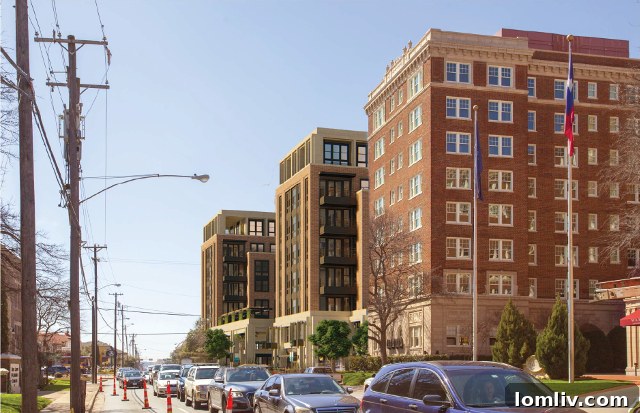
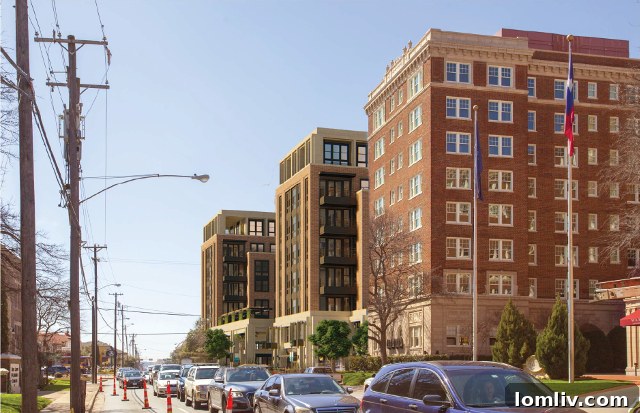
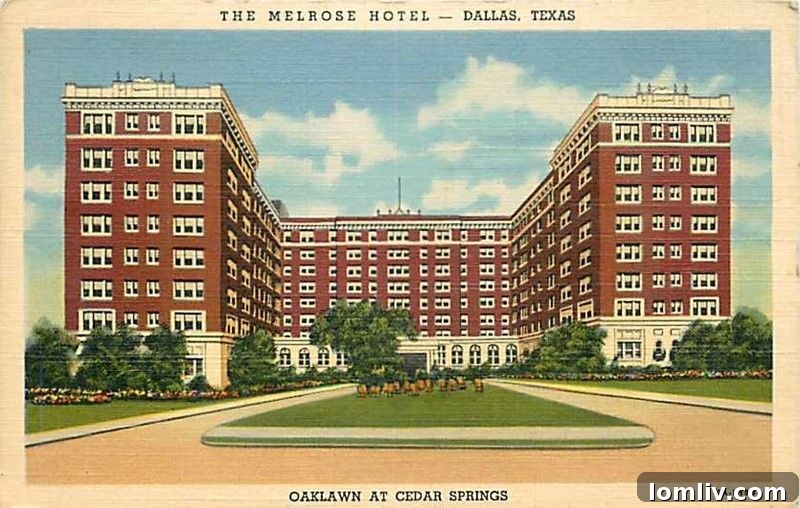
The site currently occupied by the often-maligned Office Depot at 2929 Oak Lawn Avenue is poised for a dramatic transformation. This prime location, adjacent to the venerable Melrose Hotel, is slated for a new development that seeks to honor its historic neighbor while introducing modern living spaces to the area. The Melrose Hotel, originally christened the Melrose Court Apartment and Hotel, first opened its doors in 1924. Its architectural grandeur and enduring presence led to its designation as a Dallas Landmark in 1983, cementing its status as an irreplaceable part of Oak Lawn’s heritage. Before the hotel, this very corner served as the homestead of the Mellersh farm, a testament to the area’s deep historical roots.
The Melrose Hotel, with its 185 rooms, stands as a cherished landmark, a silent observer of countless stories and significant moments within the community. Its distinctive Chicago-style architecture—characterized by a robust stone base, a clearly defined main building, and an ornate top-floor cornice—is not merely aesthetic; it’s a structural narrative that defines a significant era of American urban design. This architectural vocabulary is precisely what the proposed 2929 Oak Lawn building aims to echo.
Architectural Harmony and Urban Integration
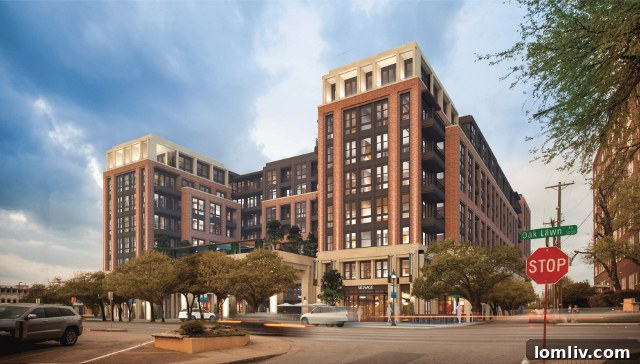
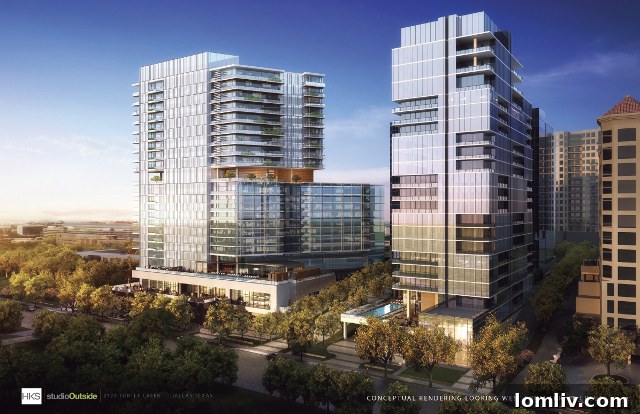
The conceptual renderings for 2929 Oak Lawn reveal a design that meticulously mimics the Melrose’s distinctive architectural features. From its robust stone base to the articulate cornice flourish on its top floor, the proposed structure consciously adopts the Chicago style, ensuring a harmonious visual dialogue with its historic neighbor. Beyond aesthetics, the project also respects the Melrose’s established presence by replicating its overall height and U-shaped footprint along Oak Lawn Avenue. This thoughtful approach aims to create a cohesive urban environment, blending new development seamlessly into the existing streetscape.
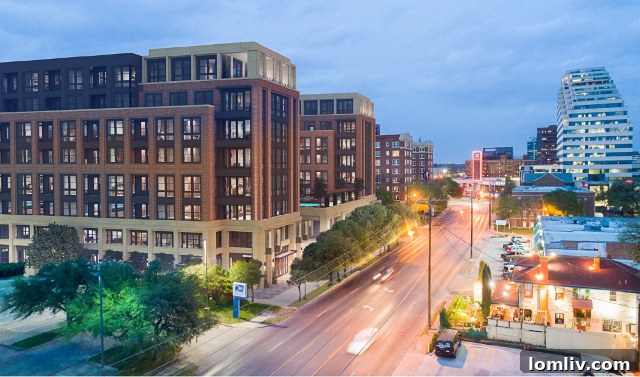
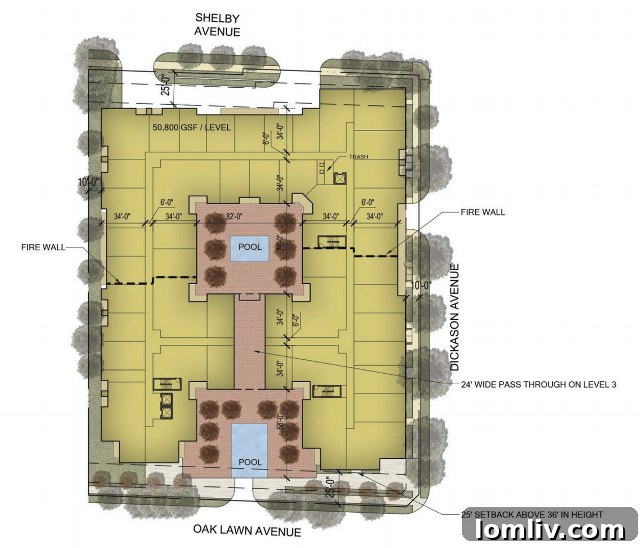
A key aspect of this integration is the proposed reduced setback on the Dickason Avenue side, directly facing The Melrose. The developers are seeking support to match the Melrose’s no-setback above the third floor, a design choice intended to create a “bookend effect.” This architectural strategy aims for a more pleasing and uniform appearance next to the historic structure, enhancing the visual connection between the two buildings. The other three sides of the building will conform to standard setback requirements, emphasizing this specific contextual response.
Project Details: Amenities, Units, and Community Impact
The site plan for 2929 Oak Lawn Avenue reveals a thoughtfully designed mixed-use development aimed at fostering a dynamic urban living experience. At street level on Oak Lawn Avenue, the building will feature a leasing office and space for one or two restaurants, contributing to the vibrant pedestrian street life. Along the sides, ground-floor units are envisioned as live-work spaces, perfect for single-operator businesses such as independent accountants, therapists, or boutique consultants. This blend of residential, retail, and commercial spaces aligns with modern urban planning principles, promoting activity and convenience.
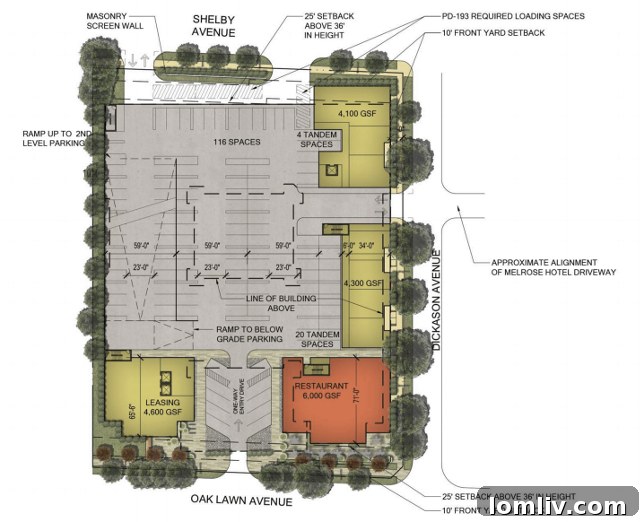
The development also places an emphasis on environmental consideration, with plans to retain and preserve as many mature trees as possible, maintaining a touch of green amidst the urban density. The rear, Shelby-facing side of the building will house essential service areas like loading docks and garbage collection, discreetly screened by a masonry wall. The building will feature three elevators, with a fourth under consideration near the freight area to streamline move-ins and move-outs for residents. While a pedestrian entrance will be available on Oak Lawn, it is anticipated that most residents will utilize exits on Dickason or Shelby Avenues, given Oak Lawn Avenue’s often busy traffic flow.
The project proposes 330 residential units, averaging 825 square feet. A notable aspect is that at least 80 percent of these units will be one-bedroom, a characteristic that suggests a potentially more transient resident population. While the ground-floor two-bedroom units are designed as live-work spaces, potentially attracting long-term tenants, the overall unit mix raises questions about the long-term demographic stability and community building within the complex. Architects GFF might consider how individual floor plans could be drawn to maximize the ability of unit combinations, perhaps through strategic plumbing stack placements. Such foresight could provide an easier transition for future adaptability, such as a conversion to condominiums, ensuring the building’s longevity and responsiveness to evolving market demands.
Addressing Urban Design Challenges: Parking and Green Spaces
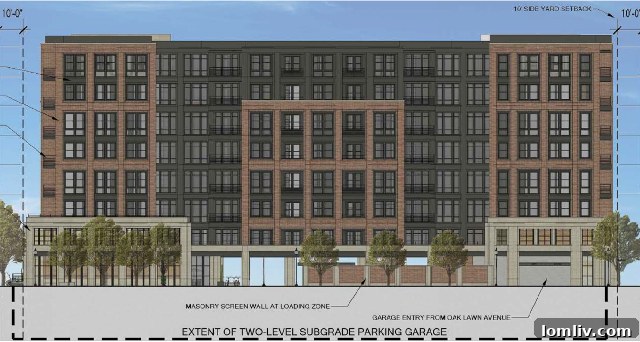
The design of the parking garage for 2929 Oak Lawn presents a common urban planning challenge. The garage will span two underground and two above-ground levels. While the above-ground floors facing Dickason Avenue will be cleverly wrapped in live-work units, the Gillespie side features an open garage. Despite efforts to provide a cohesive look, the ramp connecting the floors will be visible from the street, creating an exposed, less pedestrian-friendly facade. For a project aiming to foster a walkable urban environment, this design choice warrants further consideration. Solutions such as louvered panels to vent exhaust while providing a more finished look, or a vine-covered lattice for added greenery, could significantly enhance the pedestrian experience and soften the visual impact of the parking structure.
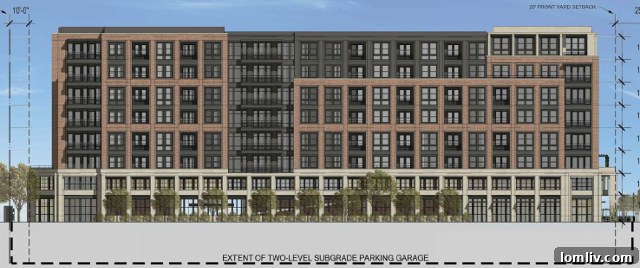
Similarly, the rear of the building on Shelby Avenue, where loading and garbage areas are located, features a masonry wall intended for screening. While screening is certainly necessary, OLC members raised valid concerns about its harshness. Integrating greenery, such as vibrant seasonal plantings or a vertical garden, could significantly soften this area, transforming a utilitarian space into something more aesthetically pleasing for neighboring residents and pedestrians. A touch of creative landscaping could turn an otherwise stark wall into a seasonal display, or even spell out the building’s name in flowers, adding a unique character to the urban environment. This same creative approach could be extended to the bare garage wall on Gillespie, fostering a more engaging and beautiful streetscape.
The project’s most significant request is an increase in the Floor Area Ratio (FAR) from 2.5:1 to 4:1, allowing for a considerable increase in building density. This expansion of developable space, coupled with the proposed 66-by-78-foot central courtyard (housing a second pool), demonstrates a commitment to maximizing amenities within a high-density footprint. The design anticipates the natural shading of this courtyard pool by the surrounding building, catering to residents who prefer cooler, more private aquatic spaces. While the project does not currently include an affordable housing component, arguing that its GR (General Retail) zoning replaces commercial space rather than displacing existing housing, this remains a potential point of negotiation for the City Plan Commission and council, highlighting the ongoing debate around inclusive development in booming urban centers like Oak Lawn.
The Refined Vision for 2727 Turtle Creek – Prescott Project
The 2727 Turtle Creek – Prescott Project, a prominent mixed-use development, initially received a positive reception from the OLC. Since its initial presentation, the project team has engaged in productive discussions with neighboring properties, leading to thoughtful updates that reflect community input. One significant modification involved relocating the apartment tower’s entrance. At the request of The Mansion Residences, the entrance was moved to the left side of the building, enhancing privacy and mitigating potential traffic conflicts for the established luxury property. Such adjustments underscore the collaborative nature of development in Oak Lawn, where developer flexibility often leads to improved outcomes for all stakeholders.
Navigating Antiquated Regulations and Modern Needs
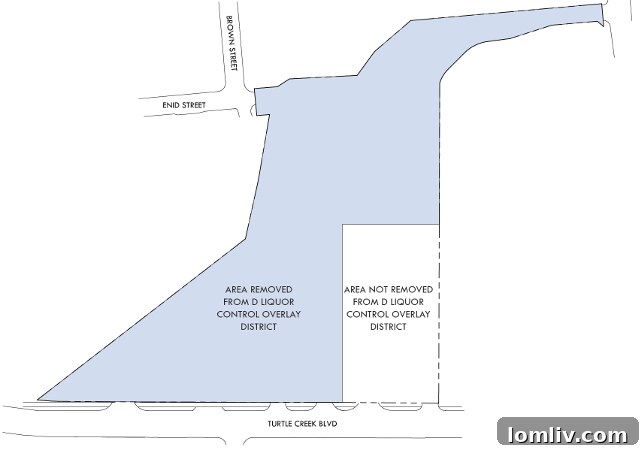
Another focal point of discussion revolved around the antiquated liquor overlay that still blankets parts of the parcel and the surrounding area. It’s perplexing why such a restriction persists in the 21st century, especially for a high-end development. The Mansion, despite having its own liquor overlay removed decades ago, expressed a desire to maintain the liquor ban on the apartment building site, a request Prescott agreed to. This stance, however, drew criticism from some OLC members, who questioned the fairness and logic of imposing such restrictions while nearby establishments, including The Mansion itself, benefit from full liquor licenses. The debate highlighted the broader challenge of modern urban development confronting outdated regulations, emphasizing the need for a more pragmatic and consistent approach to zoning and licensing in a rapidly evolving city.
Strategic Planning for Traffic and Operations
The OLC meeting further showcased the value of diverse perspectives in decision-making, particularly during a detailed inquiry by OLC member Sharon Quist regarding the hotel’s parking and traffic management. Drawing on her extensive experience in luxury real estate, particularly with mixed-use hotel-residential projects, Quist posed critical questions about the impact of the hotel’s 14,000 square feet of meeting space on local traffic. Her concerns focused on how peak event times, such as cocktail parties in the main ballroom, would generate sudden influxes and egresses of vehicles, and how valet parking operations would prevent congestion on Turtle Creek and minimize disruption to residents. The example of McKinney Avenue near The Ritz-Carlton Hotel, known for its event-related traffic snarls, powerfully illustrated her point.
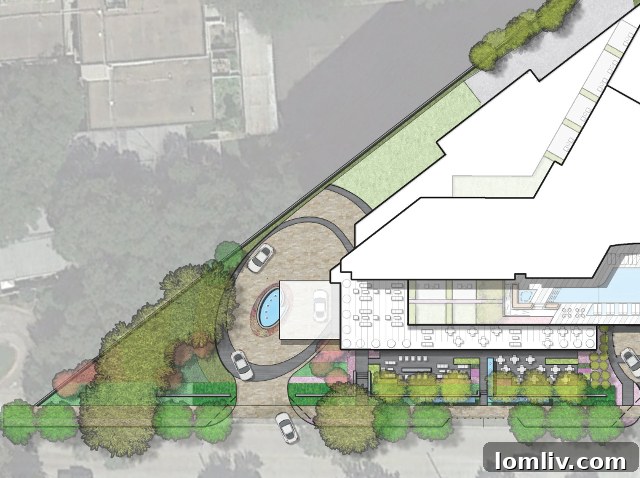
Prescott’s representatives, initially surprised by the depth of Quist’s questioning, quickly responded with well-conceived solutions. They detailed plans for interconnected underground parking garages across the project’s three distinct buildings, allowing for efficient overflow management during large events—which typically occur during evenings or weekends when the office tower is largely empty. Furthermore, a dedicated side area, potentially covered in foliage-permeable brick, is being considered for staging and additional overflow parking. The inclusion of three flexible entrance/exit lanes, capable of adjusting direction to accommodate peak traffic flow, demonstrates a proactive approach to managing the complex logistics of a high-profile mixed-use development. This meticulous planning ensures a smoother experience for guests and residents alike, underscoring the “smart architecture” that Dallas increasingly needs to support its growth.
Oak Lawn’s Continuous Evolution
Both the 2929 Oak Lawn Avenue and 2727 Turtle Creek – Prescott projects exemplify the ongoing transformation of Oak Lawn. These developments represent more than just new buildings; they are critical pieces in the larger puzzle of urban evolution, balancing the demands of modern living with a deep respect for historical context. As Dallas continues to grow, projects like these, which prioritize thoughtful design, community engagement, and strategic planning, are essential for creating vibrant, sustainable, and desirable urban environments. Oak Lawn is not merely changing; it is evolving strategically, aiming to maintain its unique character while embracing a future of dynamic urban living.

About the Author: With a focus on high-rises, HOAs, and renovation, the author offers unique insights into Dallas real estate. An advocate for modern and historical architecture balanced against the YIMBY movement, the author’s work has been recognized by the National Association of Real Estate Editors with multiple Bronze (2016, 2017) and Silver (2016, 2017) awards in 2016 and 2017. For stories, collaborations, or inquiries, reach out via email at [email protected]. Find us on Facebook and Twitter for more updates on Dallas real estate trends.