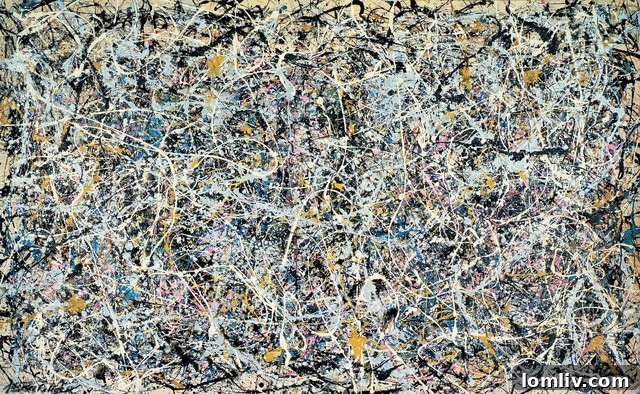
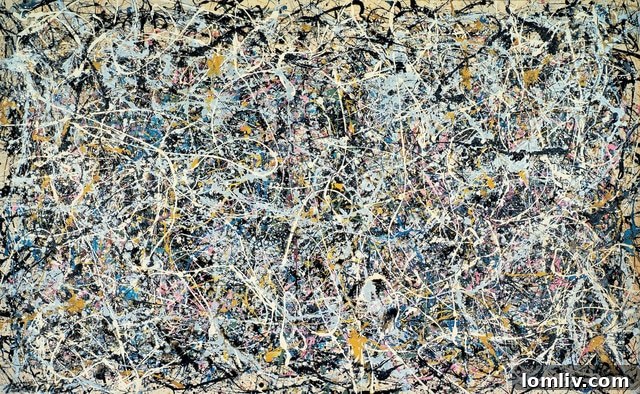
Attending a major urban development conference, such as the recent Urban Land Institute (ULI) fall meeting in Dallas, often leaves attendees with a curious mix of inspiration and a touch of the familiar, much like my first encounter with a Jackson Pollock painting. The initial thought might be, “I could’ve done that.” Yet, the critical distinction, both in art and in urban innovation, is that we didn’t. Conferences, at their core, are powerful incubators of ideas, offering insights into groundbreaking initiatives that others have not only conceived but successfully brought to fruition. They bridge the gap between abstract thought and tangible action, transforming theoretical concepts into practical blueprints for community revitalization and economic growth.
The true value of these gatherings lies not just in discovering novel concepts, but in understanding the nuanced execution behind them. Many ideas presented might seem like common sense in retrospect, but hearing from those who have navigated the complexities of implementation provides invaluable lessons. It’s an opportunity to cherry-pick strategies, adapt them to local contexts, or even “shamelessly rip off” successful models. This spirit of learning and adaptation is essential for anyone looking to make a meaningful impact in urban planning and community development.
Shaping Cities and Communities: Insights from the ULI Conference
One session that perfectly encapsulated this transformative potential was titled “Shaping Cities and Communities.” While some speakers focused more on promoting their published works than on delivering actionable content—a common, albeit frustrating, conference trope—two presenters stood out by offering compelling case studies of urban rejuvenation. These were not just theoretical discussions, but vibrant narratives of communities revitalized through ingenuity, collaboration, and a deep understanding of local needs. Their presentations underscored that successful urban development is less about grand, unattainable visions and more about strategic, community-driven efforts that yield lasting impact.
Popuphood: Igniting Oakland’s Retail Scene
First, let’s delve into the remarkable story of Popuphood, spearheaded by co-founder and Executive Director Sarah Filley. For years, Oakland, California, particularly its historic Old Oakland district, struggled with a persistent lack of the vibrant commercial energy synonymous with the greater San Francisco Bay Area. This stagnation led to an abundance of vacant commercial spaces, a common challenge in many older urban cores.
Filley and her team recognized this challenge as an opportunity. Beginning on 9th and Broadway, they collaborated with property owners to transform these empty storefronts into move-in-ready retail spaces. The goal was to attract small, entrepreneurial retailers—the lifeblood of local economies. To further incentivize participation, Popuphood offered these nascent businesses significantly discounted or even free rent for the first six months. This incubator model reduced the barrier to entry for aspiring entrepreneurs, giving them a vital runway to establish their presence and test their market viability.
The genius of Popuphood lay in its focused, block-by-block approach. Rather than scattering resources across a wide area, they concentrated their efforts on one block at a time. This strategic densification ensured a “critical mass” of new, exciting shops in a confined area, transforming a previously underutilized street into a compelling destination. Ten new shops on a single block had a far greater magnetic pull than the same number spread thinly across ten blocks. Once a block stabilized, demonstrating sustained foot traffic and business success, Popuphood would then expand its efforts to the next contiguous block. This methodical expansion not only amplified the area’s allure but also built long-term staying power and customer loyalty, creating a ripple effect of revitalization.

For landlords, offering rent incentives was a calculated gamble, yet with chronic vacancies, it was a low-risk proposition compared to guaranteed empty spaces. Within a critical six-month window, businesses either found their footing or learned valuable lessons, with the ultimate goal being a successful transition from temporary pop-up to permanent fixture. This model has yielded impressive results, demonstrating the viability of nurturing local entrepreneurship through strategic urban planning.
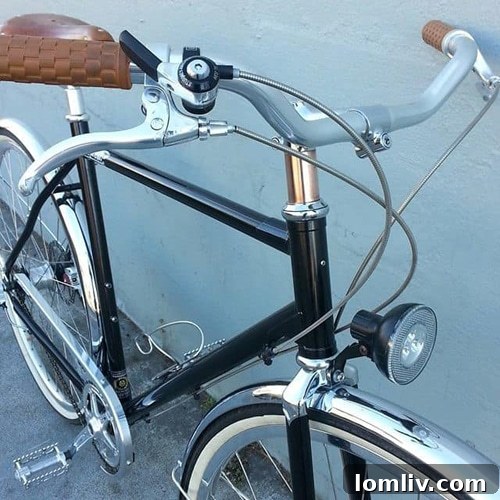
Popuphood’s portfolio of success stories is compelling. Manifesto Bicycles, which started as a pop-up in 2011, has thrived to such an extent that it was featured in a national American Express advertisement, a testament to its strong brand and community integration. Another success, Umami Mart, initially a highly successful online retailer of Japanese kitchen and lifestyle items, leveraged the Popuphood model to establish a physical brick-and-mortar presence. Its success in Oakland paved the way for a second highly successful shop in San Francisco, proving the power of a physical storefront in enhancing an existing brand.
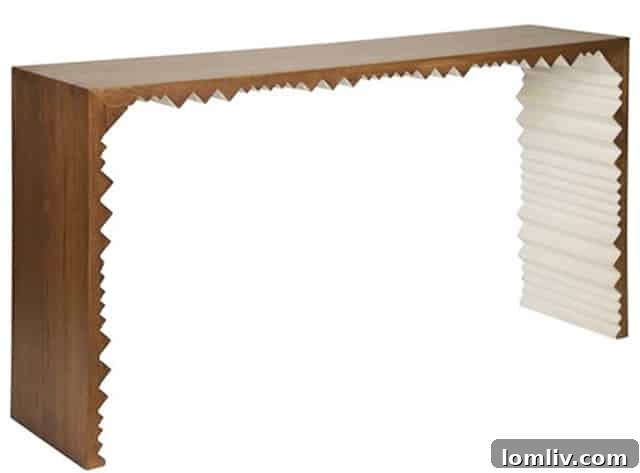
A third inspiring example is SOBU Furniture Design. This husband-and-wife team, renowned for their modernist aesthetic and innovative pieces like the “Junk in the Trunk with Storage” bed created in 2011, opened their first Oakland store in 2013. Their growth led to a move to a larger Oakland location the following year, and by 2016, they were able to expand their operations once again. SOBU’s journey illustrates that while Popuphood provides a nurturing launchpad, continued success might also mean expanding beyond the initial location, similar to how a flourishing child might seek new horizons for growth. These examples collectively highlight Popuphood’s crucial role in fostering a dynamic and sustainable local economy in Old Oakland.
Slow Roll Detroit: Reconnecting a City Through Community Bike Rides
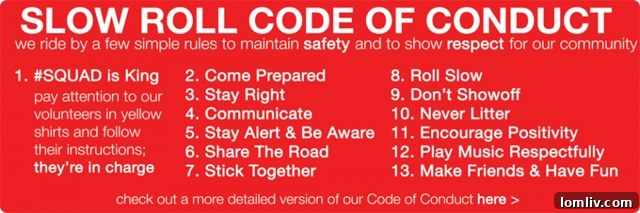
The second inspiring presentation came from Jason Hall, a captivating speaker and co-founder of Slow Roll Detroit. Hall and his friends found themselves on the outside of Detroit’s existing cycling culture, which largely catered to fast-paced, race-oriented, and often Spandex-clad groups. This exclusion sparked an idea for something different: an inclusive, leisurely bicycle ride that welcomed everyone, regardless of skill level or gear.
What began as a small, almost accidental initiative—Hall and a partner embarking on a bike ride after much coaxing, then a two-man affair when friends proved “un-cajoleable”—blossomed into a phenomenon. By 2014, Slow Roll was regularly attracting over a thousand riders, garnering both national and international acclaim for its brilliantly simple yet profoundly impactful concept. This organic growth underscored a deep, unmet need for accessible and community-focused recreational activities in Detroit.
The genesis of Slow Roll Detroit in 2010 was rooted in Hall’s desire to counter the pervasive negative media narrative surrounding Detroit post-recession. The city was frequently portrayed as a desolate and undesirable place to live. Hall envisioned an initiative that would re-engage residents with the rich history, diverse neighborhoods, and hidden gems their city had to offer. It sought to break through the “white noise” of daily commutes, encouraging residents to slow down, observe, and reconnect with their surroundings. Much like visitors discovering a city’s charm, Slow Roll aimed to help locals rediscover the beauty and potential often overlooked in their own backyard, effectively transforming passive residents into active explorers and proud ambassadors.
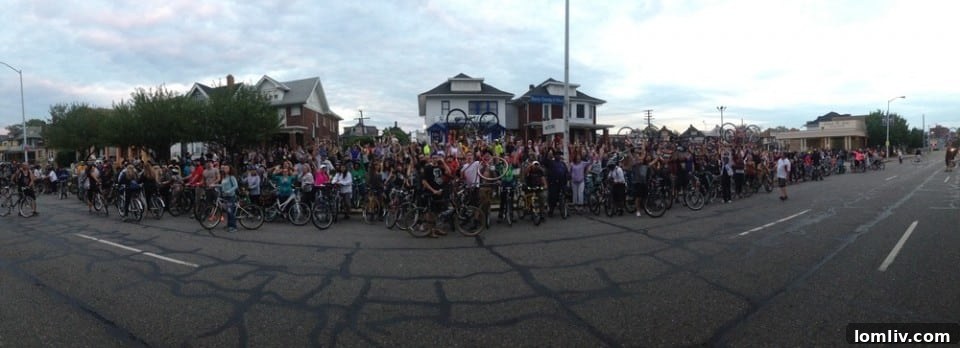
Between 2010 and 2016, Slow Roll Detroit experienced monumental growth and transformation. Rider participation soared, and crucially, the initiative gained the full support of the Detroit Police Department and the City of Detroit. This was a significant shift; in its early days, riders often had to navigate city streets cautiously, avoiding police scrutiny because gatherings of more than 50 people were officially discouraged. Hall recounted stories of riders looking both ways, not just for cars, but specifically for police cruisers, a testament to the initial skepticism and bureaucratic hurdles they faced. The evolution from a grassroots movement operating on the fringes to an officially sanctioned and celebrated civic event is a powerful narrative of community persistence and positive change.
The success of Slow Roll Detroit quickly transcended city limits. Word-of-mouth spread, leading to incredible opportunities, such as Red Bull flying the group, complete with their bikes, to Chicago to stage a similar ride. Today, the Slow Roll movement is a global phenomenon, with active groups in Cleveland, Buffalo, Berlin, Chicago, Washington D.C., and a fervent following across three cities in Sweden. Even the city of Slemani, Iraq, has embraced the concept since 2014. The universal appeal of community, exploration, and gentle exercise has captivated figures like Sir Richard Branson, who personally joined the Detroit group, further elevating its profile and demonstrating its broad impact.
Every Monday from April to October, thousands of cyclists now gather at various locations across Detroit. They embark on slow, convivial journeys through diverse neighborhoods, rediscovering their city, connecting with fellow residents, and actively serving as ambassadors for Detroit’s renewed spirit. These rides are more than just exercise; they are moving community events that foster civic pride, promote active lifestyles, and showcase the ongoing revitalization of a resilient city.
Blueprints for the Metroplex: Applying Urban Innovation Locally
Both Popuphood and Slow Roll Detroit offer compelling blueprints for urban revitalization, fostering camaraderie, and encouraging outdoor engagement. These models demonstrate that profound community impact can be achieved through focused, accessible, and community-centric initiatives. They challenge the notion that urban renewal must always involve massive, top-down projects; instead, they highlight the power of grassroots movements and strategic local development.
Consider the potential for something akin to Popuphood around Dallas’s Fair Park. This historic area could greatly benefit from a curated influx of artisans, small businesses, and pop-up retailers, drawing new customers and fostering vibrant dialogue within the community. Such an initiative could transform underutilized spaces into dynamic hubs of local commerce and culture, much like Old Oakland.
Equally transformative could be the introduction of Slow Rolls across various areas of the Dallas-Fort Worth Metroplex. Imagine leisurely rides through the historic districts of Oak Cliff, the diverse neighborhoods of West Dallas, or the scenic trails around White Rock Lake, allowing residents to reconnect with the richness and complexity of their own city beyond their usual commutes. These rides could serve as powerful tools for community building, promoting active transportation, and cultivating a deeper appreciation for the unique character of each district. Personally, such an initiative would allow me to expand my exploration far beyond the familiar confines of the Katy Trail and White Rock Lake.
Dallas, and indeed any city seeking to enhance its urban fabric, needs its own “Pollocks”—individuals and groups with the vision to seize these kinds of innovative ideas and the courage to run (or ride) with them. The ULI conference serves as a potent reminder that the blueprints for better cities are readily available; it’s up to local leaders, entrepreneurs, and engaged citizens to adapt and implement them, transforming inspiration into tangible progress.
About the Author: My focus areas include high-rises, HOAs, and property renovations, alongside an appreciation for modern and historical architecture balanced against the evolving YIMBY movement. If you’re interested in hosting a Candysdirt.com Staff Meeting event, please reach out. In 2016, my writing earned me Bronze and Silver awards from the National Association of Real Estate Editors. Do you have a compelling story to share or a unique proposal to make? Feel free to email me at [email protected].