Architectural Visionary Thad Reeves on Design, Preservation, and European Influence in Dallas
Welcome to our acclaimed series, Interview with an Architect, where we engage in insightful conversations with prominent figures shaping the architectural landscape of North Texas. Through these discussions, we delve into their groundbreaking work, address critical development challenges facing our communities, and uncover the principles behind truly exceptional design. (For those who missed it, our previous interview can be found here).
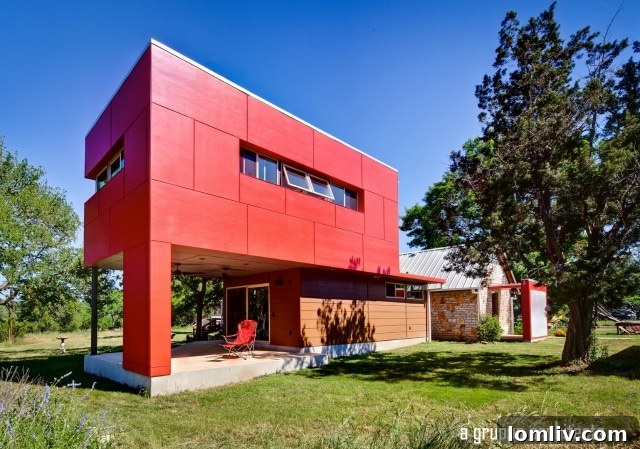
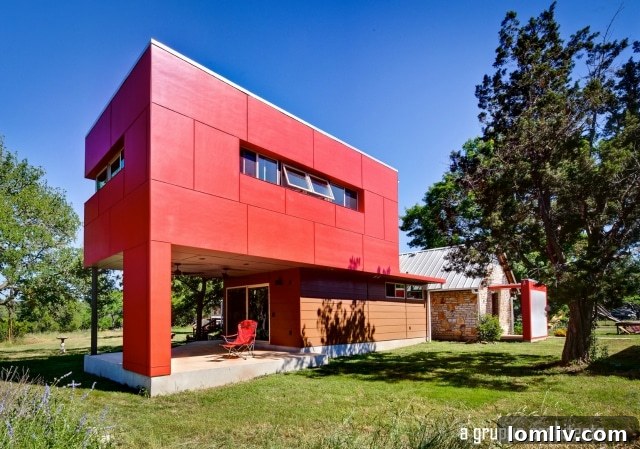
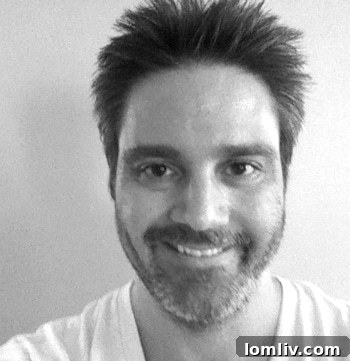
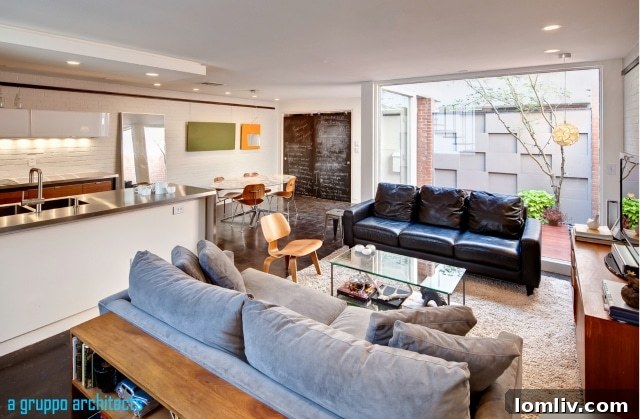
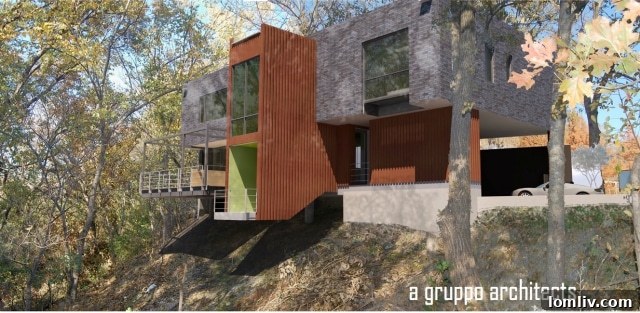
Today, we are honored to feature Thad Reeves, AIA, a visionary architect and co-founder of A.GRUPPO Architects. His firm stands as a testament to collaborative design, fostering partnerships between a diverse network of designers, architects, fabricators, and, most crucially, their clients. A.GRUPPO is dedicated to creating spaces that are not only aesthetically compelling but also deeply functional and resonant with their surroundings.
Thad Reeves embarked on his architectural journey at the University of Texas at Arlington, where he earned his Masters of Architecture in 1997. His academic pursuits were enriched by extensive travel and study in Spain, which ignited a profound interest in the enduring influence of historic European architecture on contemporary design. This fascination has since guided him on countless architectural pilgrimages across Western and Central Europe, Australia, and the United States, continually informing his unique approach to architectural innovation.
Upon graduation, Reeves commenced his professional career at RTKL Associates in Dallas, where his talents contributed to a range of local and internationally award-winning projects. This foundational experience was followed by a tenure at Oglesby Greene Architects, a period during which he meticulously refined his skills on sophisticated, smaller-scale projects, developing a keen eye for detail and craftsmanship.
The year 2003 marked a significant entrepreneurial turn for Reeves as he played a pivotal role in establishing the offices of Thomas Krahenbuhl and Truett Roberts Architects. In this new capacity, he continued to lead diverse commercial and residential projects, immersing himself in every phase of the design process, from initial concept to final execution.
Further solidifying his commitment to the architectural community, Reeves returned to his alma mater, UT Arlington, in 2005, where he dedicated a decade to teaching. During this impactful period, he mentored the next generation of architects, sharing his vast knowledge and practical experience. Simultaneously, 2005 also saw the co-founding of A. GRUPPO Architects, a venture that has since flourished, prompting him to temporarily step away from teaching to focus on the firm’s burgeoning success.
Interview: Thad Reeves on European Influences, Dallas Preservation, and the Future of Design
CandysDirt: Your extensive travels and studies have cultivated a strong interest in how European architecture influences contemporary design. How do you perceive this influence manifesting – or perhaps not manifesting – within the unique architectural context of Dallas?
Thad Reeves: My fascination with European architecture, both historical and contemporary, extends beyond mere aesthetics. It’s fundamentally about understanding ideas and their origins, particularly in urban development. European cities have grappled with the complexities of buildings within an urban fabric for centuries longer than we have in the United States. Consequently, there’s an immense wealth of knowledge to glean from their sophisticated approaches to issues of density, public transportation, and the thoughtful creation of public spaces. These are challenges that Dallas, as a rapidly expanding metropolitan area, is increasingly facing.
Interestingly, I’ve come to realize that many new, “high design” buildings, while often impeccably executed, sometimes lack a certain intangible quality that I’m still trying to articulate. A few years ago in New York, it struck me that there was often more to learn from the pragmatic solutions employed by an unknown craftsman or an everyday citizen – perhaps in the ingenious design of a gate or a subtle connection between two disparate structures – than from some of the more overtly celebrated architectural statements. Ideas, I’ve found, are ubiquitous; they permeate our daily environment. The true joy lies in cataloging these observations and discovering how they subtly emerge and inform our own architectural endeavors.
CandysDirt: In 2005, you co-founded IPB LLC, an initiative focused on acquiring and developing projects, notably including the restoration of a historic 1920s residential complex where you served as developer, designer, and contractor. What is it about restoration projects that particularly captivates you?
Thad Reeves: IPB LLC was a truly fascinating undertaking, specifically centered on a unique cluster of buildings situated at Fitzhugh and Capitol in East Dallas. This area, at the time, was unfortunately known as an epicenter for significant crime and drug-related activities within the neighborhood. It was incredibly rewarding and illustrative to witness the dramatic transformation in pedestrian traffic once we had successfully cleared out the area and commenced our restoration work. That entire vicinity has undergone an astonishing revitalization over the past decade, and it’s genuinely gratifying to reflect on how our project played a small, yet meaningful, role in initiating that cleanup effort. That sense of direct positive impact is profoundly satisfying.
From a broader perspective, restoration, especially when you have a structurally sound and architecturally significant starting point, often makes a great deal of sense. However, it’s also true that in neighborhoods like the one we worked in, many old buildings had deteriorated beyond repair, and demolition was the only logical course of action. Renovation is undeniably more challenging than new construction. You are constantly encountering unforeseen conditions and hidden issues as you peel back layers of history – whether it’s structural deficiencies, outdated systems, or unexpected material compromises. These discoveries demand flexibility, problem-solving, and a readiness to adjust initial assumptions, making each restoration project a complex puzzle to solve.
CandysDirt: What is your perspective on the current preservation climate in Dallas? If you could, what specific changes would you advocate for?
Thad Reeves: I believe there’s a growing groundswell of public interest in safeguarding the rich architectural history of Dallas. We’ve seen significant and vocal opposition to the often illegal demolition of many truly remarkable old buildings across the city – and this public engagement is a positive sign. It’s imperative that we continue to speak out, because once these historic structures are gone, they are irrevocably lost. The undeniable weak link in our current preservation efforts, however, lies squarely with the city administration itself.
Dallas has a long-standing reputation as a city where developers frequently operate with a considerable degree of autonomy, pursuing their interests with minimal oversight. This isn’t a new phenomenon. My fervent hope is that the city will genuinely implement more robust measures and enforceable regulations to prevent the rampant destruction of our architectural heritage. Unfortunately, even with new regulations, the current repercussions for illegally tearing down a historic building are often not substantial enough to truly deter developers. We need a system where the penalties are prohibitive, truly reflecting the irreplaceable loss incurred when a significant piece of Dallas’s history is eradicated for short-term gain. Until then, the battle for preservation will remain an uphill one, requiring constant vigilance from the community.
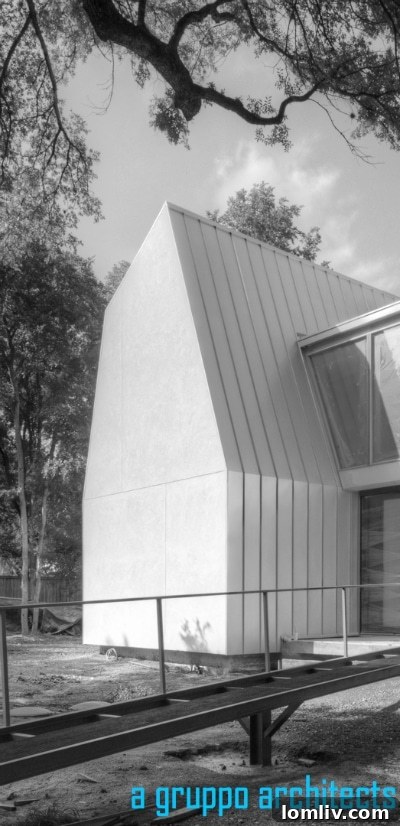
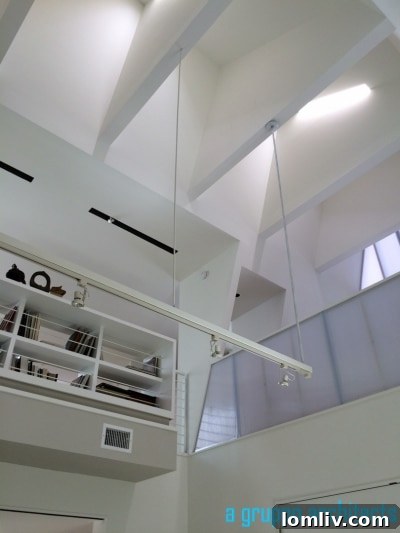
CandysDirt: I’m particularly fond of your firm’s profile on architizer.com, which beautifully articulates the goal of “attaining the transcendent experiential quality of architecture.” This is incredibly eloquent. What specific projects have you worked on that you feel have achieved this, and speaking theoretically, what does it truly take to reach such an ideal?
Thad Reeves: To be entirely honest, I’m not certain I’ve ever personally worked on a project that has fully achieved that elusive “transcendent experiential quality” – I view it more as an enduring ideal, a profound aspiration that architects are perpetually striving for throughout their careers. It’s a quality that you can unmistakably recognize in the masterpieces of architectural giants like Louis Kahn, Alvaro Siza (and his mentor, Fernando Tavora, before him), and Carlo Scarpa. These architects had an unparalleled ability to craft spaces that resonated deeply, moving occupants on an almost spiritual level.
From a theoretical standpoint, I believe achieving such a quality demands a perfect, almost alchemical, alignment of numerous elements: the inherent qualities of the site itself, the carefully selected materials, the vision and openness of the client, the architect’s creative ingenuity, and the contractor’s meticulous execution. It requires a synergy where every party involved is fully committed and working in harmonious concert. On every project we undertake at A. GRUPPO Architects, we strive to push our own creative boundaries and, equally important, to encourage our clients to embrace innovative possibilities. Often, what appear to be limitations – whether budgetary, site-specific, or regulatory – can transform into fertile opportunities for truly unique and impactful design, but only if all stakeholders are collaboratively engaged and invested in the pursuit of excellence.
CandysDirt: Among all your impressive body of work, which project has been the most satisfying for you personally, and what made it so impactful?
Thad Reeves: Without a doubt, the most profoundly satisfying project I’ve had the privilege to work on was the Dallas Police Memorial. At the time, I was working with Oglesby Greene Architects, who served as the architects of record for the project. My role as job captain for this particular endeavor was incredibly rewarding, primarily due to the intensely personal connection it held for the families of the fallen officers it honored. While I always hope and strive for all our clients to be pleased with the final product of our work, I genuinely don’t believe anything can compare to the profound and deeply personal meaning that memorial carried for those families. To contribute to something that offered solace and commemoration in such a meaningful way was an unparalleled experience.

CandysDirt: Having served as a professor for ten years, with plans to return to academia, what are your current impressions of the young architects entering the field today? What significant issues do you foresee them confronting in their professional careers?
Thad Reeves: My impression of today’s young architects is overwhelmingly positive; they are exceptionally bright, highly motivated, and remarkably proficient with the latest technologies. They bring a fresh perspective and an eagerness to innovate, which is truly inspiring. However, one of the enduring challenges within architectural education, in my view, stems from the prevalence of instructors who, despite their academic credentials, possess limited practical experience in the actual practice of architecture and the intricate processes of how buildings are constructed. While these instructors undoubtedly contribute valuable theoretical insights and diverse perspectives to the curriculum, an overemphasis on purely theoretical approaches can inadvertently leave students ill-prepared for the realities and demands of professional practice. They may emerge from their studies with a strong conceptual foundation but lack the critical understanding of site logistics, material realities, construction methodologies, and the collaborative nature of building. The big issues they will face include navigating increasingly complex regulatory environments, integrating advanced sustainable practices, adapting to rapidly evolving technologies, and bridging the gap between theoretical ideals and the practicalities of client demands and budget constraints in a constantly changing market. A greater integration of hands-on experience and practical knowledge from seasoned practitioners into the academic framework would undoubtedly better equip them for these challenges.
CandysDirt: Finally, what is your favorite building in Dallas, whether residential or commercial, and what makes it stand out for you?
Thad Reeves: This is always a challenging question, as my answer can genuinely shift depending on the day you ask! However, if I had to choose, I would say the Hall of State at Fair Park embodies the best space in the city. Its grandeur, historical significance, and the way light interacts with its materials create an almost timeless experience. The Key Vision Center on Lemmon Avenue, designed by Joe McCall at Oglesby Greene, is another fantastic building that I believe possesses a truly timeless quality; it’s remarkably understated yet profoundly impactful. My absolute favorite new project, however, is Max Levy’s columbarium at St. Michael’s and All Angels Church. It is, quite simply, fantastic in every single aspect. The precision of its scale, the thoughtful selection and application of its materiality, and the serene atmosphere it creates are all absolutely perfect. I truly believe that this project manages to achieve that elusive “transcendent experiential quality” we discussed earlier, making it a profound and deeply moving piece of architecture in Dallas.