

The recent surge in interest surrounding our complimentary webinar event, hosted by daltxrealestate.com and PropertyTax.io, unequivocally underscores a critical point: North Texans, reeling from the shock of hefty appraisal notices, are more determined than ever to challenge and mitigate their escalating property tax burdens. This widespread concern highlights a growing movement among homeowners ready to actively engage in the property tax protest process.
Candy Evans, the distinguished Publisher of daltxrealestate.com and the engaging emcee for the webinar, eloquently captured the sentiment shared by many in the region. “We just got our tax bill in the mail, probably five or so days ago and I just left it there in the kitchen,” Evans recounted. “I didn’t want to look at it. I made my husband look first.” Her candid admission resonates with countless homeowners who experience a similar apprehension when confronting their annual property tax statements.
The webinar, aptly titled “How to Protest Your Property Taxes (And Win),” drew an impressive audience of over 250 participants. This hour-plus session was a comprehensive exploration into the intricacies of property tax protests, featuring the invaluable insights of seasoned appraisal experts Glenn Goodrich and Will Wiggins. The discussion delved into the political dimensions of property taxation, presented in-depth charts illustrating the latest market data, and included a highly interactive question-and-answer segment, empowering attendees with practical knowledge and strategic advice.

For those who were unable to attend this highly informative event, we have compiled a summary of the key takeaways and discussion points to help you navigate the complex world of property tax protests in Texas.
Understanding the High Cost: Why Texas Property Taxes Soar (And Why Protest is Essential)
Texas homeowners frequently face some of the highest property tax bills in the nation. Specifically, the Dallas-Fort Worth-Arlington metropolitan area holds the distinction of having the highest effective property tax rate within the state, while Texas itself ranks as the seventh-highest state for property taxes across the United States. This elevated taxation is largely attributable to the absence of a state income tax, a common revenue stream in many other states. Consequently, property taxes become the primary funding mechanism for essential local services, including public education, road infrastructure, vital public safety initiatives, and other critical community infrastructure projects. This structure places a significant financial responsibility squarely on the shoulders of property owners.
“People come here, they move here, and they say, ‘Your real estate is so affordable!’ Then they’re hit with the shockaroo of the property taxes,” Evans said, articulating a common experience for newcomers to Texas.
Beyond the revenue structure, the Texas property tax system is widely considered antiquated, struggling to adapt to the dynamic modern real estate market. Designed decades ago, when homes were significantly more affordable and property values exhibited far more stable growth patterns, the system is ill-equipped to handle the dramatic year-over-year increases, sometimes exceeding 20 percent, that have become commonplace in recent times. This outdated framework contributes to a system that often feels out of touch with current economic realities.
The Growing Inequitability of the System
A significant point of contention and a core focus of the webinar was the increasing inequity embedded within the current property tax system. Residential properties, owned by individual homeowners, frequently bear a disproportionately higher tax burden compared to commercial properties. Data presented during the webinar revealed that homeowners are often appraised at approximately 95 percent of their market value, while commercial properties typically pay taxes based on only about 70 percent of their actual market value. This stark difference highlights a fundamental imbalance in how different property types are assessed and taxed.
But why do residential homeowners bear a heavier burden than commercial property owners?
The panel shed light on the systemic reasons behind this disparity, primarily revolving around data access and professional representation. Appraisal districts possess significantly more robust and readily available data for residential properties, largely due to the comprehensive nature of MLS (Multiple Listing Service) systems. Home sales prices, along with detailed property characteristics, are routinely recorded and disseminated through MLS, providing county appraisers with a wealth of information to accurately and confidently value residential homes.
Conversely, the commercial real estate equivalent, CoStar, often lacks the same level of pricing transparency, with sales prices rarely being entered. This data gap leaves county appraisers with less comprehensive information to fully and confidently assess commercial properties, potentially leading to lower valuations.
Furthermore, a crucial factor is the consistent engagement of commercial firms and their sophisticated real estate agents in protesting their appraisals annually. These entities are well-versed in the protest process, often employing dedicated teams or consultants, ensuring that the initial value set by the appraisal district is rarely the final assessment. In stark contrast, many homeowners are unrepresented, often finding themselves struggling to navigate the complex and often intimidating protest process. Consequently, a substantial number of homeowners do not protest their property tax appraisals each year, meaning the initial, and often inflated, value set by the appraisal district effectively stands unchallenged.
“I think we’re at a point in time where it’s just we need to be protesting every year,” Glenn Goodrich emphasized, urging homeowners to adopt a proactive stance against rising appraisals.
This regular protest engagement by commercial entities, combined with the data disadvantage for residential properties, perpetuates an inequitable system where homeowners often end up subsidizing a larger portion of the local tax base.
Key Insights from the daltxrealestate.com Webinar Slide Presentation
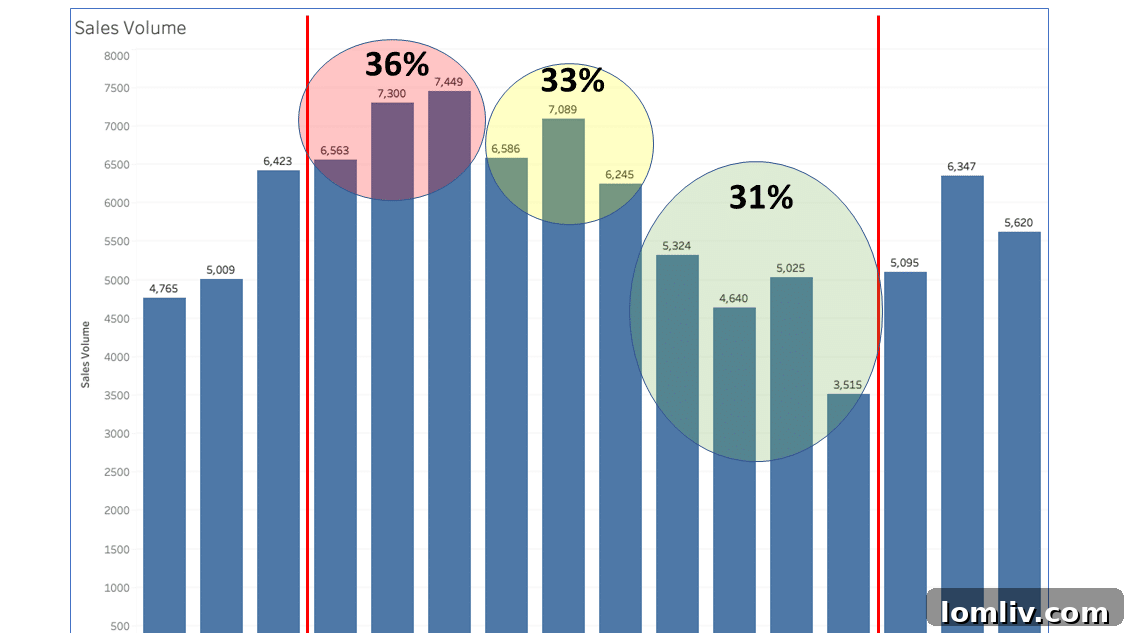
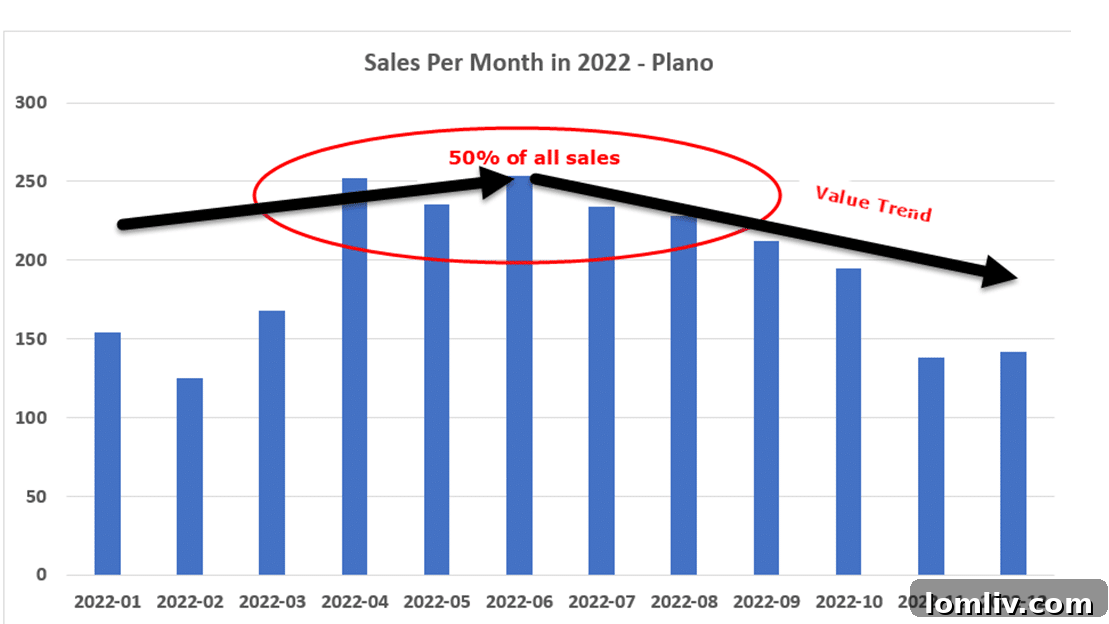
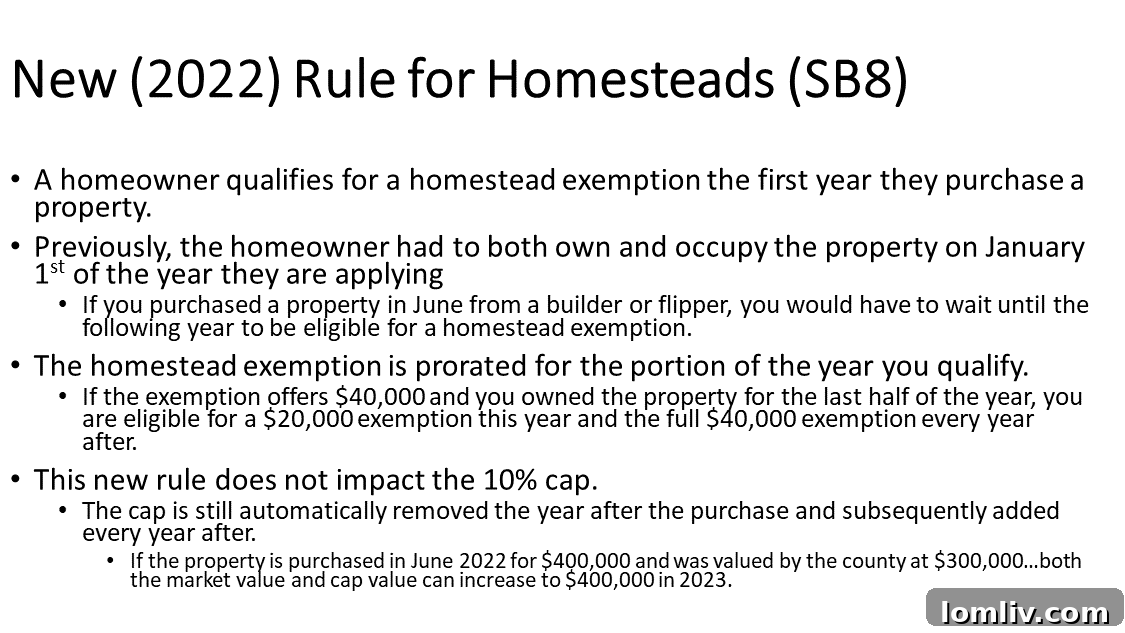
During the webinar, the esteemed property tax consultants presented a series of insightful slides that meticulously detailed the prevailing trends within the U.S. housing market, with a particular focus on the unique dynamics shaping Texas real estate. Goodrich and Wiggins highlighted a consistent upward trajectory in home values over the past decade, culminating in a significant surge in 2021. This sharp increase was primarily attributed to a potent combination of limited housing supply and historically low interest rates, creating a highly competitive seller’s market.
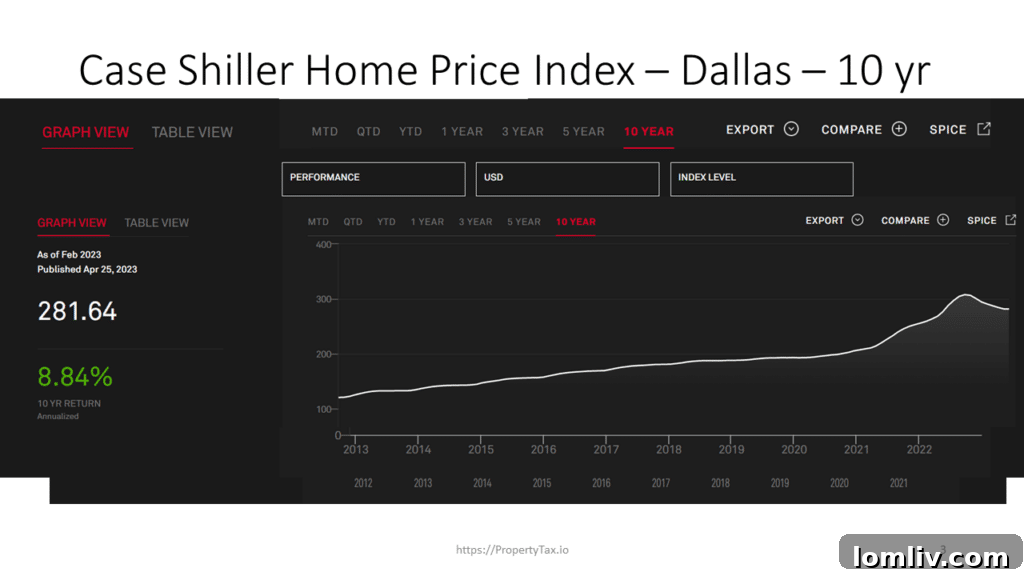
However, the presentation also pivoted to address the more recent landscape of skepticism and uncertainty that has begun to permeate the market. Factors such as national forecast ambiguity, persistent inflation concerns, ongoing supply chain disruptions, and critical shortages of construction materials have collectively exerted upward pressure on building costs and introduced a degree of doubt among both buyers and sellers. These macroeconomic forces complicate the valuation process and create new challenges for property owners.
“It’s obvious here that over the last 10 years that there’s been a steady increase. You see a heavy increase there in 2021. And we all know why — limited supply and low interest rates. Especially in Texas, where we saw the job economy thriving, so it was just a case of limited supply. You had a lot of people moving here and that drove up prices, and we still see effects,” one of the experts explained, underscoring the powerful interplay of economic factors and migration patterns that have shaped the Texas housing market.
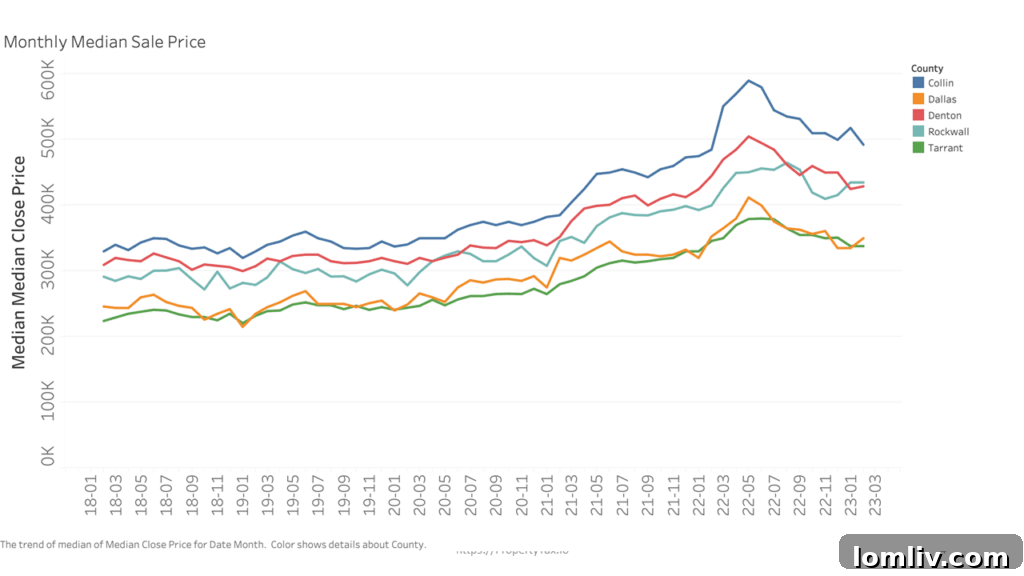
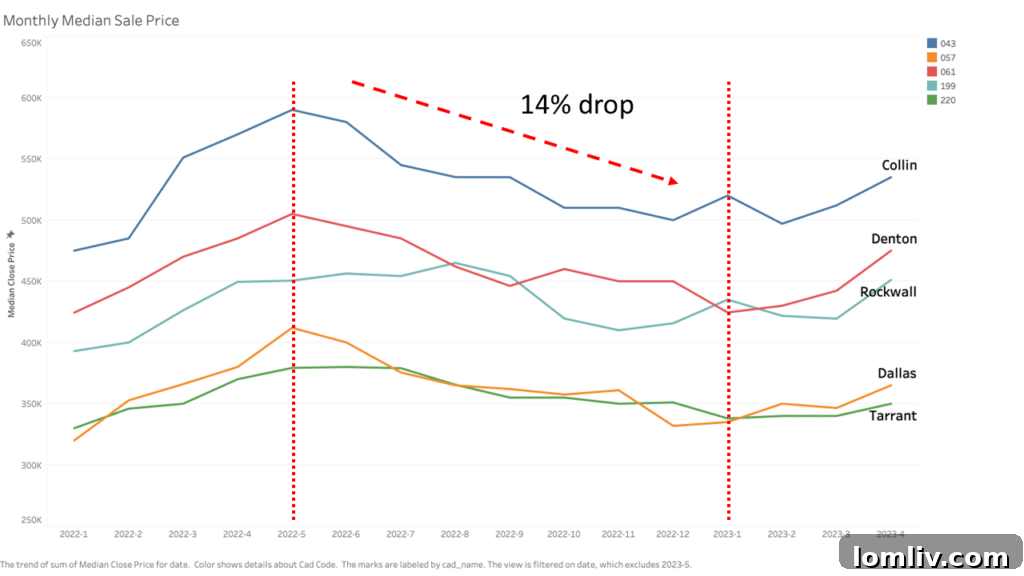
A critical point emphasized by the panel was how market downturns, or even slowdowns, can strategically play into the hands of property tax consultants and, by extension, homeowners. The presented graphs clearly demonstrated that despite noticeable declines in median sales prices across various counties, the official notices of appraised values frequently lagged behind these real-time market shifts. This significant lag often resulted in appraised values being inflated by at least 10-15 percent. This discrepancy arises because appraisal districts typically gather their data during peak market periods and often fail to apply timely adjustments for subsequent market cooling or depreciation. The consultants strongly advised homeowners to base their protests on current, up-to-date market conditions rather than allowing their property to be valued based on past market peaks, which no longer reflect fair market value.
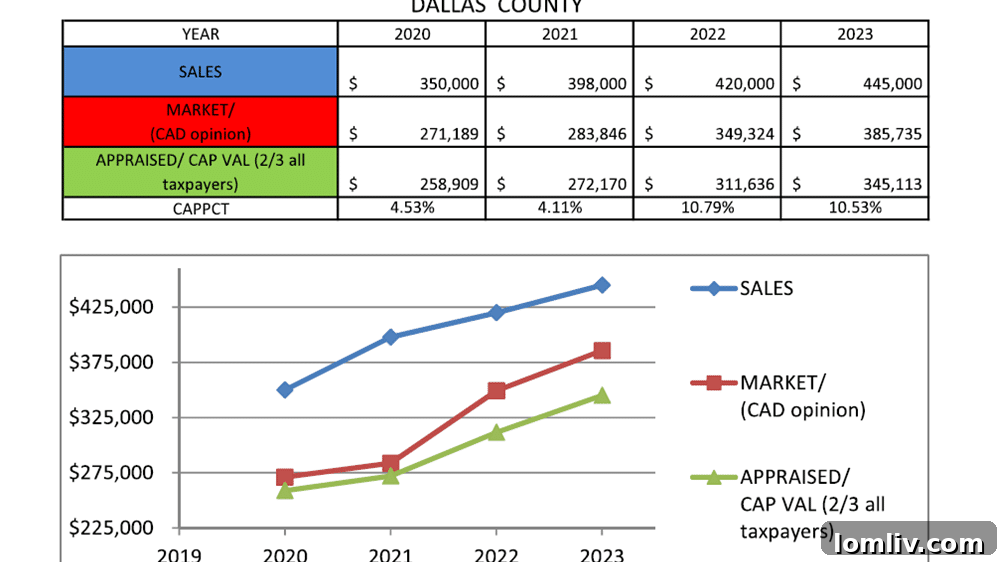
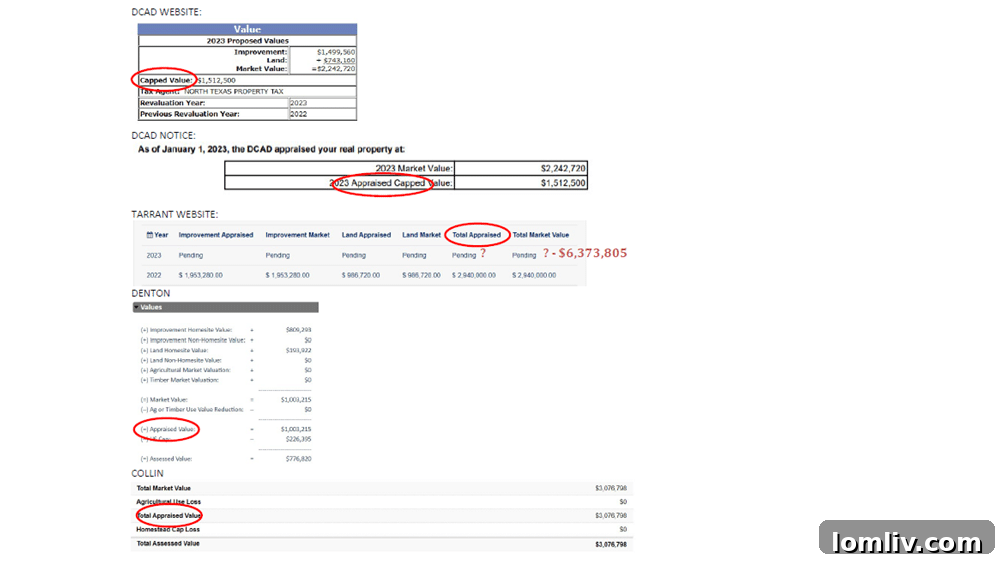
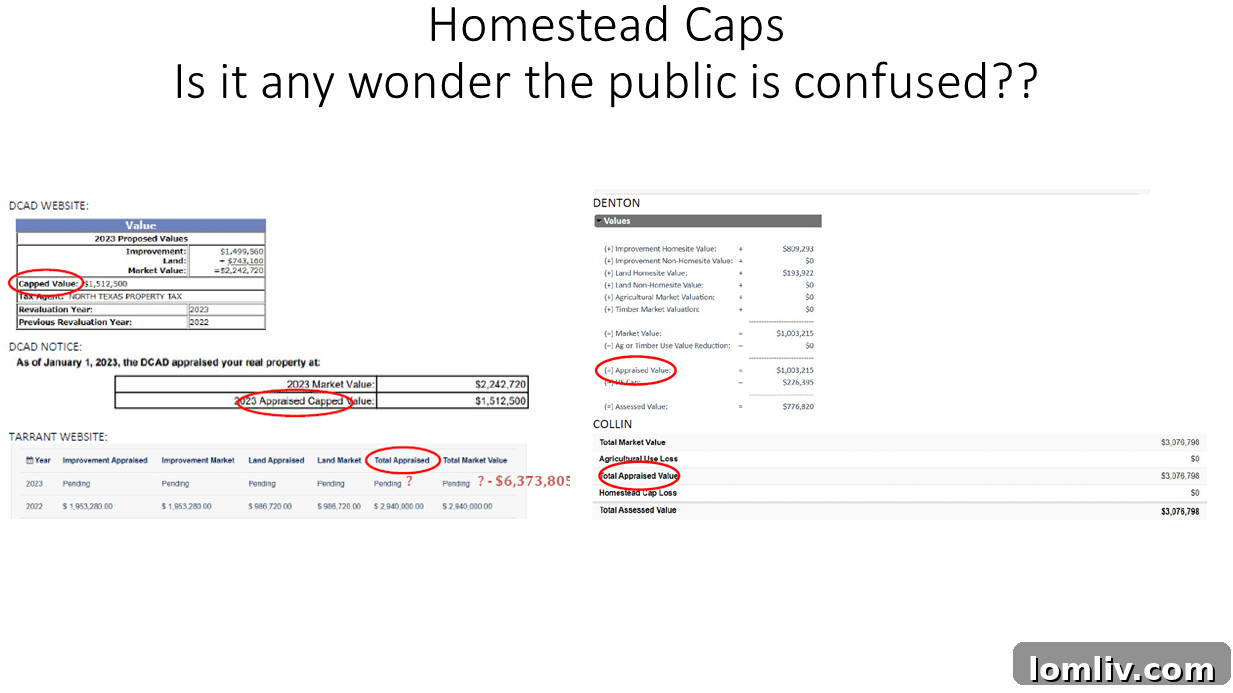
Adding to the complexity for homeowners, different counties often employ varying terms to describe what is essentially the “appraised value” of a property. This inconsistent terminology can lead to considerable confusion among taxpayers attempting to comprehend their annual tax obligations. For instance, some counties might refer to the appraised value as “assessed value,” while others use the term “capped value.” This lack of standardization across counties underscores a critical need for greater clarity and consistency in terminology. Such uniformity would enable taxpayers to more easily understand and verify the basis of their yearly property tax liabilities, fostering transparency and reducing frustration.
Mastering Your Property Tax Appraisal Protest: Winning Strategies
Protesting your property tax appraisal can seem daunting, but with the right strategies, homeowners can significantly increase their chances of a favorable outcome. The experts outlined several crucial steps to navigate this process successfully.
1. Always Meet the Deadline: The Golden Rule of Property Tax Protests.
The absolute most critical step in protesting your property taxes is to file your protest before the deadline. There are no exceptions, no extensions without valid cause, and missing this deadline means forfeiting your right to appeal for the current tax year. Deadlines can vary slightly by county, but a general guideline is May 15th. However, it is imperative to verify the specific deadline for your county each year. For instance, Dallas County had an extended deadline until May 21st this year, highlighting the importance of checking local appraisal district websites. The online protest option is highly recommended for its convenience and ease of use, ensuring your protest is submitted promptly and recorded accurately.
2. Proactively Request Evidence: Prepare Your Case.
To effectively challenge your appraisal, homeowners should request the appraisal district’s evidence package at least fourteen days prior to their scheduled Appraisal Review Board (ARB) hearing. This crucial packet, typically accessible through the online e-protest portal, contains the data and rationale the district used to determine your property’s value. Receiving this evidence in advance allows homeowners ample time to meticulously review the district’s comparisons, identify potential errors or discrepancies, and develop compelling rebuttals. This proactive preparation is key to avoiding unwelcome surprises during the hearing and presenting a well-informed case.
3. Focus on “Value,” Not “Taxes”: Frame Your Argument Effectively.
During the Appraisal Review Board hearing, it is essential to reframe your discussion around your property’s *market value* rather than simply complaining about high property taxes. The ARB’s mandate is to assess the fairness and accuracy of your property’s valuation, not to adjust your tax bill based on your financial circumstances or grievances about tax rates. Presenting arguments focused on how your property’s appraised value exceeds its true market value—or is inequitable compared to similar properties—is a far more effective strategy. Highlight specific data points or conditions that support a lower valuation.
4. Document Conditions with Photos and Leverage Recent Sales.
Visual evidence can be incredibly powerful. Taking clear, dated photographs that illustrate issues with a property’s condition – such as structural damage, outdated features, deferred maintenance, or even negative external factors like noisy neighbors or unattractive views – can serve as straightforward evidence for reductions during hearings. Beyond condition, skillful use of recent comparable sales (comps) is paramount. Focus on sales of similar properties in your immediate area that closed *after* the appraisal district’s valuation date, particularly those that sold for less than your appraised value. Be prepared to explain why these comparables are indeed similar to yours and reflect a more accurate market value.
5. Strategically Choose Your Review Panel: Understanding Your Options.
Homeowners have several choices regarding the format of their protest hearing, and understanding these options can significantly impact the outcome.
- Telephone Hearings: While offering convenience, the speakers agreed that telephone hearings are generally not ideal. They often lack the natural rhythm, the ability to build a compelling narrative, and the crucial non-verbal communication (like eye contact) present in in-person interactions. This can make it harder to gauge the board’s reception to your arguments. However, Glenn Goodrich wisely suggested that if an in-person appearance is genuinely impossible, opting for a telephone hearing is still vastly preferable to not showing up at all, which results in an automatic denial of your protest.
- Panel Members vs. Single-Member ARB: A lesser-known but significant choice is whether to have your case heard by a three-member Appraisal Review Board panel or a single-member ARB. Glenn argued that opting for a single panel member can potentially lead to better results, as it eliminates the possibility of “groupthink” and allows for a more direct, individual assessment of your case. Conversely, Will preferred the traditional triumvirate system, citing its perceived impartiality and the benefit of having a deliberation on record among multiple individuals. Consider your comfort level and the complexity of your case when making this choice.
Crucially, the property tax consultants emphasized that when protesting values, focusing on comparable sales from the third and fourth quarters of the previous year can be particularly impactful. These periods often reflect falling real estate markets, influenced by factors such as interest rate spikes or growing inflation concerns. By presenting comps from these specific timeframes, homeowners can demonstrate that their property’s value should align with a cooler market, rather than an outdated, overheated valuation from earlier in the year.
For those attendees whose questions could not be addressed live during the webinar, Glenn Goodrich will meticulously select key unanswered questions and provide comprehensive answers in a forthcoming follow-up article on daltxrealestate.com. Be sure to stay tuned to their platform for this valuable additional resource.
Empowering homeowners with the tools and knowledge to take control of their property tax situation is paramount. Visit PropertyTax.io today to access a wealth of free resources designed to guide you through the process of filing your own property tax protest. If, however, you prefer the peace of mind that comes with professional assistance, consider electing for the Property Tax Protection Service. With this service, PropertyTax.io will expertly manage the entire protest process on your behalf, striving to ensure you achieve the fairest possible valuation and tax burden. Don’t let rising property taxes go unchallenged – arm yourself with information or partner with experts to protect your investment.