Welcome to “Upon Closer Inspection,” brought to you by the dedicated team at Green Scene Home Inspections, exclusively for Daltxrealestate.com readers. Every week, we delve into the intricate details of home inspection, revealing critical issues that might otherwise go unnoticed. This season, with festive cheer in the air, we’re taking a whimsical yet serious look at potential home hazards through the eyes of a very special visitor: Santa Claus. From the sturdy roof that supports his sleigh to the cozy chimney he descends, a home’s exterior and structural integrity are paramount, not just for holiday deliveries, but for year-round safety and peace of mind.
Ho, Ho, Ho! Even Santa, with all his magical abilities, needs a safe landing spot. As our inspectors traverse countless rooftops and attics, we often uncover surprises that would make even jolly old Saint Nick think twice before touching down. Join us as we highlight some common, yet critical, home inspection finds related to roofs and chimneys – issues that demand attention long before Christmas Eve. A thorough home inspection ensures that your property is not only ready for Santa’s visit but, more importantly, safe and sound for your family.
Understanding Roof Zippering: A Hazard to Shingle Integrity
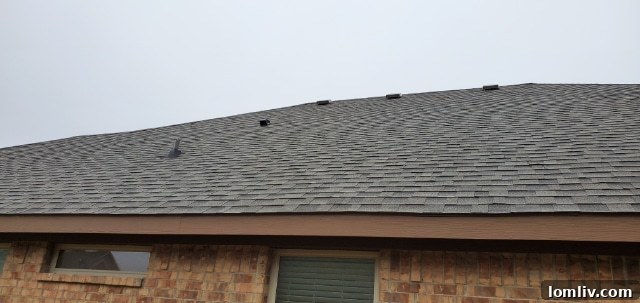
Imagine Santa and his trusty reindeer attempting to land on a roof plagued by “zippering.” It wouldn’t be the steep pitch causing them trouble, but rather the compromised integrity of the shingles themselves. Zippering refers to a distinctive pattern of shingle installation where successive rows of shingles are installed vertically up the roof slope, often in a staggered fashion, rather than horizontally across. While this method can appear faster to install, it often comes at a significant cost to the roof’s durability and functionality.
The primary concern with zippered shingles is the damage it inflicts on the crucial shingle seal. Asphalt shingles are designed with a thermal seal strip, which, when properly installed and exposed to sunlight, adheres to the shingle course above it, creating a watertight barrier and enhancing wind resistance. When shingles are zippered, installers frequently apply downward pressure or even bend shingles, disrupting this seal. This prevents the shingles from properly bonding to one another, leaving them vulnerable to wind uplift, water penetration, and premature deterioration. Over time, these unsealed shingles can lift, curl, or even detach, exposing the underlying roof deck to the elements. This leads to costly leaks, potential structural damage, and a significantly shortened lifespan for your entire roofing system. A proper shingle installation technique involves laying shingles horizontally, ensuring each shingle’s seal strip is correctly positioned and activated, providing maximum protection for your home.
Critical Attic Support Beams: Ensuring Structural Safety from the Inside Out
Santa’s sleigh is heavy, and it needs a robust roof to land on. But what if the very foundation supporting that roof – the attic support beams – is compromised? As our inspectors often discover, even in newly constructed homes, critical structural elements like roof support beams can be alarmingly defective. The video above illustrates a perfect example: split roof supports that significantly weaken the structural integrity of the entire roof system. Such defects are not just cosmetic; they pose a serious risk of roof collapse, especially under heavy loads like snow, strong winds, or even a visiting sleigh!
Attic inspections are a cornerstone of comprehensive home evaluations, as they reveal hidden issues that are invisible from the exterior. Compromised support beams can result from various factors, including improper cutting during construction, inadequate sizing for the span, poor material quality, or damage from pests, water intrusion, or previous modifications. For homeowners, the presence of damaged or inadequate support beams means a constant threat to their property’s safety and value. It can lead to sagging roofs, interior ceiling cracks, and, in severe cases, catastrophic structural failure. What’s particularly concerning is that these issues can arise even in brand-new homes, highlighting the indispensable value of an independent home inspection. Don’t assume new construction is flawless; always get a professional assessment to ensure your home’s hidden infrastructure is truly safe and up to code.
Exploring EPDM Rubber Membrane Roofs: Durability and Maintenance
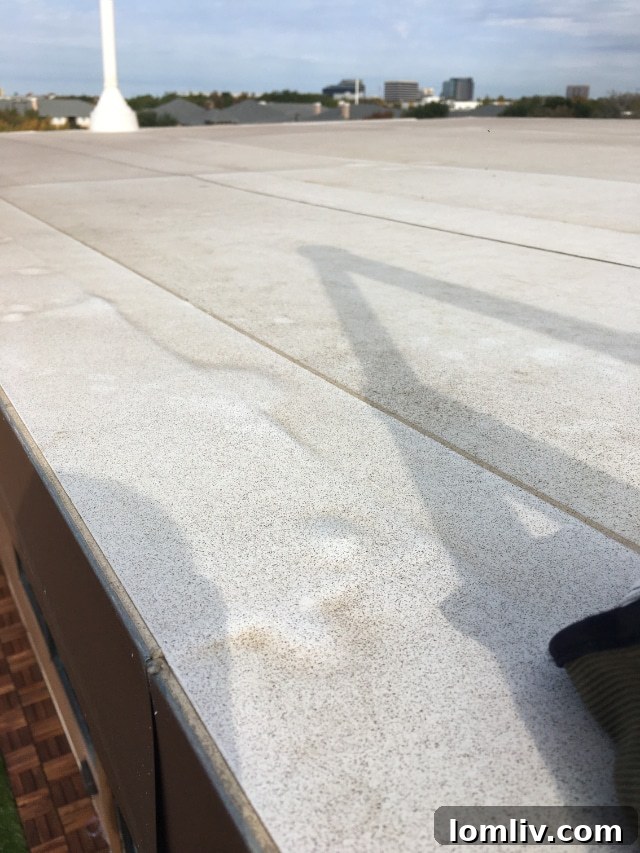
Santa might indeed find himself on an “uncommon” surface if he lands on an EPDM (Ethylene Propylene Diene Monomer) rubber membrane roof. While not typically found on the primary roofs of residential homes in pitched designs, EPDM is a widely used and highly effective roofing material for low-slope or flat roofs, making it common on garages, carports, sunrooms, and various commercial buildings. It’s an inexpensive, lightweight, and durable solution known for its resistance to UV radiation, extreme temperatures, and general weathering.
EPDM roofs are essentially large, flexible sheets of synthetic rubber that are either fully adhered, mechanically attached, or ballasted with gravel to the roof deck. Their seamless application often means fewer potential leak points compared to traditional shingle roofs. However, their smooth, often dark surface can show dirt and debris more readily, and they can be susceptible to punctures from sharp objects – a concern for any reindeer hooves! While EPDM boasts an impressive lifespan of 20-30 years or more with proper care, regular inspections are crucial to identify any minor tears, punctures, or failing seams before they escalate into major issues. Maintenance typically involves cleaning the surface, inspecting flashing details, and promptly repairing any damage with specialized EPDM patches. Understanding this material is key for homeowners with flat roof sections, as it requires different care and inspection points compared to conventional asphalt shingle roofs.
Hidden Dangers: The Perils of Unrepaired Roof Fire Damage
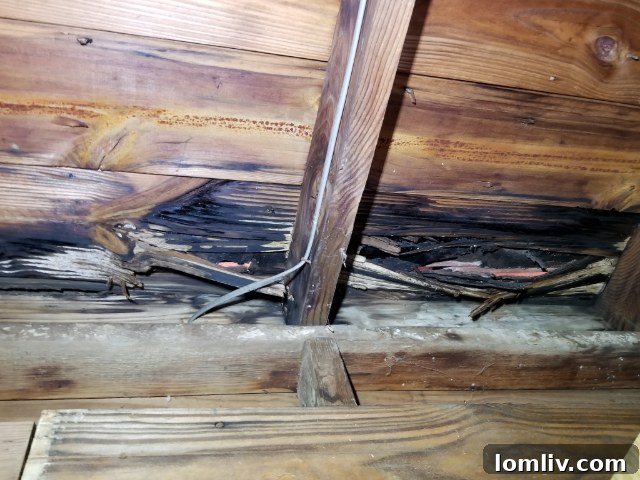
Watch your step, Santa! And watch yours too, homeowners! Beneath those seemingly intact shingles, there might be a significant and dangerous secret lurking: unrepaired fire damage. This type of damage can be particularly insidious because the visible exterior might appear fine, yet the underlying structure – the roof decking, rafters, and even the attic space – could be severely compromised. Fire, even a small, contained one, can weaken wood, melt sealants, and degrade roofing materials, turning a solid surface into a potential collapse hazard.
Unrepaired fire damage is more than just an aesthetic issue; it’s a structural time bomb. Heat from a fire can char wood, reducing its load-bearing capacity and making it brittle. The presence of such damage means that sections of your roof might not be able to support their own weight, let alone the weight of snow, ice, or even an inspector. Furthermore, fire damage often comes with secondary issues like water damage from firefighting efforts, leading to mold growth and further material degradation. Identifying and properly remediating fire damage requires expert assessment, often involving the removal of affected sections, structural reinforcement, and complete re-roofing in the compromised areas. Ignoring these hidden hazards can lead to catastrophic failure, extensive water intrusion, and health risks from mold. A professional home inspection includes a thorough examination for such hidden dangers, ensuring your roof’s integrity is beyond question.
Chimney Concerns: More Than Just a Santa’s Entrance
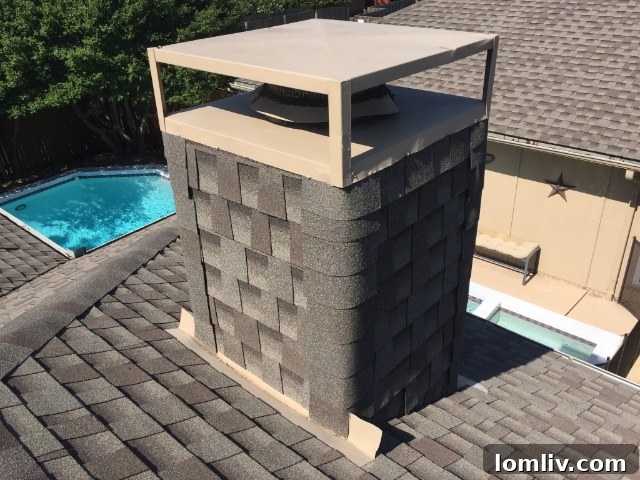
Don’t judge, Santa, but sometimes homeowners or inexperienced contractors make unusual choices. The image above, showing “extra shingles” around a chimney, is a prime example of improper flashing and a clear red flag for any home inspector. While it might look like an attempt to reinforce a weak spot, it’s typically a misguided DIY repair or a shortcut that indicates deeper issues with the chimney’s interaction with the roof. Chimneys are critical components of a home, not just for Santa’s grand entrance, but for safely venting combustion byproducts from fireplaces and heating systems.
The area where the chimney meets the roof is one of the most common spots for water intrusion if not properly sealed and flashed. Proper chimney flashing involves several layers of metal (step flashing and counter flashing) meticulously integrated with the roof shingles and the chimney masonry to create a watertight seal. “Extra shingles” in this context usually mean that a problem, likely a leak, was “fixed” superficially without addressing the root cause. This quick-fix often traps water, exacerbates existing leaks, and leads to rot in the roof deck, fascia, and even the chimney structure itself. Beyond flashing, inspectors also look for crumbling mortar joints, cracked flue liners, damaged chimney crowns, and leaning chimneys – all of which can pose serious fire hazards, allow water into the home, or compromise the entire chimney’s stability. Regular chimney inspections are essential, not just for ensuring safe Santa landings, but for maintaining the safety and structural integrity of your entire home and protecting it from water damage and fire risks.
This Christmas, and every day of the year, ensuring your home is safe and sound should be a top priority. The roof and chimney are your home’s primary defenses against the elements and crucial for structural integrity. Don’t leave their condition to chance or the limited perspective of an untrained eye. The detail-oriented professionals at Green Scene Home Inspections are here to provide comprehensive, unbiased evaluations, uncovering hidden issues that could jeopardize your property and your family’s safety. Make sure your roof is safe for Santa this year, and more importantly, for your loved ones, by scheduling a thorough inspection today!