Decoding the Mystery: Surveyors at the Diplomat Building Spark Dallas Redevelopment Buzz
Dallas’s dynamic real estate landscape is once again at the forefront of urban development discussions, particularly concerning the esteemed “Pink Wall” district. For months, whispers and reports have circulated regarding the potential sale and redevelopment of prominent residential structures in this highly sought-after area. This article delves into the latest developments surrounding the Diplomat building, exploring the implications of recent activities and what they might signify for the future of Dallas real estate. We’ll revisit past rumors, analyze the strategic importance of the PD-15 zoning area, and consider the broader context of balancing architectural preservation with urban growth in a thriving metropolis.
You might recall that back in August, reports surfaced suggesting that both the Royal Orleans and Diplomat buildings had approved a sale to developers. While those initial reports were met with denials from the buildings themselves, leading to some skepticism, recent events suggest that the long-standing rumors are gaining significant traction. Today, I’m feeling a sense of vindication, as new photographic evidence and neighborhood reports confirm active surveying at the Diplomat, indicating that significant changes could indeed be on the horizon for this iconic Dallas property.
The Resurgence of Redevelopment Rumors: A Look Back at the “Pink Wall” Speculation
The “Pink Wall” area in Dallas, characterized by its distinctive mid-century architecture and prime location, has long been a subject of intense interest for both residents and developers. The August 2016 reports, which I covered extensively, painted a picture of a potential two-building deal involving both the Royal Orleans and Diplomat. This news sent ripples through the Dallas real estate community, sparking debates about preservation versus progress. The subsequent denials from the Royal Orleans, in particular, momentarily cooled the fervor, leaving many to wonder if the entire deal was merely conjecture.
However, the real estate market in Dallas rarely stays stagnant. The underlying pressures for redevelopment in desirable areas remain strong, driven by population growth, economic expansion, and the ever-increasing demand for modern housing and commercial spaces. The initial reports, though denied at the time, highlighted a persistent interest in properties within the “Pink Wall” area, particularly those with significant lot sizes and strategic positioning. The narrative around these two buildings, the Diplomat and Royal Orleans, has been a testament to the dynamic nature of urban development in Dallas, where prime locations are constantly evaluated for their highest and best use.
Vindicated: Surveyors Confirm Activity at The Diplomat
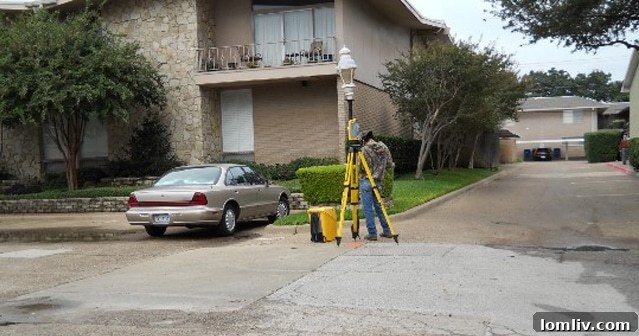
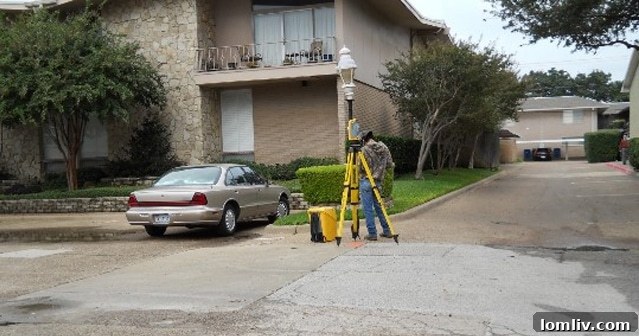
Today, the landscape of speculation has dramatically shifted from mere rumors to tangible evidence. The Preston Hollow South Neighborhood Association, through its diligent President, John Pritchett, has reported photographic confirmation of surveyors actively measuring the lot lines for the Diplomat building. This is a critical development, moving beyond hearsay and into a phase of preliminary groundwork for potential development. As Mr. Pritchett aptly put it in his communication to the neighborhood:
From: John Pritchett, President
Subject: What’s Going on at Diplomat?The rumors of some nature of “deal” keep swirling “Behind the Pink Wall.” When word spread about a two-fer involving Diplomat and Royal Orleans a few months ago, RO flatly denied it. So is Diplomat going it alone?
Not only is that rumor making the rounds again, surveyors were marking off the boundary of Diplomat yesterday. So more than rumor? One would think so.
The presence of property surveyors is not a trivial matter. It represents a concrete step in the due diligence process that precedes any major real estate transaction or development project. Surveyors are tasked with accurately defining property boundaries, identifying easements, and assessing topographical features – all essential data for architects, engineers, and developers. Their activity strongly suggests that serious discussions are underway, and that the Diplomat, at the very least, is being eyed for a significant change. This development undeniably lends credence to the earlier, contested reports, offering a clear signal that the Dallas real estate market continues its relentless churn in Preston Hollow South.
Diplomat Goes Solo? Unpacking the Future of a Dallas Landmark
With the Royal Orleans having previously denied involvement in a joint sale, the focus now appears to be squarely on the Diplomat building. This raises a pivotal question: is the Diplomat truly “going it alone” in a potential sale and redevelopment? If this is indeed the case, it carries distinct implications for the scale and nature of any future project. A standalone Diplomat redevelopment, given its current footprint and existing zoning, would make the construction of a towering high-rise less probable than if it were combined with the Royal Orleans lot. This scenario might lead to a more modest, though still significant, renovation or redevelopment that could potentially complement the existing neighborhood aesthetic rather than drastically alter it.
On one hand, this might alleviate some concerns among residents who fear the proliferation of massive high-rises that could alter the neighborhood’s character. On the other hand, any redevelopment of the Diplomat would still be a significant undertaking. From an architectural standpoint, I hold a personal appreciation for the Diplomat building’s design. Its distinct features and classic mid-century appeal contribute to the unique aesthetic of the “Pink Wall” area. The prospect of its demolition or extensive alteration invariably brings forth the perennial debate in urban planning: how do we balance progress and modernization with the preservation of architectural heritage? The Diplomat represents a piece of Dallas’s architectural story, and its future will undoubtedly be watched closely by those who value both its history and the potential for innovative new designs.
The Strategic Advantage of PD-15: Why This Area is Ripe for Change
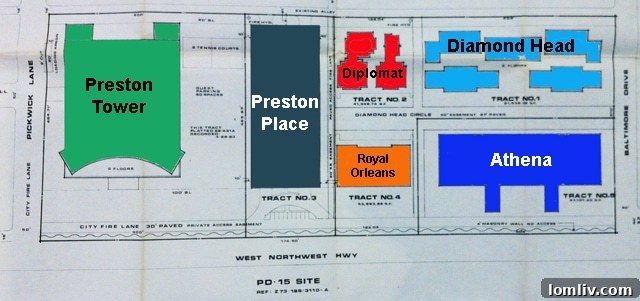
A crucial factor in understanding the heightened interest in the Diplomat building, and indeed much of the “Pink Wall” area, lies within its specific zoning designation: PD-15. This particular Planned Development district holds a unique advantage compared to other sections of the “Pink Wall.” Unlike many adjacent parcels that are often “choke-held” by decades-old, restrictive deed limitations, PD-15 offers greater flexibility for new development. These antiquated deed restrictions, prevalent in many older Dallas neighborhoods, can severely limit what can be built, often dictating everything from building height and density to specific land uses. Such restrictions can be incredibly difficult and costly to overturn, often requiring unanimous consent from property owners, making large-scale redevelopment projects impractical.
The comparative freedom within PD-15 makes it an exceptionally attractive target for developers looking to capitalize on Dallas’s robust growth. This area’s zoning allows for more modern and adaptable development schemes, which can accommodate contemporary demands for housing, retail, and mixed-use spaces. Without the burden of onerous deed restrictions, developers face fewer legal hurdles and can design projects that better meet current market needs and urban planning objectives. This strategic advantage positions PD-15 as a prime candidate for innovative projects that could redefine parts of Preston Hollow South, potentially introducing new residential complexes, upgraded commercial facilities, or a blend of both, all while contributing to the evolving urban fabric of Dallas. It offers a blueprint for how development can proceed more smoothly when legal frameworks are conducive to progress.
Navigating Dallas’s Evolving Urban Landscape: Architecture, HOAs, and the YIMBY Movement
My passion and professional focus revolve around the intricacies of high-rises, homeowners associations (HOAs), and property renovations. However, my appreciation extends beyond the transactional aspects of real estate to encompass the broader dialogue between modern and historical architecture, especially when balanced against the powerful currents of the YIMBY (Yes In My Backyard) movement. Dallas, like many rapidly growing urban centers, constantly grapples with the tension between preserving its past and building for its future.
The YIMBY movement advocates for increased housing development and density, believing that more supply can alleviate housing shortages and reduce costs. In a city like Dallas, where demand for housing is consistently high, the YIMBY perspective often clashes with NIMBY (Not In My Backyard) sentiments, which typically prioritize neighborhood character, green space, and avoiding increased traffic or strain on infrastructure. The redevelopment of properties like the Diplomat brings these debates to the forefront. How do we ensure that new developments enhance, rather than detract from, the existing community? How can we integrate modern design elements while respecting the architectural legacy of areas like the “Pink Wall”? These are not simple questions, and the answers require thoughtful planning, community engagement, and a deep understanding of both market dynamics and urban design principles. High-rise developments, in particular, represent a visible manifestation of urban growth, demanding careful consideration of their impact on city skylines, local infrastructure, and the daily lives of residents, making expert HOA management and robust renovation strategies crucial for successful integration. Understanding these dynamics is key to anticipating the future trajectory of Dallas’s urban environment.
Your Voice in Dallas Real Estate: Connect with an Award-Winning Expert
As an active observer and participant in the Dallas real estate narrative, my goal is to shed light on these complex issues, offering insights into market trends, development projects, and the unique stories that shape our city. My commitment to insightful journalism in this field has been recognized, having received Bronze and Silver awards from the National Association of Real Estate Editors (NAREE) in 2016 for my detailed analysis of housing styles and interiors. These accolades underscore a dedication to providing high-quality, well-researched content that informs and engages the Dallas real estate community.
I thrive on engaging with the community and exploring the myriad facets of Dallas’s real estate evolution. If you’re interested in hosting a Candysdirt.com Staff Meeting event to discuss the latest market trends, showcase a unique property, or delve into specific neighborhood challenges, I am your dedicated resource. Your stories, insights, and even marriage proposals related to Dallas real estate are always welcome. Please feel free to reach out and share your perspective, questions, or news via email at [email protected]. Together, we can continue to unravel the mysteries and celebrate the triumphs within Dallas’s vibrant property market.
The recent surveying activity at the Diplomat building serves as a powerful reminder of the constant evolution within Dallas real estate. While the exact future of the property remains to be fully revealed, the presence of surveyors firmly moves the conversation beyond mere speculation. This development highlights the strategic importance of areas like PD-15 and the ongoing challenge of balancing urban development with architectural heritage in a growing city. Stay tuned for further updates as this story unfolds, promising to shape a significant chapter in the Dallas urban landscape.