Experience the Unrivaled Charm of Loft Living: A Journey into Urban Sophistication and Historic Character
Loft living isn’t merely a housing choice; it’s an immersive lifestyle experience that every individual should consider at least once. Far from being an exclusive domain for the young, urban professional in their twenties or thirties, the allure of a thoughtfully designed loft extends across all generations, promising a unique blend of historical charm and modern convenience. It represents a distinctive embrace of urban culture, offering an unparalleled sense of freedom and connection to the city’s pulse.
Consider the story of a dear friend, an “urban pioneer” of downtown Dallas, who exemplified this ageless appeal. Well over sixty when he first discovered the joys of loft dwelling, he made the bold move from a sprawling suburban family home in Southlake after his children had grown and embarked on their own lives. He never looked back. His new reality offered immediate access to the vibrant city life: a bike ride to scenic trails within minutes, or a leisurely stroll to an array of exceptional bars and restaurants in less than five. His car, once a daily necessity, became an infrequent tool reserved only for out-of-town excursions. This shift wasn’t just about changing an address; it was about transforming his entire way of living, illustrating the profound impact a loft lifestyle can have.
The Artistic Genesis: How Lofts Became Iconic
The genesis of loft living as a cultural phenomenon can be traced back to the burgeoning art scene of the 1960s. Artists, ever-resourceful and driven by a need for expansive, affordable spaces, began converting abandoned industrial buildings into combined living and working studios. These former factories, warehouses, and commercial spaces offered precisely what conventional apartments lacked: colossal windows that flooded the interiors with natural light, soaring high ceilings perfect for hanging monumental canvases, and vast, open floor plans that encouraged both grand-scale art creation and vibrant social gatherings.
The practicalities were also undeniable. Concrete floors, a common feature in industrial structures, meant that paint spills and, yes, even accidental beer splashes, were mere trifles, easily cleaned without fear of damage. Crucially, these spaces were inexpensive, making the concept of living and working under the same roof an economically viable and highly desirable solution. This pioneering spirit of the artists laid the groundwork for what we now celebrate as the “live, work, play” concept – a holistic approach to urban dwelling that prioritizes convenience, community, and creative expression. Their visionary conversions transformed neglected urban relics into dynamic hubs of innovation and cultural vitality, forever cementing the loft’s place in modern architectural and lifestyle trends.
Defining the Essence: What Makes a Loft Unique?
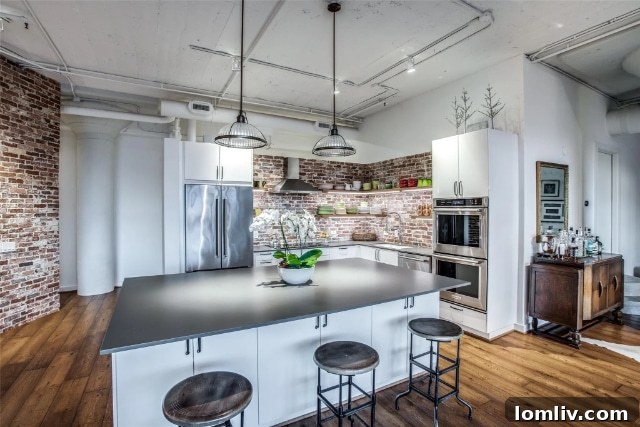
It’s crucial to understand that lofts are distinctly different from typical apartments or condominiums. While all three offer urban dwelling, a true loft carries a specific lineage. Lofts are living spaces meticulously carved out of former industrial, commercial, or institutional buildings. This heritage is their defining characteristic. Generally, by the time these structures are reimagined as residential spaces, they possess significant historical value, often dating back to the early to mid-20th century, or even earlier. This means that when you choose a loft, you’re not just acquiring a home; you’re becoming a steward of history, residing within a building that boasts an intriguing and often storied past.
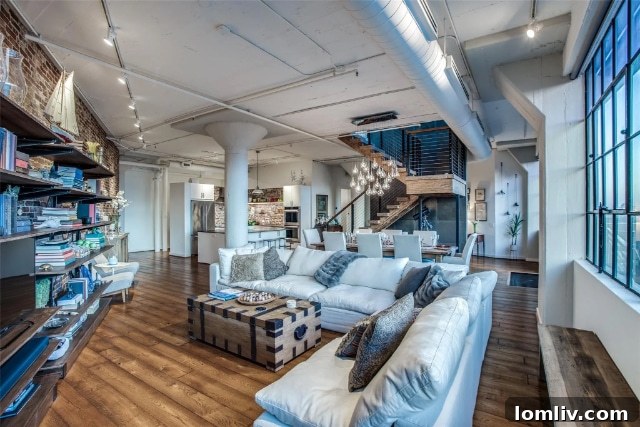
This historical context contributes immensely to the unique character and aesthetic appeal of loft properties. Elements like exposed brick walls, original timber beams, vast industrial-grade windows, and high, often unfinished, ceilings are not merely decorative but are intrinsic parts of the building’s original construction and purpose. They tell a story of a bygone era, seamlessly blended with contemporary design and functionality. This fusion creates an atmosphere that is both ruggedly authentic and sophisticatedly modern, a perfect canvas for personalization and creative expression. A prime example of such a conversion, embodying this rich history and distinctive appeal, can be found in buildings like the iconic 2200 Canton Street in Dallas.
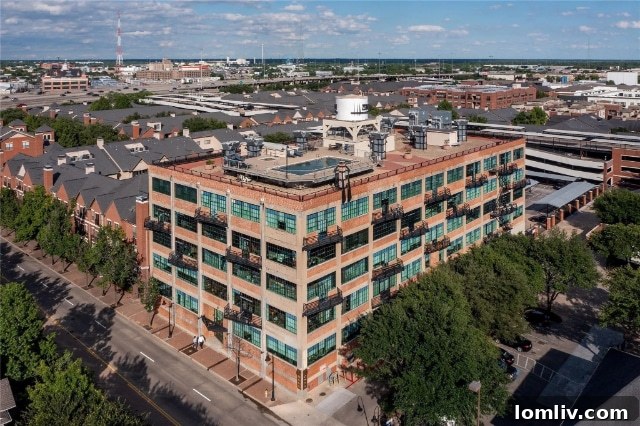
2200 Canton Street: A Dallas Landmark Transformed into Premier Loft Living
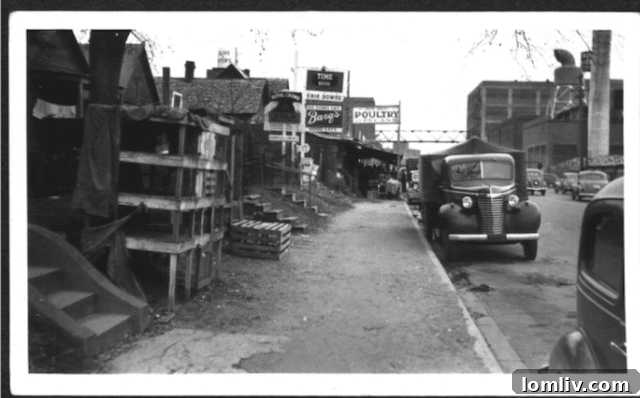
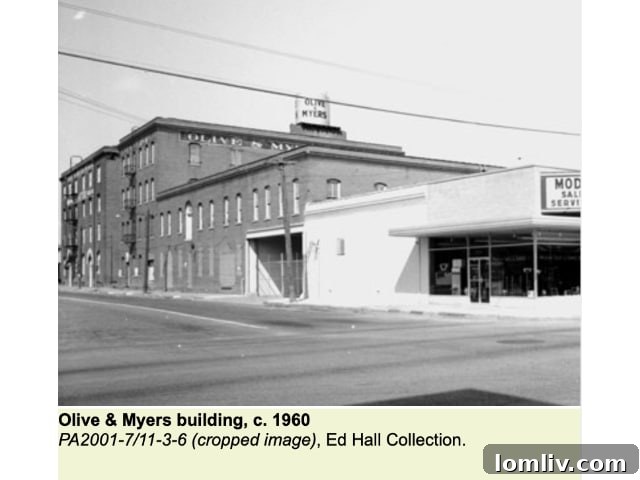
When it comes to exemplary loft living, the location and heritage of 2200 Canton Street in Dallas are virtually unparalleled. This magnificent structure, now a beacon of urban residential design, boasts a history as rich and diverse as the city itself. Originally erected in 1925, the building began its long and industrious life as a bustling warehouse for the Olive & Myer Furniture Company. Its robust construction and expansive interiors were perfectly suited to the demands of a growing furniture enterprise, facilitating the storage and distribution of goods across the region.
A Journey Through Industrial Evolution
The building’s narrative continued to evolve in 1956 when it was acquired by fashion industry visionary Leroy McMullen and his partner Roy Stockton. They transformed the warehouse into the operational hub for their ambitious venture, the Stockton Manufacturing Company. For nearly two decades, the building hummed with the energy of textile production and fashion innovation. In 1973, reflecting a shift in the company’s branding, the name was changed to RLM Fashion Industries, and 2200 Canton Street became widely recognized and referred to as the RLM building – a significant landmark within Dallas’s burgeoning garment district.
Architectural Renown and Modern Transformation
The next pivotal chapter in 2200 Canton’s history began in 1992 when McMullan sold the property to Westdale Asset Management Co. Recognizing the building’s inherent potential and architectural significance, Westdale commissioned the esteemed firm Corgan & Associates to undertake its transformation into residential lofts. The design brief was clear: honor the building’s industrial past while imbuing it with contemporary luxury and functionality fit for modern urban dwellers. Corgan’s masterful work not only preserved the distinctive character of the original structure but also introduced innovative design elements that seamlessly integrated the old with the new. Their efforts were met with widespread acclaim, culminating in a prestigious Building Design award from the Dallas chapter of the American Institute of Architects. Beyond industry recognition, the building’s significance was further cemented when it was officially designated a City of Dallas Landmark, ensuring its architectural legacy for generations to come. Today, 2200 Canton stands as a testament to thoughtful urban revitalization, offering residents a truly unique living experience steeped in history and designed for the future.
A Rare Gem: The Double Unit at Canton Lofts
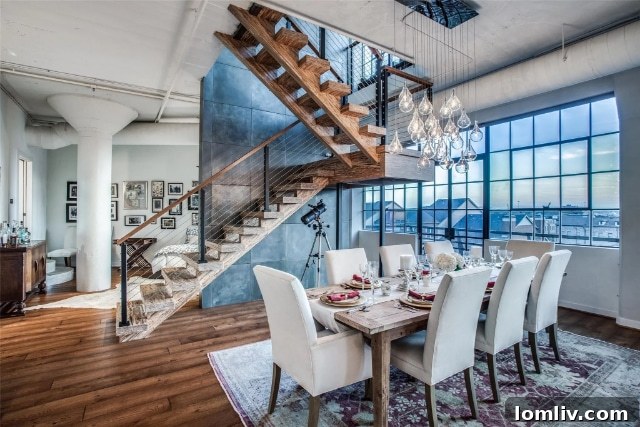
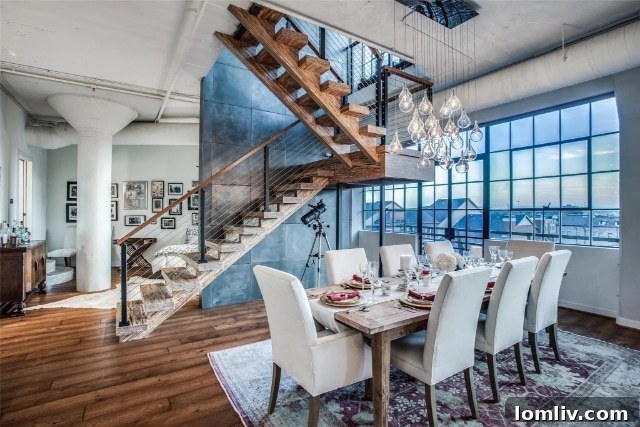
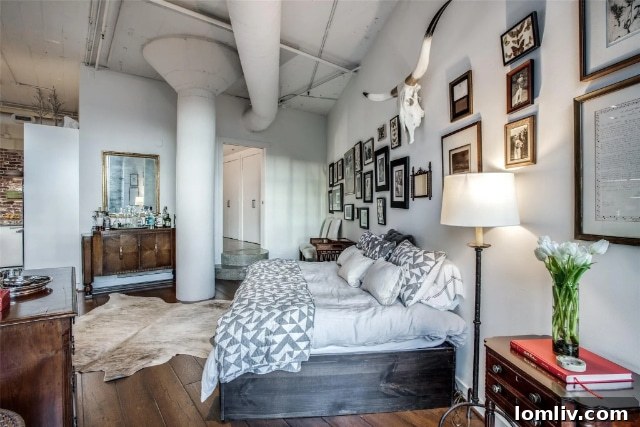
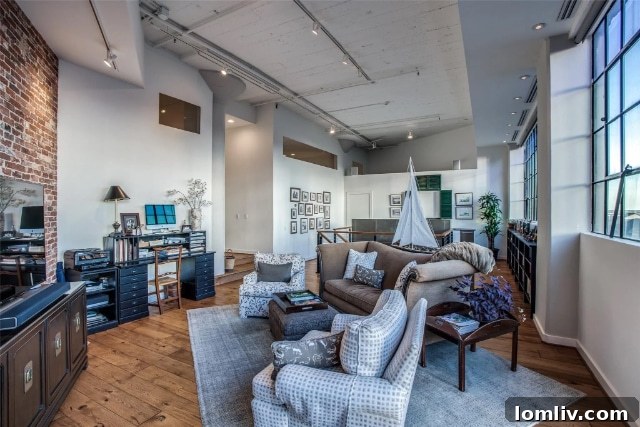
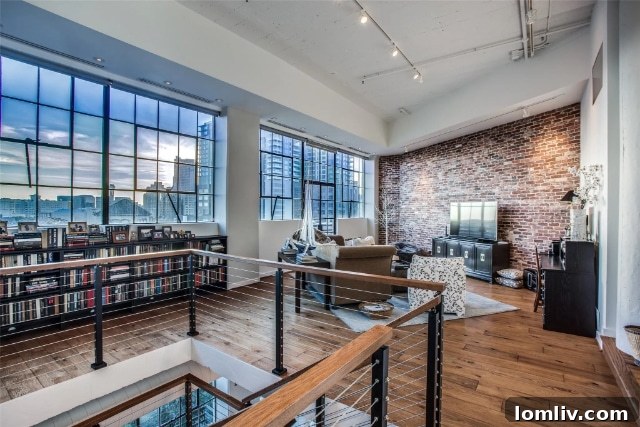
Within this historic landmark, a truly exceptional residential opportunity awaits. This particular two-story loft is a testament to expansive, luxurious urban living, boasting an impressive 3,142 square feet of meticulously designed space. Featuring three spacious bedrooms and three well-appointed bathrooms, this unit offers an abundance of room for comfortable living, entertaining, and creative pursuits. What makes this property particularly unique is its origin: it was initially built as two separate units, which were then thoughtfully combined by the original buyer. This creative integration resulted in the only floor plan of its kind within the entire building, granting its residents an unparalleled sense of scale and privacy.
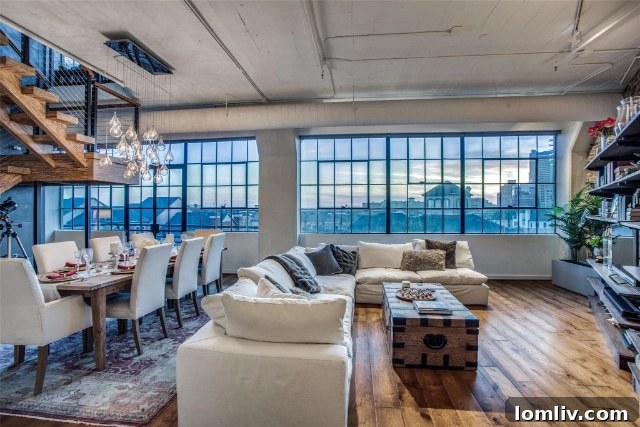
Living in this double unit at 2200 Canton means experiencing genuine historic loft living at its absolute finest. The amalgamation of two units allows for grandeur in design and versatility in function that single units simply cannot match. Imagine the possibilities for custom interior design, creating distinct zones for work, relaxation, and social gatherings, all while basking in the abundant natural light streaming through the building’s signature oversized windows. This unique configuration amplifies the defining characteristics of loft living – the open expanses, the dramatic ceiling heights, and the fusion of industrial aesthetics with contemporary comfort – delivering a truly elevated urban sanctuary.
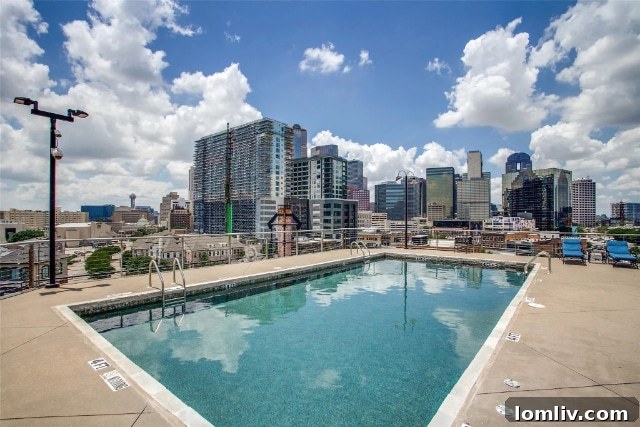
The Enduring Allure of the Loft Lifestyle
Beyond the specific features of any single unit, the broader appeal of loft living lies in the unique lifestyle it cultivates. It’s a choice for those who appreciate architectural character, the narrative embedded within old bricks and beams, and the dynamic energy of urban environments. Loft dwellers often value open-concept spaces that offer unparalleled flexibility in arranging their living areas, transforming a single room to serve multiple functions throughout the day. The sheer volume of space, particularly the high ceilings, creates an uplifting and unconfined atmosphere that fosters creativity and a sense of expansiveness often missing in conventional homes.
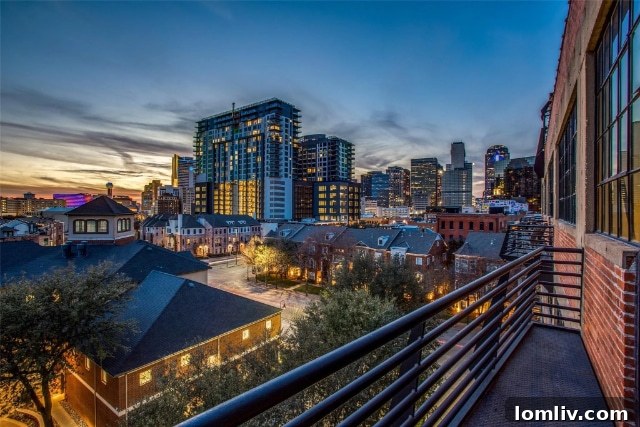
Moreover, lofts inherently promote natural light, a crucial element for well-being and productivity, thanks to their generous window openings. These windows frequently frame captivating cityscapes, offering residents a constant visual connection to the vibrant world outside. Living in a historic industrial conversion also means becoming part of a community that often shares an appreciation for design, history, and urban culture. These buildings foster a sense of belonging among residents, often leading to a more connected and engaged living experience.
An Investment in History and Modernity
Investing in a historic loft is not just a real estate transaction; it’s an investment in a piece of history that has been thoughtfully updated for modern living. Such unique properties tend to hold and often increase their value due to their irreplaceable character, prime urban locations, and the limited supply of genuine industrial conversions. They stand apart in the market, appealing to discerning buyers who seek more than just square footage – they seek a story, an aesthetic, and a lifestyle that resonates with their personal values.
The flexibility of furnishing and design within a loft is another significant draw. Many lofts, including the unit at 2200 Canton, offer the added benefit of negotiable furnishings. This “move-in ready” luxury ensures a seamless transition for new owners, allowing them to instantly immerse themselves in their new urban sanctuary without the immediate burden of extensive decorating or furnishing. It’s an opportunity to step directly into a curated, sophisticated environment that perfectly balances industrial heritage with contemporary comfort.
For those drawn to the romance of repurposed industrial spaces, the energy of downtown living, and the prestige of owning a piece of urban history, loft living presents an irresistible proposition. It’s a chance to craft a home that is as unique and characterful as the individual who inhabits it, offering an unparalleled blend of convenience, style, and a deeply rooted connection to the city’s past and present.
This exceptional offering at 2200 Canton, Apartment 408, is currently listed for $995,000 by Linda Lunn of Keller Williams Urban. Discover more about this magnificent property and the possibilities it holds for your next chapter in luxury loft living here. With furnishings negotiable, this truly could be your effortlessly elegant, move-in ready luxury loft.