Navigating Foundation Repair in Dallas-Fort Worth: A Comprehensive Guide for Homeowners
By Brenda Masse
Special Contributor
For homeowners in the Dallas-Fort Worth (DFW) metropolitan area, understanding foundation issues isn’t just a recommendation—it’s a necessity. The unique geological characteristics of North Texas, particularly its expansive clay soils, make homes here particularly susceptible to foundation problems. These soils swell significantly when wet and shrink dramatically when dry, leading to constant movement that can stress a home’s foundation. In fact, national reports consistently rank Dallas-Fort Worth among the top cities in the U.S. for foundation problems, making it a critical concern for both current and prospective homeowners.
While the prospect of foundation repair can be daunting, a clear understanding of the process and the key professionals involved can significantly ease the journey. Many homeowners initially feel overwhelmed, but by familiarizing yourself with the distinct roles of a home inspector, a structural engineer, and a foundation repair specialist, you can approach any issues with confidence and make informed decisions. This guide will demystify these roles, helping you navigate the complexities of foundation repair efficiently and effectively.
The Essential Roles in Foundation Repair
When faced with the tell-tale signs of foundation distress—be it interior wall cracks, sticking doors and windows, or exterior brick fissures—it’s crucial to know who to call and when. Each professional brings a different expertise to the table, and understanding their individual contributions is key to a successful and lasting foundation repair solution.
The Home Inspector: Your First Line of Defense
Often the first professional to evaluate a home’s condition, especially during a real estate transaction, a home inspector plays a pivotal role in identifying potential foundation issues. They conduct a thorough visual assessment of the property, looking for visible signs of damage, settlement, or movement indicators. This includes examining interior and exterior walls, floors, ceilings, and the foundation perimeter itself for cracks, unevenness, or moisture problems. Their report provides a general opinion on the current state of the foundation and will highlight any areas that warrant further investigation.
A good home inspector will explain their findings in detail, often using visual aids or diagrams to help you understand the severity and implications of any observed issues. While they are not structural engineers, their expertise allows them to detect common red flags that suggest underlying foundation problems. For instance, they might point out stair-step cracks in brickwork, bowed walls, gaps around window or door frames, or sloping floors. These observations form the basis for their recommendations, which often include consulting a structural engineer for a more in-depth analysis. When buying a home in the DFW area, it is imperative to ask your inspector detailed questions about the foundation and understand the common maintenance practices necessary to preserve its integrity in this challenging environment.
The Structural Engineer: Expert Diagnosis and Action Plan
Once a home inspector flags potential foundation concerns, the next crucial step is to engage a qualified structural engineer. This is perhaps the most critical component of a reliable foundation repair process. A structural engineer is a licensed expert specializing in the integrity of building structures. Unlike a home inspector, who offers a general overview, an engineer performs a meticulous, in-depth analysis of your foundation. They use specialized tools to take precise elevation measurements, assess the extent of foundation movement, identify the root cause of the problem (e.g., expansive soil, poor drainage, plumbing leaks), and determine the structural implications for your entire home.
The key advantage of consulting a structural engineer is their impartiality. They do not perform repairs or sell foundation services, meaning their recommendations are solely based on objective assessment and engineering principles. They provide a comprehensive report detailing the current condition of your foundation, outlining the specific issues, and, most importantly, recommending the most appropriate and effective repair strategy. This blueprint for repair is invaluable, serving as a trusted guide when seeking bids from foundation repair companies. While some foundation repair companies offer “free inspections,” these are often sales-oriented assessments. Investing in a structural engineer’s report ensures you receive an unbiased, expert diagnosis and a tailored repair plan, potentially saving you from unnecessary or ineffective repairs in the long run. Their insights are especially critical when exposed elements of the foundation, like a slab during flooring replacement, allow for direct visual inspection of hidden damage.
The Foundation Repair Specialist: Bringing Solutions to Life
With a structural engineer’s report in hand, the next phase involves the foundation repair company. These specialists are the hands-on professionals who implement the repair plan. They utilize the engineer’s detailed specifications to address the foundation issues, ensuring the structural integrity of your home is restored. While they will conduct their own site analysis to confirm the scope of work and formulate a precise repair proposal, their work should ideally align with the engineer’s recommendations, especially for complex problems.
Foundation repair methods vary depending on the type of foundation (slab or pier-and-beam) and the nature of the damage. Common techniques include installing piers (concrete or steel) beneath the foundation to provide stable support, mudjacking or slab jacking to lift settled concrete slabs, or extensive drainage solutions to mitigate soil moisture problems. A reputable foundation repair company will work diligently to minimize disruption to your property during the repair process, employing skilled technicians and specialized equipment. They should also provide warranties for their work, offering peace of mind for the longevity of the repair. When evaluating different companies, look for experience, positive customer reviews, proper licensing, and a clear explanation of their proposed methods and materials.
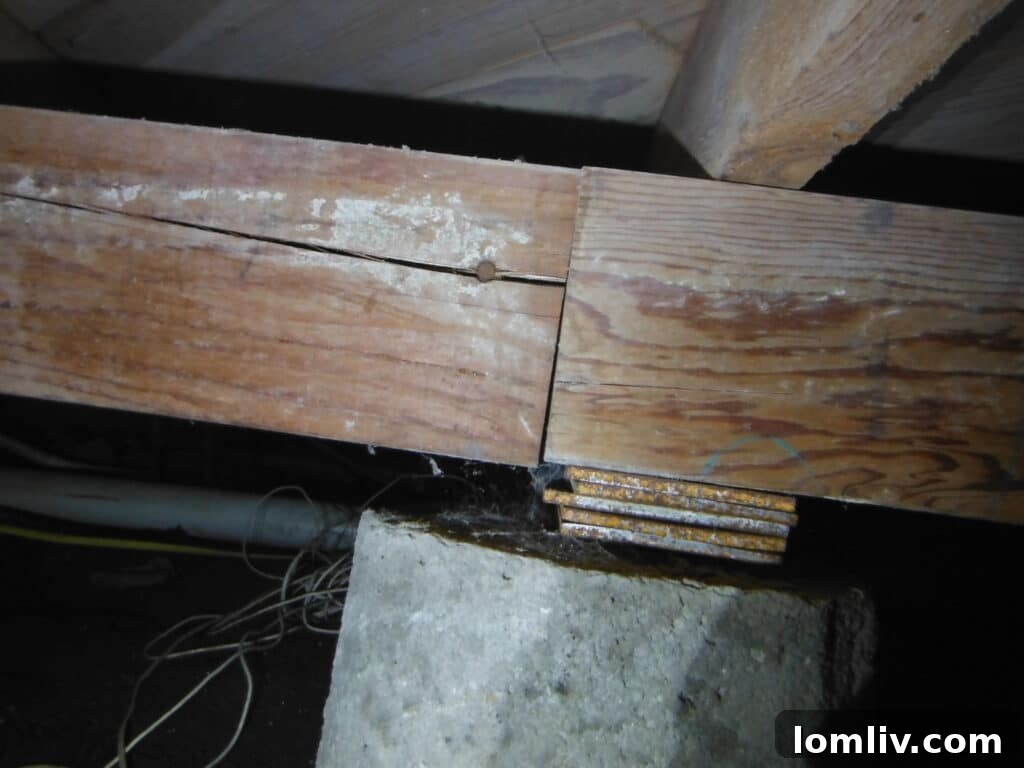
Consider a common scenario with a pier-and-beam foundation, prevalent in many older DFW homes. In the image above, you can observe a previous repair where metal shims were inserted between a wooden beam and a concrete pier. This was likely done to close a gap that formed due to foundation movement, aiming to re-establish proper support. However, upon closer inspection, a new gap is visible on the right side between the shims and the concrete pier. This indicates further movement has occurred since the last repair, and the house is no longer adequately supported at this point. A foundation repair specialist would need to re-evaluate this section, potentially adding more shims, adjusting the pier, or implementing a more comprehensive solution to ensure the beam rests firmly on its support, preventing future structural stress and settling.
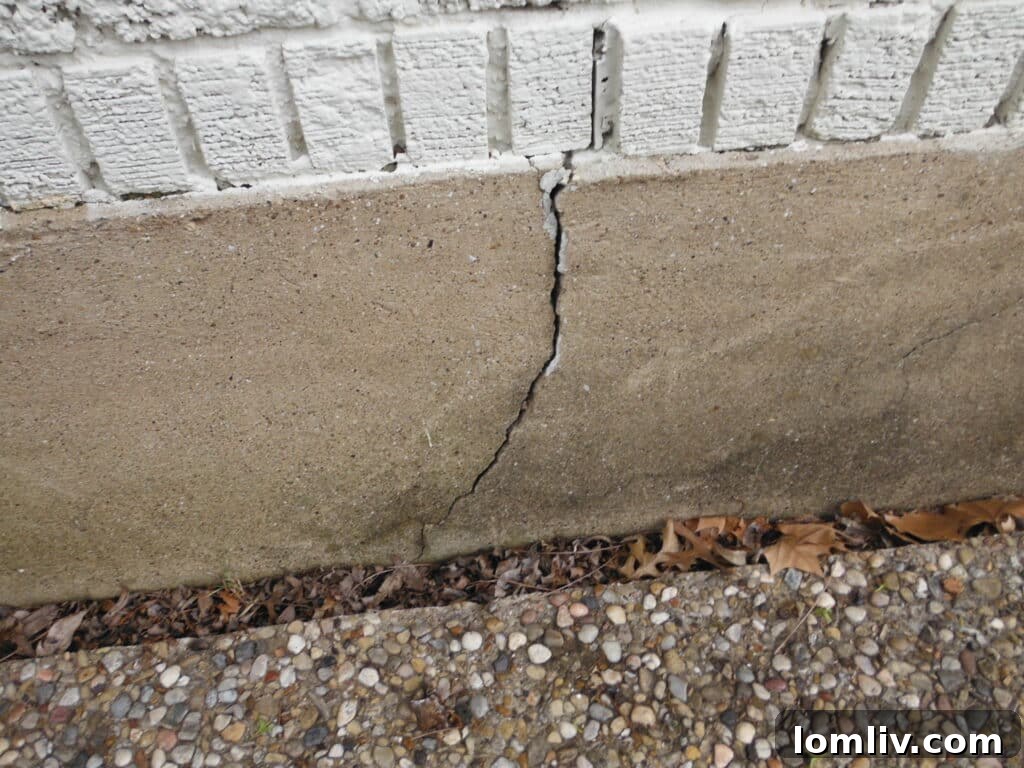
Another clear indicator of significant foundation issues is a large crack in the perimeter beam of a slab foundation, as depicted in the second image. Such a crack is a definitive sign of foundational stress and movement, almost certainly necessitating professional intervention. For older homes, this might not be the first instance of foundation work. Savvy buyers or long-term homeowners should always inquire about previous repair history. Requesting receipts or records from prior foundation work and contacting the original repair company, if possible, can provide invaluable context and insight into the home’s structural journey and potential recurring issues. This historical data can inform the current repair strategy and help predict future maintenance needs.
Proactive Measures and Long-Term Care for Your Foundation
While foundation repair may seem inevitable in the Dallas-Fort Worth area, homeowners can take proactive steps to mitigate risks and prolong the life of their foundation. Proper water management is paramount: ensure your gutters and downspouts direct water at least 5-10 feet away from the foundation. Maintaining consistent soil moisture levels around your foundation is also critical, especially during dry spells. Soaker hoses or drip irrigation systems can help keep the soil from drying out and shrinking excessively. Furthermore, be mindful of tree roots; large trees planted too close to the house can draw significant moisture from the soil beneath the foundation, leading to localized shrinkage and settlement.
Regularly inspect your home for tell-tale signs of foundation movement. Beyond the obvious cracks, look for subtle changes like doors and windows that stick or no longer align properly, uneven or sloping floors, gaps between walls and ceilings, or bowing walls. Catching these issues early can prevent them from escalating into more severe and costly problems. By staying vigilant and understanding the roles of the professionals involved, you can effectively manage your home’s foundation health and protect your investment for years to come.
Conclusion: Empowering Dallas-Fort Worth Homeowners
Living in Dallas-Fort Worth means understanding that foundation repair isn’t a question of “if,” but “when.” This reality, however, doesn’t have to be a source of constant worry. By educating yourself about the specific roles of the home inspector, structural engineer, and foundation repair specialist, you empower yourself to navigate potential challenges with confidence and clarity.
The home inspector offers the initial assessment, providing an invaluable first look at your home’s foundation health. The structural engineer then delivers an impartial, expert diagnosis and a precise action plan, ensuring that any repairs are necessary and effective. Finally, the foundation repair company brings these solutions to life, implementing the work with skill and precision. By knowing who to turn to at each stage, asking the right questions, and understanding the diagnostic process, you can make informed decisions that protect your property’s structural integrity and financial value. Proactive monitoring, coupled with a readiness to engage these professionals, ensures your Dallas-Fort Worth home remains a safe and sound investment for the future.