Rediscovering Mid-Century Charm: A 1970s Shed-Style Masterpiece in Oak Park Estates
In the evolving landscape of architectural appreciation, certain styles once considered niche or unconventional are now experiencing a remarkable resurgence. While the Midcentury Ranch has long been celebrated for its adaptable, “blank canvas” appeal, another often-overlooked era is quickly gaining traction among design-savvy buyers and renovators: the 1970s Contemporary home. These unique residences, characterized by bold lines and innovative layouts, offer a distinct aesthetic that is increasingly captivating the modern market. This particular listing nestled in the highly sought-after Oak Cliff neighborhood of Dallas is a prime example of this growing trend, showcasing immense potential for those with a discerning eye for design and a passion for architectural history.
Its inherent character and incredible potential make this remarkable Oak Park Estates 1970s contemporary property a standout. We’re proud to feature it as this week’s Highlight Home of The Week, a special presentation sponsored by the esteemed Senior Loan Officer Lisa Peters of First Horizon.
The Distinctive Allure of 1970s Contemporary: Unpacking the “Shed Style”
For decades, the architectural styles of the 1970s were often overlooked, overshadowed by the sleek modernism of the mid-century or the classic elegance of earlier periods. However, a growing appreciation for their innovative design and often sustainable principles has brought them back into the spotlight. Homes from this era frequently feature unique geometries and a profound connection to nature, offering a refreshing alternative to more traditional housing forms.
According to the definitive guide, “A Field Guide to American Houses” by Virginia Savage McAlester, the homes we identify as 1970s Contemporary are frequently categorized as “shed-style” architecture. This distinctive style is easily recognizable by its signature elements: expansive, broadly slanting roofs that create dramatic interior volumes and often optimize natural light, strategically placed clerestory windows arranged in ribbon formations to invite indirect sunlight while maintaining privacy, and multi-directional wood wall cladding that adds texture, warmth, and a strong organic feel to the exteriors. These elements combine to create a dynamic and visually engaging facade that often appears to be in harmony with its natural surroundings.
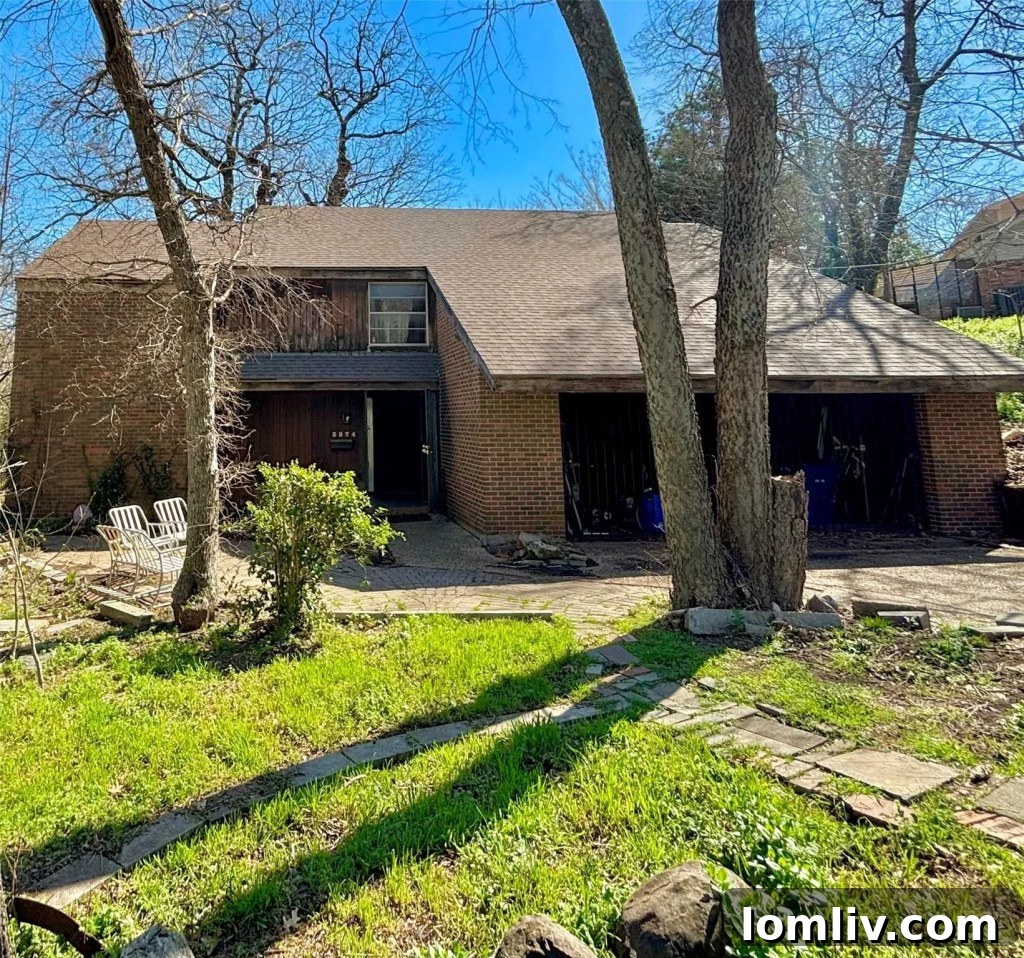
If the unique character of this home feels somewhat familiar, it might be due to its intriguing past. The previous owner of this particular shed-style residence was a renowned antique dealer, and the property itself was the much-talked-about site of a highly attended estate sale last summer. “Almost every other person who asks about this property mentions that estate sale,” notes listing agent Katrina Whatley of Ultima Real Estate. This history adds a layer of captivating narrative to the home, suggesting a treasure trove of preserved original features and a truly unique ambiance.
An Architectural Pedigree: The David Atteberry Design
Beyond its recent history, this shed-style home boasts a fascinating architectural provenance that elevates its status. According to meticulous research conducted by Katrina Whatley, this exceptional home, built in 1971, was masterfully designed by the notable architect David Atteberry. Atteberry’s work represents a significant contribution to Dallas’s residential architecture of the era, and finding one of his original designs offers a rare opportunity for connoisseurs of architectural history.
“The current owners bought the house 30 years ago directly from the architect’s wife,” Whatley revealed in an interview with daltxrealestate.com. This direct lineage underscores the property’s authenticity and provides a direct link to the original design intent. Whatley further highlighted Atteberry’s local impact, noting, “David Atteberry designed another home on the same street that sold in 2021.” This indicates a consistent architectural vision within the Oak Park Estates community, making this particular listing a valuable piece of local design heritage.
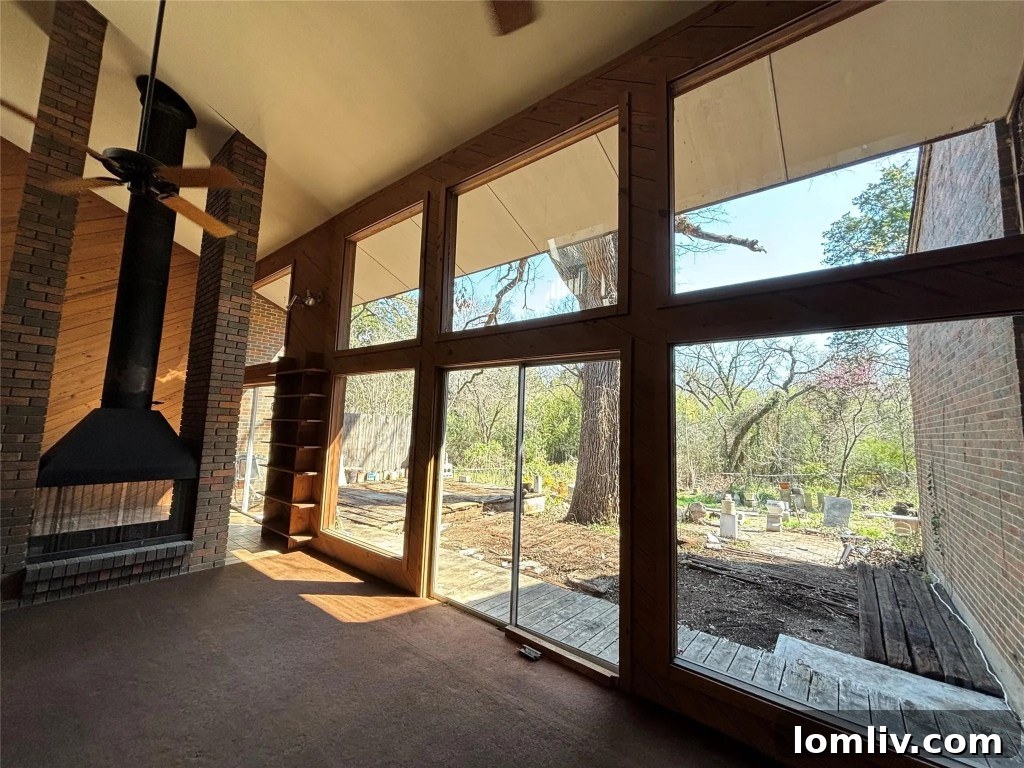
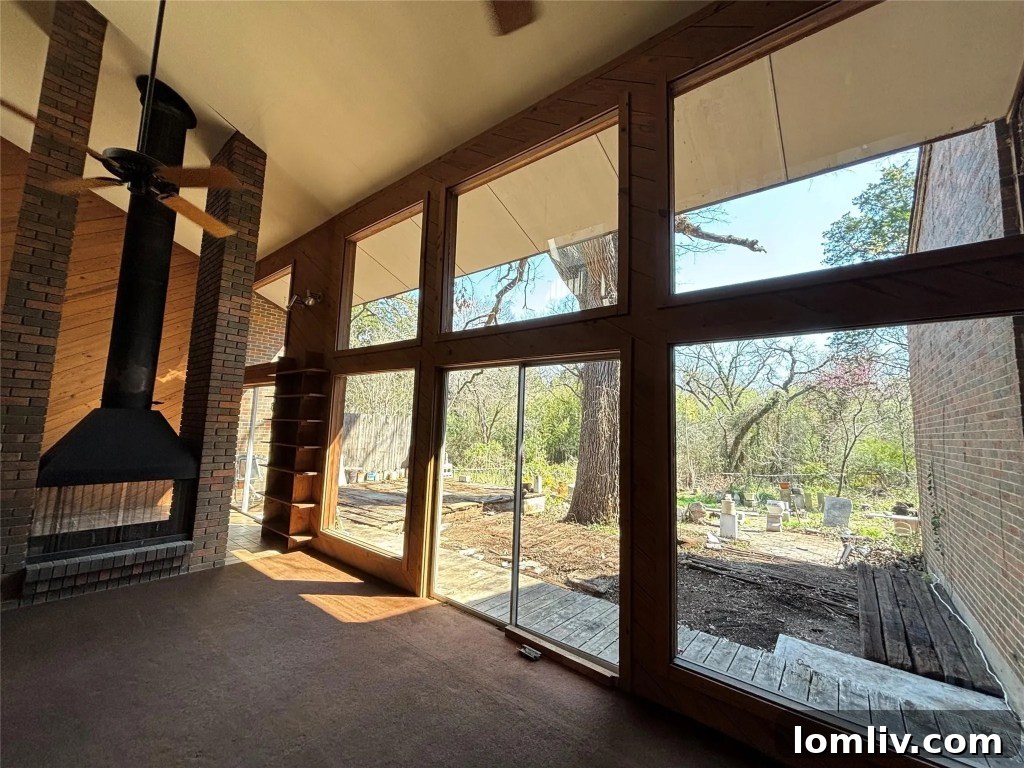
The Oak Park Estates home perfectly embodies the defining hallmarks of the shed-style architecture prevalent during its era. From the distinctive clerestory windows that flood the interiors with soft, natural light to the exposed chimney flue that adds a touch of rustic industrial charm, every detail contributes to its authentic character. It truly stands as a remarkable time capsule, meticulously preserving the essence of 1970s design while offering a sturdy foundation for contemporary living.
Stepping Inside: A Jaw-Dropping Journey Through Design
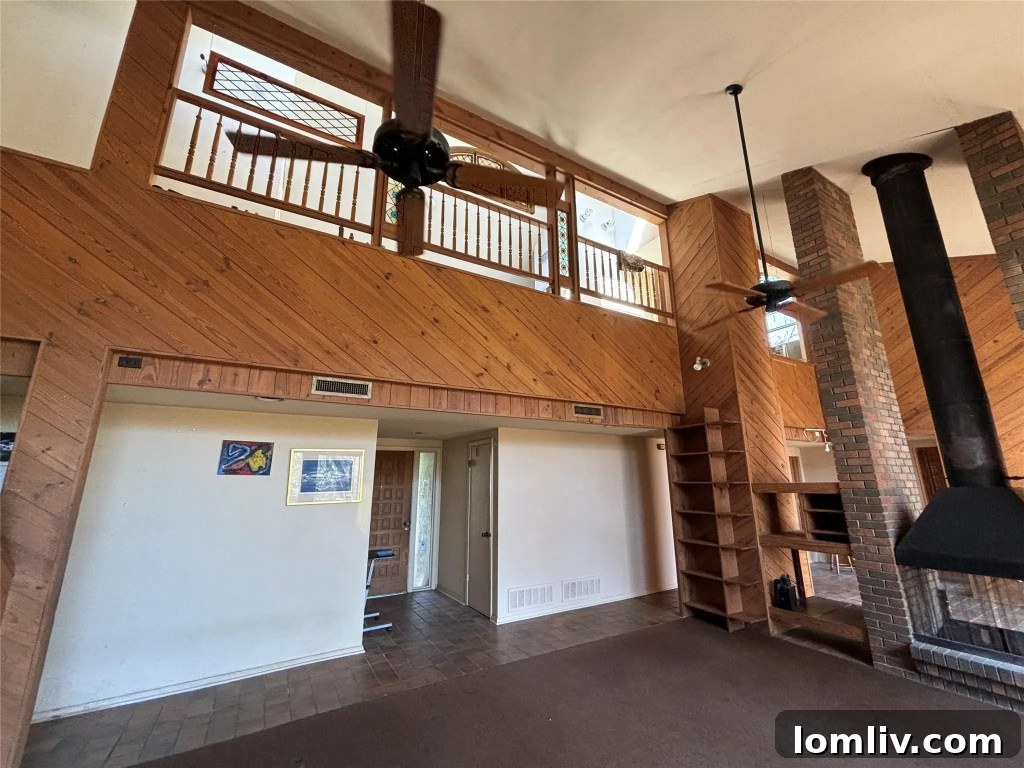
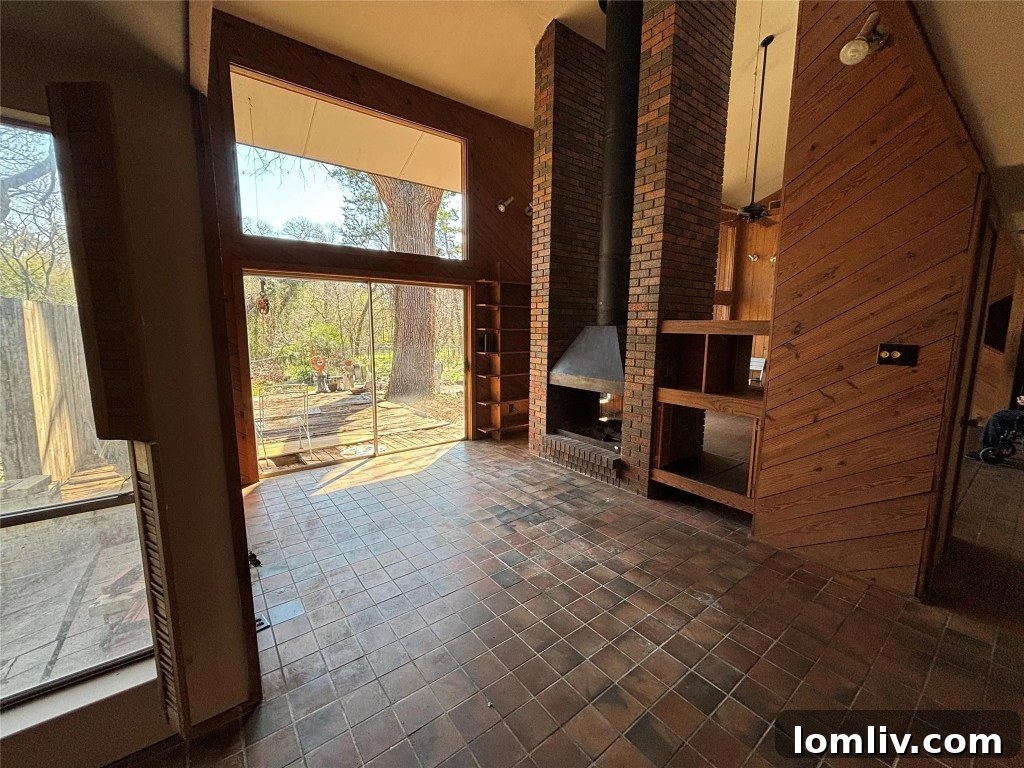
The interior of this Oak Park Estates home is nothing short of breathtaking, designed to make an unforgettable first impression. Katrina Whatley vividly recalls her initial walkthrough: “When I walked into this house, it was an instant jaw drop for me. First I saw that fireplace, then the soaring ceiling, then the wall of windows, and then I noticed the second-floor loft. Each time I said to myself, ‘You have to be kidding me!’ with my jaw still on the floor.” Her reaction perfectly encapsulates the dramatic and awe-inspiring atmosphere created by Atteberry’s design.
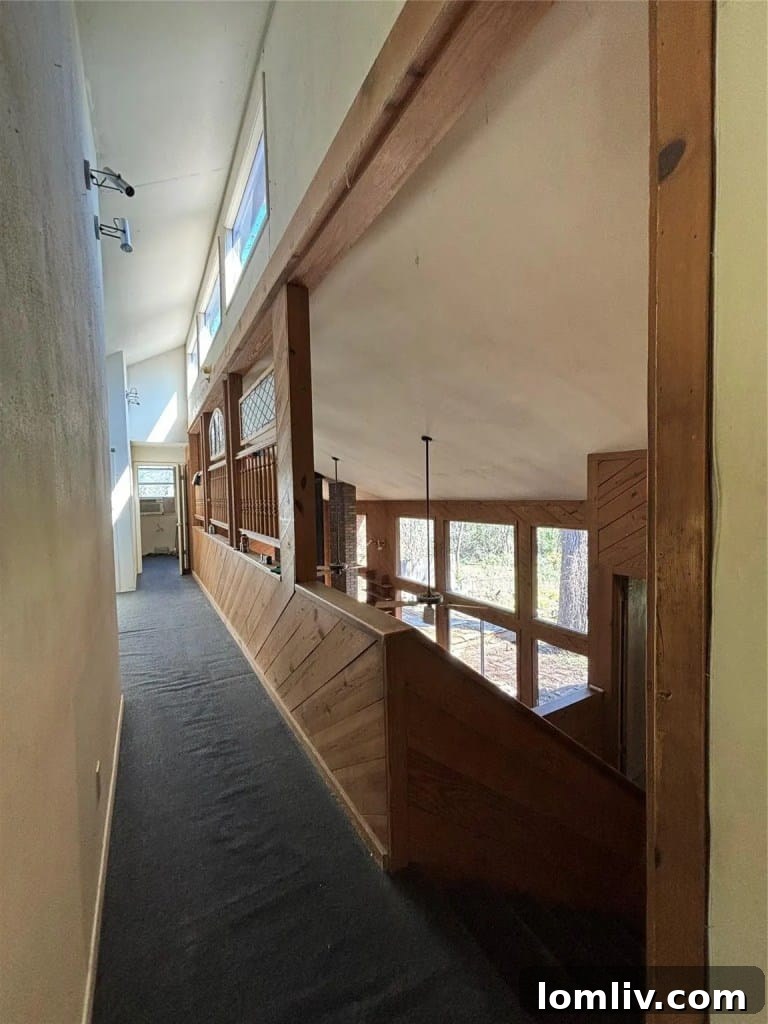
The magnificent fireplace, likely a central feature of the original design, serves as an anchor in the grand living space, its impressive scale complementing the extraordinary height of the ceilings. These soaring, cathedral-like ceilings create an immediate sense of openness and grandeur, while the expansive wall of windows not only frames picturesque views of the surrounding natural beauty but also bathes the interior in an abundance of natural light, blurring the lines between indoor and outdoor living. The architectural ingenuity continues with the discovery of a captivating second-floor loft, an unexpected bonus that offers versatile space for a home office, an artist’s studio, or an additional cozy retreat. And just when Whatley thought she had seen all the surprises, she learned that the home also boasted a basement – an exceptionally rare and valuable feature in Dallas homes. “Just wow!” she exclaimed, a sentiment that prospective buyers are sure to echo.
A Multi-Level Marvel: Exploring the Unique Floor Plan
The floor plan of this Oak Park Estates home is exceptionally unique and thoughtfully designed, maximizing both space and functionality. While structurally a two-story house, it ingeniously incorporates four distinct levels, creating a dynamic and engaging living experience. Katrina Whatley elaborates on its clever vertical arrangement, detailing how the different zones flow seamlessly yet offer clear separation for various activities:
- The Basement Level: Offering invaluable extra space, this level presents a multitude of possibilities, from storage to a potential workshop, media room, or even an additional living area, providing flexibility rarely found in homes of this vintage in Dallas.
- The Main Living Level: This open and inviting space encompasses the primary living, dining, and kitchen areas. It serves as the heart of the home, perfect for entertaining and everyday family life, characterized by its openness and connection to the outdoor environment.
- The Mid-Level Retreat: A thoughtfully positioned level above the main living area features a comfortable bedroom complete with its own private bath. This layout offers a degree of privacy and separation, ideal for guests, older children, or a tranquil primary suite.
- The Upper Living & Bedroom Level: Ascending to the highest tier reveals a second distinct living area, providing an additional communal space for relaxation or recreation. Alongside this are two more bedrooms, ensuring ample accommodation for families of various sizes.
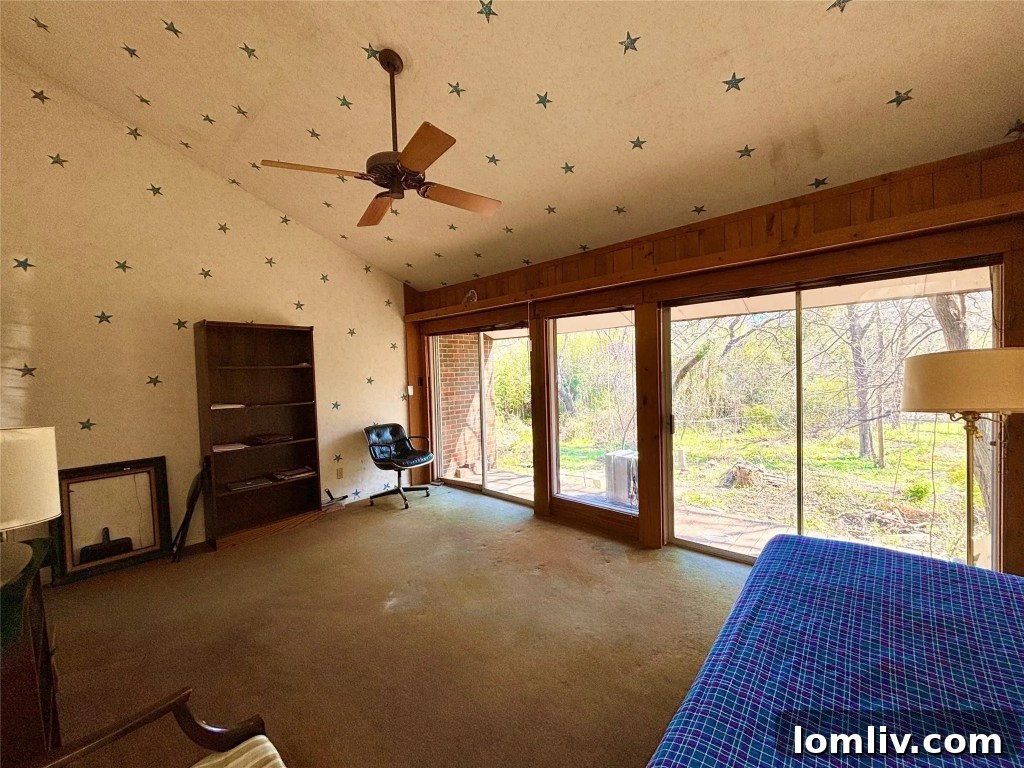
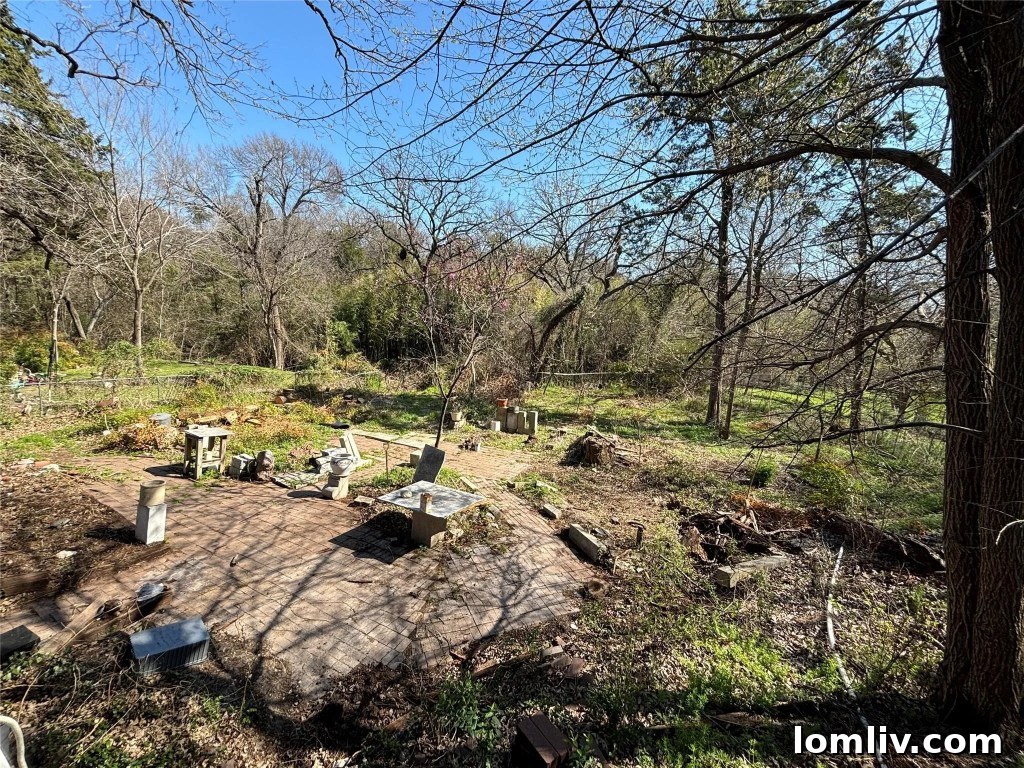
Many of the rooms throughout these levels are strategically positioned to offer captivating views of the lush backyard, which gently slopes down to border a peaceful tributary of Five Mile Creek. This natural backdrop enhances the home’s tranquility and offers a serene connection to nature, a cherished amenity in urban settings.
The Enduring Appeal: Renovation Potential and Modern Vision
This remarkable home is proving to be an undeniable hit with discerning buyers, particularly those who possess a keen eye for potential and a clear vision for transformation. Its architectural integrity, combined with its unique features and prime location, makes it a rare find in the Dallas real estate market. Buyers are increasingly seeking homes that offer character and a story, moving away from cookie-cutter designs in favor of properties that can be personalized to reflect their individual tastes while honoring the original architecture.
The shed-style 1970s contemporary offers an ideal canvas for modern renovations. Its robust structure and flexible open spaces lend themselves beautifully to contemporary updates that can seamlessly blend vintage charm with state-of-the-art amenities. Imagine preserving the dramatic lines of the roof and the expansive window walls, while updating the kitchen with sleek, modern cabinetry and appliances, or transforming the bathrooms into luxurious, spa-like retreats. The inherent connection to nature, facilitated by the home’s design and its backyard bordering the creek, also provides opportunities for creating stunning outdoor living spaces that complement the interior’s aesthetic.
The Oak Cliff neighborhood, known for its vibrant community, eclectic charm, and mature tree-lined streets, further enhances the appeal of this property. It’s a community that celebrates individuality and offers a rich cultural tapestry, making it the perfect setting for a home with such distinct character. The demand for unique properties in this area continues to grow, ensuring that homes like this one, with a strong architectural identity and significant potential, capture immediate attention.
The market has quickly recognized the exceptional value and unique qualities of this home. Katrina Whatley is already accepting highest and best offers after just a few days on the market, a testament to its extraordinary appeal and the strong demand for such distinctive properties.
This shed-style 1970s Contemporary, a design by David Atteberry, is listed by Katrina Whatley of Ultima Real Estate at 3974 Lost Creek Drive in Oak Park Estates for $335,000. It presents a remarkable opportunity to own a piece of architectural history and to craft a truly bespoke living space within one of Dallas’s most charming neighborhoods.