Dallas, a city known for its dynamic growth and rich history, finds itself at a pivotal crossroads concerning urban development. A contentious debate surrounding minimum parking requirements for new projects has recently reignited, polarizing residents, developers, and city officials alike. This ongoing discussion frequently brings to the forefront issues such as neighborhood parking spillover, the financial burden on new businesses, and the perceived rigidity of existing zoning codes. As Dallas continues to evolve, the necessity of reevaluating these decades-old regulations has become increasingly clear, prompting a city-wide conversation about fostering a more accessible, sustainable, and economically vibrant urban landscape.
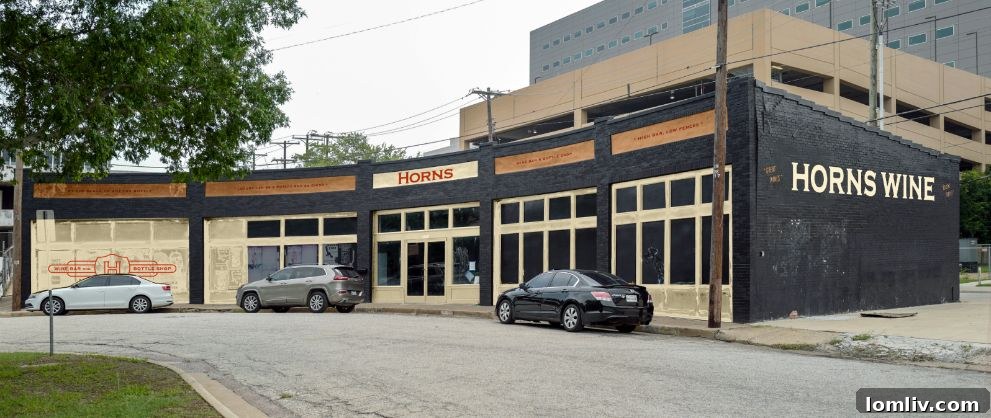
Amidst this vigorous debate, Chase Beakley, a local entrepreneur, has emerged as a prominent voice, leveraging his personal journey to repurpose the long-vacant property at 3302 Swiss Circle into a compelling case study. His firsthand experience navigating Dallas’s complex parking mandates offers a tangible illustration of the challenges faced by small businesses and highlights the urgent need for reform. Beakley’s narrative underscores how outdated regulations can inadvertently stifle innovation, particularly when attempting to breathe new life into cherished historic structures.
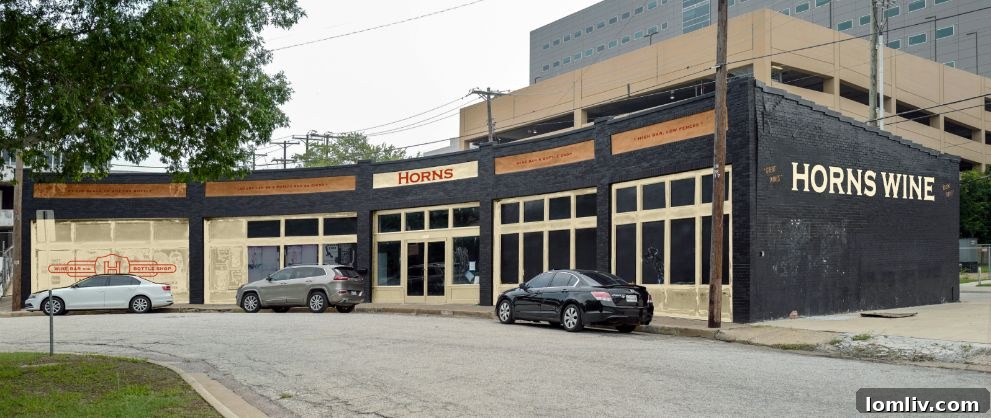
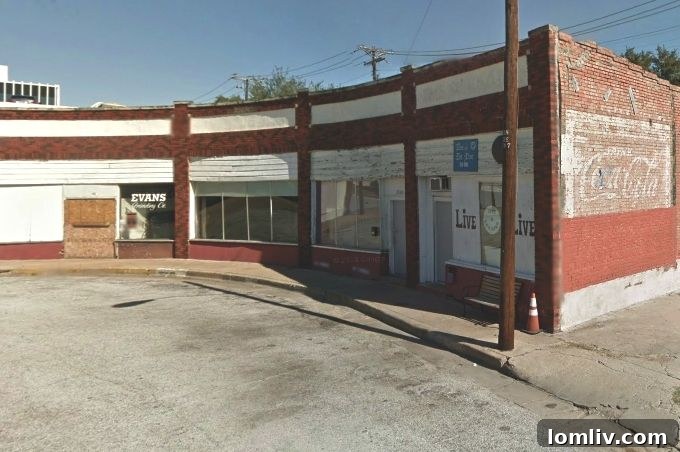
The property at 3302 Swiss Circle, nestled in Old East Dallas near the Baylor Medical Center, boasts a significant history, dating back to its construction in 1921. Beakley describes its “really cool architectural style with a curved facade that mirrors the curve of the street,” a distinctive feature that speaks to the craftsmanship of its era. This architectural gem, with its unique character, presents an ideal canvas for revitalization, promising to enhance the neighborhood’s aesthetic appeal and contribute to its cultural tapestry. Its location in a mature, established area further amplifies its potential as a community anchor.
Beyond its architectural charm, the property holds a fascinating, albeit dark, chapter in Dallas’s past that is sure to captivate true crime enthusiasts. In the 1930s, this very site was home to Hartgraves Cafe, a local eatery where the infamous Bonnie Parker once worked before embarking on her notorious crime spree with Clyde Barrow. This connection imbues 3302 Swiss Circle with an added layer of historic and cultural significance for Dallas, making it a potential draw for those fascinated by the city’s more scandalous past. The allure of Bonnie and Clyde continues to resonate, transforming this seemingly ordinary building into a pilgrimage site for buffs and a conversation starter for patrons. It represents a tangible link to a bygone era, offering a glimpse into the lives of historical figures who left an indelible mark on American folklore.
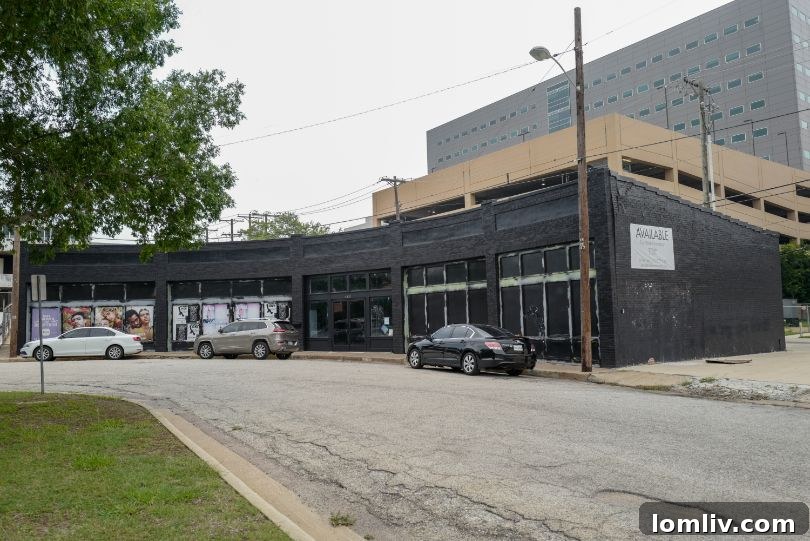
Despite its rich heritage and prime location, the building has endured a prolonged period of neglect. “Unfortunately, it’s been unused and sitting empty for decades,” Beakley lamented, highlighting a common predicament for many historic properties in rapidly developing cities. He added, “The last active certificate of occupancy I can find via the city website dates to 2006,” underscoring the extent of its dormancy. This prolonged vacancy represents not only a missed economic opportunity for the city but also a tangible loss of potential vibrancy for the Old East Dallas community. Beakley’s endeavor aims to reverse this trend, transforming a neglected relic into a thriving hub.
Horns Wine Bar: A Vision for 3302 Swiss Circle
The journey to revive 3302 Swiss Circle began in earnest in late 2022 when Chase Beakley and his partner made the bold decision to leave their stable corporate careers behind, driven by an entrepreneurial spirit and a vision for community revitalization. They discovered the Swiss Circle property in April, immediately recognizing its immense potential despite its dilapidated state. Their ambitious plan is to open “Horns Wine Bar and Bottle Shop” in the fall, creating a unique establishment that combines a sophisticated wine bar experience with a retail component, allowing guests to savor a meal and then take a curated bottle or two home to enjoy. This hybrid model promises to cater to a diverse clientele, from casual drinkers to connoisseurs.
Embracing the property’s quirky history, the new establishment plans to feature a photo of the late Bonnie Parker, immortalizing her connection to the site. This nod to the past is not merely a gimmick but a deliberate effort to weave the property’s unique narrative into its new identity, creating an authentic and engaging atmosphere. While historians suggest Parker worked in various Dallas diners, leaving the precise location of the featured photo uncertain, Beakley remains unfazed. For him, the symbolic link is what truly matters, connecting patrons to a slice of Dallas’s storied past. However, this historical intrigue pales in comparison to the more pressing challenge looming over his venture: Dallas’s stringent minimum parking requirements.

Under current city ordinances, based on the proposed square footage, Horns Wine Bar would be mandated to provide an astounding 46 parking spots. Beakley unequivocally described this requirement to daltxrealestate.com as “a ludicrous amount,” especially for a historic property in a walkable urban neighborhood. This mandate highlights a fundamental disconnect between contemporary urban planning ideals and outdated regulations. For developers looking to repurpose existing structures, particularly those with unique historical significance, these requirements often prove to be insurmountable obstacles.
“When we were looking for real estate… the easiest thing to do, in Dallas, is find a building that was the same type of business in its prior life,” Beakley explained. “That’s why you see so many restaurants replaced by other restaurants. It’s just easier. If you are trying to use a historic space like ours, it is really difficult.” This statement encapsulates a critical flaw in the current system: it inadvertently incentivizes homogeneous development and discourages creative adaptive reuse of existing buildings. The bureaucratic hurdles and financial implications associated with converting a property to a new use, especially when parking requirements are drastically different, can be prohibitive for independent entrepreneurs, leading to the stagnation of valuable urban spaces.
Dallas Parking Requirements: A Stifling Force for Economic Growth and Urban Revitalization
The inherent challenges posed by Dallas’s minimum parking requirements extend far beyond individual projects like Horns Wine Bar; they represent a systemic issue stifling economic growth, hindering urban revitalization, and fundamentally shaping the city’s character. The 3302 Swiss Circle space, despite its historical context, currently offers an attached parking lot with eight spaces and benefits from “ample street parking” available on Swiss and North Hall Street. From a practical perspective, this existing capacity, combined with the property’s proximity to residential areas and potential for walkability, should ideally suffice for a neighborhood establishment. However, city codes dictate otherwise.
Under Dallas’s current zoning ordinance, restaurants are required to provide one parking space for every 100 square feet of floor area, while retail establishments demand one space for every 200 square feet. These rigid formulas often fail to account for a project’s specific context, shared parking opportunities, or the evolving transportation habits of a modern urban populace. They are relics of a mid-20th-century mindset, prioritizing automobile access above all else, often at the expense of vibrant, pedestrian-friendly communities.
The disparity in how these rules are applied raises significant questions about fairness and equity. Beakley highlights a critical observation: “Parking minimum requirements disproportionately disadvantage individual local entrepreneurs, especially entrepreneurs of color or LGBTQ+ entrepreneurs, in favor of large corporations.” He elaborates, “Corporations are able to lobby for parking exceptions or reductions much more effectively than individuals are.” This creates an uneven playing field, where well-resourced developers can navigate or bypass the system, while aspiring local business owners, who often bring unique character and community benefits, face insurmountable bureaucratic and financial barriers. This issue isn’t just about parking; it’s about who gets to build and shape the future of Dallas.
Furthermore, the city’s landscape is dotted with over 1,000 “planned developments” (PDs), each with its own set of parking requirements that diverge significantly from the general city standards. Beakley points out that these small PD boundaries create a bewildering patchwork of regulations, adding layers of complexity for anyone attempting to develop property in Dallas. This fragmentation not only makes the process opaque and time-consuming but also creates inconsistencies that can be exploited by those with the resources to understand and manipulate them. The result is an inefficient system that slows down development and discourages investment.
Addressing the labyrinthine complexity of Dallas’s parking requirements demands significant investments of both time and capital. Beakley’s own experience underscores this burden, as he spent approximately $50,000 on an architect and zoning consultant. These professionals were essential simply to create a layout that offered the “right proportion of retail and restaurant space” while attempting to satisfy the city’s demands—a substantial upfront cost before a single customer has walked through the door. For many small businesses operating on tight budgets, such expenditures are simply unsustainable, forcing them to abandon viable projects and preventing the revitalization of otherwise promising spaces.
‘Onerous, Antiquated Standards’: The Push for Parking Reform
The growing consensus among urban planners, developers, and advocates is that Dallas’s current parking minimums are not just inconvenient, but represent “onerous, antiquated standards” that are holding the city back. This sentiment gained significant traction at an August 15 meeting of the city’s Zoning Ordinance Advisory Committee, where Chase Beakley and other proponents passionately argued for the removal of these mandates. Leading the charge for reform is District 1 Councilman Chad West, who has become a vocal champion of the cause. Councilman West’s core argument is straightforward: the city should empower developers to determine the appropriate number of parking spaces required for new businesses, rather than imposing a rigid, one-size-fits-all approach.
It is crucial to clarify that Councilman West is not advocating for the removal of existing parking spaces; rather, his proposal focuses on eliminating the mandatory minimums for new developments. This distinction is vital, as opponents often frame reform efforts as a war on cars or an attempt to eliminate convenient parking. In reality, the goal is to introduce flexibility and market responsiveness into the development process. Beakley echoes this sentiment, asserting that “no business is going to take the risk that they won’t have enough parking to be successful.” Entrepreneurs, driven by their financial investment and desire for profitability, have a vested interest in providing adequate access for their customers. The market, rather than bureaucratic dictate, should largely determine parking supply.
Beyond simply removing minimums, advocates for parking reform are proposing innovative solutions to address legitimate concerns like neighborhood spillover parking. Nathaniel Barrett, a prominent developer and advocate, suggests implementing a curb management policy and parking benefit districts. Under such a system, revenue generated from metered street parking within a specific area would be reinvested directly into neighborhood improvements, incentivizing responsible parking behavior and providing tangible benefits to local residents. This approach transforms parking from a burden into a resource, fostering a virtuous cycle of community development.
Urban planner Patrick Kennedy has meticulously studied downtown Dallas parking, revealing startling inefficiencies. Due to a severe lack of publicly available and accurate information, comprehensive citywide data on surface parking lots remains elusive. However, Kennedy’s estimates are illuminating: approximately 153 of the 915 acres within the “downtown highway noose” are exclusively dedicated to parking—meaning surface lots not integrated into mixed-use buildings or underground structures. This vast expanse of asphalt represents a staggering underutilization of prime urban land, significantly impacting the city’s tax base and overall urban fabric.

Kennedy’s analysis, based on Dallas Central Appraisal District (DCAD) data, further illuminates the economic cost of these expansive surface lots. “A typical surface parking lot in downtown generates $2.50 per square foot in property taxes,” he noted in an email obtained by daltxrealestate.com. Comparing this to recent downtown developments, the stark contrast is undeniable: “Amli Fountainplace is at $86.38 per square foot and the East Quarter development is at $47.82 per square foot.” Projecting this trend, Kennedy estimates that if the approximately 124 acres of surface parking lots in downtown Dallas (roughly 5.4 million square feet) were redeveloped to the density and value of the East Quarter project, it could generate an astounding $258 million in new property tax revenue. This massive potential for economic uplift is currently unrealized, highlighting the tangible financial benefits of parking reform.
The conversation about parking minimums, Beakley asserts, is not a binary choice between a “dense, urban, walkable city or a car-centric city.” Instead, he frames it as a fundamental question about the ease of starting a business in Dallas. “Do we allow entrepreneurs the ability to decide for themselves and decide for their neighborhood what parking solutions work for them versus mandating a system where a ton of our land is used up for parking lots whether people need it or not?” This encapsulates the core philosophical divide: empowering local decision-makers and market forces versus adhering to outdated, top-down regulations. Reform would not only foster a more entrepreneurial environment but also lead to more efficient land use, greater walkability, and a more sustainable future for Dallas.
As the debate progresses, with the City Council anticipated to vote on the matter late this year or in early 2024, Horns Wine Bar and Bottle Shop is on a tight timeline. They are scheduled to submit their final plans for approval within the next week, aiming for an autumn opening. Beakley and his partner simply cannot afford the financial loss of delaying their project to await potential parking reform. Their immediate priority is to launch their business, regardless of the current regulatory hurdles. However, Beakley remains hopeful that reform will be enacted for the benefit of future small business owners, paving the way for a more hospitable entrepreneurial landscape in Dallas.
“If we want a Dallas that preserves historic buildings and a Dallas with local entrepreneurs to succeed, then we need to lower the hurdles they have to clear to be successful, and parking minimums is one of those,” Beakley concludes. His message is clear: the future prosperity and character of Dallas hinge on its willingness to adapt and evolve its urban policies. By addressing these “onerous, antiquated standards,” Dallas can unlock the full potential of its historic properties, foster a thriving ecosystem for local businesses, and build a more vibrant, equitable, and sustainable city for all its residents.