As the vibrant landscape of Dallas continues its dynamic evolution, staying informed about ongoing urban development projects is crucial for residents, investors, and stakeholders alike. The new year often brings fresh perspectives and pivotal updates to previously reported initiatives that shape our communities. From the iconic Cedar Springs Road to the bustling corridors of McKinney Avenue and the strategic intersections of Lemmon Avenue, several significant projects are moving through critical phases, each presenting unique challenges and opportunities. This detailed overview delves into the latest progress, intricate negotiations, and community impacts of these key developments, ensuring a comprehensive understanding of Dallas’s evolving urban fabric.
The spirit of progress in Dallas is relentless, with major development proposals constantly seeking to redefine the city’s skyline and functionality. Understanding the nuances of these projects – from initial committee presentations to the intricate dance of zoning approvals and community feedback – is essential. We will explore how developers are navigating regulatory bodies, adapting to economic shifts, and engaging with neighborhoods to bring their visions to life, all while aiming for sustainable growth and enhanced urban living experiences.
The Evolving Vision for Oak Lawn: Ablon and Caven’s Gayborhood Plan
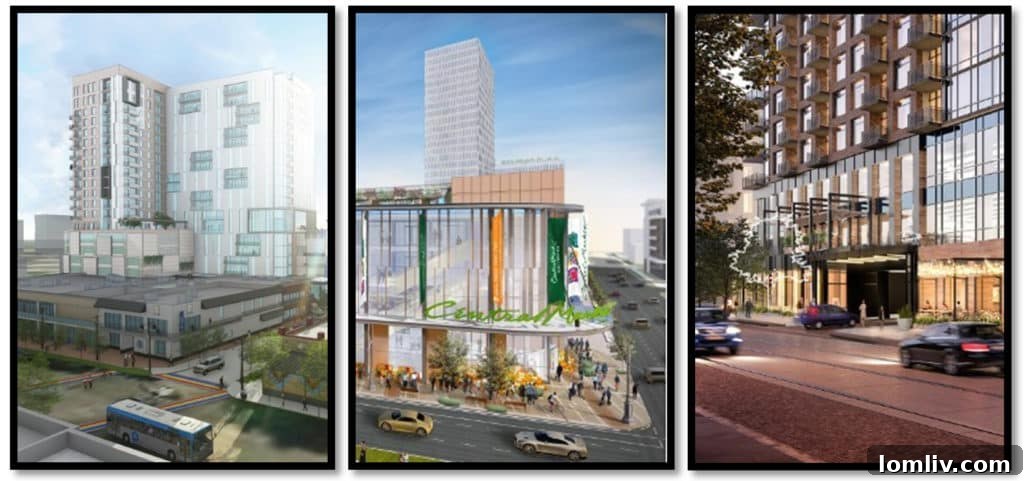
The vibrant Cedar Springs Road, often affectionately known as the “Gayborhood,” stands as a cultural and economic cornerstone of Dallas. Its unique character and historical significance make any proposed redevelopment a matter of considerable public interest and scrutiny. Caven Enterprises, in collaboration with developer and former Mayoral candidate Mike Ablon, presented an ambitious vision for their holdings along this iconic stretch to the Oak Lawn Committee (OLC) last December. Their proposal aimed to revitalize key properties within this district, promising a modern update while ideally preserving the area’s distinct charm.
However, the path to redevelopment is rarely straightforward. The OLC, known for its diligent oversight and commitment to balanced growth, did not grant immediate approval to the plan. Instead, they opted to form a specialized sub-committee. This strategic move was designed to facilitate ongoing dialogue and collaboration between the developers and community representatives, aiming to refine and enhance the proposed plan to better align with neighborhood expectations and city planning objectives. Such an approach underscores the OLC’s dedication to fostering developments that not only bring economic benefits but also resonate with the existing community’s identity and needs.
During these crucial discussions, a recurring theme has been the developer’s perceived inflexibility regarding proposed changes. Reports indicate that Mike Ablon has shown a steadfast commitment to his initial design, proving somewhat resistant to significant modifications. This stance is not entirely unprecedented in the world of large-scale urban development, where developers often champion their initial designs with conviction. A notable parallel can be drawn with the ongoing Lincoln Katy Trail cross-creek development, a project that has similarly navigated a lengthy and often contentious approval process since 2017. Developers, by nature, are visionaries who meticulously craft their proposals; therefore, expecting immediate concessions on the first review often proves unrealistic. The process is inherently one of negotiation, compromise, and persistent advocacy, where initial pushback is an anticipated part of the journey towards a mutually agreeable outcome.
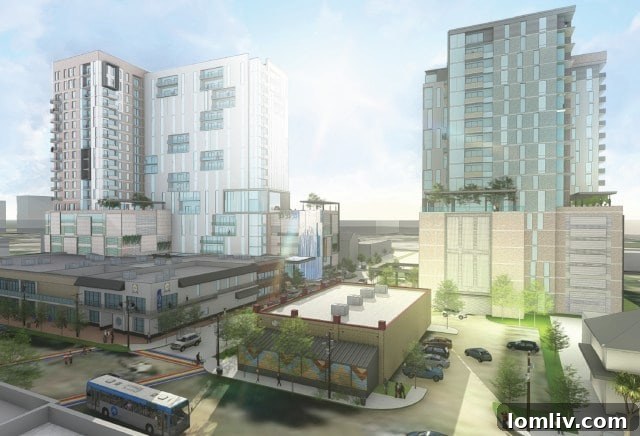
One of the most significant points of contention and a critical aspect of any redevelopment involving established businesses is the issue of operational continuity, particularly for those holding specialized licenses. Concerns arose regarding the feasibility of demolishing existing bars on the Cedar Springs strip and subsequently rebuilding them while ensuring the preservation of their invaluable Texas Alcoholic Beverage Commission (TABC) liquor licenses. City staff initially conveyed the developer’s assertion that a complete tear-down and rebuild would render the liquor licenses invalid, posing an insurmountable obstacle to the proposed transformation.
To clarify this crucial point, direct consultation with the TABC was undertaken. Their response provided much-needed clarity and debunked the initial developer’s claim, illustrating a more flexible regulatory environment than previously presented. The TABC explicitly stated, “They can’t move their business to a new address, but they could feasibly tear down the building and build a new one in the same spot.” This distinction is vital: while relocating the business to an entirely different parcel would indeed necessitate new licensing, rebuilding on the exact same footprint does not automatically revoke existing licenses. The primary caveat is a practical one: the business would need to be operational again before the two-year license renewal period expires. This timeframe, while tight, is certainly achievable with robust planning and efficient execution by experienced contractors.
Further inquiry revealed even more operational flexibility. When asked about the possibility of utilizing temporary “pop-up” bars on another part of their existing lot during the construction phase, the TABC confirmed this was also permissible. “As long as its [sic] on the same property and complies with the terms of the original permit, yes,” they affirmed. This clarification opens up innovative avenues for developers to maintain revenue streams and customer loyalty during the redevelopment, mitigating some of the financial risks associated with extended closures. With strategic financial backing and a well-coordinated construction schedule, the vision of a modernized Cedar Springs Road with underground parking and enhanced bar facilities becomes not just plausible but eminently achievable. Timing the demolition to commence immediately after a license renewal would grant the maximum possible window for reconstruction, allowing for complex elements such as two levels of subterranean parking to be integrated seamlessly. This flexibility demonstrated by TABC underscores that with creativity and proper planning, many perceived regulatory hurdles in urban development can be successfully navigated, paving the way for truly transformative projects that benefit both businesses and the community.
McKinney Avenue and Boll Street: A High-Rise Vision Takes Shape
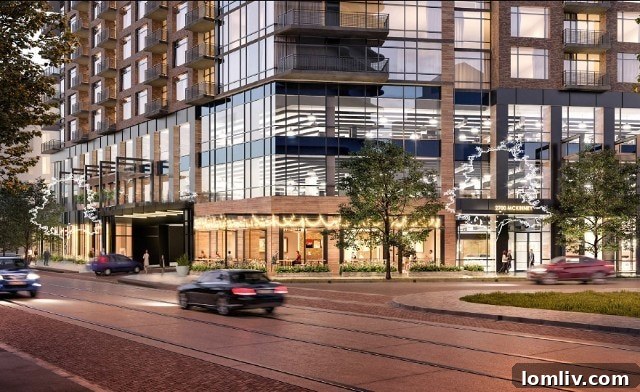
The intersection of McKinney Avenue and Boll Street in Dallas has been earmarked for a significant residential high-rise development, a project that successfully navigated the Oak Lawn Committee’s rigorous approval process back in November 2019. This proposed development is designed to integrate seamlessly into the vibrant McKinney Avenue corridor, a key artery known for its blend of residential charm, upscale retail, and dynamic dining experiences. The project’s design is notably ambitious, featuring a mixed-use ground floor intended to foster pedestrian activity and street-level engagement, followed by two dedicated levels of contemporary office space. Above these commercial layers, the tower is slated to rise an impressive 14 stories, exclusively dedicated to residential units. A standout feature, and one that greatly contributes to its community appeal, is the commitment to all underground parking, a design choice that significantly reduces visual clutter and enhances the aesthetic and functional quality of the surrounding streetscape.
Despite its initial success with the OLC, the journey through the city’s planning apparatus has been marked by delays. The project, for reasons not fully detailed, did not reach the Plan Commission until December 2020, over a year after its OLC approval. Even then, its path was not clear; the developer requested a postponement to their January 21st meeting, only for it to be deferred yet again to February 4th. These successive delays were explicitly attributed to the developer’s pursuit of “additional neighborhood input.” This phase of engagement is critical in urban planning, as it allows for a finer calibration of the project with the specific needs and concerns of immediate residents.
The core of the current impasse lies in the desires of representatives from the State-Thomas neighborhood, which borders the proposed development. Residents from State-Thomas are advocating for greater setbacks from their side of the project, specifically from the rear of the proposed building. Setbacks are crucial architectural and urban planning elements that dictate how far a building must be placed from a property line. They are instrumental in preserving light, air, privacy, and the overall character of adjacent properties. While the project, as currently designed, likely adheres to existing zoning requirements, the State-Thomas community seeks more generous distances, aiming to mitigate potential impacts on their established residential environment. Project representatives have indicated they’ve presented several revised scenarios to address these concerns, highlighting the ongoing effort to find a mutually acceptable resolution that respects both the developer’s vision for density and the community’s desire for quality of life. The negotiation over setbacks is a classic example of the delicate balance required in modern urban development, where legal compliance must often be augmented by community consensus to ensure long-term success and harmonious integration.
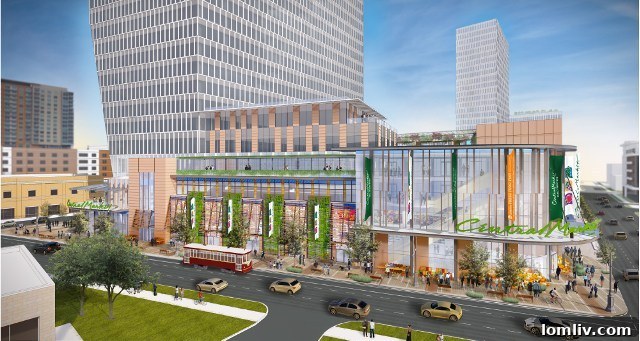
McKinney and Lemmon Avenue Central Market: Adapting to New Realities
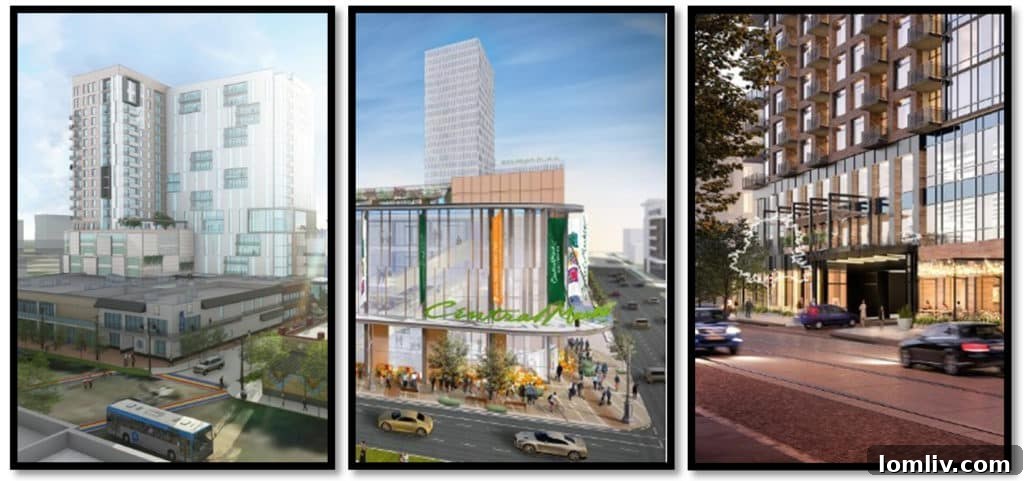
Another prominent “golden oldie” from the 2019 development pipeline, the ambitious project at McKinney and Lemmon Avenue, anchored by the beloved Central Market, has recently seen developers KDC return to the Plan Commission. This multi-faceted development originally envisioned a block comprising two high-rise towers positioned above the existing Central Market, featuring a mix of hotel and office spaces. However, the unprecedented global events of the past year have necessitated a significant re-evaluation of this initial plan.
The profound economic and social shifts brought about by the COVID-19 pandemic have drastically altered the landscape of commercial real estate. With a surge in remote work and a significant downturn in travel and hospitality, the demand for traditional office spaces and hotels has experienced a notable decline. In response to these evolving market dynamics, KDC is now seeking to refile their zoning request. The revised proposal aims to convert the originally planned hotel and office components into entirely residential units within the towers above the Central Market. This pivot reflects a broader trend across urban centers, where developers are increasingly re-calibrating their strategies to meet the surging demand for residential living, particularly in well-located, amenity-rich areas.
Such a substantial change, however, is not without its bureaucratic complexities. City regulations stipulate that any modification to a re-zoning approval filed within two years of city council endorsement typically requires a special waiver. This rule ensures that previously approved plans, which often involve extensive public input and municipal review, are not lightly altered. The request for a waiver sparked considerable discussion within the Plan Commission. A key point of debate centered on whether COVID-19, as a global health crisis, truly qualified as a fundamental “change” impacting the land itself, or if the developer’s decision was primarily motivated by economic (profit-driven) considerations. While the pandemic undoubtedly created an unforeseen market shift, the discussion highlighted the fine line between an “act of God” circumstance and a strategic business recalculation.
Ultimately, after careful deliberation, KDC was granted the necessary waiver, allowing them to proceed with their application for the proposed change. This decision marks a significant step forward for the project, enabling it to adapt to current market realities. Interestingly, this shift from commercial (hotel and office) to purely residential use is likely to have a positive impact on local infrastructure, particularly concerning traffic. Residential developments typically generate less intense and more predictable traffic patterns compared to the concentrated peaks associated with office buildings and the constant flow of guests at hotels. Therefore, from a traffic management perspective, this conversion could prove beneficial for the McKinney and Lemmon Avenue intersection and the broader neighborhood.
In a moment that injected a touch of levity into the otherwise serious proceedings, one speaker humorously characterized COVID-19 as an “act of God” during the discussion. While intended to underscore the unprecedented nature of the pandemic, the comment invited a wry reflection: given the immense global suffering and the fervent prayers for survival during the pandemic, one might ponder if hoping the “guy who shot you is also a surgeon” is an apt metaphor for seeking beneficial outcomes from such a devastating event. This lighthearted observation, however, underscored the deeper reality: urban development, especially in a dynamic city like Dallas, constantly navigates unforeseen challenges, demanding adaptability, strategic foresight, and a nuanced understanding of both market forces and community well-being.
These ongoing developments across Dallas vividly illustrate the continuous evolution of our urban landscape. From the intricate negotiations over the Cedar Springs Gayborhood plan to the community-driven adjustments for the McKinney and Boll high-rise, and the market-responsive redesign of the Central Market towers, each project reflects the complex interplay between developer visions, regulatory frameworks, and vital community input. As Dallas grows, the commitment to thoughtful urban planning and adaptable development strategies remains paramount, ensuring that the city’s future is built on a foundation of resilience, community integration, and sustainable progress. Staying updated on these projects allows us all to appreciate the intricate processes shaping the city we call home.