Creating Your Personal Sanctuary: Designing a Home Wellness Space for Inner Peace
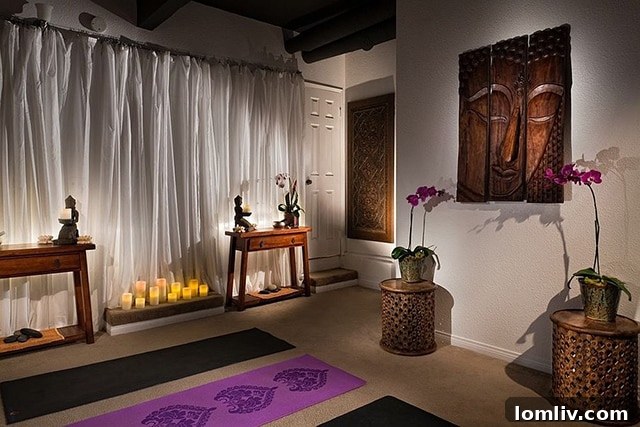
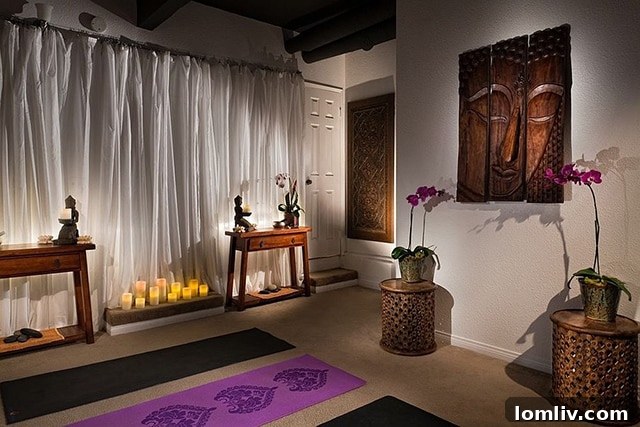
In the whirlwind of modern life, finding moments of tranquility can feel like a luxury. Yet, the concept of a dedicated home sanctuary—a personal wellness space designed for rejuvenation and reflection—is no longer just a trend, but a burgeoning necessity. For CeCe Wilck-Hays, a producer for Trinity Broadcasting Network, her Southlake home features a crystal-filled “sanctuary” where she can effortlessly unwind, practice yoga, delve into a book, or simply meditate.
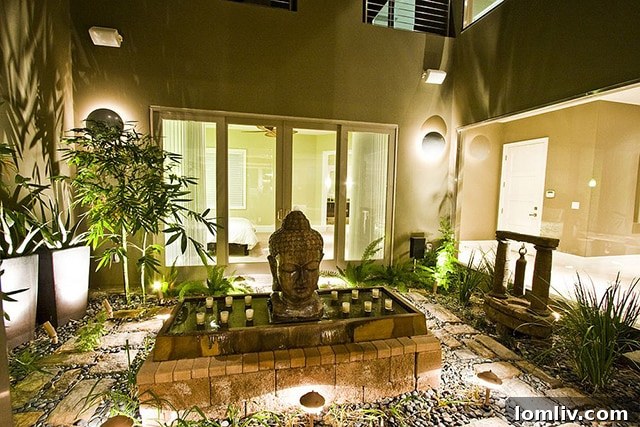
“All I have to do is walk through the door and I feel a wave of calmness,” shares CeCe, a mother of two college-aged daughters. “After everything we’ve been through this past year, and indeed, the ongoing challenges of daily life, we owe it to ourselves to cultivate a space where we can feel totally at peace. It’s not just a room; it’s an investment in our mental and emotional well-being.” This sentiment resonates deeply with many seeking refuge from constant demands and digital noise.
The Rise of Home Wellness Sanctuaries: A Post-Pandemic Imperative
CeCe’s experience is far from unique. According to a recent ASID (American Society of Interior Designers) trend report, there’s a significant and growing demand for home environments that support mental and physical wellness. The “great pause” initiated by the pandemic year served as a powerful catalyst, prompting countless individuals to become more intentional about creating personal spaces dedicated to inner recovery, restoration, and mindfulness. Our homes have transitioned from mere living spaces to vital havens that nurture our souls.
“Designers have the opportunity to support their clients as they look to their homes for increased peace and mental wellness,” stated Susan Chung, ASID’s vice president of research and knowledge, in an interview with AdPRO. This shift highlights a deeper understanding of how our physical surroundings profoundly impact our emotional states and overall quality of life. The focus has moved beyond aesthetics to creating functional spaces that actively contribute to our well-being.
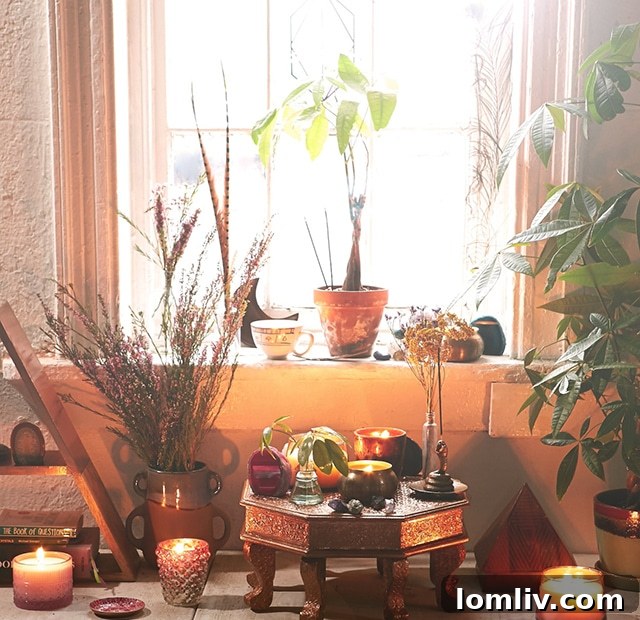
Los Angeles-based designer Sarah Bernard exemplifies this holistic approach by incorporating personal wellness questions into her initial client interviews. She delves deeper than typical design briefs, asking, “What makes you feel inspired? What might boost your mood on a tough day?” Bernard explains, “I think we’ve always needed restoration, but maybe now, because of all the things, we’ve collectively arrived at a place where people are being more open and honest with their needs.” This candid approach allows designers to craft spaces that truly resonate with an individual’s innermost desires for peace and comfort.
Transforming Any Corner into a Calming Retreat
You don’t need an entire room to create a sanctuary. As Jenn Moulaison, owner of Dallas’ Breathe Meditation and Wellness, emphasizes, “It can be as simple as a corner in a room or a cushion.” She adds, “Designating a space within your home is an essential component to starting, maintaining, and sustaining a successful meditation practice.” The key lies in intention and consistency, creating a mental anchor to a physical spot dedicated solely to your well-being. Even a small nook can become a powerful focal point for mindfulness.
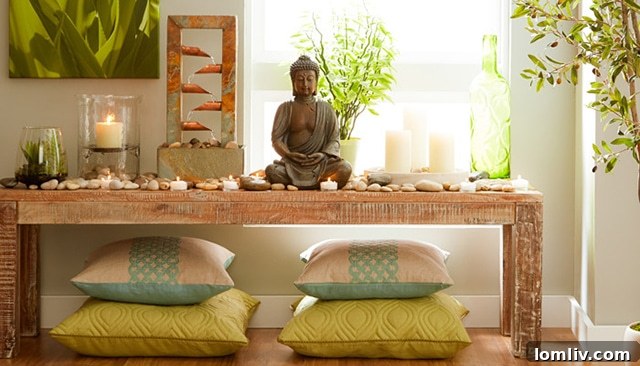
Crafting Your Personal Zen Oasis: Practical Design Principles for a Tranquil Home
Ready to embark on your journey to creating a personal haven? Here are actionable strategies to design your own zen-inducing home oasis, transforming any space into a source of peace and rejuvenation.
1. Embrace Mindful Minimalism for Clarity and Focus
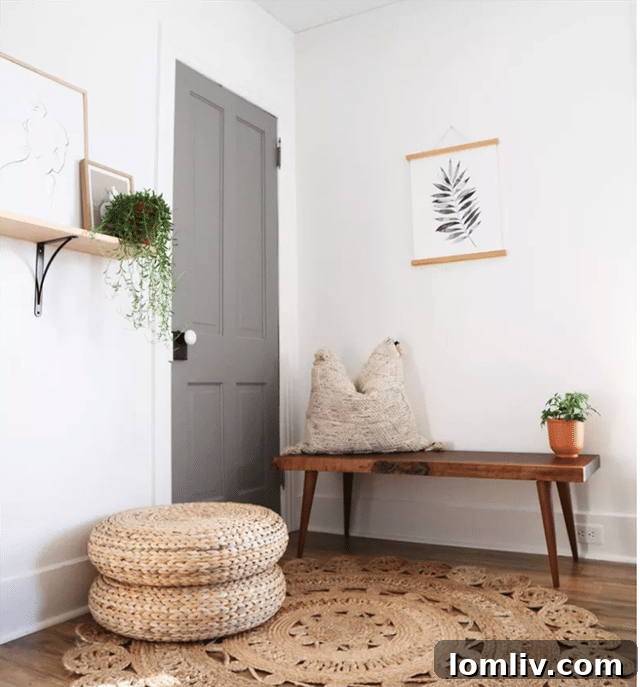
The foundation of any peaceful sanctuary is simplicity. When designing your meditation or wellness space, prioritize minimalism. Clutter is a major source of visual and mental distraction, hindering your ability to relax and focus. “Meditation is the practice of clearing your thoughts, which creates a state of stillness, and quiets and cleanses the mind,” explains Yogmata Keiko Aikawa. A clean, uncluttered environment supports this process by reducing external stimuli and promoting inner calm. Choose a few meaningful items over many, opt for clean lines, and ensure storage solutions keep necessary items neatly out of sight. Think open space, thoughtful placement, and a sense of lightness.
2. Connect with Nature’s Nurturing Embrace
Our innate connection to nature, known as biophilia, plays a crucial role in our well-being. Artist Cheryl R. Riley, when creating sanctuaries for her clients, begins by asking them to identify a natural place where they feel happiest—be it a desert, coral reef, forest, sea, or mountain. She then artfully incorporates elements that represent that cherished place: objects, art, specific lighting, textures, and sounds. This approach “puts you in touch with the most healing thing, which is nature.” Introduce indoor plants, natural wood textures, stones, or even a small water feature to mimic the soothing presence of the outdoors. If you have a view of nature, orient your space to maximize it. Even a carefully selected landscape print can evoke the calming power of the natural world.
3. Cultivate Calm with Serene Color Palettes
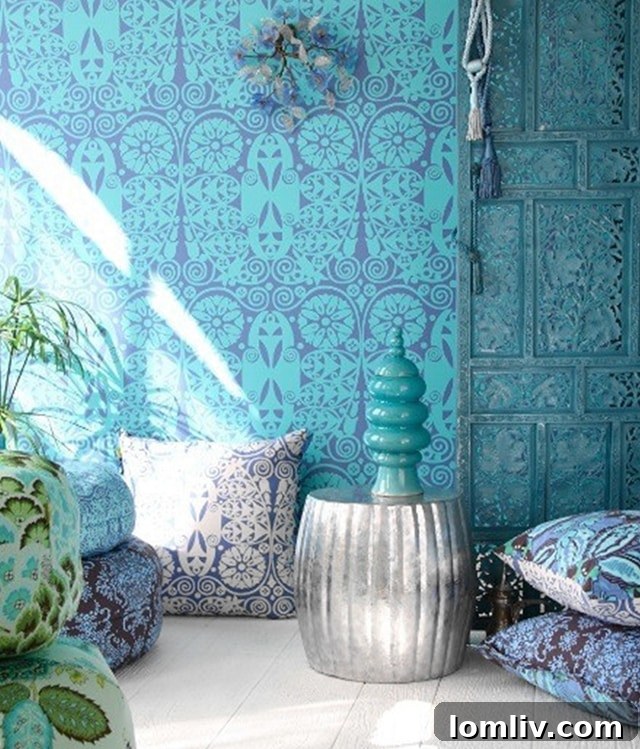
Colors profoundly impact our mood and energy levels. For a restful state, soft, tonal colors are ideal. Think warm whites, light earthy tones like gentle beiges and muted greens, and ocean-inspired blues. These hues promote a sense of calm, spaciousness, and groundedness. Interior designer Gala Magriñá emphasizes that designs incorporating light wood, wide plank floors, and muted walls collectively “bring in the sense of lightness and serenity.” Avoid overly bright or highly saturated colors that can be stimulating. The goal is to create a visual harmony that allows the mind to relax and gently drift.
4. Harness the Healing Power of Light
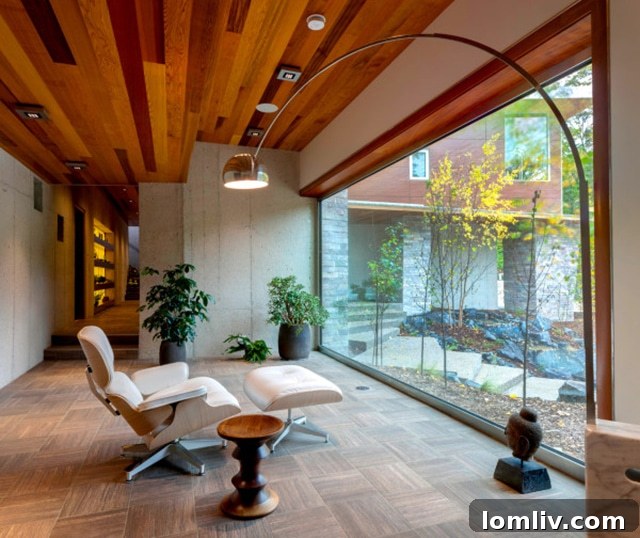
The profound impact of light on our mood and well-being cannot be overstated; a few dismal days are often all it takes to remind us of the sun’s healing powers. When selecting your sanctuary space, prioritize areas with abundant natural light. Position your meditation spot near a window to soak in daylight and maintain a connection to the outside world. Natural light helps regulate our circadian rhythms, improving sleep and overall mood. However, relying solely on natural light isn’t always feasible.
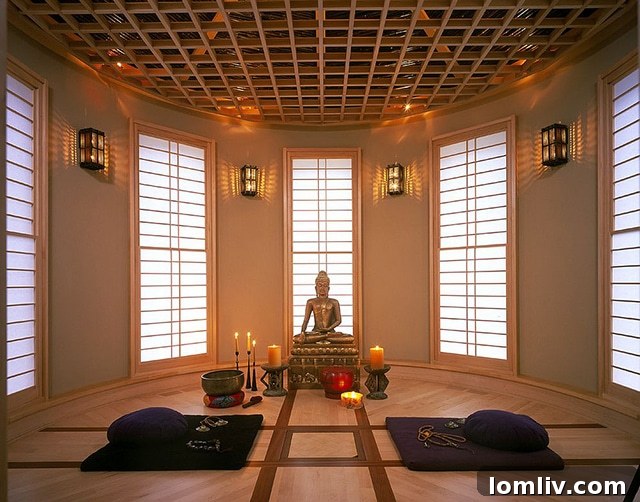
For evenings or darker days, strategically use artificial lighting to mimic natural warmth. Gala Magriñá recommends installing dimmers on all light sources. This allows you to control the intensity and create a soft, inviting glow. Layering ambient, task, and accent lighting can also enhance the mood. Opt for warm-toned bulbs (around 2700K) to foster a cozy and relaxing atmosphere. “It’s a wonderful and super restorative way to enhance your meditation,” Gala adds, emphasizing the transformative power of controlled lighting.
5. Engage Your Senses with Soothing Aromas
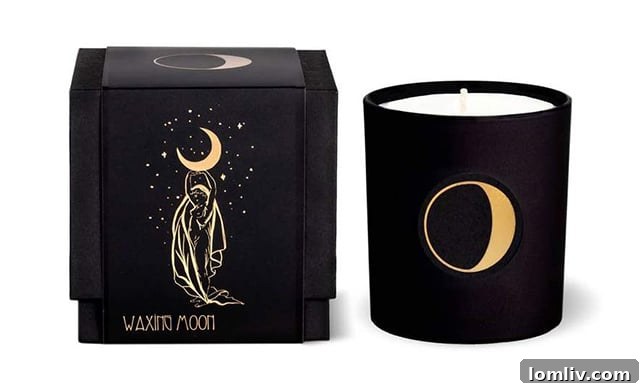
Scent is a powerful trigger for memory and emotion, making aromatherapy an excellent tool for setting the mood in your sanctuary. Experiment with various fragrances through candles, incense, or essential oil diffusers to find what resonates with you. Lavender, vanilla, and jasmine are renowned for their soothing and calming properties, perfect for relaxation and winding down. For a more invigorating or uplifting experience, scents like citrus (lemon, orange), eucalyptus, and peppermint can energize and promote a sense of well-being and mental clarity. Incorporating these natural fragrances can help you transition into a state of mindful presence and deepen your relaxation practice.
6. Breathe Easy with Enhanced Air Quality
Good air quality is paramount for a wellness space, especially one dedicated to deep breathing exercises like meditation and yoga. Indoor air can often be more polluted than outdoor air, filled with allergens, dust, and volatile organic compounds (VOCs). Air purifiers can significantly help in clearing your space of these toxins. As Gala Magriñá points out, “A lot of meditation practices require deep breathing, so this is great for breathwork.”
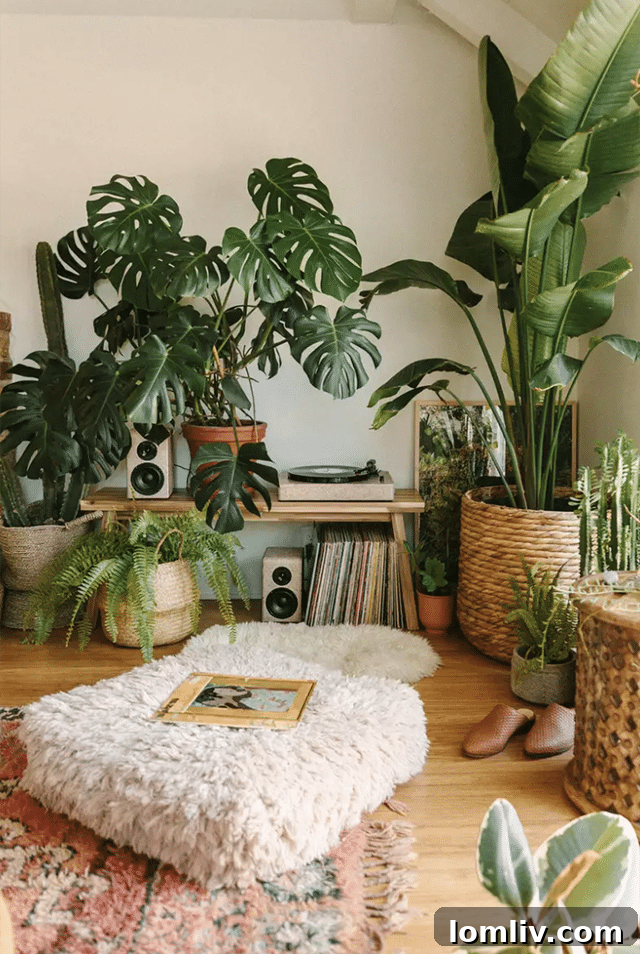
Beyond mechanical purifiers, incorporating certain indoor plants is a natural and aesthetically pleasing way to improve air quality. Plants like English ivy, bamboo palm, snake plant, and spider plants are known for their ability to filter common indoor pollutants. An added bonus of integrating greenery is the immediate visual appeal and the calming effect of bringing the feeling of the outdoors, in. They not only purify the air but also add vibrant life and texture to your sanctuary.
7. Infuse Your Space with Personal Meaning and Authenticity
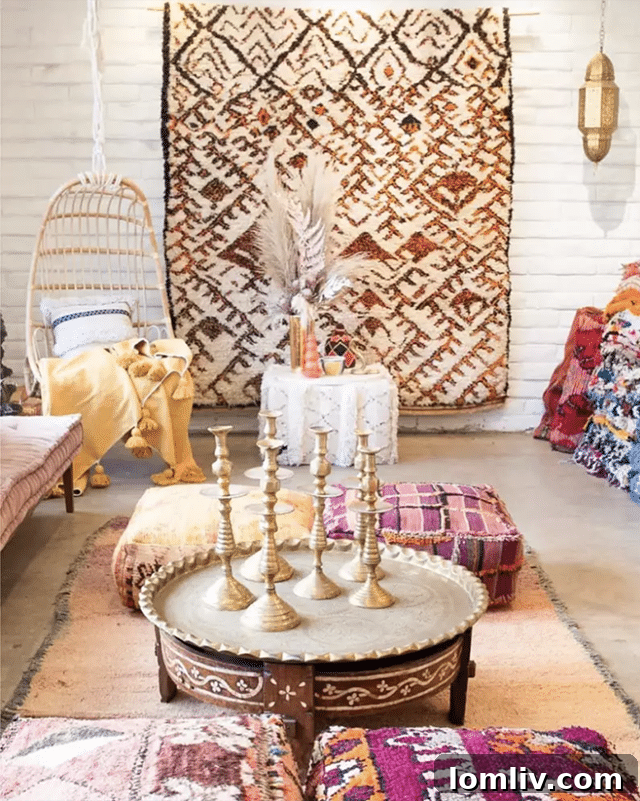
Ultimately, your sanctuary should feel like *yours*. It’s a space that reflects your journey, your aspirations, and what brings you comfort. Incorporate favorite items that hold personal significance, whether it’s a cherished piece of wall art, decorative objects that inspire you, or the softest pillows and rugs that invite relaxation. These personal touches transform a functional space into a deeply meaningful retreat. They ground you in your personal story and create a sense of belonging within the space.
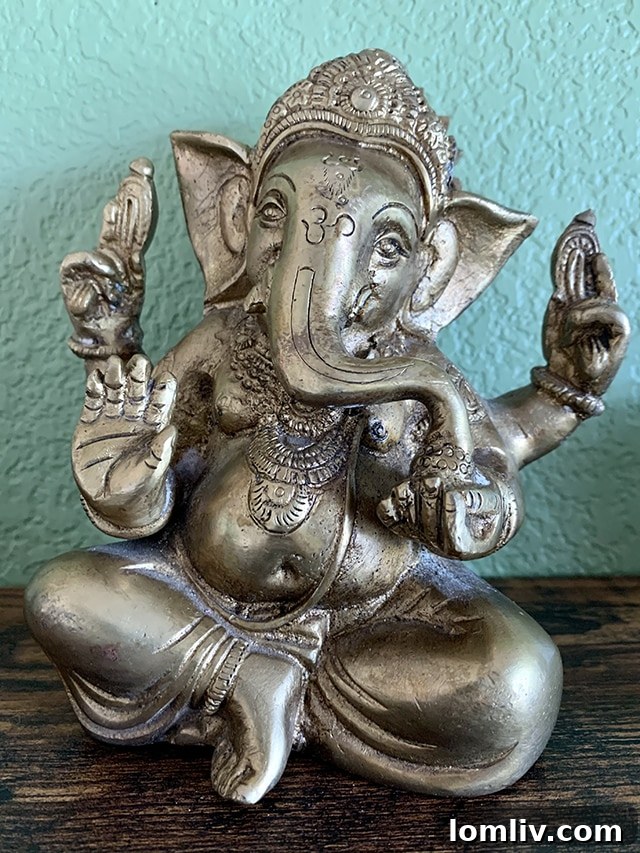
For CeCe, her brass Ganesha statue is a central element. Ganesha, one of the most-worshipped Hindu deities, is revered as the remover of obstacles, the patron of arts and sciences, and the deva of intellect and wisdom. “This little pot-bellied elephant is believed to clear obstacles and pave the way for us to move forward in life,” CeCe explains. “And who doesn’t need that just about now?” Such personal symbols, be they spiritual, artistic, or sentimental, imbue your sanctuary with a unique energy and purpose, making it truly a reflection of your inner world and a powerful aid in your quest for peace.
Your Journey to a More Peaceful Home and Mind
Creating a personal sanctuary isn’t about grand gestures or expensive renovations; it’s about intentional design choices that foster peace, mindfulness, and well-being. By embracing minimalism, inviting nature indoors, selecting calming colors and lighting, engaging your senses with soothing aromas, ensuring fresh air, and infusing the space with personal meaning, you can transform any part of your home into a powerful haven. This dedicated wellness space will not only serve as a refuge from the daily grind but also as a catalyst for deeper self-connection and enduring inner peace. Begin your journey today, and discover the profound impact a serene home environment can have on your life.