The Preston Hollow Pink Wall Saga: Unmasking Hidden Stakes in Dallas’s Real Estate Battle
The affluent Dallas neighborhood of Preston Hollow has long been a beacon of stability and prestige, known for its sprawling estates and tight-knit community. However, a significant controversy has gripped the area, specifically concerning a proposed multi-family development by Transwestern at the intersection of Preston Road and Northwest Highway. This contentious issue, widely referred to as the “fracas Behind the Pink Wall,” has ignited passionate debate among residents and local politicians alike. The metaphorical “Pink Wall” has come to represent the established character of Preston Hollow that many residents fiercely aim to protect from what they perceive as encroaching high-density development. Signs emblazoned with “No” have become ubiquitous throughout Preston Hollow, signaling widespread disapproval of the Transwestern project.
Community Voices and Political Pressure: The Fight for Preston Hollow’s Future
At the heart of this heated dispute are the profound concerns of homeowners regarding the potential for significantly increased traffic congestion along Northwest Highway. Residents living not only in the immediate vicinity but also from as far as Central and Midway Hollow, fear that the proposed development will exacerbate an already strained infrastructure, making daily commutes and local navigation a nightmare. This sentiment has galvanized a powerful coalition of community leaders and former public servants.
Among the most vocal critics is former Dallas Mayor Laura Miller, a prominent resident of Preston Hollow, who has actively campaigned against the project. She, alongside former City Councilman Mitchell Rasansky, also a Preston Hollow resident, has taken a proactive stance. They recently reached out to Jennifer Gates, urging her to find an alternative proxy for City Councilman Lee Kleinman. Their reasoning was explicit: Kleinman, in their view, was not “willing to listen enough” to the legitimate and pressing concerns of the homeowners directly affected by the proposed development. This move highlights the deep-seated frustration and the belief among some community members that their voices are not being adequately heard by their elected representatives. The fight isn’t just about traffic; it’s about the very fabric of the community and the preservation of a lifestyle that many cherish. The links below provide historical context to the initial stages of this enduring debate:
- Initial opposition to the Transwestern multi-family project in Preston Hollow
- Laura Miller’s appeal for a new proxy in the Preston Hollow development debate
A Surprising Revelation: Steve Wolens’ Personal Stake “Behind the Pink Wall”
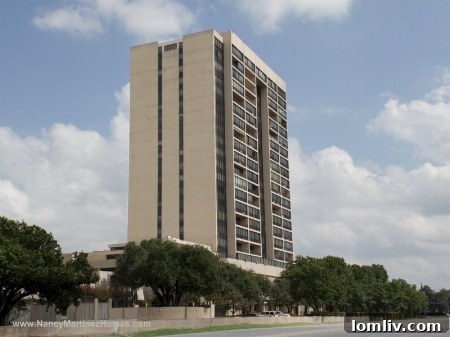
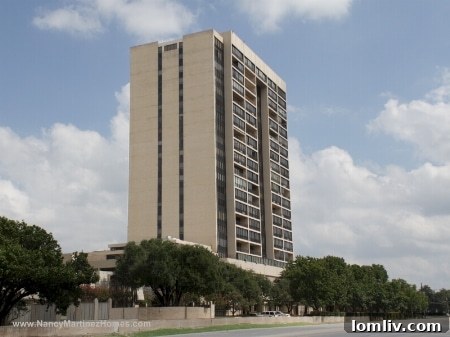
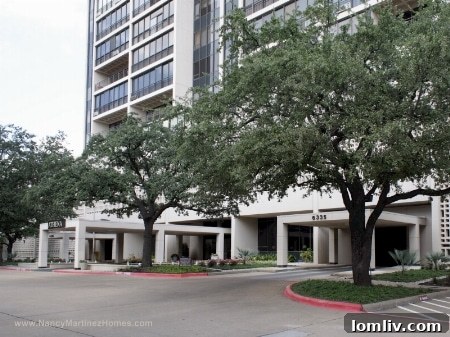
In a surprising twist that adds a fascinating layer to this complex narrative, it has come to light that Steve Wolens, the husband of former Mayor Laura Miller, possesses a direct financial interest in the area. Wolens, who was also a signatory on the pivotal March 25th letter to Councilman Kleinman, advocating for a significant public meeting to address the community’s concerns, owns a unit within The Athena high-rise. This established residential building is situated at 6335 Northwest Highway, firmly positioning it “Behind the Pink Wall” and directly in the shadow of the proposed Transwestern development.
Specifically, Steve Wolens owns unit 1611 at The Athena, a substantial approximately 1,800-square-foot residence. According to records from the Dallas Central Appraisal District (DCAD), this unit is currently valued at $244,100 $408,000. Public records suggest that Wolens has held ownership of this property for a considerable period, acquiring it as far back as 1999. The duration of his ownership prompts questions: was it inherited, or perhaps purchased during an earlier phase of his life? Regardless of the circumstances of its acquisition, this ownership undeniably places the Wolens-Miller household in a position where they have a tangible, personal stake in the outcome of the Transwestern project. This revelation inevitably fuels speculation about the motivations and potential conflicts of interest at play within the ongoing development saga. The property details can be verified through the official DCAD portal:
View Steve Wolens’ property details at DCAD
This development raises important questions about the interplay between personal property interests and public advocacy. Is Wolens’ ownership at The Athena a significant factor? For some, it might indicate a more profound, personal investment in the fate of the properties “Behind the Pink Wall.” If Transwestern’s project proceeds, creating brand-new, luxury multi-family apartments, there is a widely held belief among some residents that it could potentially diminish the value of older, established properties like those in The Athena. This scenario would directly impact owners like Steve Wolens. As a matter of full disclosure, I also own a unit on Averill Way, a property in the general vicinity, and remain genuinely undecided on the best path forward for the community.


The Athena: A Glimpse into Preston Hollow’s Established Residences
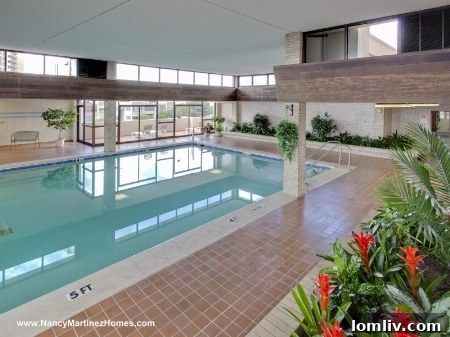
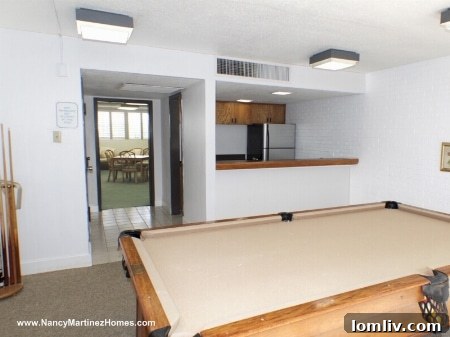
The Athena high-rise, a significant landmark in the Preston Hollow landscape, stands as a testament to an earlier era of luxury living. Constructed in 1966, this venerable building rises 21 floors, encompassing a total of 143 distinct residential units. Its enduring appeal is bolstered by a range of amenities designed for comfort and convenience, including a well-maintained indoor swimming pool and a fully equipped exercise facility. These features contribute to the quality of life enjoyed by its residents, offering a serene escape within the bustling city.
Market analysis of units within The Athena typically shows prices ranging from approximately $200,000 to $400,000, reflecting the diverse sizes and configurations available within the building. Despite its desirable location and amenities, current Multiple Listing Service (MLS) data indicates a notable absence of units available for sale or lease at The Athena, suggesting a high occupancy rate and a strong demand among existing residents to remain in their homes. This scarcity underscores the building’s enduring value and the stability of its community.
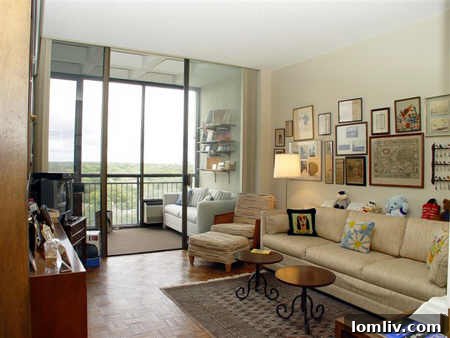
To illustrate the historical market activity, one interior unit on the 10th floor of The Athena was recorded as selling in 2005 for $200,000, which translated to roughly $112.99 per square foot at the time. This historical data provides a benchmark, but the Dallas real estate market has seen significant shifts since then, making the current valuation and the potential impact of new developments particularly relevant. The proposed Transwestern luxury apartments, if built, would introduce a new dynamic to the immediate market, potentially influencing the perceived value and desirability of established properties like The Athena.
The Broader Impact: Property Values and the Character of Preston Hollow
The concern that newer, luxury multi-family developments could negatively impact the value of older, established properties is a common sentiment in rapidly developing urban areas. In Preston Hollow, this concern is particularly acute for those living in buildings like The Athena or single-family homes “Behind the Pink Wall.” The fear is that a surge of modern, high-end units could saturate the market, drawing away potential buyers or renters from existing properties, thereby driving down their market value. This isn’t merely a financial concern; it touches upon the very character and long-term vision for the Preston Hollow community. Residents fear that unchecked development could erode the unique charm and low-density appeal that has historically defined this prestigious Dallas neighborhood. The debate transcends individual property values to encompass the collective identity and future trajectory of Preston Hollow.
Seeking Expert Opinion: What Lies Ahead for Preston Hollow’s Market?
To gain a more objective and professional perspective on these critical real estate dynamics, I have reached out to a highly regarded Dallas appraiser. The key question posed is precisely what impact, if any, the construction of Transwestern’s proposed brand-new multi-family luxury apartments might have on the market value of older properties nestled “Behind the Pink Wall.” Furthermore, I sought an expert opinion on whether such high-density residential developments in this specific location could be considered a sound planning decision or a potential misstep for the community. The insights from such an expert will be crucial in understanding the economic realities that underpin this emotional debate. Stay tuned for their professional assessment, which promises to shed more light on the financial and developmental considerations at stake in this pivotal Preston Hollow controversy.
Understanding Preston Hollow’s Unique Character and Community Investment
Preston Hollow is not just another Dallas neighborhood; it is a community with a rich history, known for its spacious lots, mature trees, and a strong sense of local identity. Residents here are deeply invested, not only financially but emotionally, in maintaining the serene, upscale residential character that attracted them in the first place. The “Pink Wall” metaphor perfectly encapsulates this defensive stance against perceived threats to the neighborhood’s established ambiance. Any development that proposes a significant increase in density or a departure from the existing architectural and demographic norms is met with rigorous scrutiny and often, spirited opposition. This is why the Transwestern project has resonated so deeply, transforming a local zoning application into a symbol of a broader struggle for urban preservation versus modern development.
Traffic Congestion: More Than Just an Inconvenience for Dallas Residents
While often dismissed as a standard complaint, traffic congestion in a major metropolitan area like Dallas carries profound implications. For residents of Preston Hollow, the prospect of increased vehicle volume on Northwest Highway is far more than a minor inconvenience. It represents a potential degradation of their quality of life, leading to longer commute times, diminished safety for pedestrians and cyclists, and increased noise and air pollution. The strategic location of Preston Northwest Highway as a vital artery connecting various parts of Dallas means that any substantial increase in residential density nearby will inevitably strain an already complex transportation network. This critical issue underscores why traffic has become the leading grievance for homeowners, illustrating how urban planning decisions can directly impact the daily lives and long-term well-being of a community.
Navigating the Political Landscape: Dallas City Council and Development
The controversy surrounding the Transwestern development also sheds light on the intricate political landscape of urban development in Dallas. City Council members, such as Lee Kleinman and Jennifer Gates, find themselves in a challenging position, tasked with balancing developer interests, city-wide growth objectives, and the vocal concerns of their constituents. The calls for a new proxy for Kleinman illustrate the community’s desire for representatives who they feel are truly advocating for their specific needs and concerns, particularly when it comes to preserving the integrity of established neighborhoods. The political process, involving zoning changes, public hearings, and council votes, becomes a critical battleground where the future of Dallas neighborhoods is decided, highlighting the power of organized community advocacy in shaping the urban fabric.
The Preston Hollow “Pink Wall” controversy continues to evolve, weaving together threads of community activism, political maneuvering, and significant personal financial interests. The proposed Transwestern development at Preston Northwest Highway has become a focal point for a broader debate about the future of Dallas’s established neighborhoods. As residents, developers, and city officials navigate this complex landscape, the ultimate outcome will not only determine the fate of one specific project but will also set important precedents for urban planning and community engagement across the city. The revelation of personal stakes among key figures adds yet another intriguing dimension to this already compelling narrative, reminding us that in real estate, as in life, there are often more layers than initially meet the eye. The future of Preston Hollow, and the integrity of its “Pink Wall,” hangs in the balance.