

The Future of the Lakewood Theater: A Dallas Icon at a Crossroads
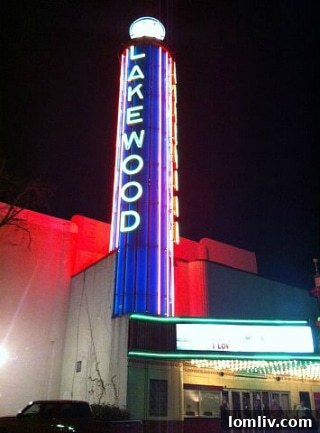
The venerable Lakewood Theater, a cherished landmark in the heart of East Dallas, finds itself at a pivotal moment. For decades, this iconic venue has stood as a beacon of culture and entertainment, its distinctive Art Deco facade gracing Abrams Parkway. Since its doors closed and the last tenant’s lease concluded at the end of January, speculation has swirled around its future. As we reported earlier this year, a promising suitor emerged: the renowned Alamo Drafthouse Cinema. While negotiations have advanced significantly, two formidable obstacles now threaten to derail the deal, potentially altering the fate of this historic Lakewood Theater forever.
A Glimpse into the Lakewood Theater’s Storied Past
Built in 1938, the Lakewood Theater is more than just a building; it’s a living piece of Dallas history. Its striking Streamline Moderne architecture, an iconic example of the Art Deco era, has captivated generations of moviegoers and patrons. For nearly eighty years, it served as a cultural anchor for East Dallas, hosting film premieres, live performances, and community events. Many locals hold cherished memories within its walls, from first dates to family outings, making its preservation a matter of deep sentimental value for the community.
Despite its undeniable historical and architectural significance, the Lakewood Theater regrettably lacks any official historic designation or protection. This critical detail leaves its interior vulnerable to significant alterations, or even complete reconfiguration, should a deal with a preservation-minded tenant not materialize. Property co-owners Craig Kinney and Bill Willingham of Willingham-Rutledge have openly expressed their commitment to maintaining the iconic marquee intact, a small but important promise to the community. However, the expansive interior presents a different challenge. The absence of protective covenants means that if the current negotiations with Alamo Drafthouse fall through, the owners retain the option to divide the space into multiple, smaller commercial units, irrevocably changing its character and original purpose. As Kinney remarked back in November, during earlier discussions about potential changes, “We have other options that may involve carving up the space. We just don’t know yet.” This statement underscores the delicate balance between commercial viability and historical preservation that defines the theater’s current predicament.
Alamo Drafthouse: A Beacon of Hope for Historic Venues
The emergence of Alamo Drafthouse Cinema as a potential tenant brought a wave of optimism to those hoping to see the Lakewood Theater retain its cinematic spirit. Alamo Drafthouse is renowned for its unique approach to moviegoing, combining first-run films, independent features, and classic screenings with an exceptional dining and beverage service delivered directly to patrons’ seats. Beyond its innovative business model, Alamo Drafthouse has a strong track record of revitalizing historic theaters, breathing new life into forgotten gems while respecting their heritage. Their successful restoration of the Ritz Theater in downtown Austin stands as a prime example of their capability and commitment to preserving cinematic history. This experience positions them as an ideal candidate to steward the Lakewood Theater, offering not just a new business but a continuation of its legacy as a vibrant entertainment hub.
Property co-owners Kinney and Willingham have engaged with numerous businesses and restaurant groups exploring various concepts for the 1825 Abrams Pkwy location. Among all the contenders, Alamo Drafthouse consistently proved to be the most promising, aligning best with the vision of maintaining the venue as a theater. Their interest sparked genuine excitement, promising a future where the grand old building would once again host audiences, albeit with a modern twist that includes gourmet food and craft beer. However, even with the shared vision and Alamo’s proven expertise, two critical issues have emerged that are now threatening to bring these promising negotiations to a standstill, putting the theater’s future as a single, cohesive entertainment venue in serious jeopardy.
Navigating the Hurdles: Parking and Rent
The path to securing Alamo Drafthouse as the Lakewood Theater’s next tenant is currently obstructed by two significant and intertwined challenges: the chronic issue of parking in the bustling East Dallas area, and a considerable disparity in rent expectations.
The Persistent Parking Predicament in East Dallas
Anyone familiar with the Lakewood neighborhood, especially on a busy evening, can attest to the formidable challenge of finding a parking spot near the theater. The area is known for its vibrant atmosphere, drawing crowds to its local businesses and eateries, which consequently strains the existing parking infrastructure. For a business like Alamo Drafthouse, which anticipates attracting a large number of patrons for multiple screenings daily, adequate parking isn’t merely a convenience; it’s a fundamental operational requirement. To address this, Alamo Drafthouse has stipulated the need for an additional 150 parking spaces to alleviate the current congestion and accommodate their projected customer base. The crucial question, however, is where these spaces would materialize.
Several solutions have been explored, each presenting its own set of complications. One potential site considered for a new parking garage is a lot near the Faulkner Tower, situated close to Gaston Avenue and Paulus Avenue. While geographically convenient, reports from Kinney indicate that discussions regarding this option have not yielded fruitful results. Another alternative is the existing garage at Lakewood Towers. However, this location is a three-to-four-minute walk from the theater, a distance that might be perceived as too great for many patrons, particularly those navigating inclement weather or simply disinclined to walk a significant distance, perhaps even in “Jimmy Choos,” as one might humorously suggest.
Adding to the complexity is the community’s historical stance on parking development. Just a few years ago, Willingham-Rutledge faced strong opposition from Lakewood neighbors when they attempted to construct a smaller, 60-space, two-level parking garage adjacent to the theater. Residents voiced concerns about increased traffic, noise, and the potential alteration of their neighborhood’s aesthetic. Given this precedent, the prospect of gaining community approval for an even larger, 150-space parking facility appears to be a significant uphill battle, highlighting the intricate balance between business needs and community preservation desires.
The Financial Impasse: Rent Negotiations
Beyond the logistical nightmare of parking, the financial terms of the lease agreement present the second major impediment to the Alamo-Lakewood partnership. The rent offered by Alamo Drafthouse is reportedly “quite a bit below” the expectations of Willingham-Rutledge. This gap in financial valuation has created a significant hurdle in the negotiations, prompting concerns about the commercial viability of the proposed deal from the property owners’ perspective. Craig Kinney, reflecting on the situation, conveyed to the Advocate, “We have talked to a number of theaters and theater uses, but Alamo was the most promising… We’re always hopeful someone will come back to the table, but I’m not aware of another serious prospect at this point.” This statement underscores the unique position Alamo Drafthouse holds as the leading contender and the difficulty in finding a comparable alternative.
Despite the lower rent offer, Alamo Drafthouse is not without its own compelling arguments. As Alamo DFW COO Bill DiGaetano explained, their proposal includes a crucial commitment: Alamo would undertake all necessary improvements and renovations to the historic structure entirely at their own expense. This is a significant factor, as revitalizing a building of the Lakewood Theater’s age and historical character often involves substantial costs, including specialized restoration work, updating antiquated systems, and ensuring compliance with modern building codes. For the property owners, this aspect could represent a considerable saving in capital expenditure, making the lower rent offer more palatable when viewed in conjunction with the tenant’s willingness to invest heavily in the property’s upkeep and modernization. The question then becomes whether the long-term benefits of a committed, self-funded tenant outweigh the immediate desire for a higher rental income.
Stakeholders and the Broader Community Impact
The ongoing negotiations for the Lakewood Theater reverberate through various segments of the East Dallas community, each with distinct perspectives and stakes in the outcome.
Property Owners: Balancing Legacy and Enterprise
For Craig Kinney and Bill Willingham, the property co-owners, the situation is a complex blend of preserving a community landmark and making sound business decisions. While they have expressed a desire to maintain the marquee and find a tenant that honors the theater’s legacy, their primary responsibility is to ensure the commercial viability of their asset. An empty building generates no income and incurs ongoing costs. Their willingness to consider “carving up the space” if a single-tenant deal doesn’t materialize underscores the pragmatic realities of property ownership. They seek a stable, long-term tenant who can not only pay acceptable rent but also contribute to the building’s upkeep and the neighborhood’s vibrancy.
Alamo Drafthouse: A Vision for Revival
Alamo Drafthouse, through Bill DiGaetano, articulates a clear vision for the Lakewood Theater: to restore it to its former glory as a premier entertainment venue, enhanced by their unique cinematic experience. Their interest is not purely commercial; it’s also rooted in a passion for historic theaters. They understand the immense cultural value the Lakewood Theater holds for Dallas. Their strategy of offering lower rent in exchange for covering all improvement costs demonstrates a long-term investment perspective, indicating a commitment to the site that extends beyond mere tenancy. They aim to create a destination that benefits both their business and the community.
The East Dallas Community: Preserving a Cultural Heartbeat
The residents of East Dallas and preservationists represent a powerful voice in this dialogue. For them, the Lakewood Theater is more than just a building; it’s a cultural heartbeat, a symbol of their neighborhood’s rich history and unique character. The thought of it being subdivided into generic retail spaces is deeply concerning. They envision a future where the theater continues to serve as a communal gathering place, maintaining its architectural integrity and contributing to the area’s distinct identity. Their past resistance to development, such as the proposed parking garage, highlights their active engagement and strong desire to shape the future of their beloved neighborhood.
The broader economic and cultural impact on East Dallas is significant. A revitalized Lakewood Theater, under the stewardship of Alamo Drafthouse, could serve as a powerful economic engine, drawing visitors, stimulating local businesses, and enhancing property values. Conversely, a prolonged vacancy or an uninspired redevelopment could detract from the area’s appeal and represent a lost opportunity for cultural enrichment. This negotiation is therefore not just a private business deal; it’s a decision that will profoundly influence the urban fabric and cultural landscape of East Dallas for years to come.
The Path Forward: Uncertainty and Opportunity
As negotiations continue, the future of the Lakewood Theater hangs in a delicate balance. The challenges of parking and rent are substantial, demanding creative solutions and a willingness to compromise from all parties involved. For now, Alamo Drafthouse remains engaged in discussions, hopeful that common ground can be found. Their commitment to exploring parking options and their offer to shoulder renovation costs demonstrate a genuine desire to make the project work. However, as Kinney noted, other serious prospects for the entire space are scarce, amplifying the importance of these ongoing talks.
The ultimate outcome will be a testament to how East Dallas navigates the intricate relationship between historical preservation, urban development, and commercial viability. Will the iconic Lakewood Theater once again become a vibrant single-screen cinema, echoing with laughter and applause, or will it be transformed into a different, perhaps less evocative, multi-purpose complex? The community holds its breath, hoping for a resolution that honors the past while securing a dynamic future for one of Dallas’s most beloved landmarks.
What would you like to see happen with the Lakewood Theater? The conversation continues, and the community’s voice is crucial in shaping the next chapter for this treasured East Dallas institution.