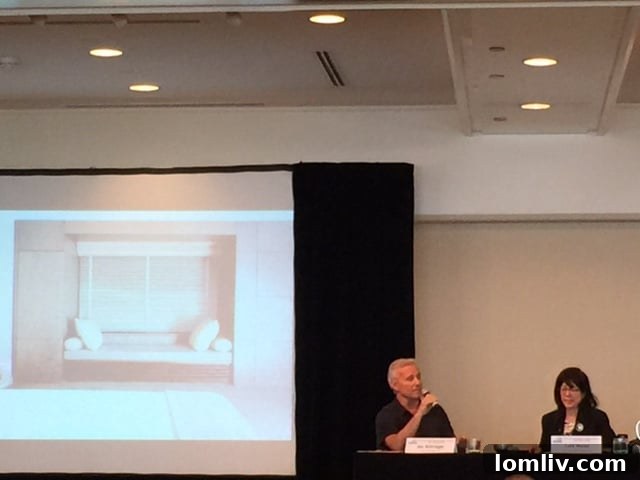
Ian Schrager: The Visionary Behind the Modern Hotel Experience
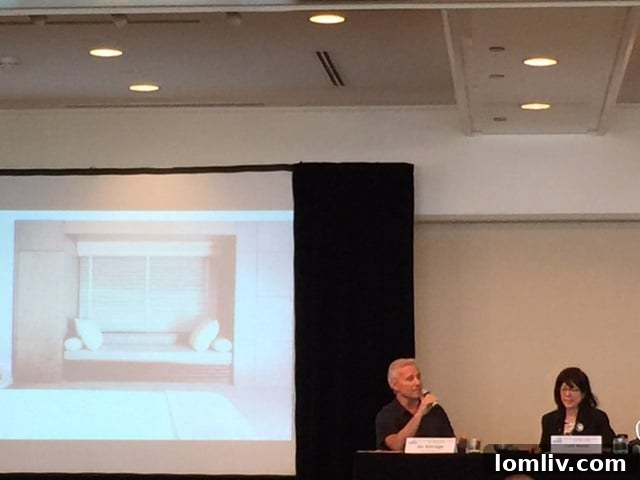
In the competitive landscape of global travel, one name consistently emerges as a trailblazer: Ian Schrager. Known for his legendary impact, first on New York City’s nightlife with the iconic Studio 54, Schrager pivoted to revolutionize the hospitality industry. His profound philosophy asserts that a hotel’s purpose transcends merely providing a bed; it must deliver an unequivocally elevated, immersive, and unforgettable experience for every guest. This vision has not only shaped countless properties but has also fundamentally redefined what travelers expect from modern accommodations.
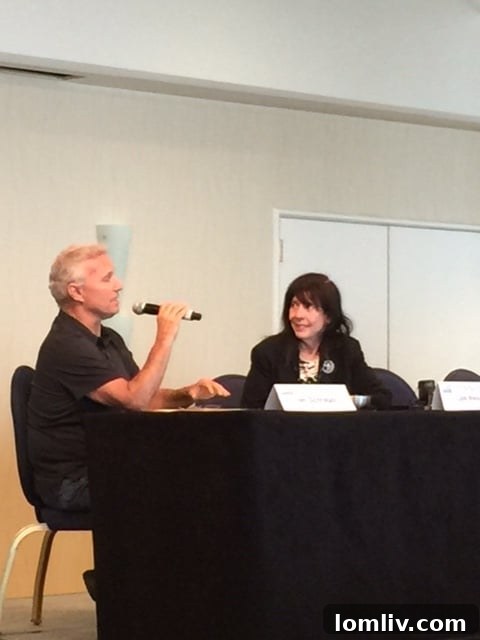
Schrager’s unique perspective, often delivered with a distinct Brooklyn/New York accent and a deep, resonant voice reminiscent of a bygone era, captivates audiences. His insights are born from a lifetime of understanding what truly excites and engages people, a sensibility he attributes to “too many nights in a nightclub.” This intimate understanding of human desire for connection, excitement, and novel experiences became the bedrock of his transformative approach to hotels.
From Nightlife Legend to Boutique Hotel Pioneer
Schrager’s entry into the hotel business, by his own admission, was somewhat serendipitous. Following the immense success of Studio 54 with his partner Steve Rubell, and a subsequent encounter with the IRS, the duo ventured into another groundbreaking nightlife endeavor with the Palladium nightclub. However, it was in 1984 that they truly made history, introducing the world to the “boutique hotel” concept with The Morgans Hotel in New York. This marked a seismic shift in hospitality, moving away from conventional, uniform accommodations towards properties defined by distinctive design, intimate atmosphere, and personalized service. Nights at an inn, as Schrager and Rubell envisioned them, were never to be the same again.
The Morgans wasn’t just a hotel; it was a statement. It was a rejection of the impersonal, mass-produced hotel experience, offering instead a curated environment that felt exclusive and deeply stylish. This pioneering spirit laid the groundwork for an entire industry segment, proving that travelers craved more than just amenities – they sought identity, character, and an experience that resonated with their personal style. Schrager’s knack for creating spaces that felt both luxurious and incredibly cool established him as a visionary whose influence continues to ripple through the design and operational philosophies of hotels worldwide.
Defining New Hospitality Paradigms: Urban Resorts and Lifestyle Hotels
Schrager’s innovative streak didn’t stop with the boutique hotel. He is widely credited with coining and developing the “Urban Resort” concept, famously exemplified by the Delano Hotel in Miami and the Mondrian Hotel in West Hollywood. These properties blurred the lines between city hotel and leisure resort, offering a sophisticated escape within an urban setting, complete with vibrant social scenes, exquisite dining, and often, stunning pool areas that felt like an oasis. They became destinations in their own right, attracting both locals and travelers seeking a dynamic, integrated experience.
Further pushing the boundaries, Schrager also championed the “hotel as lifestyle” philosophy. This approach transformed hotels into extensions of their guests’ lives, acting as social hubs, cultural centers, and aspirational environments. Iconic examples include the Hudson Hotel in New York, the Clift Hotel in San Francisco, St. Martins Lane Hotel, and the Sanderson Hotel in London. Each property was meticulously designed to reflect a distinct aesthetic and vibe, becoming a reflection of its locale and appealing to a discerning clientele who viewed travel not just as a journey, but as an integral part of their personal brand and lifestyle. Tragically, Schrager lost his pioneering partner, Steve Rubell, to AIDS in 1989, but his commitment to innovation remained unwavering, solidifying his enduring legacy.
The Evolution of Experience: Organic Concepts Meet Smart Technology
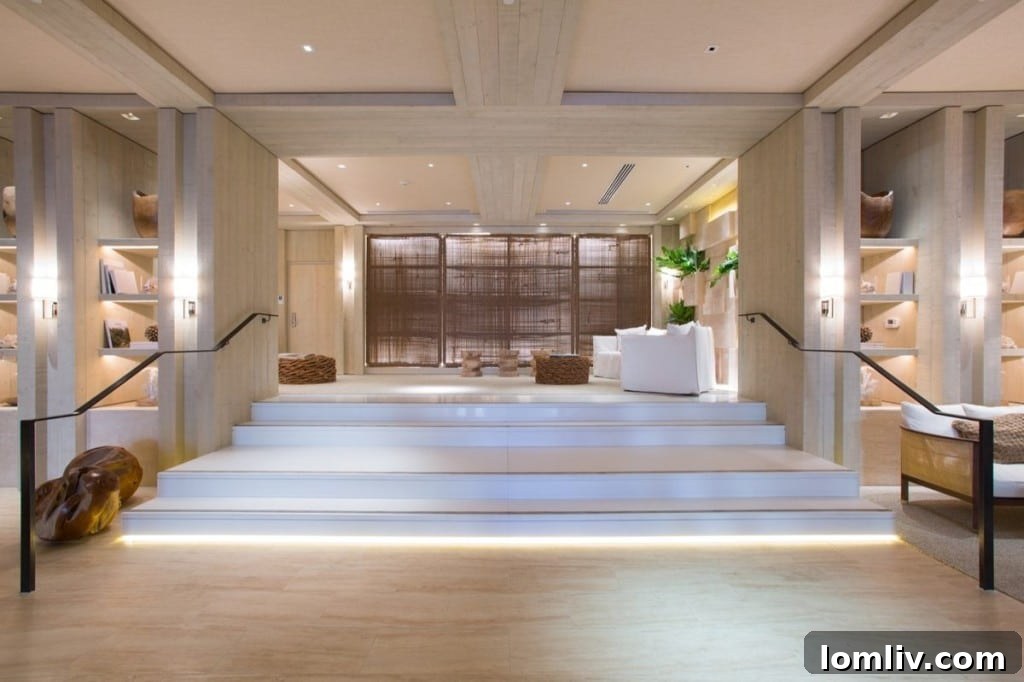
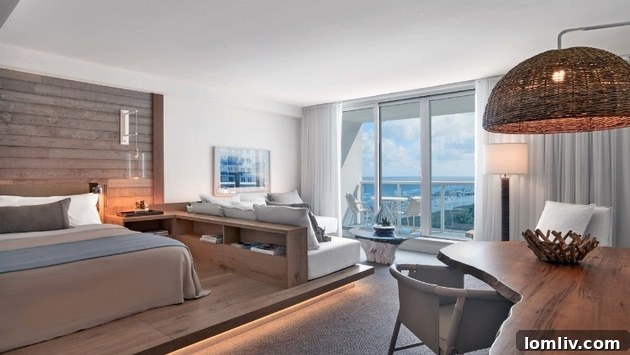
While Schrager has focused intensely on design and experience, the modern hospitality landscape continues to evolve. A prime example of this ongoing evolution can be found in properties like the “1 Hotel South Beach,” an organic concept pioneered by W and St. Regis brand guru Barry Sternlicht. This stunning hotel, which seamlessly blends sustainable design with a distinctly modern, sexy aesthetic, showcases how contemporary luxury can embrace environmental consciousness without sacrificing style or comfort. With its organic wooden platforms serving as bed bases, the “1 Hotel” caters to a clientele that appreciates both elegance and ecological responsibility, embodying a vibrant spirit that is definitely not for the “aging in place gen,” but rather for those who still embrace life with vigor.
The transformation of the “1 Hotel & Homes South Beach” is a compelling narrative in itself. Originally built in the 1960s as the Roney Palace (on the site of the former Roney Plaza), and later rebranded as the Gansevoort, the property underwent its most ambitious metamorphosis yet. Starwood Hotels meticulously re-engineered the massive structure, designed originally to be an energy guzzler, into a far more sustainable and efficient machine. This complex undertaking involved a radical rework of the entire building, showcasing a commitment to both innovative design and environmental stewardship, much to the anticipation of Miami’s real estate and tourism watchers.
Schrager, while not explicitly discussing organic concepts in the same vein, is a staunch advocate for technology. He firmly believes that any business, especially in the hotel sector, that neglects technology today is destined for obsolescence. His focus is on leveraging innovation to genuinely “improve the quality of a person’s stay.” This, however, presents a significant and delicate balance: technology must enhance the consumer experience, not frustrate it. He acknowledges the potential for technology to overwhelm guests, particularly those who prefer simpler interactions, highlighting the critical need for intuitive, seamless integration. Schrager emphasizes that contemporary travelers, irrespective of age, crave excitement, seek enjoyment, and fundamentally reject the idea of staying in a place that feels like their “grandmother’s hotel.” (For many, this might conjure images of modest stays at places like HoJo’s or The Holiday Inn – a far cry from the vibrant experiences Schrager champions).
The Pillars of Excellence: Service, Value, and Strategic Growth
Beyond design and technology, Schrager underscores the immutable importance of exceptional service and compelling food and beverage concepts. These elements are not mere add-ons but paramount components of the overall guest experience. “I want to add technology to enhance the stay and services,” Schrager articulates, making it clear that these two crucial aspects are “not mutually exclusive.” He constantly strives to “provide enhancing concepts but a value proposition,” understanding that true luxury balances innovation with perceived worth.
In a world where prime real estate, particularly in a city like New York, can command astronomical prices—with a recent site reportedly selling for $250 million—Schrager’s strategic vision for expansion is keenly focused. He is actively exploring opportunities in emerging and established markets, including the North Beach section of Miami Beach and St. Petersburg, Florida. His keen eye for market ripeness extends internationally, with plans to introduce four new additions across dynamic regions such as China, Bangkok, and India. “I think the South Florida market is very ripe,” he observes, asserting that “Miami is no longer a getaway for the northeast, it’s a world-class city,” underscoring its sophisticated appeal and growing global significance.
Ultimately, Schrager’s enduring success stems from his unwavering commitment to creating a truly unique and distinctive product. While he admits a preference for staying “closer to home because I like to control every single detail,” his entrepreneurial spirit is always on the lookout for compelling opportunities. “But if something is interesting and sexy, I’d go there,” he concludes, a testament to his continued passion for innovation and his relentless pursuit of the ultimate hotel experience.