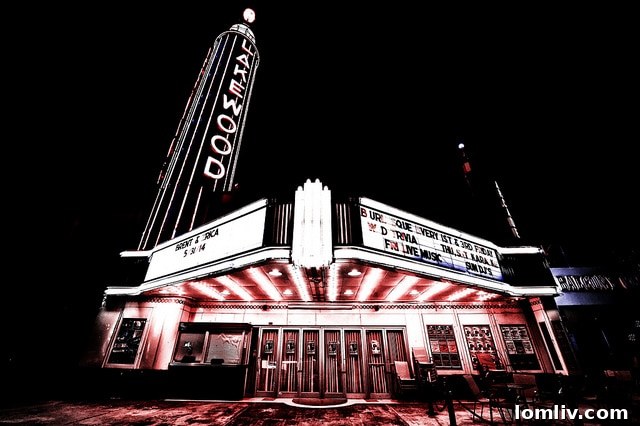
Lakewood Theater: A Dallas Icon’s Grand Preservation Achievement
The spirit of preservation in Dallas shines brightly with the recent announcement of the 2020 Preservation Achievement Awards from Preservation Dallas. These esteemed awards serve a crucial role, recognizing outstanding contributions across a diverse spectrum of projects, from revitalized residential and commercial properties to the tireless efforts of individuals and organizations championing our city’s heritage. This year, seventeen remarkable projects received accolades, each telling a unique story of dedication to Dallas’s rich architectural and cultural past. Among these distinguished recipients, one stands out as a true testament to community passion and visionary adaptive reuse: the legendary Lakewood Theater, an undisputed East Dallas icon.
For decades, the Lakewood Theater has been more than just a building; it’s been a cornerstone of the East Dallas community, a place where generations gathered to share cinematic experiences and create lasting memories. Its distinctive Art Deco architecture, dating back to 1938, makes it an architectural jewel, a tangible link to a bygone era of glamour and innovation. However, like many historic structures, the theater faced an uncertain future, prompting a collective outpouring of concern and a desire to see its legacy continue. This deep community connection and the challenges of modernizing a historic space make its recent transformation a story of triumph, celebrated wholeheartedly by its neighbors and preservationists alike.
From Silver Screen to Striking Lanes: The Lakewood Theater’s Resilient Revival
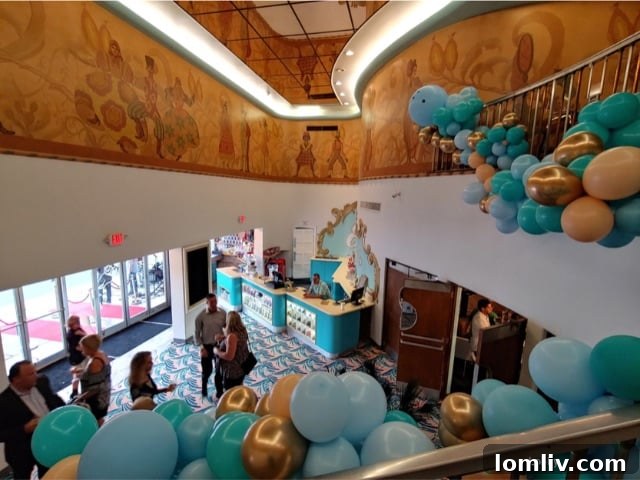
Those who have followed the long and often emotional journey of the 1938 Art Deco Lakewood Theater understand the profound significance of its recent revitalization. Its transition from a beloved cinema to a vibrant entertainment complex was a saga punctuated by community advocacy, careful planning, and ultimately, an inspiring success story. The longed-for happy ending became a reality thanks to the unwavering vision of neighborhood residents Craig and Jennifer Spivey. Under their dedicated stewardship, the theater was brilliantly resurrected as Bowlski’s, a modern bowling alley and dynamic entertainment center that respectfully honors its historic roots.
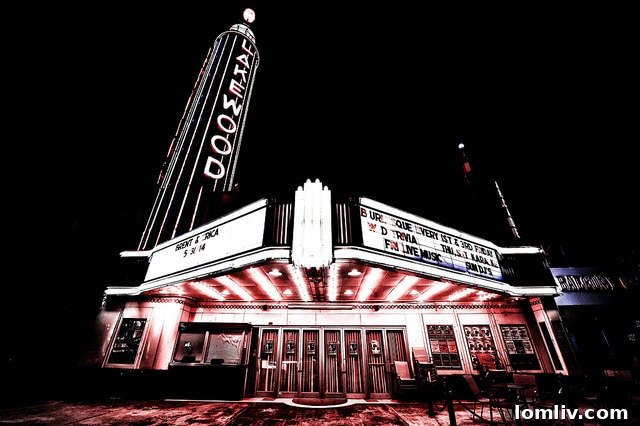
This remarkable undertaking has not gone unnoticed. Last year, the exterior of the Lakewood Theater received a well-deserved preservation award, recognizing the meticulous work that safeguarded its iconic Art Deco facade. This year, the focus shifted inward, and the interior spaces of this magnificent building have been crowned a winner. And what a magnificent transformation it is! The Spiveys’ commitment to retaining the theater’s unique character while introducing new life has set a benchmark for adaptive reuse projects across the city, proving that historic preservation can seamlessly integrate with contemporary entertainment needs.
Step Inside History: Experiencing Bowlski’s at the Lakewood Theater
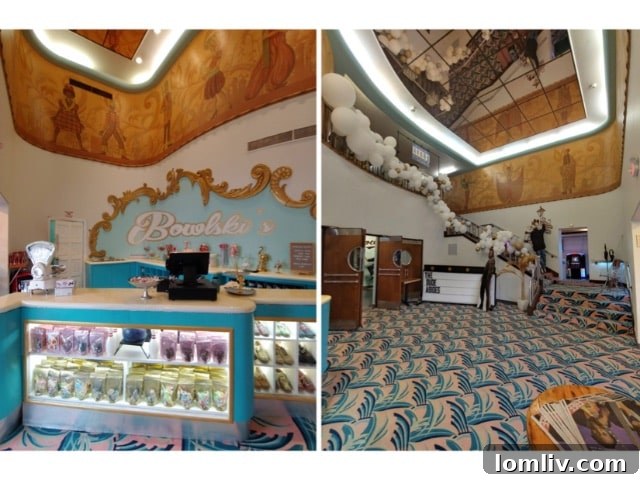
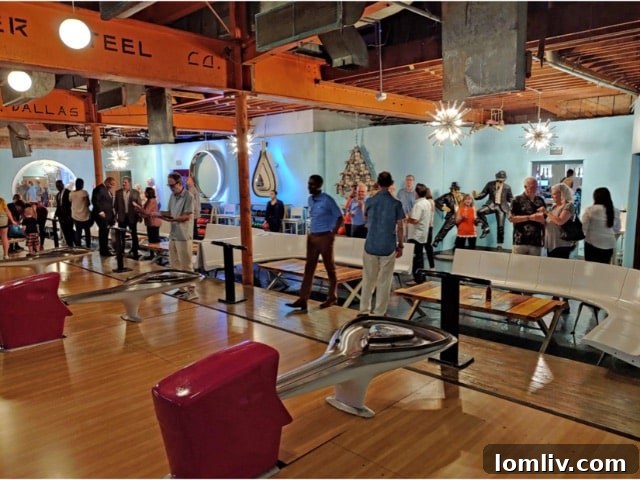
If you’ve never had the pleasure of stepping inside this historic building, do yourself an immense favor and plan a visit to Bowlski’s. Even if bowling isn’t your game, there’s an abundance of captivating experiences awaiting you. Ascend to the upper level where you’ll find comfortable seating and inviting pool tables, offering a relaxed alternative to the lanes below. Or, make your way to the distinctive Projector Bar, a cleverly reimagined space that pays homage to the theater’s cinematic past. Here, you can grab a refreshing drink and immerse yourself in the ambiance, surrounded by walls that whisper tales of yesteryear.
The true artistic treasures of the Lakewood Theater’s interior are undoubtedly the legendary murals that adorn its walls. These vibrant, whimsical artworks feature beloved characters like Mickey Mouse, Donald Duck, and Betty Boop, rendered with a timeless charm that continues to captivate visitors. These aren’t just decorative elements; they are significant pieces of regional art history, skillfully created by local artist Perry Nichols. Nichols was a prominent member of the famous Dallas Nine, an influential group of artists who made an indelible impact on the burgeoning art scene in Texas during the 1930s and early 1940s. Their collective work helped shape the identity of Texas art, and Nichols’ contributions within the Lakewood Theater stand as a celebrated example of this artistic movement. The preservation of these murals ensures that this vital piece of Dallas’s artistic heritage remains accessible and inspiring for future generations.
Preserving the Past, Building the Future: A Landmark Transformation
The journey to safeguard the Lakewood Theater began in earnest when it was officially designated a City of Dallas Landmark in 2016. This critical designation provided essential protection for the building’s iconic exterior and, crucially, for the original, irreplaceable murals located in its lobby. This landmark status ensured that any future development would respect and maintain the theater’s historical integrity, laying the groundwork for the sensitive transformation that would follow. The road from a traditional movie house to a modern bowling alley and multifaceted entertainment space was indeed long and filled with intricate challenges, but the Spiveys, alongside their dedicated team, executed an outstanding job that exceeded expectations.
Their approach was commendable: they meticulously retained the expansive openness and grandeur of the original theater space, a key architectural characteristic that contributes to its unique charm. Within this historic shell, they skillfully inserted new uses, ensuring that every modification honored the historic fabric of the building rather than detracting from it. This delicate balance of preservation and innovation was far from easy, requiring creative solutions and a deep understanding of historical architecture. David Preziosi, the Executive Director of Preservation Dallas, eloquently summarized some of the ingenious methods employed during this challenging yet rewarding renovation:
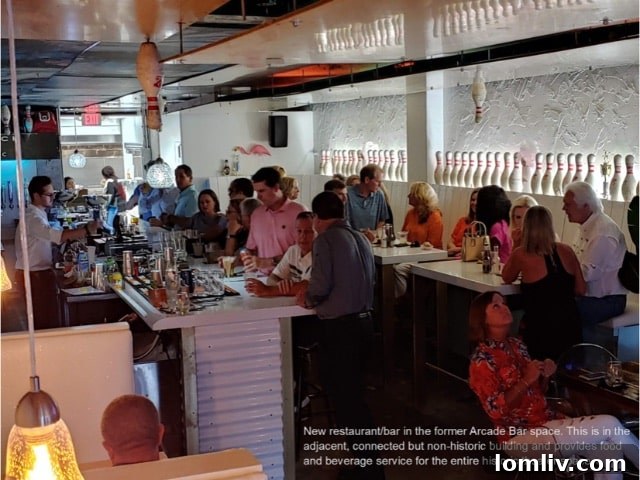
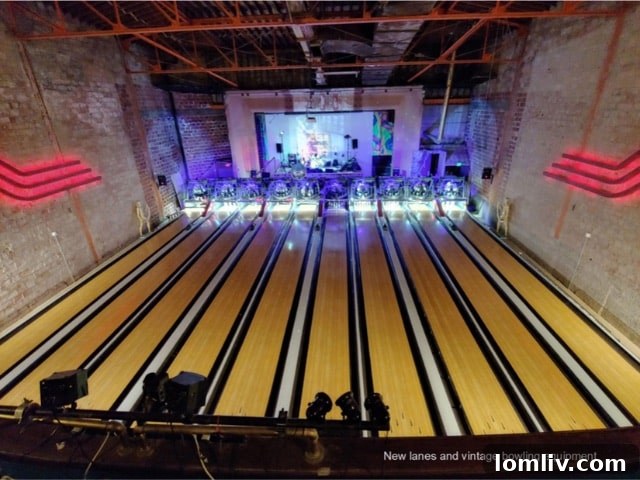
One of the most significant architectural feats involved adapting the theater’s sloped floor, traditionally designed for optimal movie viewing, to accommodate level bowling lanes. This was achieved not by demolishing the original structure but by ingeniously building a new, flat subfloor directly over the existing slope, thus preserving the original gradient beneath. To further enhance the authenticity and charm of the bowling experience, vintage equipment was thoughtfully salvaged and repurposed from a classic bowling alley located in Mineola, breathing new life into these historic components. The original balcony, a hallmark of the theater’s design, was also carefully kept intact, with new structures built atop it to create comfortable seating areas and spaces for pool tables, offering elevated views of the vibrant activity below. Even the original projection room, a nostalgic nod to the theater’s past, has been brilliantly converted into a unique and intimate bar, adding another layer of historical intrigue for visitors.
Crucial to these preservation efforts was the instrumental role played by local architect Norman Alston. As the lead architect for the Bowlski’s improvements, Alston brought a wealth of expertise and a profound respect for historical architecture to the project. His insights into the transformation were integral to the award nomination, highlighting the careful consideration given to every detail. Alston shared key aspects of the design philosophy:
“The historic stage and proscenium, which once framed the cinematic screen, were meticulously retained. This ensures that movies and videos can still be shown on a new, modern screen, allowing for continued cinematic events within the refreshed space. Following the necessary abatement work, the ceilings and walls were intentionally left unfinished, revealing the striking brick walls and the robust, large steel support beams. This design choice not only celebrates the building’s industrial character but also provides a raw, authentic aesthetic. Crucially, the original lobby, with its grand entrance and historical charm, was kept entirely intact, preserving the immediate sense of stepping into a cherished landmark. A testament to foresight in preservation, the bowling alley space has been designed for easy reversibility, offering flexibility should a future tenant ever wish to return the space to its former use as a traditional theater.”
A Community Embrace: The Enduring Impact of Lakewood Theater’s Revival
As a proud resident of the East Dallas neighborhood, I can personally attest to the overwhelming thrill and profound sense of gratitude felt by the entire community for the Spiveys’ incredible achievement. Their unwavering dedication has successfully resurrected the iconic Lakewood Theater, ensuring its continued presence as a vibrant cultural and social hub for generations to come. The transformation into Bowlski’s has created a unique destination that appeals to everyone, regardless of whether they consider themselves avid bowlers or not. The atmosphere is infectious, the blend of history and contemporary fun is perfectly balanced, and it’s truly heartwarming to witness how this once-at-risk landmark has become a bustling, beloved gathering place once again. Even those of us who have never rolled a single strike are finding ourselves spending a considerable amount of time there, enjoying the camaraderie, the historical ambiance, and the excellent entertainment options.
The story of the Lakewood Theater’s preservation is a powerful reminder of what can be achieved when passion, vision, and community support converge. It underscores the vital importance of organizations like Preservation Dallas, which work tirelessly to identify, protect, and celebrate the historical treasures that define our city’s character. Their annual Preservation Achievement Awards are not just ceremonies; they are celebrations of collective effort, ingenuity, and a shared commitment to safeguarding Dallas’s invaluable heritage. These awards inspire future preservationists and demonstrate the economic, cultural, and social benefits of adaptive reuse and thoughtful restoration.
Support Preservation: Become Part of Dallas’s Historical Legacy
Witnessing the triumph of the Lakewood Theater makes this an exceptionally opportune moment to become an active member of Preservation Dallas. By joining this dedicated organization, you directly contribute to their ongoing mission of protecting and promoting the architectural and cultural heritage of Dallas. Membership provides an opportunity to support vital initiatives, participate in community events, and connect with fellow enthusiasts who share a passion for our city’s past. Furthermore, you’ll have the chance to attend the highly anticipated awards ceremony in a few months, where you can personally celebrate the achievements of individuals and projects like the Lakewood Theater that are shaping the future of preservation in Dallas. Your involvement ensures that more of our city’s cherished landmarks receive the care and attention they deserve, allowing their stories to continue for generations to come.