Navigating the Texas Housing Affordability Crisis: Expert Insights and Future Outlook
The aftermath of the housing market bubble burst left a complex landscape, raising critical questions about which markets rebounded fastest, the implications for affordable housing, and the policy changes needed to address persistent challenges. Texas, a state known for its booming economy and rapid population growth, finds itself at the forefront of these discussions. Understanding the dynamics of its housing market is crucial for residents, policymakers, and real estate professionals alike.
Recently, a pivotal conference on affordable housing in Texas, hosted at the Federal Reserve Bank of Dallas, brought together leading experts to dissect these pressing issues. Their insights shed light on the economic forces at play and the potential paths forward to ensure housing remains accessible for all Texans.
The Evolving Landscape of the National Housing Market
John Duca, Vice President of the Dallas Fed, initiated the discussion with a comprehensive overview of the national economy. He highlighted a backdrop of inflation nearing target rates, interest rates that were low but gradually normalizing, and output close to the U.S. potential. Within this economic environment, Duca framed the national affordability picture, examining general patterns in housing activity, demand and supply factors, potential policy options, and overall housing affordability.
Post-Bubble Recovery and Current Conditions
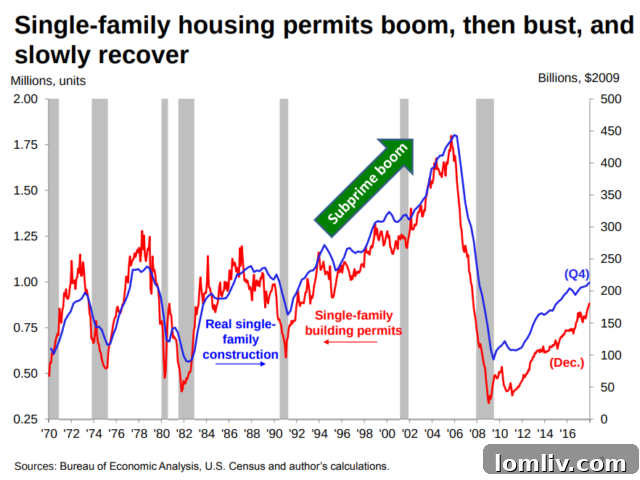
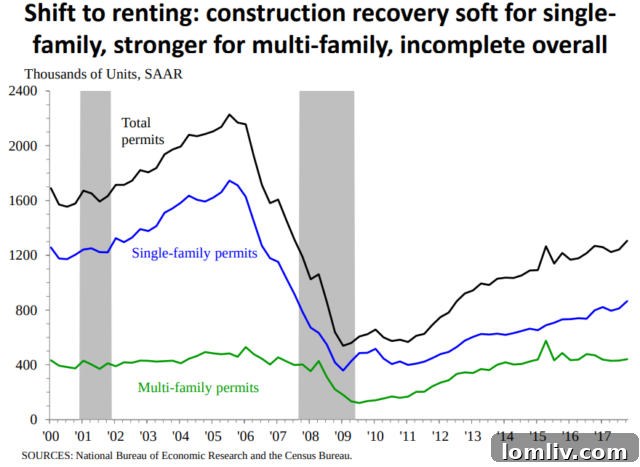
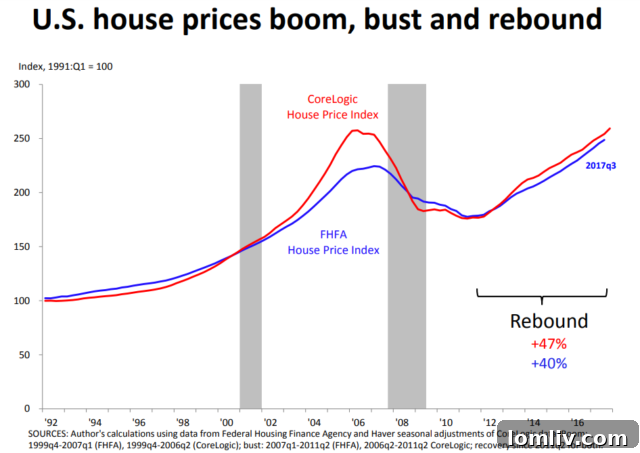
Duca pointed out a striking paradox: while U.S. housing prices have experienced a significant boom, the recovery in new-home construction has noticeably lagged behind the robust sales of existing homes. This deviation from historical norms, where higher prices for existing houses typically stimulate new construction, suggests underlying systemic issues. Multi-family construction, in contrast, saw a stronger recovery around 2013, indicating a shift in development priorities and market demand.
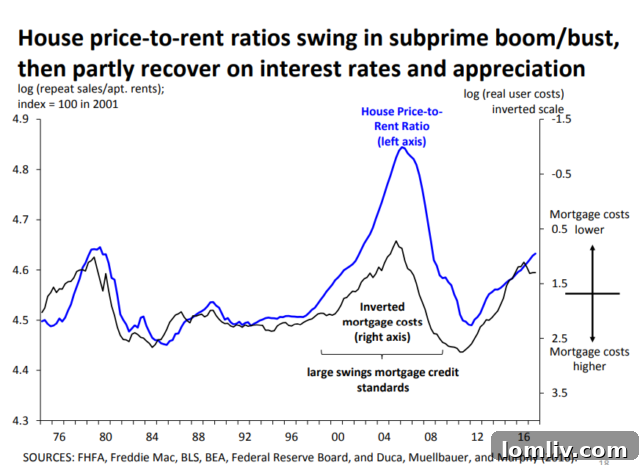
Housing valuations are not just high; they are actively rising. Duca explained how price-to-rent ratios saw a massive surge during the subprime boom, followed by a dramatic bust, and have since partially recovered, influenced by interest rates and appreciation. This cyclical pattern indicates that current affordability challenges are deeply intertwined with these valuation swings. Demand remains a powerful driver, with tight inventories of single-family homes consistent with ongoing price appreciation.
A Shift in Homeownership Dynamics
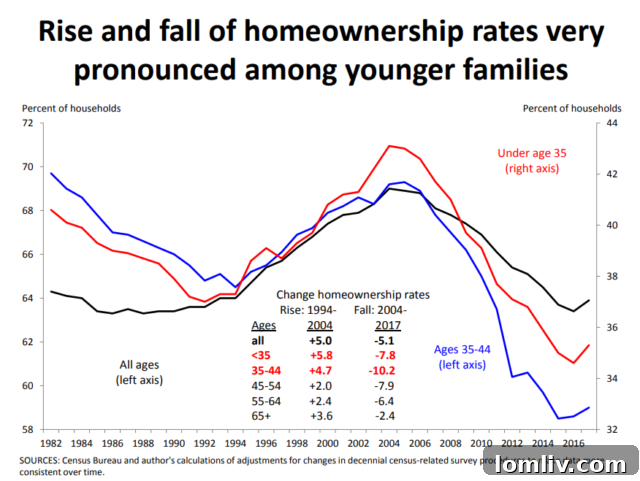
A key concern highlighted by Duca is the sagging homeownership rate. He emphasized that the low income levels and increasing co-residency rates underscore that rent affordability is also a significant national issue. The rise and fall of homeownership rates are particularly pronounced among younger families, signaling a profound demographic shift in how Americans approach housing. This trend has serious long-term implications for wealth accumulation and economic stability across generations.
Adding to this, Duca observed that real median household income has consistently fallen relative to rents. Since 1999, rental prices have outpaced incomes, creating an ever-widening gap. He specifically noted the stagnation of median income for younger households, contrasting it with the relative stability experienced by baby boomers. This disparity further exacerbates the affordability crisis for those just starting their careers or families.
Texas’s Unique Housing Challenges: A Closer Look
James Gaines, Chief Economist at the Real Estate Center at Texas A&M University, corroborated Duca’s national outlook while focusing on the specific context of Texas. He noted that the national housing market has not fully recovered from the Great Recession, and single-family home construction is “really just now getting back to the average.” This slow recovery means there’s “a long way to go before we get to the peak we had in 2005,” indicating a deep deficit in housing supply.
The Supply-Side Crunch
Gaines echoed Duca’s concerns about the “rapidly eroding” supply side, citing labor costs, land and development expenses, and escalating construction costs as primary culprits. These rising barriers significantly limit incentives to build “starter homes,” which are crucial for first-time buyers and maintaining a healthy housing ladder. The absence of adequate starter home inventory directly impacts homeownership affordability, causing it to sag.
According to the National Association of Home Builders and Wells Fargo’s Housing Opportunity Index, home affordability has been declining steadily since its peak of almost 80 percent in 2012, now falling below 60 percent. This decline indicates that a smaller proportion of households can afford the median-priced home, reflecting the immense pressure on the housing market.
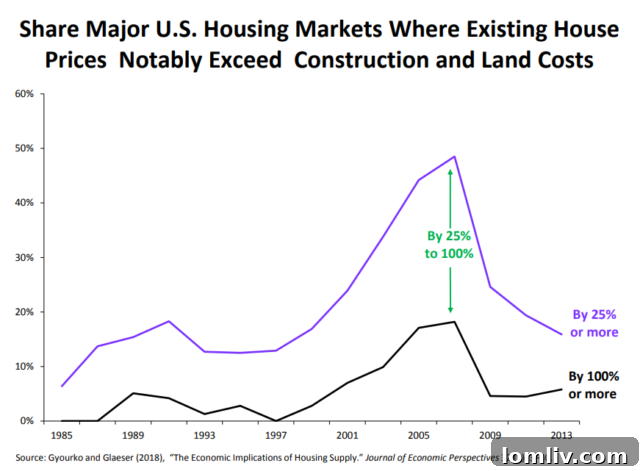
Furthermore, Duca noted that tight inventories are partly due to a muted supply response to rising prices. Factors such as restrictive zoning laws, a lack of new infrastructure to support construction, and various other regulatory issues continue to limit and restrict housing development. These constraints prevent the market from adequately responding to demand, pushing prices higher and further challenging affordability.
The Affordability Gap: Wages vs. Housing Costs
A critical point of convergence for both experts was the growing chasm between wages and housing costs. Gaines highlighted that post-bust, banks have become more cautious about lending, while wages have demonstrably failed to keep pace with soaring housing expenses. He painted a stark picture, stating that individuals earning around $40,000 to $50,000 a year, performing repetitive work, are becoming an “endangered species of homeowner.” These are the very people who once formed the backbone of the American housing market.
This disparity extends even into the rental market. Duca explained that since 1999, median household income, when deflated by rent prices, has actually dropped almost 16 percent. This means that despite some nominal income growth, the purchasing power for housing has significantly diminished, making renting increasingly difficult for many families.
The social ramifications of this affordability crisis are profound. Duca pointed out a notable increase in adults living with their parents. While around 12 percent of adults lived with parents in 1990, that number has climbed to upwards of 16 percent today, a trend Duca wryly referred to as “purgatory” for parents. This trend underscores the immense financial pressure on younger generations struggling to gain independent footing.
Changing Perceptions of Homeownership
Gaines suggested that part of the lag in home purchasing also stems from a fundamental shift in ideals. “Renting is no longer a stigma,” he observed, contrasting it with a past era where buying a house was an immediate aspiration. Duca agreed, recalling a time when “housing was viewed as a savings vehicle,” a long-term investment that secured one’s financial future. However, the ease of financing during the subprime boom—where “basically anybody that could fog a mirror could get 110 percent financing”—created an unsustainable market. The subsequent bust and stricter lending practices have reshaped expectations, making homeownership a more distant dream for many.
Market Indicators and Future Projections for Texas Real Estate
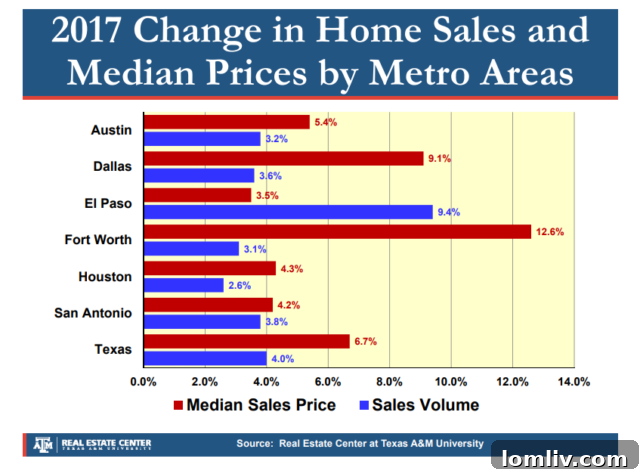
Despite the affordability challenges, Texas saw record home sales in 2017, a trend Gaines predicted would continue, potentially even stronger, in 2018. However, this growth masks deeper structural changes within the market.
Texas Housing Market Statistics
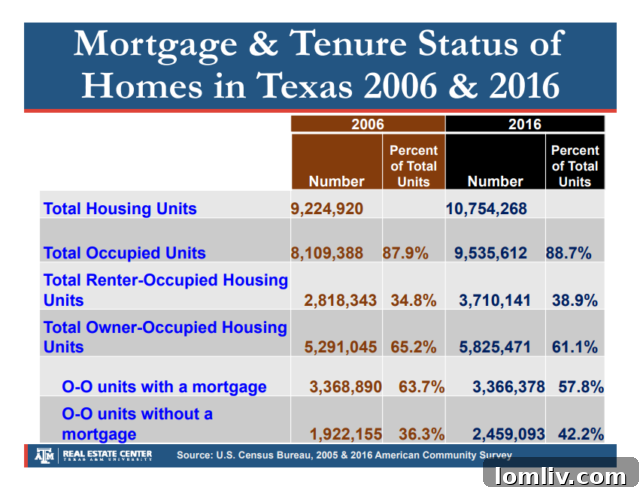
A particularly interesting trend in the Texas housing market is the decreasing rate of owner-occupied homes. In 2006, 65 percent of all homes were occupied by their owners; by 2016, that figure dropped to 61 percent. Digging deeper, owner-occupied units with a mortgage decreased from 64 percent to 58 percent, while those without a mortgage increased from 36 percent to 42 percent. This suggests a growing segment of cash buyers or long-term homeowners, but a decline in new homeowners entering the market with traditional financing.
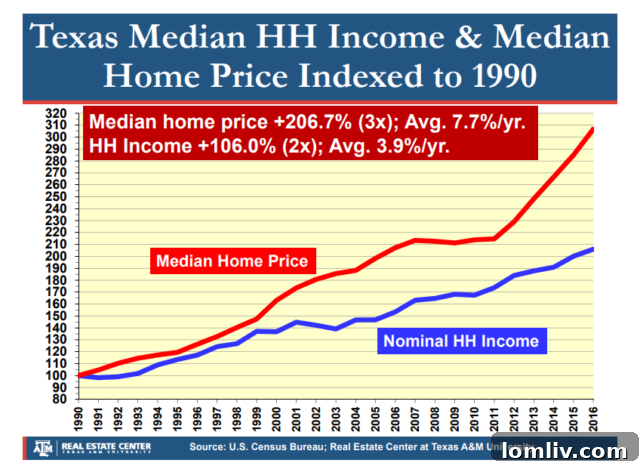
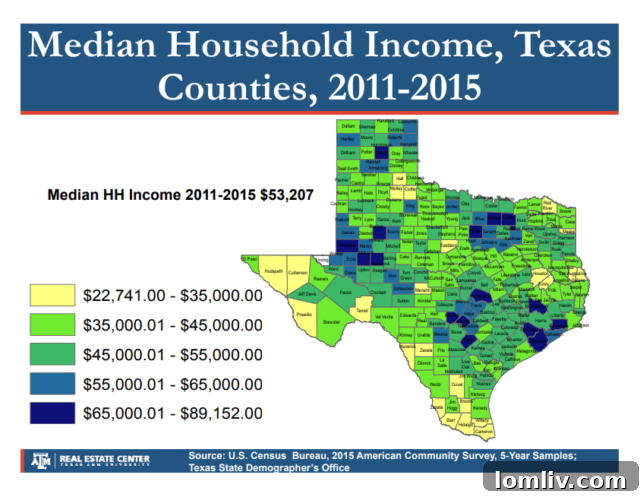
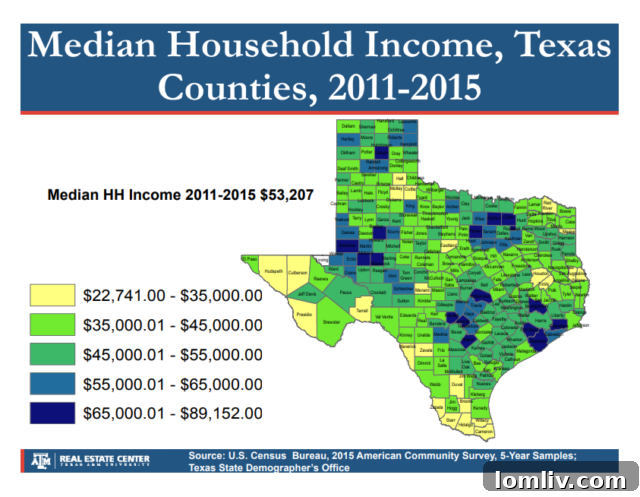
The disparity between home prices and incomes in Texas is stark. Median home prices have surged by 207 percent, three times the rate observed in 1990. In contrast, median incomes have risen by 108 percent, only twice the average in 1990. This widening gap highlights the fundamental imbalance driving the affordability crisis.
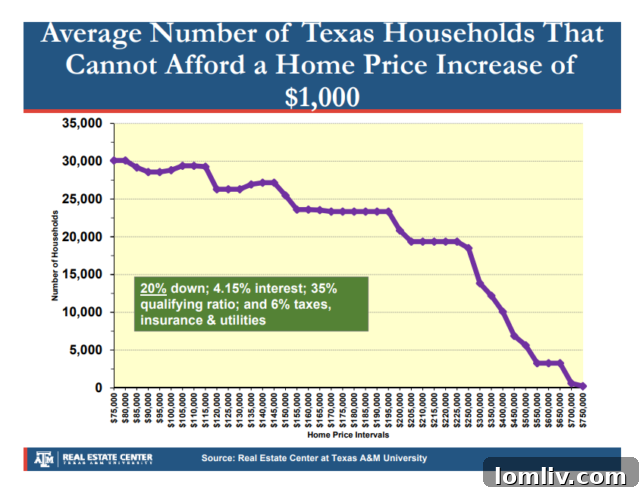
Even more concerning is the dramatic decline in the availability of new homes priced under $200,000, which serves as a benchmark for entry-level affordability. In 2011, a substantial 70 percent of new homes were priced under this threshold. By 2017, this figure plummeted to just 30 percent, starkly illustrating that “Texas is fast losing its competitive housing advantage to the rest of the country,” as Gaines warned. Even the smallest price increases can be prohibitive for many Texans. Gaines noted that 30,000 Texas households in the lowest price brackets cannot afford even a $1,000 price increase, making property tax rate hikes or minor market fluctuations significant barriers to homeownership.
The Impact of Population Growth
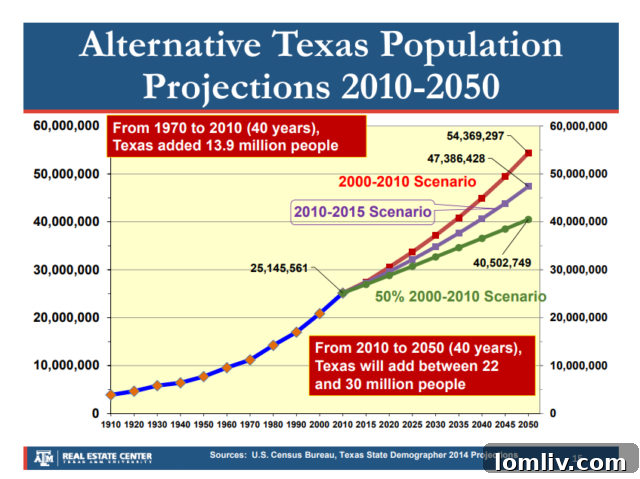
This escalating disparity, combined with projected population increases, portends even greater challenges for the state’s affordable housing needs. From 2010 to 2050, Texas is estimated to add between 22 and 30 million people. To put this in perspective, the state saw an increase of 13.9 million people from 1970 to 2010. This unprecedented growth will place immense pressure on existing infrastructure and housing stock, demanding proactive and innovative solutions.
Interest Rates and Market Volatility
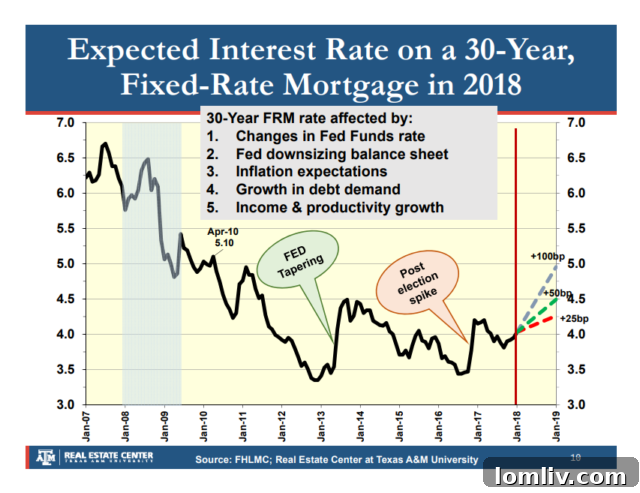
Gaines also anticipated rising interest rates, forecasting at least three, and possibly up to five, rate increases within the year. He predicted that rates could climb to between 4.5 percent and 5 percent by the end of 2018. Such increases would inevitably reduce purchasing power and further strain affordability for prospective homebuyers, especially those on the margins.
Decoding Investment Opportunities and Market Shifts
Despite the challenges, not all is bleak. Home building in Texas is expected to increase, signaling a potential easing of the supply crunch. However, Gaines anticipates a decline in multi-family building, citing concerns about overbuilding in major metropolitan areas like Dallas and Houston. The capital market, he explained, is less bullish on multi-family developments than it once was, making financing and capital harder to secure unless one is an established developer.
Single-Family vs. Multi-Family Trends
The single-family housing market, though, still holds promise as a good investment, albeit with caveats. Gaines advised that it’s largely a “timing issue”; buying and selling within three years might result in a loss, but holding on for a sufficient period allows property appreciation. This long-term perspective is crucial for individual investors navigating a volatile market.
Hedge Funds and the Affordability Dilemma
A significant, and perhaps troubling, development is the explosion of the single-family rental market since 2007-2008. As families increasingly opt out of apartment life but cannot afford to buy, this market has boomed. Critically, hedge funds have entered this space, buying up single-family homes and directly competing with individuals who seek to purchase affordable housing priced under $250,000 for owner-occupancy. This institutional competition further shrinks the already limited pool of affordable homes available to typical buyers.
Charting a Course Forward: Policy Solutions for Affordable Housing
While the challenges are formidable, both Duca and Gaines emphasized that strategic policy changes could significantly alter the current trajectory of the affordable housing market.
Boosting Supply and Infrastructure
Duca specifically advocated for policy options geared toward substantially boosting the supply of housing. This includes not only direct construction incentives but also keeping a keen eye on transportation options. Integrated planning that links housing development with accessible and efficient transportation infrastructure can reduce living costs and enhance overall affordability. Streamlining zoning regulations, investing in foundational infrastructure like utilities and roads, and reducing development fees could all play a vital role in encouraging more diverse and affordable housing construction.
Empowering Lower-Income Households
Beyond increasing supply, Duca stressed that “raising the income prospects of poorer families could be particularly effective in addressing affordability.” This approach acknowledges that housing affordability is not solely a supply-side problem but also an income problem. Policies that support wage growth, enhance job training and educational opportunities, and provide targeted financial assistance can empower lower-income households to better afford housing options. Such comprehensive strategies, addressing both the supply and demand sides of the equation, are essential for creating a truly equitable and sustainable housing market in Texas.