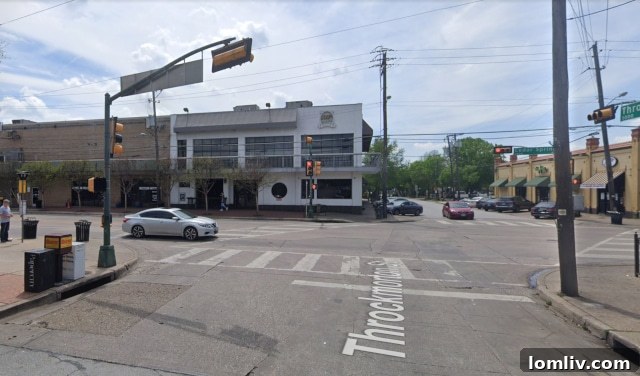
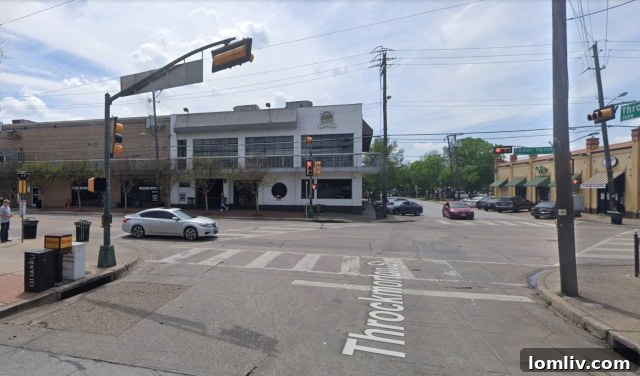
The vibrant pulse of the gay bar, a cornerstone of LGBTQ+ community life for decades, has been undeniably shifting. This transformation isn’t singular but multifaceted, driven by a confluence of societal acceptance, technological advancements, and the relentless march of urban development. As the LGBTQ+ community achieves greater integration into mainstream society, the historical necessity for a central, protective gathering place has naturally diminished. The hard-won rights, forged through the tireless efforts and sacrifices of past generations, have significantly broadened safe spaces, extending a sometimes-grudging welcome beyond traditional urban enclaves into suburban landscapes.
Simultaneously, the digital revolution, epitomized by the proliferation of dating apps and social networking platforms, has profoundly altered how individuals connect. These virtual spaces often supplement, or even supplant, the role that physical bars once played as primary hubs for social interaction, activism, and hedonistic expression within the LGBTQ+ community. While gay bars remain popular and integral to many, their exclusive status as the epicenter of queer life has undeniably evolved.
The Shifting Sands of Global Gayborhoods
Across the globe, traditional “gayborhoods” are grappling with existential questions, striving to define their relevance and trajectory in a rapidly changing world. It is a widely observed phenomenon that, without exception, gay neighborhoods in developed countries are experiencing a demographic and cultural shift, often less overtly “gay” than they were even a mere fifteen years ago. This evolution is compounded by a critical economic vulnerability: in far too many instances, the cherished, community-focused businesses that define these neighborhoods do not hold ownership of the underlying land. As urban centers expand and intensify, these areas—once often gritty, rough-and-tumble districts that attracted marginalized communities—now find themselves situated in prime locations, making them ripe targets for aggressive redevelopment and potential erasure. The symbolic gesture of a rainbow crosswalk, while meaningful, offers little defense against the encroaching shadow of a wrecking ball.
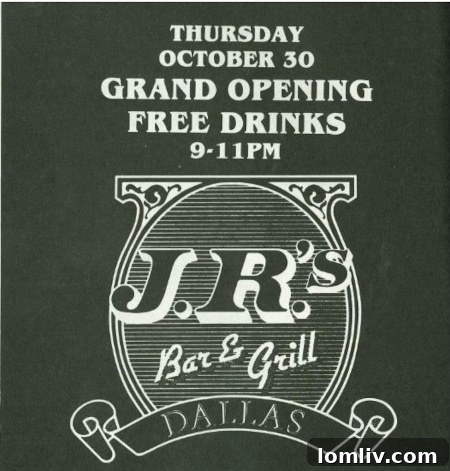
In Dallas, specifically along the iconic Cedar Springs Road, Caven Enterprises stands as a remarkable exception to this pervasive vulnerability. For many years, Caven Enterprises, a prominent name in the Dallas LGBTQ+ nightlife scene, adopted a prescient strategy: systematically acquiring the land beneath and surrounding their popular establishments. This includes beloved institutions such as JR’s, TMC, the complex housing Village Station/Station4/S4, Sue Ellen’s, and even the lot occupied by the undie outlet Skivvies. This forward-thinking approach has provided a crucial buffer against the relentless pressures of urban development. In recent years, as the Oak Lawn neighborhood has become increasingly desirable, a surge of developers has approached Caven with lucrative offers to sell. Yet, Caven has steadfastly resisted, finding the proposed prices insufficient to justify divesting from their long-held, culturally significant properties along Cedar Springs Road.
Caven’s Unique Employee-Owned Model: A Legacy of Community Care
Adding another layer of distinctiveness to Caven Enterprises is its unique ownership structure. Years ago, the operation transitioned into an employee-owned company, granting workers shares in the enterprise and, crucially, in the valuable land it possesses. This innovative model was not merely an economic decision but a profound social commitment, designed to function as a retirement plan for types of jobs that historically offer little in the way of long-term security or benefits. It is widely speculated that the harrowing experience of the AIDS era, which disproportionately devastated the LGBTQ+ community and highlighted the profound lack of governmental support, deeply impressed upon Caven the imperative for the community to care for its own. This ethos of self-reliance and mutual support became embedded in the company’s structure, creating a powerful testament to community resilience and foresight.
The Vision and Challenge: Mike Ablon’s Redevelopment Proposal
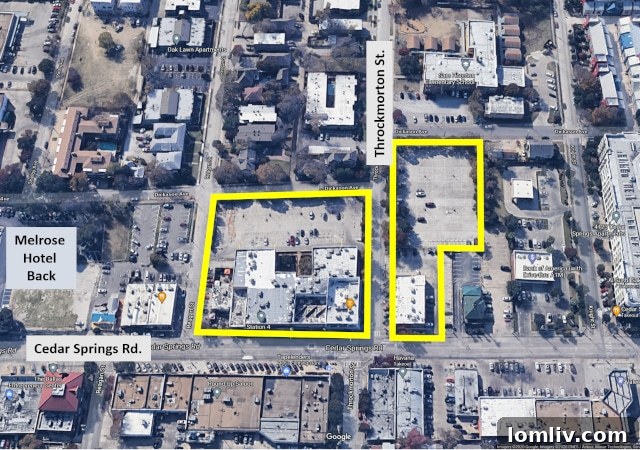
Into this complex landscape steps developer Mike Ablon, presenting a vision that seeks to blend preservation with ambitious modernization. Ablon’s primary stated objective is to meticulously retain the cherished streetscape of Cedar Springs Road, preserving its unique character and cultural identity. Complementing this preservation, his proposal includes plans to expand the social aspects of the area and introduce significant residential density by constructing two approximately 20-story apartment buildings on the existing back parking lots. This approach aims to invigorate the district with new residents and economic activity while, in theory, safeguarding its historical charm.
The core concept behind Ablon’s proposal carries inherent merit. The challenge, however, lies unequivocally in its execution. Ablon has a commendable track record, having successfully undertaken interesting and impactful urban development projects in other areas of Dallas, such as the Design District. Nevertheless, early preliminary renderings for this specific Cedar Springs proposal have been viewed by some as not yet ready for public display, prompting concerns about aesthetic integration and community fit. The design phase is critical, and the community eagerly awaits more refined and thoughtful plans.
As this pivotal story unfolds, it becomes increasingly clear that the future of Cedar Springs Road and Throckmorton Street hinges on robust, inclusive community dialogue. What vision will define this iconic intersection for the 21st century? How can sustainable growth be balanced with the preservation of invaluable cultural heritage? What compromises, if any, will be necessary to navigate the complex interplay of economic development, community identity, and historical significance? These are not mere architectural questions but profound inquiries into the soul of a community.
Caven is Selling: The Crossroads of Opportunity and Risk for Dallas’s LGBTQ+ Core
From reliable insights shared with community stakeholders, it appears that Caven Enterprises is indeed proceeding with a sale. The critical questions now shift to: to whom will they sell, and what will be the ultimate fate of these historically significant properties? This impending transaction represents a monumental crossroads for Dallas’s LGBTQ+ community. If a mutually beneficial compromise cannot be forged with a developer who demonstrates a genuine commitment to retaining and respecting the existing streetscape and community character, there is a tangible risk that Cedar Springs Road could face an undesirable future.
One such undesirable outcome is the possibility of another “Ilume”—a reference to a large, often criticized, mixed-use development in the area that, while modern, is sometimes perceived as lacking the authentic character and community integration that defines Oak Lawn. Even for those who haven’t frequented S4 or other Caven establishments in years, the prospect of losing the unique spirit of Cedar Springs Road to generic, high-rise development is a disheartening one. The current zoning, designated General Retail (GR), already permits building heights up to 120 feet. This means that, without thoughtful community input and developer collaboration, the area could see the construction of two 10-12 story buildings, likely utilizing typical 7-8 story brick and stick construction methods, potentially creating structures reminiscent of the Ilume’s aesthetic.
Contrasting Fates: Owners vs. Renters on Cedar Springs
This situation stands in stark contrast to the other side of Cedar Springs Road, where beloved establishments like the Roundup Saloon and Hunky’s Hamburgers have thrived for decades. These businesses, however, do not own the land they occupy. Their futures, therefore, are largely out of their direct control, vulnerable to decisions made by external landlords and developers. This distinction underscores the profound strategic advantage that Caven’s land ownership has provided, offering a degree of control and influence that is rare in gentrifying urban areas. With Caven’s properties now on the market, the community has a unique, albeit challenging, opportunity. There is a choice to be made, and there are parties—both within the community and potentially among developers—who genuinely desire a better, more thoughtful outcome than simple commercialization.
The intersection of Cedar Springs Road and Throckmorton Street earned the evocative nickname “The Crossroads” many decades ago—a moniker that remains profoundly apt today. More than just a geographical reference, it symbolizes the convergence of history, culture, progress, and crucial decisions that will shape the future of this iconic LGBTQ+ heartland.
Ultimately, the success or failure of this critical period will hinge entirely on the quality of design and the integrity of execution. The developers involved are expected to present their comprehensive plans to the influential Oak Lawn Committee in December. This upcoming meeting will serve as a pivotal moment for community engagement, allowing stakeholders to voice their aspirations, concerns, and ensure that the future of Cedar Springs Road truly reflects the vibrant legacy and evolving needs of its cherished LGBTQ+ community.