Dallas Gears Up for Crucial 2024 Bond Election: A Deep Dive into Funding Priorities and the Housing Crisis
Dallas stands at a pivotal moment, with significant decisions looming that will shape its future landscape and address pressing community needs. The city’s Community Bond Task Force (CBTF) is slated to present its recommendations to the Dallas City Council on December 6, outlining how to allocate the substantial 2024 bond funds across critical sectors. These encompass vital areas such as housing, economic development, parks, streets, and essential erosion control projects. This multi-faceted bond initiative, if approved by voters, promises to be a transformative investment in Dallas’s infrastructure, public services, and overall quality of life for its residents.
The 2024 bond election represents a crucial opportunity for Dallas to proactively tackle long-standing challenges and invest in its strategic growth. From enhancing urban mobility to fostering economic prosperity and ensuring environmental resilience, the proposed bond package aims to create a more livable, sustainable, and equitable city. The recommendations put forth by the CBTF are the culmination of extensive research, community engagement, and careful consideration of the city’s most urgent priorities. Understanding these proposals and the various interests advocating for specific allocations is key to grasping the full scope and potential impact of this upcoming election.
Community Bond Task Force Outlines $1.1 Billion in Key Investments
In a comprehensive memo dated October 27, the Community Bond Task Force (CBTF) released its initial recommendations for the 2024 bond package, proposing a total of $1.1 billion in targeted investments. These recommendations reflect a strategic approach to address immediate necessities while also laying the groundwork for long-term development and resilience across Dallas. The proposed allocations are designed to bolster various city services and infrastructure, directly impacting the daily lives of residents and the economic vitality of the region.
The breakdown of the proposed $1.1 billion is as follows:
- Streets and Transportation: $375 million – This significant allocation underscores the critical need for improving Dallas’s transportation network. Investments here would focus on repairing aging roads, enhancing pedestrian and cycling infrastructure, and potentially funding projects that alleviate traffic congestion. Improved transportation infrastructure is vital for economic development, facilitating commerce, and ensuring residents can commute efficiently and safely. Modernizing our streets and enhancing public transit options are crucial steps toward building a more connected and accessible city, supporting businesses, and improving the quality of life for daily commuters.
- Park and Recreation: $350 million – Dallas’s green spaces and recreational facilities are cornerstones of community health and well-being. This substantial sum would allow for the renovation of existing parks, the development of new recreational areas, and the preservation of natural habitats. Such investments are essential for promoting active lifestyles, providing accessible public spaces for all residents, and contributing to the city’s environmental sustainability efforts. Well-maintained parks not only enhance the aesthetic appeal of neighborhoods but also serve as vital gathering places, fostering community spirit and providing much-needed respite from urban life.
- Flood and Erosion Control: $75 million – With increasing concerns about climate change and extreme weather events, robust flood and erosion control measures are paramount. This funding would be directed towards projects designed to protect properties, infrastructure, and residents from the devastating impacts of flooding, ensuring greater resilience in the face of environmental challenges. Investing in these preventative measures can save millions in future disaster relief and protect countless homes and businesses, safeguarding the city’s long-term stability and security.
- Housing, Economic Development, and Homelessness: $100 million – This category addresses some of the city’s most pressing social and economic issues. The funds would be utilized for initiatives aimed at expanding access to affordable housing, stimulating economic growth, and providing resources for individuals experiencing homelessness. While crucial, this allocation has sparked considerable debate among community advocates, particularly concerning the portion dedicated specifically to affordable housing, highlighting the complex interplay between these interconnected challenges.
- Critical Facilities: $200 million – Ensuring the functionality and safety of essential public facilities is non-negotiable. This allocation would support upgrades and maintenance for a range of critical city infrastructure, including public safety buildings, libraries, and other municipal assets that are integral to delivering vital services to the community. Modern and well-maintained critical facilities are fundamental to the efficient operation of city government and the ability to respond effectively to public needs and emergencies.
While the initial recommendations from the CBTF provide a clear framework, the specific date for the bond election in the coming year remains a subject of ongoing discussion. Council members continue to debate whether to schedule the crucial vote in May or November of 2024, a decision that could influence voter turnout and the broader political landscape surrounding the bond’s approval.
Housing Advocates Demand $200 Million for Affordable Housing in 2024 Bond
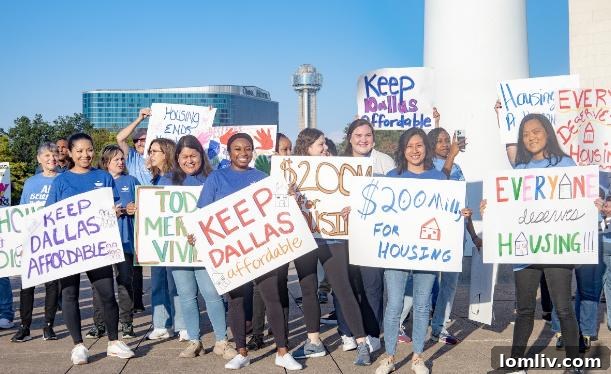
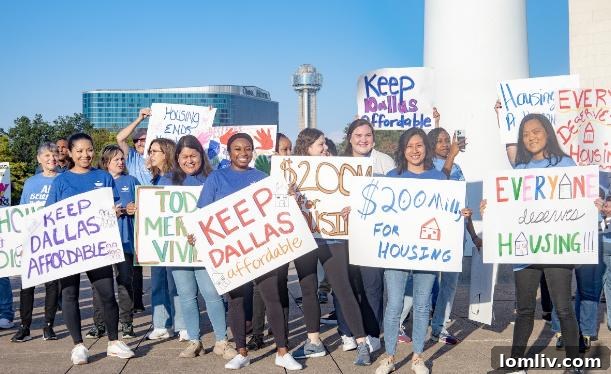
Amidst the proposed bond allocations, the issue of affordable housing has emerged as a central point of contention and passionate advocacy. Members of the Dallas Housing Coalition (DHC), a prominent group dedicated to addressing the city’s housing crisis, are making a compelling case for a significantly larger investment, advocating for $200 million specifically earmarked for affordable housing initiatives. This figure stands in stark contrast to the Community Bond Task Force’s recommendation of $100 million for the broader category of housing, economic development, and homelessness, within which approximately $25 million is specifically slated for affordable housing projects. This disparity highlights a fundamental disagreement over the urgency and scale of intervention required to tackle Dallas’s deepening housing challenges.
The urgency of the DHC’s plea is underscored by alarming statistics that paint a clear picture of the housing affordability crisis gripping Dallas. As Dallas Housing Coalition co-founder Bryan Tony recently highlighted, the median income in Dallas stands at $58,200, while the average home price has soared to $405,000. These figures reveal a widening gap between what residents earn and what they need to afford a home in the city. Tony emphasized, “To afford that kind of home, you need to earn $135,000 as a household,” illustrating the immense financial barrier many Dallas families face when attempting to achieve homeownership or even secure stable, affordable rental housing.
The problem extends beyond mere affordability; it’s a matter of sheer availability. According to analysis by the Child Poverty Action Lab, Dallas currently faces a housing supply gap of 36,660 units. This deficit is not static; projections indicate that it is expected to grow to an staggering over 80,000 units by 2033 if current trends continue unchecked. Such a significant shortage not only drives up housing costs but also exacerbates issues of homelessness, contributes to gentrification, and displaces long-time residents, undermining the city’s social fabric and economic stability.
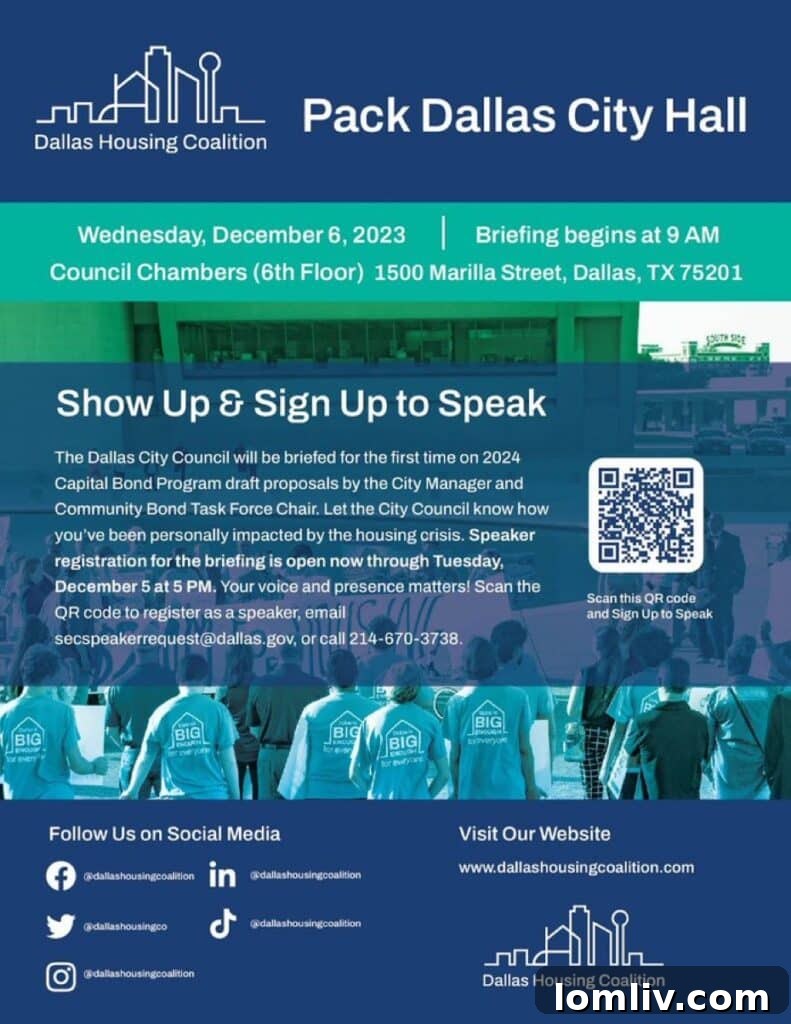
In an email rallying support for their cause at the December 6 council meeting, Dallas Housing Coalition officials articulated their mission and the profound impact of the crisis: “At Dallas Housing Coalition, we are working to address the housing crisis in Dallas. With a shortage of affordable homes and many residents facing housing cost burdens, it’s clear that action is necessary. We understand the positive impact that housing can bring to all.” Their message resonates with countless individuals and families who struggle daily to keep a roof over their heads, highlighting the transformative power of secure and affordable housing on health, education, and economic opportunity.
The Biggest Obstacle to Affordable Housing: Funding and Strategic Investment
The consensus among developers, city planners, and housing advocates alike is clear: the most formidable barrier to constructing and delivering affordable housing solutions is financial. Developer Kirk Presley, whose firm Ojala Partners notably secured one of Dallas’s pioneering Public Facility Corporation (PFC) projects, underscored this reality in an October webinar. Presley eloquently defined the core dilemma, stating, “When you’re talking about affordable housing, you’re talking about building something and then offering it to people below the cost to build it.” This fundamental economic principle highlights why traditional market forces alone cannot solve the affordable housing crisis.
Presley further elaborated on the stark reality facing Dallas residents: “If we wanted everyone to live in market-rate housing, we wouldn’t have a problem, but we have half of our city that can’t afford market-rate housing with what the cost of construction is. It’s only through city government, federal, local subsidy, that you can create something you’re going to sell below costs.” This assertion drives home the point that public intervention, whether through direct subsidies, tax incentives, or bond funds, is not merely helpful but absolutely essential for bridging the affordability gap. Without these critical injections of capital, the economics of development simply do not allow for the creation of homes that are accessible to a significant portion of the city’s workforce and population.
This is precisely where the 2024 bond funds become a game-changer. Presley emphasized the catalytic role these municipal funds can play in attracting broader investment. He explained, “A little bit of city money activates an enormous pool of public-private partnership money [for those who want] to build housing and cannot do it at an affordable rate.” This concept of leveraging public funds is crucial. A relatively modest investment from the city bond can act as a de-risking mechanism or a crucial gap-filler, making projects that would otherwise be financially unfeasible attractive to private developers and investors. These public-private partnerships (P3s) are often the most effective way to scale affordable housing initiatives, combining the public sector’s commitment to community welfare with the private sector’s efficiency and development expertise.
The Public Facility Corporation model, mentioned in relation to Ojala Partners, is an excellent example of such a mechanism. PFCs are governmental entities created to assist in the financing and development of public facilities, including affordable housing. By utilizing the tax-exempt status and other benefits of a PFC, developers can often reduce project costs, which can then be passed on to residents in the form of more affordable rents or purchase prices. The bond funds can directly support these PFC initiatives, or other subsidy programs, multiplying their impact far beyond the initial city investment.
The decisions made by the Dallas City Council on December 6, and subsequently by Dallas voters in the 2024 bond election, will have profound implications for the city’s future. The allocation of funds will not only determine the pace of infrastructure improvements and recreational enhancements but will also directly influence the city’s ability to address its most pressing social and economic challenges, particularly the deepening housing crisis. As advocates continue to push for greater investment in affordable housing, the upcoming debates and the eventual public vote will define Dallas’s commitment to building a more inclusive, resilient, and prosperous future for all its residents.