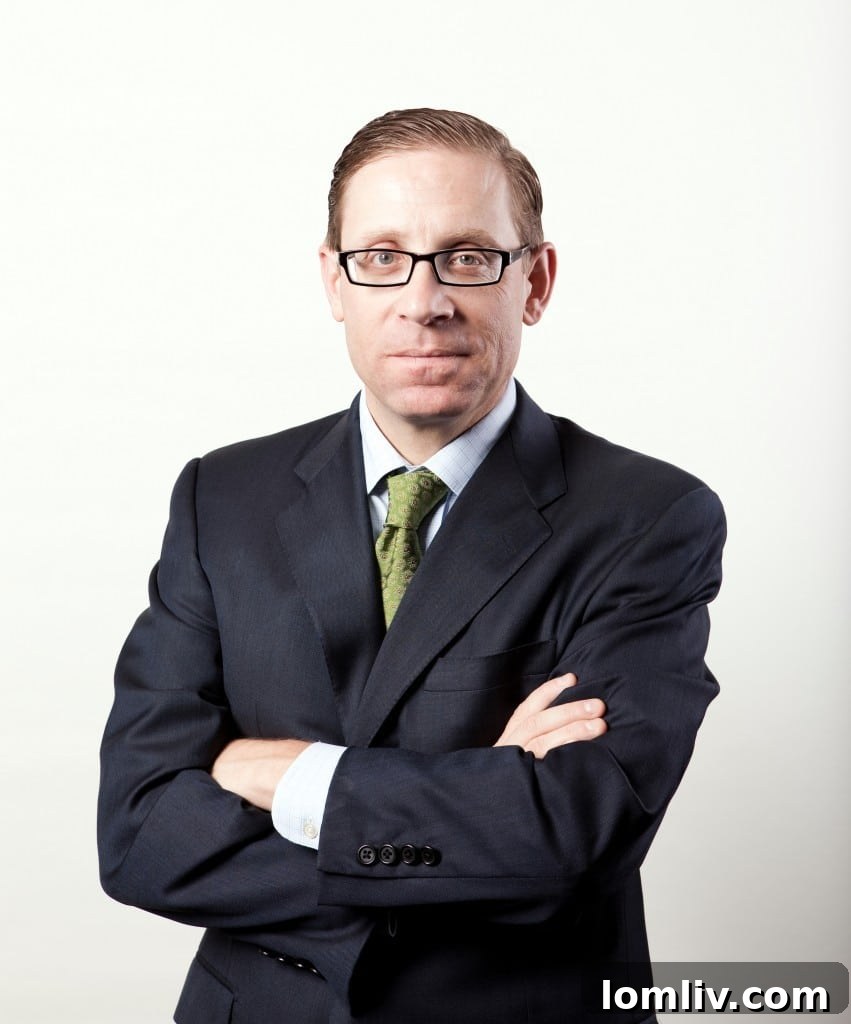
Evan Smith on Texas Politics, Real Estate, and the Future of the Lone Star State
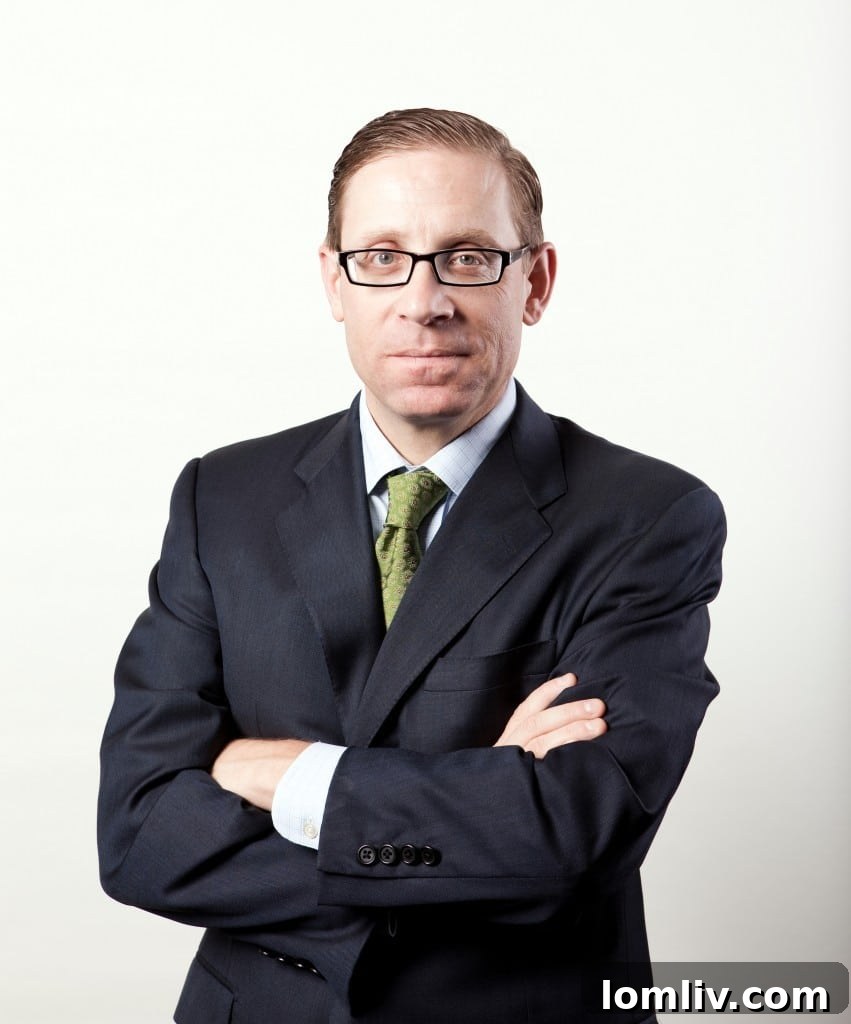
Evan Smith stands as a formidable voice in Texas journalism and public discourse. As the CEO and editor-in-chief of @texastribune (The Texas Tribune) and host of @overheardpbs, his insights are sought after across the state and beyond. His esteemed career also includes a significant tenure as the former editor of @texasmonthly (Texas Monthly). Beyond these professional accolades, his Twitter bio paints a vivid picture: a political junkie, a passable tennis player, and a self-proclaimed future ex-vegetarian – a detail that humorously hints at a grounded, relatable personality. It was this seasoned perspective that the North Texas Chapter of the Urban Land Institute (ULI) recently tapped into, inviting Evan Smith to deliver an illuminating address at the Park Cities Club. Attendees, including many commercial real estate professionals, gathered to glean critical intelligence on the happenings in Austin, the outcomes of the most recent legislative session, and, crucially, what these developments signify for Texans and the dynamic Texas real estate market.
Smith’s captivating presentation offered a wealth of information, shedding light on several pressing issues that often escape mainstream attention. While many topics resonated deeply, one particular revelation struck a chord with the audience: the strikingly low voter turnout in the great state of Texas. This isn’t merely a minor issue; it’s a systemic problem. In 2012, Texas ranked dead last among all states for voter participation. The trend continued, placing the state 51st out of 50 in 2010 (presumably including Washington D.C. for comparative purposes) and 49th in 2014. These abysmal figures are especially perplexing given the state’s immense population, boasting 27 million residents and experiencing an astounding influx of 1,000 new people moving to Texas every single day. The contrast between rapid growth and civic disengagement presents a profound paradox, prompting essential questions about the health of Texas democracy and its long-term implications for governance and public policy.
The Unspoken Crisis: Texas Voter Turnout and Its Deep Roots
The stark reality of Texas’s voter turnout, consistently ranking at the bottom nationally, begs for a deeper understanding. When pressed on this critical issue, Evan Smith pinpointed two primary culprits. First, he highlighted society’s pervasive and generally low opinion of politicians. This deep-seated distrust, fueled by years of negative narratives and public skepticism, has created an environment where few bright, qualified young individuals even aspire to public service. The constant barrage of criticism and the erosion of respect for political careers deter potential leaders, leaving a vacuum that can ultimately impact the quality of governance. This societal cynicism not only discourages new talent but also contributes to a general apathy towards the political process, making citizens less likely to engage in the seemingly futile act of voting.
Secondly, Smith laid significant blame on the practice of redistricting, a complex and often controversial process that redraws electoral district boundaries. He emphasized that this issue transcended partisan lines, stating that both major parties, and perhaps even the Democrats more so in certain contexts, have utilized redistricting to their advantage. The outcome is often districts so meticulously “rigged” that incumbent politicians become almost unbeatable. This creates a powerful disincentive for potential challengers, who fear that mounting a campaign against an entrenched local “fiefdom” is an exercise in futility. The financial burden of campaigning for a seemingly unwinnable race becomes prohibitive, leading to a diminished pool of candidates and ultimately fewer choices for voters. When electoral outcomes feel predetermined, voter engagement naturally wanes, further entrenching the cycle of low turnout and political cynicism. The notion that one’s vote might not truly matter in a gerrymandered district significantly dampens the democratic spirit.
During the discussion, an important question lingered: did the massive influx of new residents – a large “transplant population” – contribute to this low voter engagement? Unfortunately, with a plane to catch back to Austin, Evan Smith had to depart before this could be explored further. However, the question remains pertinent. New residents, often unfamiliar with local political landscapes, election schedules, or even the process of registering in a new state, might take longer to integrate into the civic life of Texas. This demographic shift, combined with the established challenges of political distrust and redistricting, creates a multifaceted problem for voter participation that demands ongoing attention and potential policy solutions to strengthen the foundation of Texas democracy.
The Texas Tribune: A Beacon for Informed Citizenship
Evan Smith’s presentation transitioned seamlessly into an introduction to The Texas Tribune, a digital news organization that has become a cornerstone of Texas journalism. Smith highlighted its impressive reach, boasting just under a million readers per month – a testament to its critical role in informing the public. He elaborated on its unique monetization model, particularly insightful for an audience largely comprised of commercial real estate professionals. Unlike traditional for-profit media outlets, a significant 20% of The Texas Tribune’s revenue is derived from individual contributions. This reader-supported model mirrors that of public broadcasting entities like KERA, underscoring its commitment to independent journalism, free from the undue influence of corporate advertisers or partisan agendas.
Emphasizing its core philosophy, Smith proudly declared, “We are neither left, nor right.” This unwavering commitment to non-partisanship is a defining characteristic of The Texas Tribune, allowing it to present factual, unbiased reporting on complex political issues. This stance is particularly crucial in a politically diverse state like Texas, where narratives often become polarized. By offering objective coverage, the Tribune aims to provide all Texans with the information they need to form their own informed opinions, fostering a more engaged and knowledgeable citizenry. This dedication to unbiased reporting resonates deeply with its readers, who value an independent source for understanding the intricate workings of Texas government and its impact on their daily lives, including significant implications for the Texas real estate market and economic stability.
Navigating the Legislative Landscape: Key Takeaways from the Recent Session
Smith then delved into a critical analysis of the recent legislative session, offering an assessment that might surprise many. Despite the palpable presence of extreme right-wing “TEA party elements” creating a stir in Austin – which he likened to “pop rocks” bursting onto the scene – Smith characterized the session as surprisingly centrist. This observation suggests a legislative body capable of finding common ground, or perhaps, a strategic tempering of more extreme ideologies to achieve workable outcomes. However, the jury, as Smith noted, remains out on Governor Greg Abbott’s leadership style and ultimate ideological “bend.” Abbott, a figure with a long and distinguished public life, served as Texas’s longest-serving attorney general, a role in which he famously (or infamously, depending on one’s perspective) sued the federal government 31 times!
The perception of Governor Abbott among The Texas Tribune’s readership paints an interesting picture. Polling indicated that readers generally rated him favorably, a finding that might initially appear to be a “head-scratcher” to some. This is especially true when considering certain controversial decisions, such as his appointment of a home-schooler to lead the State Board of Education, a move that sparked considerable debate and raised questions about his policy priorities in public education. This dichotomy between public perception and specific policy choices highlights the complexities of political leadership in Texas.
Moving to other key figures, Lieutenant Governor Dan Patrick, a former radio and talk show host known for his colorful past (including a live on-air vasectomy), turned out to be “less of a cartoon character” than many observers had initially predicted. This suggests a more pragmatic or perhaps restrained approach in his legislative role than his public persona might have suggested. Similarly, Speaker Joe Straus, a respected moderate Republican, did not, as Smith quipped, “become Bernie Sanders!” This humorous observation underscores the prevailing centrist tone of the session, indicating that despite the ideological pressures, key leaders maintained a degree of balance and avoided dramatic shifts to the political extremes. These dynamics among Texas’s top political figures are crucial for understanding the legislative environment and its subsequent impact on policy decisions, the state’s economic trajectory, and consequently, the broader Texas real estate market.
Real Estate in Texas: Economy, Policy, and Unforeseen Impacts
For the ULI audience, the intersection of legislative outcomes and real estate was paramount. Smith highlighted a paradox: Texas boasts a strong economy, yet a substantial $17 billion was left unspent by the legislature. This decision not to fully deploy available funds, bolstering the state’s “Big Fat Rainy Day Fund,” sparked considerable debate. Whether this fiscal prudence will prove to be wise or foolish, especially considering the relentless influx of new residents, remains an open question. The long-term implications for infrastructure, public services, and the overall quality of life in Texas, all of which directly influence real estate values, are still unfolding.
On the property tax front, Smith noted a “minuscule property tax cut” that he believes will primarily serve as a symbolic talking point for the ruling party. While politicians will undoubtedly campaign on having “increased the homestead exemption on property taxes,” the actual savings for the average Texan amount to only a couple of hundred dollars. As Evan observed, “They will campaign on this ‘great savings’,” emphasizing the political theater over substantive economic relief. This minimal impact on property taxes means that the core issues of affordability for homeowners and the funding of local services, which are largely reliant on property tax revenues, remain largely unaddressed.
Transportation, a perennial concern in a rapidly growing state, also received attention. The $4 billion earmarked for transportation infrastructure, while significant, “doesn’t begin to scratch the surface” of Texas’s burgeoning needs. Smith bluntly stated that this allocation “just keeps us current with the current congestion,” a sobering thought for anyone who has endured the nightmares of navigating congested highways like LBJ. Road infrastructure and traffic congestion directly impact quality of life, commute times, and the desirability of neighborhoods and communities, making it a critical factor for both residential and commercial real estate development. For families considering moving to Texas, the state’s pre-kindergarten (pre-K) programs are another area where policy impacts daily life. While Texas now finally has a statewide pre-K program, it’s only for the morning. This falls short of even Oklahoma’s full-day pre-K offerings, suggesting that Texas still has ground to cover in supporting early childhood education, which can be a key amenity for attracting new residents and influencing housing choices. The hope remains for a more comprehensive approach in future legislative sessions.
Looming Challenges: Education, Ethics, and Social Divides
Beyond the immediate legislative actions, Smith highlighted several significant, looming challenges that could profoundly impact the fabric of Texas society and its real estate market. Chief among these is the critical Texas school finance battle, currently before the Supreme Court. Should Texas lose this monumental case, Evan Smith cited estimates indicating a potential liability of up to $10 BILLION. This colossal sum, he explained, would essentially function like a massive homeowners’ association (HOA) assessment, requiring a special, mandatory contribution from every Texan. The implications are staggering: our schools, already facing significant problems, would be plunged into an even deeper crisis. Texas grapples with the second-highest public education enrollment numbers in the country, and its institutions of higher education are “in a pickle,” experiencing slipping ratings and escalating costs that make them increasingly unaffordable for many. A financial setback of this magnitude would undoubtedly exacerbate these issues, potentially impacting the desirability of communities and property values, as the quality of local schools is a primary driver for real estate decisions.
Ethics reform, a cornerstone of good governance, took a “GIANT step backward” during the session. Smith refrained from explicit details, inviting the audience to use their imagination regarding how such a regress might hurt – or perhaps ironically, help – certain real estate interests. Alarmingly, some representatives even attempted to cloak their spouse’s occupations and earnings, making it exceedingly difficult to ascertain potential conflicts of interest or “on the take” situations. This erosion of transparency runs contrary to fundamental principles of public service and raises serious questions about accountability. The ability of politicians to hide financial details undeniably undermines public trust, further fueling the cynicism that contributes to low voter turnout. It poses a fundamental challenge to the nation’s mission statement of open and honest government, creating an environment where suspicion can thrive and potentially influence decisions impacting everything from zoning to development projects.
In a brief overview of other social issues, Smith noted that “nothing was done” regarding abortion, indicating a legislative stalemate on this highly contentious topic. On the issue of guns, he remarked, “I don’t like to talk about it,” reflecting the deeply polarizing nature of firearms legislation in Texas. However, on LGBT issues, all anti-LGBT bills failed, largely due to the forceful influence of the Supreme Court, which effectively “forced the envelope” on these matters, demonstrating the impact of federal rulings on state-level legislation. While not directly tied to real estate in the same way as school finance or property taxes, these social policies collectively shape the cultural and legal landscape of Texas, influencing its attractiveness to diverse populations and, indirectly, its long-term economic and social vitality.
Healthcare in Texas: A Growing Burden on Property Owners
The discussion then turned to healthcare, another critical area with direct implications for the state’s economy and, surprisingly, real estate. Spending on healthcare in Texas is rising at an alarming rate, yet the state continues to grapple with a stubbornly high rate of uninsured residents – a true “head-scratcher” in the context of increasing expenditures. This situation prompts the question: if so much is being spent, why are so many still left without coverage? The answer, as Smith articulated, lies in how these costs are distributed.
Evan Smith revealed a startling statistic: healthcare spending now equals education’s substantial chunk of the Texas budget, both standing at an estimated 37%. Crucially, healthcare spending is rising even faster. The direct connection to real estate is profound and often overlooked. Every time an uninsured person in Texas utilizes an emergency room for primary care – or simply for any care they cannot otherwise afford – the costs are not magically absorbed. Instead, these expenses are frequently covered by property tax dollars. As Smith unequivocally stated, “WE are paying for it with our property taxes.” This means that the burden of uncompensated care and a fragmented healthcare system is effectively shifted onto property owners, indirectly increasing their tax liability and impacting the overall financial health of communities. My personal suggestion to mitigate this would be to implement a tax on fast-food and unhealthy fast-food restaurants, with the revenue earmarked to fund treatment for diabetes and heart disease – conditions often linked to lifestyle choices that place a significant strain on the healthcare system. This approach aims to address the root causes of some health crises while simultaneously creating a dedicated funding stream for treatment, potentially alleviating some of the pressure on property taxes.
Water: A Temporary Reprieve, A Future Certainty
While water is a perennial concern for a large, growing state like Texas, Evan Smith noted that it wasn’t a primary legislative issue during the most recent session. The reason was straightforward: Texas experienced abundant rainfall, “sooo much rain,” providing a temporary reprieve from drought concerns. However, Smith delivered a stark warning: “But it will be an issue in the future, bet your last Ozarka on that.” This foresight underscores the critical importance of long-term water planning and conservation strategies. While current conditions might offer a sense of security, the historical cycles of drought and the state’s explosive population growth guarantee that water resource management will inevitably re-emerge as a paramount challenge. For the real estate sector, water availability is a foundational consideration, influencing everything from new development approvals and land values to the long-term sustainability and desirability of communities across Texas. Prudent planning for future water scarcity is not just an environmental issue; it is an economic imperative that will shape the landscape of Texas real estate for decades to come.
The Call to Action: Your Vote, Your Texas, Your Real Estate
Evan Smith’s compelling presentation served as a powerful reminder of the intricate web connecting public policy, quality of life, and the foundational stability of real estate in Texas. From the state budget allocations and crucial transportation infrastructure decisions to the complex financing of healthcare and the very future of our education system, every policy enacted in Austin resonates far beyond the capitol city. As Smith powerfully articulated, “What goes down in Austin doesn’t stay in Austin – it affects every blade of grass, every piece of dirt we own, would like to own, or want to buy.” This profound statement underscores the direct impact of legislative decisions on the daily lives and financial assets of every Texan. The implications for property values, community development, and the overall economic landscape are undeniable.
The insights shared by Evan Smith are not merely academic observations; they are a resounding call to action for every citizen. Understanding how political choices influence our quality of life and our financial well-being, particularly through the lens of property ownership and real estate investment, is paramount. The challenges of low voter turnout, systemic redistricting, critical school finance battles, and the burden of healthcare costs all demand informed engagement. It is through active participation in the democratic process – by getting out and voting, holding elected officials accountable, and staying informed through reliable sources like The Texas Tribune – that Texans can truly shape the future of their state. Your voice, your vote, and your informed perspective are the most powerful tools to ensure that the policies enacted in Austin serve the best interests of all Texans and safeguard the long-term prosperity of our communities and our real estate.