
Navigating the New Texas Landscape: Key Laws Shaping Real Estate, Consumer Protection, and Public Safety

The Lone Star State is undergoing a significant legislative transformation, with over 800 new laws coming into effect following the most recent legislative session. These sweeping changes cover a vast spectrum of life in Texas, from seemingly minor adjustments like legalizing lemonade stands and allowing the carrying of brass knuckles for self-defense, to more impactful reforms targeting consumer protection, property transactions, and public safety. While many of these new statutes might not immediately alter the daily routines of most Texans, a select few are poised to have a profound and lasting influence, particularly within the real estate sector and on how residents interact with various services and personal safety.
This comprehensive overview delves into some of the most critical new regulations, shedding light on their implications for homeowners, contractors, consumers, and the broader community. We will explore five key areas, examining how these legislative updates aim to foster greater transparency, combat fraud, and enhance the security of Texans’ homes and finances.
Real Estate and Insurance Reforms: Enhancing Integrity and Accountability
The Texas legislature has taken significant steps to address long-standing issues within the real estate and insurance industries, particularly concerning property damage claims and contractor practices. These reforms aim to protect homeowners from deceptive practices while ensuring a more transparent and equitable claims process.
Waiving Deductibles Now Prohibited: Strengthening Insurance Integrity (House Bill 2102)
One of the most impactful new laws for homeowners and contractors alike is House Bill 2102, which effectively prohibits the waiving of insurance deductibles. This practice, historically prevalent, especially within the roofing industry, often saw contractors promising a “free” new roof by absorbing or rebating the homeowner’s deductible. While seemingly beneficial to the homeowner, this practice frequently bordered on, or directly facilitated, insurance fraud. Contractors would typically not disclose to the insurance company that the deductible portion of the claim was not actually incurred by the homeowner, leading to inflated claims and illicit financial gain.
HB 2102 meticulously criminalizes any act by a contractor to pay, waive, absorb, rebate, or credit the cost of a deductible. This decisive move is designed to restore integrity to the insurance claims process. Furthermore, the law empowers insurance companies to demand reasonable proof that the deductible has indeed been paid by the homeowner before releasing any replacement cost holdback payments. This ensures that homeowners are genuinely participating in the claims process as intended and that contractors are operating within ethical and legal boundaries. The implications are far-reaching: homeowners must now be prepared to pay their deductibles directly, and contractors must adapt their business models to comply strictly with these new regulations, fostering a fairer market for all.
Contractors Cannot Act as Adjusters: Clarifying Roles and Responsibilities
Building upon existing statutes, the new legislation further clarifies the distinct roles of contractors and public adjusters, effectively broadening the scope of what constitutes the unauthorized practice of public adjusting (UPPA). Previously, the law primarily targeted “roofing” contractors engaging in UPPA. The latest amendments remove the word “roofing,” thereby extending the prohibition to all types of contractors. This means that a general contractor, just like a roofing contractor, cannot assume the role of an insurance adjuster, interpret policy language, negotiate claims on behalf of homeowners, or otherwise engage in activities typically reserved for licensed insurance adjusters.
This expansion is critical for consumer protection. It ensures that homeowners receive objective assessments from licensed adjusters, free from potential conflicts of interest that could arise if a contractor, who stands to gain from a larger repair job, also acts as an adjuster. The law also explicitly states that contractors cannot use an assignment of benefits (AOB) or a power of attorney (POA) as a loophole to bypass these new restrictions. This provision closes avenues that contractors might have previously used to gain control over an insurance claim, ensuring that homeowners retain direct control and oversight of their property claims. The goal is to establish clear professional boundaries, promoting fair and transparent dealings between homeowners, contractors, and insurance providers.
Enhanced Property Disclosure and Consumer Awareness
Purchasing a home is one of the most significant investments an individual makes, and transparency regarding potential risks is paramount. Texas has significantly enhanced its disclosure requirements, particularly concerning properties located in flood-prone areas.
Expanded Seller Disclosures for Floodplains: A New Era of Transparency (Senate Bill 339)
In a crucial move towards greater buyer protection and environmental awareness, Senate Bill 339 has dramatically expanded the rules for seller disclosures when a home is located in areas susceptible to flooding. Prior to this legislation, sellers were only obligated to disclose if their home was situated within a 100-year floodplain. However, recognizing the increasing frequency and severity of extreme weather events, the new law introduces a much broader set of disclosure requirements.
Now, sellers must disclose if their home is located in a 500-year floodplain, a flood pool, or if it is adjacent to a reservoir. Crucially, the law also mandates disclosure if the home has experienced flooding during a catastrophic event, regardless of its official floodplain designation. This last point is particularly significant, as many homes outside traditional 100-year floodplains have nevertheless been devastated by recent unprecedented rainfall and flooding incidents.
This expanded disclosure requirement arms potential buyers with vital information, allowing them to make more informed decisions about property risks, insurance costs, and potential future vulnerabilities. It places a greater burden of transparency on sellers and real estate agents, fostering a more honest marketplace and potentially influencing property values in certain areas. For real estate professionals, understanding and correctly implementing these new disclosure forms is essential to avoid legal repercussions and ensure ethical practices.
Public Safety and Consumer Protection: Cracking Down on Crime and Deception
Beyond real estate, Texas lawmakers have also focused on issues directly impacting public safety and everyday consumer interactions, particularly concerning theft and telecommunications fraud.
Porch Piracy Now a Felony: Cracking Down on Package Theft
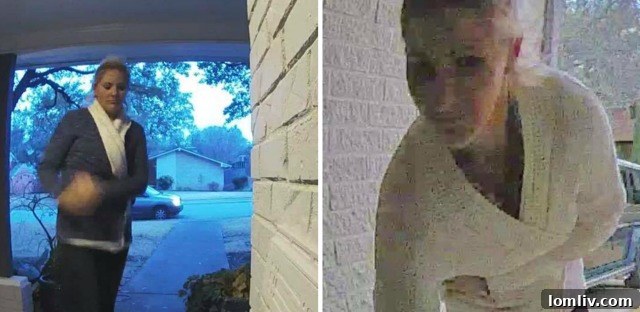
The exponential growth of e-commerce has brought with it an unfortunate side effect: the rise of “porch piracy,” where criminals steal packages delivered to doorsteps. Previously, stealing a package off someone’s porch in Texas was typically classified as a Class C or Class B misdemeanor, depending on the value of the stolen goods. The penalties were often minor, offering little deterrence to repeat offenders.
However, porch pirates in Texas now face significantly tougher penalties, as these acts have been elevated to felony status. Under the new law, the severity of the felony charge is directly tied to the number of victims:
- Stealing from 10 people or fewer will result in a state jail felony charge, punishable by six months to two years in a state jail and fines up to $10,000.
- Stealing from 20 to 50 people elevates the crime to a second-degree felony, carrying a potential sentence of two to 20 years in prison and fines up to $10,000.
- Stealing from more than 50 people will be classified as a first-degree felony, the most serious category, with penalties ranging from five years to 99 years or life in prison, along with fines up to $10,000.
This stringent new law reflects the legislature’s recognition of the widespread impact of porch piracy, which not only causes financial loss but also creates a significant sense of violation and insecurity for homeowners. It provides law enforcement with more robust tools to prosecute these crimes, aiming to significantly deter package theft across the state.
Spoof Number Use by Telemarketers Illegal: Protecting Texans from Deception (House Bill 1992)
Few things are as frustrating as receiving a call from an unfamiliar number only to discover it’s a telemarketer using a “spoofed” local number to trick you into answering. This deceptive practice has been a persistent annoyance and a gateway for various scams, eroding trust in phone communications.
As of today, this practice is explicitly banned in Texas thanks to House Bill 1992. The new legislation prohibits the practice of tampering with information transmitted to caller IDs when the intention is to dupe people into answering the call. This means telemarketers and other callers can no longer intentionally manipulate caller ID information to mask their true identity or location in an attempt to mislead recipients.
HB 1992 is a significant step towards restoring transparency and trust in phone calls. It empowers consumers to better identify legitimate callers and filter out unsolicited and potentially fraudulent calls. While it may not eliminate all unwanted calls, it provides a legal framework to combat one of the most insidious tactics used by telemarketers and scammers, ultimately protecting Texans from deceptive practices and reducing the prevalence of bothersome calls.
Other Noteworthy Changes: A Glimpse at Broader Impacts
While our focus has been on real estate and major consumer protections, it’s worth noting the vast diversity of the new laws. For instance, the legalization of brass knuckles for personal defense reflects a shift in personal liberty discussions. Similarly, the legalization of lemonade stands for child entrepreneurs streamlines local regulations, encouraging small-scale business ventures without undue red tape. These seemingly disparate laws collectively illustrate a legislative session that touched upon nearly every facet of Texan life, reflecting a dynamic and evolving regulatory environment.
Conclusion: A More Transparent and Secure Texas
The recent legislative session has ushered in an era of significant change for Texas. From the foundational reforms impacting real estate transactions and insurance claims to the direct measures combating porch piracy and deceptive telemarketing, these new laws are designed to create a more transparent, secure, and consumer-friendly environment. Homeowners will benefit from clearer disclosure requirements and fairer insurance practices, while all Texans can expect greater protection against various forms of fraud and theft. Staying informed about these crucial updates is essential for every resident to navigate the evolving legal landscape and ensure compliance, ultimately contributing to a more protected and prosperous future for the Lone Star State.