Revitalizing Our Cities: Placemaking Visionary Fred Kent Visits Dallas
Dallas is set to host a pivotal event for urban enthusiasts and design professionals as Fred Kent, a globally recognized authority on placemaking, prepares to speak at the esteemed Dallas Architecture Forum. As the visionary Founder and President of the Project for Public Spaces (PPS), Kent’s insights into transforming urban environments are unparalleled. His work consistently places him at the forefront of discussions surrounding city livability, smart growth initiatives, and the broader future of our urban landscapes.
His upcoming presentation promises to delve deep into the principles and practices that have reshaped public spaces across the globe, offering invaluable perspectives to Dallas residents and stakeholders eager to enhance their own community’s vibrant potential.
Understanding Placemaking: A Collaborative Approach to Urban Vitality
For those new to the concept, “placemaking” extends far beyond conventional urban planning. The Project for Public Spaces offers a comprehensive definition that encapsulates its collaborative and community-centric essence:
As both an overarching idea and a hands-on approach for improving a neighborhood, city, or region, Placemaking inspires people to collectively reimagine and reinvent public spaces as the heart of every community. Strengthening the connection between people and the places they share, Placemaking refers to a collaborative process by which we can shape our public realm in order to maximize shared value. More than just promoting better urban design, Placemaking facilitates creative patterns of use, paying particular attention to the physical, cultural, and social identities that define a place and support its ongoing evolution.
With community-based participation at its center, an effective Placemaking process capitalizes on a local community’s assets, inspiration, and potential, and it results in the creation of quality public spaces that contribute to people’s health, happiness, and well-being.
This definition underscores that placemaking is not merely about aesthetics or infrastructure; it’s about fostering human connection and enriching lives through thoughtfully designed and programmed public spaces. It emphasizes that the most successful public spaces are those that reflect and serve the unique needs and aspirations of the communities that inhabit them.
Fred Kent and the Legacy of Project for Public Spaces
Fred Kent’s influence on urban development cannot be overstated. Through PPS, he has championed a radical shift from top-down planning to a community-driven model where citizens are empowered to actively participate in shaping their environments. Founded in 1975, PPS has grown into a globally recognized nonprofit planning, design, and educational organization dedicated to helping communities create and sustain public spaces that truly thrive.
PPS’s pioneering placemaking approach has been instrumental in helping citizens transform their public spaces into vital hubs that celebrate local assets, stimulate economic rejuvenation, and cater to diverse community needs. Their extensive portfolio includes successful projects in over 3,000 communities across 43 countries and all 50 U.S. states, showcasing the universal applicability and profound impact of their philosophy. This global network is further strengthened by more than 900 members worldwide who form the PPS Placemaking Leadership Council, a testament to the movement’s widespread adoption and collaborative spirit.
The Transformative Power of Community-Led Design
Nate Eudaly, Executive Director of the Dallas Architecture Forum, eloquently articulates the unique value of PPS’s methodology: “The Project for Public Spaces provides a unique approach to traditional ‘urban planning’ by engaging and assisting the members of a community in creating their own public spaces, rather than working from a ‘top-down’ perspective.” This emphasis on grassroots involvement is a cornerstone of effective placemaking, ensuring that projects are not just imposed on communities but are instead organically grown from within.
Eudaly further highlights the multidisciplinary expertise that underpins PPS’s success: “Not only is Fred Kent a leading authority in this approach, he also spearheads a team of professionals who draw upon many disciplines, from environmental design, architecture, urban planning, and geography, to environmental psychology, landscape architecture, arts administration, and information management to help communities create or revitalize public spaces around the world.” This holistic approach acknowledges that truly great public spaces are the result of integrating diverse perspectives and specialized knowledge.
Key Principles Guiding Successful Placemaking
- Community-Centered Design: The people who use the space are the experts. Their input and active participation are crucial from conception to implementation.
- Leveraging Local Assets: Identifying and building upon the unique cultural, historical, and physical characteristics of a place. Every community has existing strengths that can be amplified.
- Creating Multifunctional Spaces: Successful public spaces often serve multiple purposes, accommodating various activities and users throughout the day and across seasons.
- The Power of 10+: A concept popularized by PPS, suggesting that a great public space offers at least 10 reasons for people to be there, whether it’s a food market, public art, comfortable seating, or performance areas.
- Adaptability and Evolution: Recognizing that public spaces are dynamic and should be able to evolve over time, responding to changing community needs and trends.
- Fostering Social Connections: Designing spaces that naturally encourage interaction, dialogue, and a sense of belonging among diverse groups of people.
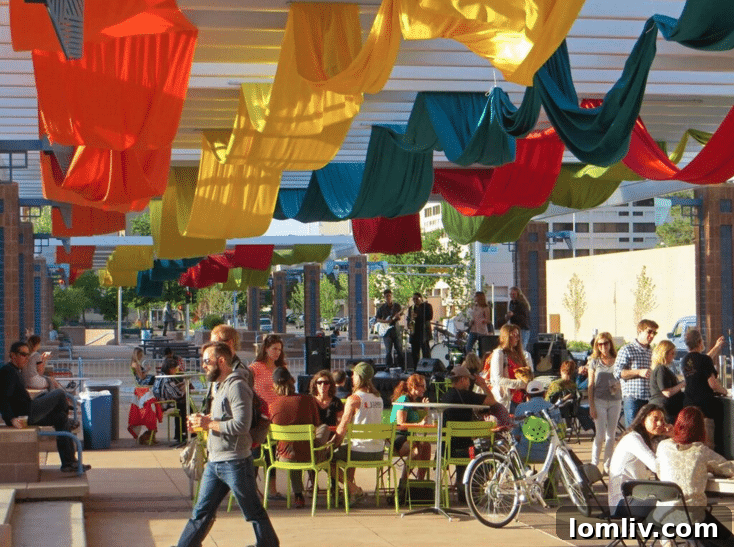
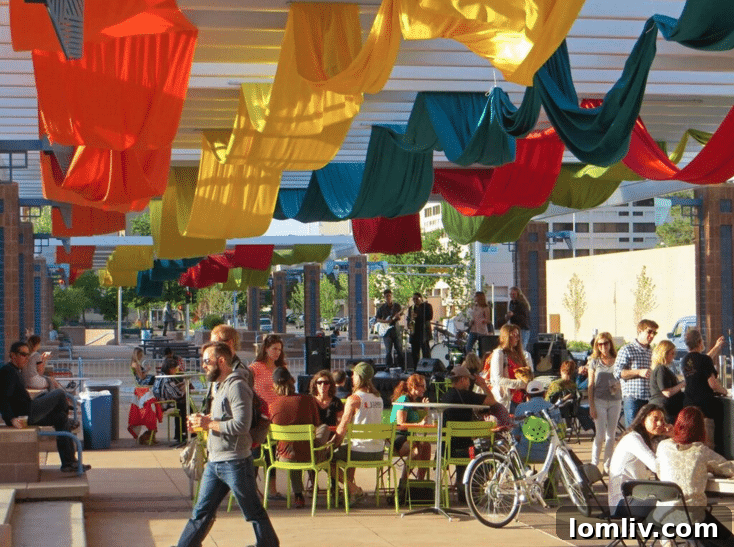
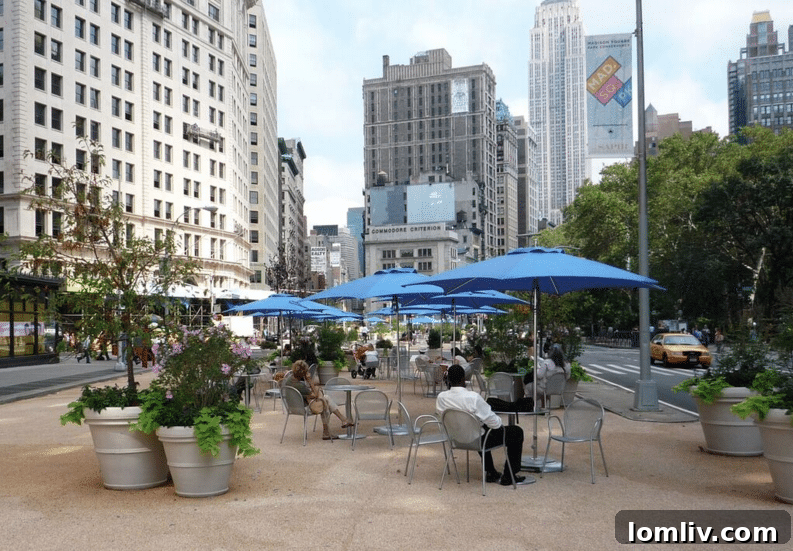
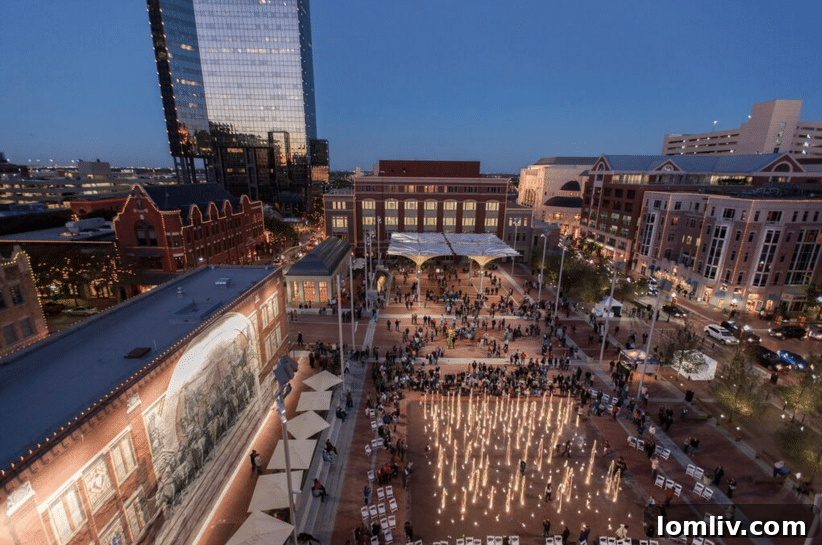
Examples like the Food Fridays at Sunset Market in Albuquerque, NM, Madison Square in NY, and Sundance Plaza in Fort Worth, TX, vividly illustrate these principles in action. These spaces are not just open areas; they are vibrant ecosystems where people gather, connect, and partake in shared experiences, significantly enhancing the quality of life for residents and visitors alike.
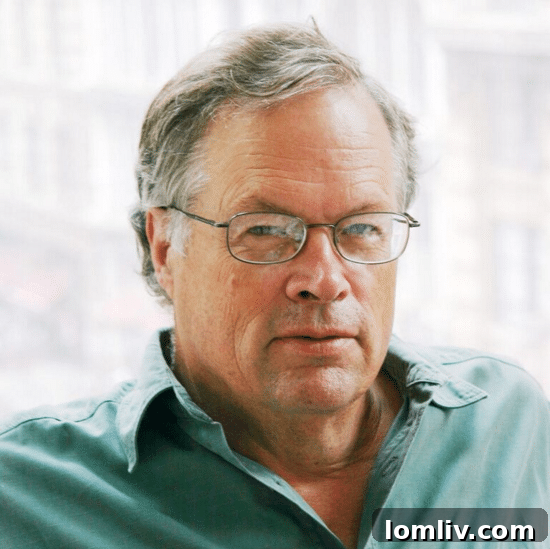
An Evening with Fred Kent: Event Details and Importance for Dallas
Fred Kent’s eagerly anticipated lecture is scheduled for Wednesday, May 4, at 7 p.m., held at the sophisticated Magnolia Theatre in the West Village, located at 3699 McKinney Ave. This event presents a unique opportunity for architects, urban planners, community leaders, students, and engaged citizens to learn directly from a master in the field of placemaking.
Attendees will gain invaluable insights into how Dallas can further develop its public spaces to foster stronger communities, stimulate local economies, and enhance the overall livability of the city. Kent’s talk will undoubtedly inspire new ideas and reinforce the importance of thoughtful, people-centered design in shaping our urban future.
Event Information:
- Date: Wednesday, May 4th
- Time: 7:00 p.m. (complimentary reception begins at 6:15 p.m.)
- Location: Magnolia Theatre, West Village, 3699 McKinney Ave, Dallas, TX
- Tickets: $20 for general admission, $5 for students (with valid ID). Tickets can be purchased at the door. No prior reservations are necessary.
- Benefits for Members: Dallas Architecture Forum members enjoy free admission to all regular Forum lectures as a valued membership benefit. Additionally, AIA members are eligible to earn one hour of CE credit for each lecture attended.
Don’t miss this chance to engage with one of the world’s leading voices in urban revitalization. Fred Kent’s visit is not just a lecture; it’s an invitation to envision and collaboratively build a more vibrant, inclusive, and joyful Dallas. His message is particularly relevant as cities globally grapple with challenges of urban sprawl, social isolation, and the need for sustainable community development.
For additional information regarding the Dallas Architecture Forum and their upcoming events, please visit their official website at www.dallasarchitectureforum.org or contact them directly at 214-764-2406. Be part of the conversation that shapes the future of Dallas’s public spaces.