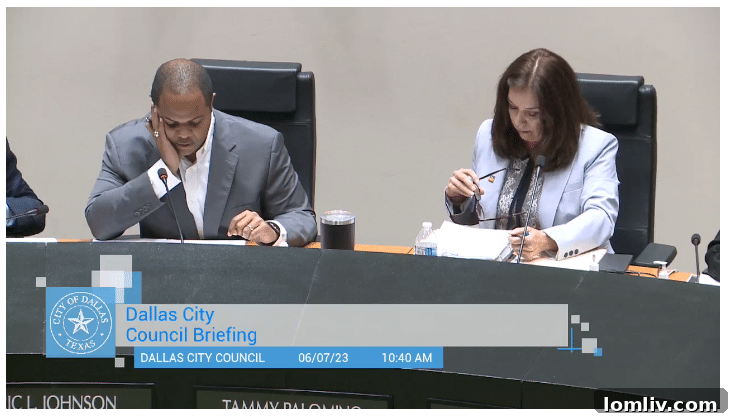
The burgeoning debate surrounding short-term rental (STR) properties in Dallas reached a critical juncture during a recent Dallas City Council briefing. City leaders convened to discuss new information and potential regulatory frameworks, yet deep divisions emerged, particularly concerning whether zoning amendments could effectively address the persistent issues of nuisance and crime associated with some STR operations. The ongoing discussion highlights a complex policy challenge, balancing property rights, economic opportunities, and the quality of life for Dallas residents.
During the pivotal Wednesday meeting, Julia Ryan, Director of Planning and Urban Design, presented a compelling recommendation. She advocated for integrating STR regulations directly into the existing registration ordinance. Her proposal included crucial measures such as density caps, aiming to consolidate all requirements within a single, streamlined, and easily enforceable framework. Ryan’s approach suggested a shift in perspective, focusing on the operators themselves rather than solely on land use classifications.

“We are primarily looking at an operator issue rather than a fundamental land use issue,” Ryan articulated, emphasizing the departmental stance. She elaborated, “You cannot effectively regulate the operators solely through zoning because the day-to-day operation of an STR is predominantly a code compliance matter.” This distinction underscored the department’s belief that while zoning defines what can be built and where, code compliance addresses how those properties are managed and operated, particularly concerning guest behavior and neighborhood impact.
However, Ryan’s recommendation was met with a mixed reception from the council members. District 14 Councilmember Paul Ridley expressed clear reservations about the substance of the proposal, indicating a preference for alternative strategies. Deputy Mayor Pro Tem Omar Narvaez went a step further, openly questioning Ryan’s role in making a recommendation at all. Narvaez pointed out that staff members were initially tasked with merely gathering and presenting data, not with offering personal opinions or policy suggestions. This exchange underscored the political sensitivities surrounding the STR issue and the intense scrutiny of the information presented.
In response to Narvaez’s challenge, City Manager T.C. Broadnax swiftly clarified the situation, asserting that Ryan was indeed explicitly asked to provide her professional opinion and expert insights. Assistant PUD Director Andreea Udrea further supported Ryan, stating that the department had extensively discussed the matter over several years, and Ryan’s statements accurately represented “the collective opinion of the department.” This clarification aimed to validate the expert advice provided by the city’s planning and urban design division, highlighting the depth of consideration given to the issue.
Following a robust three-hour briefing and the many questions that arose from the discussion, City Manager Broadnax later assured council members that his team would prepare a comprehensive, collective recommendation. This upcoming recommendation, requested by several council members seeking a unified staff perspective, is anticipated to address the myriad of concerns and questions raised during the intense Wednesday session, signaling a move towards a more consolidated policy direction.
The highly anticipated staff recommendation on Dallas STR regulations is expected to be delivered by Friday, June 9, with a crucial vote on the future of short-term rentals in Dallas officially planned for June 14. This impending vote is poised to be a landmark decision for the city, shaping its neighborhoods, tourism landscape, and real estate market for years to come.
The detailed presentation delivered on Wednesday, June 7, was a collaborative effort, meticulously compiled by a team of key city officials. This team included Julia Ryan, Director of Planning and Urban Design; Chris Christian, Director of Code Compliance; Brita Andercheck, Director of Data Analytics and Business Intelligence; and Andrew Espinoza, Director of Development Services. Their combined expertise provided a multi-faceted view of the challenge. For those wishing to review the full details, the presentation document is publicly accessible. Furthermore, archived videos of the Dallas City Council meetings are typically posted here within 24 hours of the meeting’s adjournment, offering transparency and accessibility to the public.
Dallas City Council Confronts Short-Term Rental Crisis
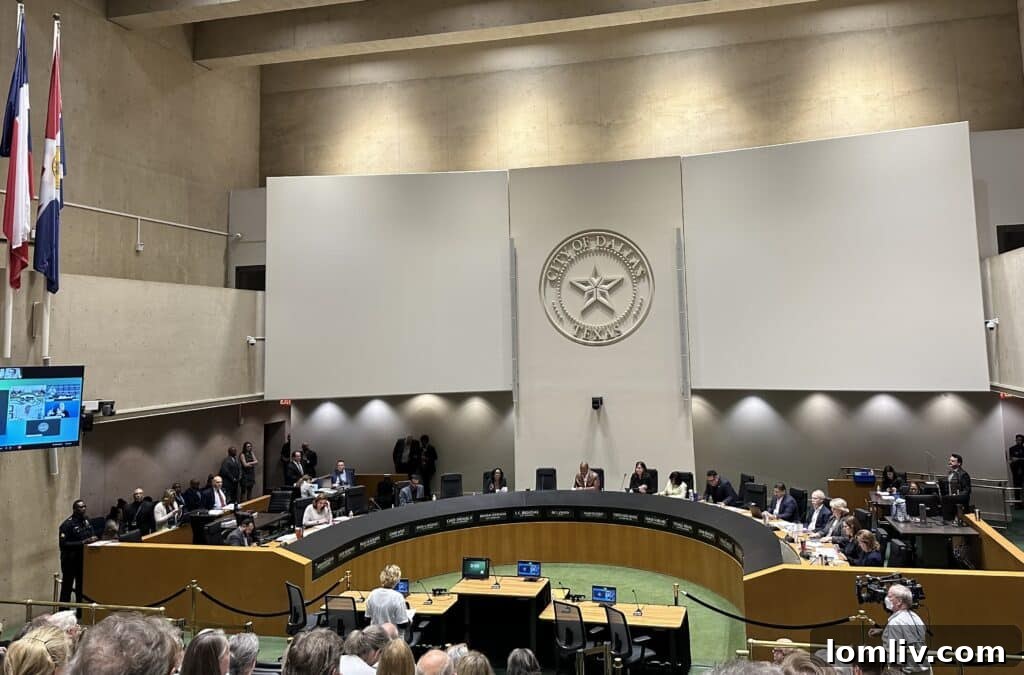
Wednesday’s Dallas City Council meeting once again saw the chambers packed to capacity, reflecting the widespread community interest and deep divisions surrounding short-term rentals. Homeowners grappling with neighborhood disruptions, STR operators advocating for their businesses, housing advocates concerned about affordability, and fed-up neighbors seeking peace and safety filled the room. The briefing was specifically designed to focus on the technical aspects of the debate, including various zoning options, the complexities of code enforcement, critical data analysis, and the implications of certificates of occupancy.
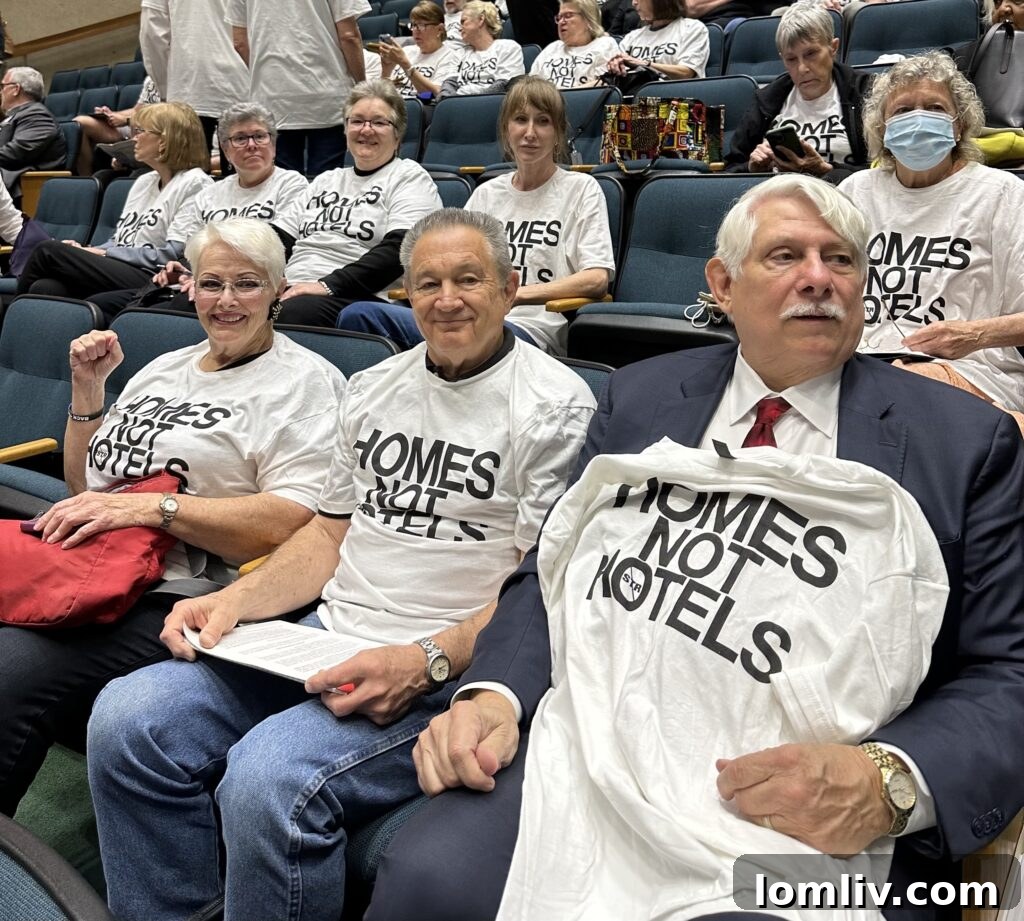
As in previous discussions, the sentiment among attendees was notably split, roughly 50-50. One vocal contingent firmly supported the “Keep It Simple Solution,” a proposal recommended by the City Plan Commission which largely favors restricting STRs in residential neighborhoods. This solution is viewed by its proponents as the most direct and effective way to restore neighborhood tranquility and protect residential zoning. On the other side, a passionate group of compliant, tax-paying STR operators and their supporters urged the council to explore alternatives that would allow their businesses to continue operating, arguing against a blanket ban and advocating for a more nuanced regulatory approach that distinguishes between responsible operators and problematic ones.
To provide context, neighboring Plano recently implemented a temporary, year-long ban on new short-term rentals, an action that garnered attention in Dallas. Some Dallas STR operators, during Wednesday’s discussions, suggested that such a temporary moratorium could serve as a quick, localized fix to allow the city more time to develop comprehensive, equitable regulations without immediately impacting existing, well-run STRs. This proposal reflects a desire for a measured approach rather than immediate, drastic changes.
Councilmember Chad West introduced a comprehensive, multi-pronged strategy designed to tackle the STR issues head-on. His proposal included several key elements: aggressively pursuing robust regulations to ensure accountability, establishing 24-hour enforcement mechanisms funded through hotel taxes to address immediate concerns, implementing strict parking requirements to alleviate congestion, imposing clear limitations on occupancy to prevent overcrowding, enforcing a city-wide party ban to curb disruptive events, and introducing a “two-or-three-strikes-you’re-out” program for repeat offenders. This detailed approach indicated a strong desire to bring order to the often-chaotic STR landscape.
“We must crack down on these issues,” West asserted emphatically. “These operators, especially the problematic ones, are out of control. Our protracted debate over the last four years has only served to exacerbate the problem, making it worse for our communities.” His words highlighted the urgency and frustration felt by many council members and residents regarding the perceived lack of swift, decisive action.
Under Councilmember West’s thoughtful proposal, single-family neighborhood STRs would be mandated to have an on-site caretaker, ensuring immediate oversight and accountability. Furthermore, any new STRs established in single-family areas would be subject to a significant distance requirement of 2,000 feet from existing registered STRs. West acknowledged the potential impact of this measure, stating, “My understanding from discussions with at least one of my colleagues is that this provision would, in practical terms, mean we are unlikely to see any significant number of new STRs in single-family zones across the city.”
Conversely, West suggested a different approach for multi-family STRs, arguing they should be allowed to operate without similar stringent stipulations. His rationale was that multi-family properties often have inherent regulatory mechanisms, such as homeowner associations or property management, which effectively regulate themselves. He underscored the need for the council to provide clear direction to city staff, concluding, “We have been deliberating this issue for four years, and I believe we, as a city, have been all over the board. It is imperative that we offer our staff precise guidance so we can finally move towards a definitive vote and resolution.”
District 12 Councilmember Cara Mendelsohn took a moment to acknowledge the “super-advocates” from both sides of the contentious short-term rental debate, recognizing their passionate engagement. However, she quickly clarified her primary allegiance. “While I respect the opinions and dedication of both groups, I want to be clear: I am not here solely for your specific interests,” she stated. “My role is to represent the typical homeowner and apartment-dweller and address the significant plight they face due to unchecked short-term rentals.” Mendelsohn emphasized her strong belief in private property rights but critically asserted that these rights must inherently include the rights of neighbors to enjoy peace and safety in their homes. She concluded her remarks with a definitive stance: “I simply do not see how single-family neighborhoods, which are designed for residential living, should be permitted to include commercial hotels operating within their confines.” This perspective resonated strongly with those seeking to preserve the traditional character of residential areas.
Unpacking the Data on Dallas Short-Term Rentals
The argument that Dallas STRs are often associated with crime and nuisance is substantially supported by compelling data. Recent incidents underscore these concerns, including multiple hospitalizations following a shooting at an STR on Southland Street in southwest Dallas on May 14, and another violent incident reported just last weekend in Midway Hollow. These events add gravity to the calls for stricter regulations. However, proponents of STRs counter this narrative by pointing out that crime is not exclusive to short-term rentals; incidents also occur in owner-occupied homes and traditional hotels, suggesting that the issue might be broader than just STRs themselves.
Providing a critical perspective from the community, District 4 resident Tom Forsyth highlighted alarming statistics. He stated that a disturbing total of eight shootings have occurred at Dallas STRs since 2019, painting a stark picture of the safety challenges. “This is the direct consequence when entire homes and apartments, meant for long-term residents, are transformed into de facto hotels without any on-site staff, adequate security measures, or meaningful accountability,” Forsyth powerfully argued. He continued, “STRs, particularly those operating unchecked, become breeding grounds for the worst in human behavior. There are countless daily assaults on nearby residents that frequently go unreported, leaving homeowners without relief, not from the police, and certainly not from current code enforcement.” Forsyth concluded his impassioned plea by advocating for a clear solution: “This is precisely why zoning is the most effective and equitable solution. It is straightforward, unambiguous, and, crucially, the easiest to enforce, providing clarity for everyone involved.”
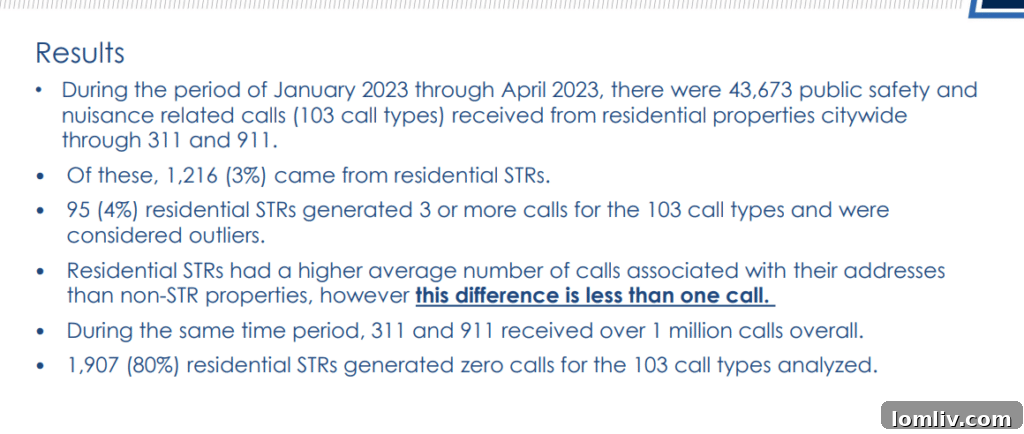
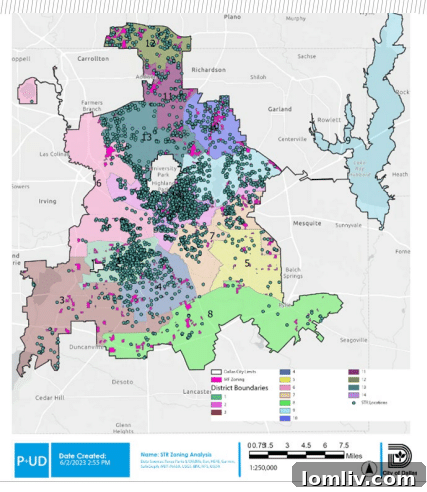
Brita Andercheck, Director of Data Analytics and Business Intelligence, provided valuable insights into the rigorous data collection efforts. She revealed that a team of 14 analysts dedicated over 1,100 hours to meticulously reviewing various data points, which resulted in the identification and addition of 147 previously unrecorded properties to the total number of known STRs operating within the city. As of March 27, approximately 1,765 Hotel Occupancy Tax-paying STRs were confirmed to be operating within Dallas city limits. A significant finding from this analysis was that about 95 percent of these registered STRs are situated in areas currently zoned for residential use, highlighting the direct impact on traditional neighborhoods.
District 13 Councilmember Gay Donnell Willis further dissected the presented data, drawing a crucial distinction. Addressing Andercheck, Willis pointed out, “You presented the data suggesting that 80 percent of STRs did not receive any calls for service. However, the critical flip side of that statistic is that a substantial 20 percent of STRs did generate calls.” She then drew a direct comparison to non-STR properties, noting, “In contrast, only 9 percent of non-STRs received calls.” Willis emphasized the significance of this disparity, concluding, “While we are indeed discussing a relatively small percentage of the overall housing stock—specifically 0.82 percent—it is unequivocally over-indexing in terms of calls for service. It is still generating a disproportionately higher number of issues and calls compared to traditional residential properties.” This analysis underscored the heightened impact of STRs on emergency and code compliance services.
Exploring Key Zoning Options for Short-Term Rentals in Dallas
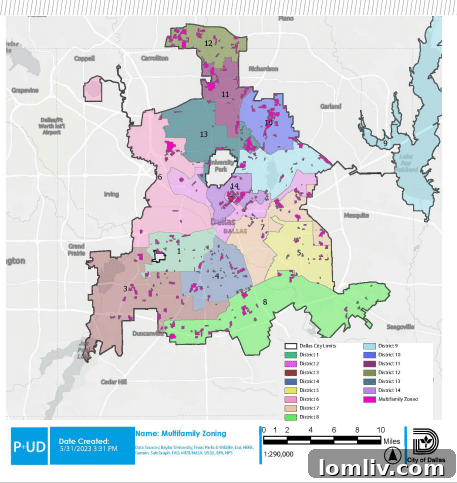
The Dallas City Council is currently evaluating four distinct zoning options, each offering a different approach to integrating or regulating short-term rentals within the city’s urban fabric. These options represent various attempts to balance the interests of property owners, residents, and the burgeoning STR industry. The first option under consideration is permitting STRs in more diverse districts, such as areas that already contain multi-family apartments. This approach seeks to concentrate STRs in areas where higher density and transient populations are already common, potentially reducing friction with single-family neighborhoods.

The second zoning option explores home-sharing specifically within accessory dwelling units (ADUs). This proposal would allow homeowners to rent out secondary units on their property, such as garage apartments or detached cottages, potentially fostering a more controlled form of STR operation that aligns with property use. The third option involves implementing a neighborhood overlay, which could be designed as either an “opt-in” or “opt-out” system. An opt-in system would require neighborhoods to actively vote to allow STRs, while an opt-out system would permit them by default unless neighborhoods specifically vote to ban them. This option places more control in the hands of local communities. Finally, the fourth option suggests considering STRs as a legitimate residential use. This approach would fundamentally reclassify STRs, integrating them more seamlessly into existing residential zoning categories, potentially with specific conditions or permits to manage their operation.
Addressing the practicalities of implementing any new regulations, Chris Christian, Director of Code Compliance, shed light on the challenges facing his department. While the City Council has requested an enforcement plan to launch within six months, Christian conveyed the significant difficulties in achieving such a rapid deployment. He detailed the likely limitations of an initial enforcement strategy, explaining, “You can expect enforcement to be primarily achieved with the following limitations: it will be reactive and complaint-based only, meaning we will only respond to reported issues rather than proactively monitoring. There will be no after-hours enforcement, but we will operate Monday through Sunday, specifically from 7 a.m. to 6 p.m.” Christian further clarified the response protocol for incidents occurring outside these hours: “Late-night or after-hours calls would unfortunately be investigated on the next business day.” He concluded by outlining the initial enforcement priorities: “Our primary focus will be on enforcing the failure to register as an STR and/or cases of illegal land use. This will continue until the necessary staff and resources we have requested are granted and/or the specialized software we have requested for more efficient management is approved.” This candid assessment highlighted the need for substantial investment in resources and technology to support any comprehensive regulatory framework for Dallas short-term rentals.