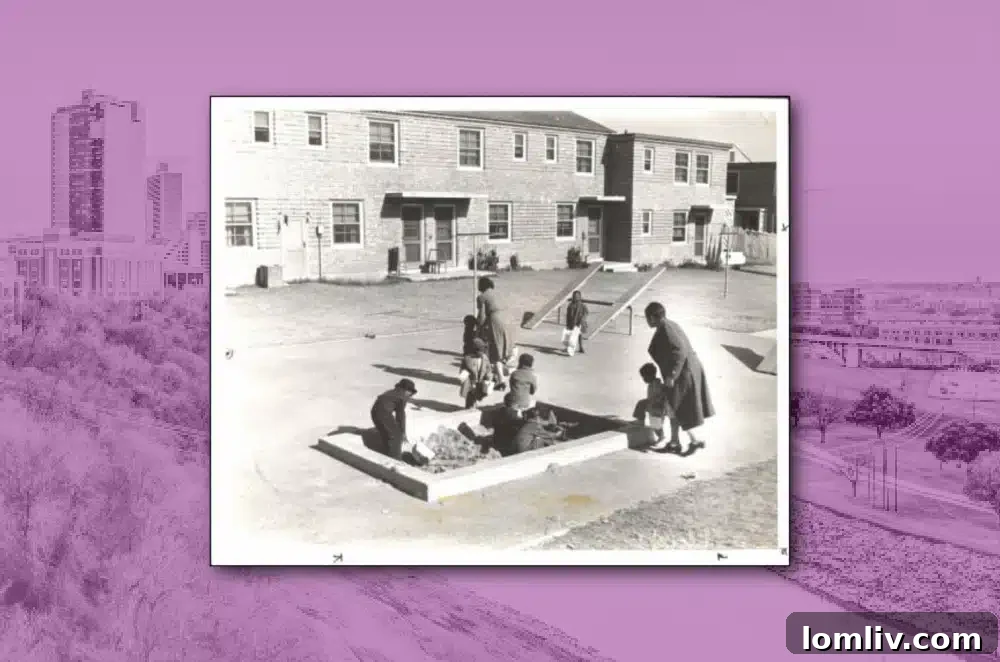

Fort Worth, Texas, a city known for its rich cultural tapestry, holds a profound history deeply rooted in the resilience and enduring spirit of its African American communities. Behind the bustling cityscapes and modern developments lie stories of pioneering activists, concrete streets laid through sheer determination, and walls torn down to forge connection – all integral chapters of Fort Worth’s past. These narratives were recently brought to light by the Tarrant County Black Historical & Genealogical Society, which presented a compelling lecture highlighting historically Black neighborhoods such as Como, Garden of Eden, Stop Six, Riverside/Rock Island Bottom, and Terrell Heights. The visionaries and pioneers of these communities not only shaped their immediate surroundings but also profoundly influenced the broader historical trajectory of Fort Worth, creating havens of culture, self-sufficiency, and social progress.

“These communities stand as powerful testaments to determination; they were established either as freedom settlement areas or meticulously built from the ground up by dedicated African American residents,” explains Megan Coca, the dynamic community outreach coordinator for the Tarrant County Black Historical & Genealogical Society. As the lead presenter for the library’s insightful lecture, Coca emphasized the profound, yet often overlooked, historical layers embedded within the city. “It served as an invaluable opportunity for people to pause, reflect, and truly observe their surroundings,” she noted, adding, “There’s a depth of history here far greater than many might ever realize, waiting to be rediscovered and celebrated.” This ongoing work of uncovering and sharing these narratives is crucial for understanding the complete story of Fort Worth.
Fort Worth’s Freedom Settlement Areas: Building Foundations of Self-Determination
The intricate history of Fort Worth’s Black communities is, of course, richly peppered with inspiring stories of formidable leaders who possessed an unwavering vision for their neighborhoods. These narratives, particularly resonant during Black History Month, highlight incredible acts of self-determination, community building, and resistance in the face of systemic challenges. The concept of “freedom settlements” is central to this understanding, representing areas where formerly enslaved people and their descendants could establish independent lives, build homes, churches, and businesses, and foster vibrant cultural identities outside the direct oversight of white society. These were not merely places to live; they were declarations of autonomy and resilience.
Consider the remarkable story of Amanda Davis from the Stop Six community, a true pioneer whose legacy continues to inspire. Born in 1865, a mere two years after the Emancipation Proclamation, Amanda Davis broke significant barriers by becoming the first land-owning African American woman in Fort Worth. Her courageous act of purchasing an acre of land for $45 was far more than a simple transaction; it was a profound assertion of independence and economic empowerment in an era where property ownership for Black individuals, especially women, was fraught with immense obstacles. Her visionary action laid foundational stakes for future generations, symbolizing stability and the promise of a brighter future. Deservedly, two neighborhood streets in Stop Six bear her name, ensuring that her indelible contribution to the community is perpetually recognized and honored by all who traverse those paths.

Another titan of community activism was Viola Pitts, affectionately known as the “unofficial mayor of Lake Como.” Her tireless efforts epitomized the spirit of advocacy within these neighborhoods. Pitts famously spearheaded the dismantling of a formidable brick wall that physically and symbolically separated her cherished community from the rest of Fort Worth. This wall was a stark reminder of segregation and inequity, and its removal was a momentous victory, symbolizing the tearing down of barriers and the push for integration and equal access. Her unwavering commitment ensured that the voices of Lake Como residents were heard and their rights championed. Similarly, the establishment of the Tarrant County Black Historical & Genealogical Society in 1977 was a critical milestone, thanks to the vision of Lenora Rolla. Rolla understood the urgent need to systematically collect, preserve, and share the invaluable histories of African Americans in Tarrant County. Today, her name gracefully adorns the building housing that very society, the Lenora Rolla Heritage Center Museum, a fitting tribute to her foresight and dedication to historical preservation.
Megan Coca, holding a distinguished degree in history from Texas State University, continues this vital work with immense passion and commitment. Her efforts extend beyond academic research; she actively engages with communities to gather and safeguard their historical narratives. In addition to forging a robust partnership with the Fort Worth Public Library, which serves as a crucial repository for over 200 boxes of priceless historical material—including documents, photographs, and artifacts—Coca has meticulously collected numerous invaluable oral histories. These firsthand accounts from elders and long-time residents provide an intimate, authentic perspective on the challenges and triumphs of Fort Worth’s Black communities, ensuring that the human element of history is never lost.
Forging Neighborhood Connections Through Living History
“Our organization benefits from an already deeply established and incredibly strong network within these communities, and I’ve been fortunate to work within that existing framework while also branching out to discover new connections,” Coca shares, highlighting the organic nature of her outreach efforts. Her approach emphasizes authentic engagement: “I’m truly learning from the ground up, from the individuals who have lived this history. A significant part of my learning process involves making genuine connections through word of mouth, listening intently to the stories passed down through generations.” This method allows for a more nuanced and empathetic understanding of the past, capturing the essence of community life that might otherwise be missed in official records.
One of her most treasured sources of information and inspiration has been “Miss Sarah,” as Sarah Walker is affectionately known throughout the community. Sarah Walker, who currently serves as the esteemed president emeritus of the Tarrant County Black Historical Society, embodies a living link to the past. She provided Coca with invaluable, first-hand knowledge, including vivid accounts of how her own mother, with unwavering resolve, championed the cause to ensure that the Rock Island Bottom area received concrete roads – a seemingly simple infrastructure improvement that represented a monumental step toward equity and modern amenities for a marginalized community. Such stories underscore the profound impact individuals had on improving daily life and advocating for essential services in their neighborhoods.
Dynamic Projects Underway to Preserve and Celebrate Fort Worth Black History

The Tarrant County Black Historical and Genealogical Society, a dedicated non-profit organization established with the critical mission to preserve, document, and celebrate the immense historical contributions of African Americans in the county, is strategically located at 1020 E. Humbolt St. This significant address places the society right within the heart of the Terrell Heights Historic District, an area that is currently experiencing dynamic revitalization and is poised to become a thriving hub of business development projects. This positioning allows the society to be a beacon of historical consciousness amidst modern progress, ensuring that the past informs the future.
The Terrell Heights district itself pays homage to the enduring legacy of the distinguished Black educator, I.M. Terrell, whose contributions to education and community upliftment were foundational. Adding to the district’s growing prominence and historical significance is the planned construction of the National Juneteenth Museum. Slated for completion in 2025, this monumental project will serve as a national beacon, educating visitors about the origins and importance of Juneteenth – a pivotal moment in American history marking the emancipation of enslaved people in Texas. Fort Worth is also home to living legend Opal Lee, a revered activist widely credited with tirelessly promoting Juneteenth as a federal holiday. Ms. Lee, along with countless other deeply knowledgeable Fort Worth residents, represents a vibrant, living archive of the city’s complex and inspiring history.
Reflecting on these powerful connections, Megan Coca articulates the profound privilege of her work: “The individuals I’ve had the honor to meet and learn from have so much wisdom and experience to impart. It has been an incredibly enriching and truly great experience to hear the history of Fort Worth, with all its triumphs and trials, directly through their eyes and voices. Their stories are not just historical facts; they are living legacies that continue to shape our understanding of community, resilience, and the ongoing pursuit of justice.” The collective efforts of the historical society, its dedicated staff, and the vibrant community members ensure that Fort Worth’s rich Black history is not only preserved but actively celebrated and passed on to enlighten future generations, cementing its place in the broader American narrative.