The Legend of Pizza Rat and the Unseen Challenge of Urban Rodents
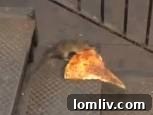
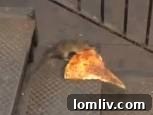
The year 2015 gave birth to an unlikely internet sensation: Pizza Rat. This humble rodent, filmed dragging a formidable slice of pizza down the stairs of a New York City subway station, became an instant viral hit. What started as a comical spectacle quickly evolved into a symbol, sparking widespread debate about urban sanitation, human waste habits, and the ever-present challenge of managing rodent populations in our cities. It was a stark reminder of the consequences when food waste isn’t properly disposed of, finding its way into the opportunistic grip of urban wildlife.
The slice found its way into the grip of an ambitious rat that dragged it down the stairs of the First Avenue L station in Manhattan early Monday. A video of the spectacle spread quickly online, amassing more than two million views on YouTube, and a star was born: Pizza Rat.
The fascination with Pizza Rat went beyond mere amusement. It prompted discussions that paralleled other moments of viral absurdity, like the much-publicized incident involving Ahmed Mohamed and his homemade clock in Irving, Texas. Could Pizza Rat, too, be invited to the White House for its unintentional role in highlighting urban issues?
New York City’s Persistent Pest Problem and MTA’s Controversial Solution
New York City’s rat problem is legendary, a direct consequence of its dense population, enormous volume of daily waste, and intricate subway system. With millions of people living in close proximity, the sheer quantity of discarded food and garbage creates an ideal environment for rodents to thrive. The subway, in particular, offers a vast network of sheltered tunnels, ample food sources, and constant traffic, making it a perfect haven for rats.
The MTA Experiment: Less Bins, More Responsibility?
In an effort to combat the perpetual overflow of trash and encourage riders to be more responsible, the Metropolitan Transportation Authority (MTA) embarked on a controversial experiment. They removed trash cans from 39 subway stations, hoping that commuters would be compelled to carry their garbage out of the system. The logic was simple: no bins, no accumulation of trash. However, the reality proved to be far more complex and, for many, deeply flawed.
Instead of tidier stations, the experiment often led to more litter being dropped directly onto tracks and platforms, creating an even more inviting buffet for rats. This unintended consequence highlighted a critical dilemma in urban waste management: when infrastructure for proper disposal is removed, human behavior doesn’t always align with desired outcomes. The New York state comptroller, among others, voiced strong disapproval of this strategy, underscoring that trash removal remains an enormous logistical challenge in NYC.
The authority says about 40 tons of trash are removed from the system’s 3,500 trash containers each day.
This statistic, referring to the bins that *remain*, offers a stark illustration of the sheer scale of waste generated and the ongoing effort required to manage it, even with reduced infrastructure.
Dallas’s Dilemma: A Growing City and Its Rodent Residents
While New York City often takes center stage in discussions about urban pests, Dallas, Texas, faces its own significant rat problem. Despite the challenge of obtaining precise figures on rodent populations, the signs are clear. A June 2015 story in the Dallas Observer, aptly titled “Dallas Has a Rat Problem and it May Be Getting Worse,” highlighted the growing concern. Interestingly, the article noted that the “worsening” trend wasn’t necessarily due to a measurable increase in rat numbers, but rather a heightened public awareness of their presence and the damage they inflict.
Rats have coexisted with humans for centuries. Historically, responses ranged from calling a pest control professional to setting out poison, but a comprehensive, community-wide approach was often lacking. Dr. Mike Merchant, a pest management scientist at Texas A&M AgriLife Extension Service, observes that as Dallas expands and its neighborhoods age, more residents are encountering “rat legions.” This increased exposure isn’t just a matter of perception; it’s a tangible consequence of urban development.
The notion that awareness only began in the early 2000s might seem peculiar, suggesting a potential misinterpretation or focus on recent trends rather than historical context. Rodents have been a concern for much longer; perhaps the 2000s marked a period of renewed emphasis on property damage and public health in the rapidly developing Dallas area.
The Anatomy of a Rat Haven: Why Dallas is Attractive to Rodents
Unlike New York City, which is physically constrained, Dallas and its surrounding suburbs like Frisco and Prosper continue to expand. Dr. Merchant’s observations suggest that this growth, coupled with increasing population density in established Dallas neighborhoods, directly correlates with a rise in visible rat activity. The more people, the more waste, and the more potential habitats. Furthermore, Dallas’s natural landscape, with its numerous creeks and green spaces, offers rats ample opportunities for shelter, water, and foraging, especially in milder weather.
A rat’s survival hinges on three basic elements: shelter, food, and water. Urban environments, especially those with lush landscaping and abundant waste, provide these in spades. In Dallas, specific areas like the Park Cities have become notorious rat hotspots:
All a growing rat needs is shelter, food and water. What better than an urban environment rich with trash, berries, pecans, acorns, untended attics, dog food, old tool-sheds, bird feeders, copious trees and lots of water, because Dallas loves its green lawns. Flush grass, despite any chemicals it’s sprayed with, gives birth to insects. Rats eat those too. “They love munching on roaches,” says Johnson. The Park Cities, with its luscious, ornate and well-watered landscaping, is a Disney World for the nose-twitching set. When a grass field is razed to make way for a mansion, just remember that its builders are setting out a door mat to welcome more than people.
The implication is clear: the very elements that make areas like the Park Cities beautiful—abundant trees, manicured lawns, and generous landscaping—also create an ideal, resource-rich ecosystem for rats. The practice of maintaining lush green lawns, often requiring significant watering, can inadvertently foster insect populations that serve as an additional food source for rodents. Furthermore, the construction booms that replace open fields with sprawling mansions can displace existing wildlife, pushing them into closer proximity with human dwellings and readily available food sources like pet food, fallen fruit, and discarded human refuse. This dynamic creates a challenging environment where human aesthetics and rodent proliferation become intertwined.
The Broader Implications of Urban Rodent Infestations
Beyond the “ewww” factor and the occasional viral video, urban rodent infestations pose significant threats to public health, property, and quality of life. Rats are carriers of numerous diseases, including salmonellosis, leptospirosis, hantavirus, and plague, which can be transmitted to humans through their droppings, urine, bites, or fleas. Their constant gnawing habits can cause extensive damage to infrastructure, including electrical wiring (leading to fire hazards), plumbing systems, and building foundations, incurring substantial repair costs for homeowners and municipalities alike.
Economically, businesses suffer losses due to contaminated food, damaged goods, and tarnished reputations. The psychological impact on residents, from the anxiety of encountering rats to the frustration of persistent infestations, can also be considerable. Effective rodent control is not merely about nuisance management; it’s a critical component of maintaining a healthy, safe, and sustainable urban environment.
Effective Strategies for Rodent Control and Prevention in Our Cities
Addressing the urban rat problem requires a multi-faceted approach involving individual responsibility, community action, and robust municipal strategies. Integrated Pest Management (IPM) is key, focusing on long-term prevention through a combination of techniques:
- Sanitation and Waste Management: This is arguably the most critical step. Proper disposal of all food waste in sealed, rodent-proof containers is essential. Regular and efficient garbage collection services are paramount. Residents should avoid leaving pet food outdoors overnight and ensure compost bins are secure.
- Exclusion and Proofing: Sealing entry points into homes and buildings is vital. Rats can squeeze through surprisingly small openings (as little as a quarter-inch). Inspect foundations, utility lines, and roofs for gaps and cracks, repairing them with durable materials like steel wool, hardware cloth, or cement.
- Habitat Modification: Eliminating potential hiding and nesting spots helps. This includes trimming overgrown vegetation, clearing clutter from yards and basements, stacking firewood neatly off the ground, and maintaining tidy landscaping. Reducing access to water sources, such as leaky faucets or standing water in clogged gutters, also deters rats.
- Public Awareness and Education: Educating residents about rat behavior, health risks, and prevention techniques is crucial. Community campaigns can foster a collective sense of responsibility and empower individuals to take proactive measures.
- Professional Pest Control: For existing infestations, professional pest control services are often necessary. They can accurately identify the species, locate entry points, apply appropriate treatments, and advise on long-term prevention strategies.
- Policy and Infrastructure: Municipalities must invest in infrastructure that supports effective waste management, including rodent-proof public bins and regular cleaning of public spaces and subway systems. Policies that encourage green building practices and sustainable urban planning can also play a role in minimizing rodent habitats.
The story of Pizza Rat, while entertaining, served as a potent, albeit unappetizing, reminder of the intricate relationship between human urban living and the resilience of wildlife. It underscored that our daily habits, particularly concerning waste, have direct and visible consequences. Managing urban rodent populations is an ongoing challenge that demands continuous vigilance, innovation, and a collaborative effort from every city dweller. By understanding the root causes and implementing comprehensive prevention strategies, we can hope to keep our cities cleaner, healthier, and perhaps, free from the unexpected viral fame of another ambitious rodent.