The Demise of a Dallas Architectural Icon: O’Neil Ford’s Penson House and the Future of Prime Highland Park Real Estate
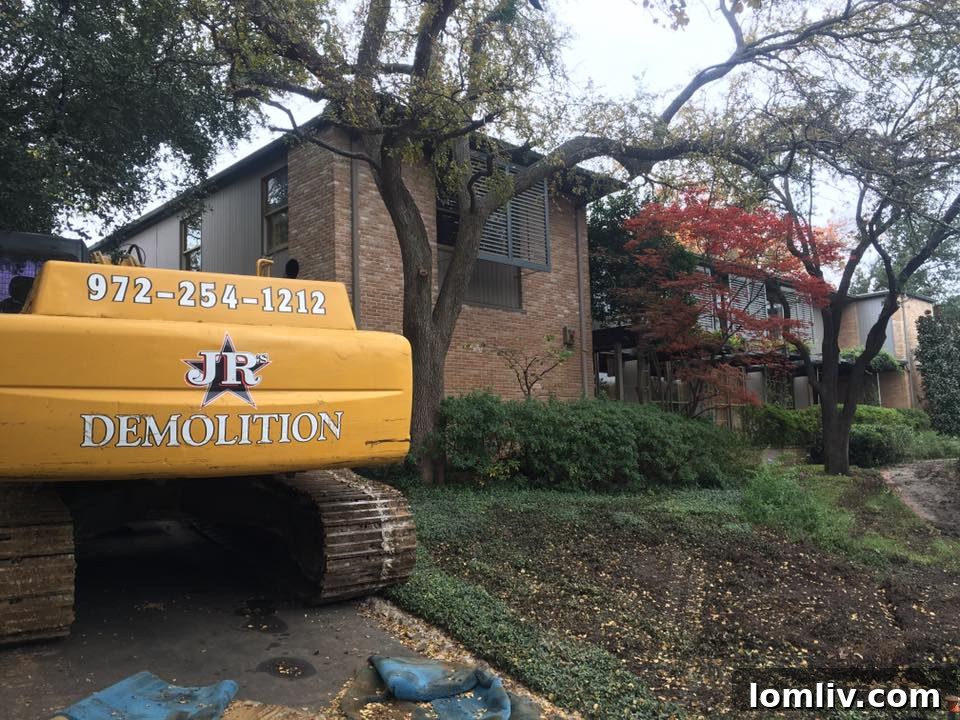
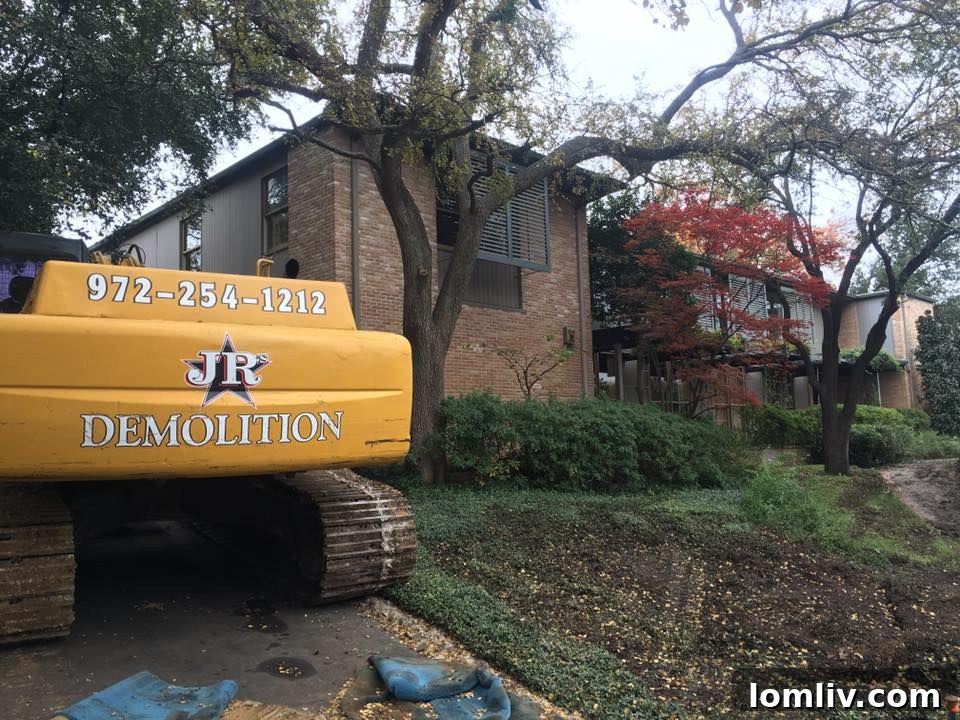
The architectural landscape of Dallas, particularly within the prestigious enclaves of Highland Park, recently witnessed a significant and controversial event: the demolition of the esteemed Penson House. Designed by the legendary architect O’Neil Ford, this mid-century modern masterpiece, once home to prominent Dallas philanthropists Jack and Nancy Penson, was razed just this week. Its destruction, following its purchase at auction by Lucien “Lute” Riley, has ignited passionate discussions about architectural preservation, the relentless march of development, and the soaring value of prime land in one of America’s most exclusive neighborhoods. The vacant lot at 3756 Armstrong Avenue is now back on the market, presenting a rare opportunity that is capturing the attention of the entire luxury real estate market in Dallas.
O’Neil Ford’s Enduring Legacy in Texas Architecture
To truly understand the weight of the Penson House’s loss, one must first appreciate the legacy of its creator, O’Neil Ford. A towering figure in 20th-century Texas architecture, Ford was celebrated for his unique regional modernism. His designs often harmonized with the natural environment, utilizing local materials, emphasizing natural light, and creating spaces that felt both modern and deeply connected to their surroundings. Ford’s work, which includes iconic structures like the Tower of the Americas in San Antonio and numerous university buildings across the state, fundamentally shaped the architectural identity of Texas. He was a pioneer in advocating for sustainable design long before the term became commonplace, integrating innovative construction techniques with a profound respect for craft and local tradition.
The Penson House: A Mid-Century Modern Jewel
Built in 1954, the Penson House was a quintessential example of Ford’s residential genius. It embodied the sleek lines, open floor plans, and seamless indoor-outdoor living that defined the mid-century modern architectural style. For decades, it stood as a private sanctuary and a testament to the refined tastes of Jack and Nancy Penson, who were significant benefactors and cultural figures in Dallas. The house was more than just a dwelling; it was a carefully composed environment, demonstrating Ford’s mastery in blending aesthetic beauty with functional living. Its presence on Armstrong Avenue not only enhanced the street’s visual appeal but also served as a subtle, yet powerful, reminder of Dallas’s rich architectural heritage. The house contributed significantly to the perceived value and unique character of Highland Park real estate, distinguishing it from more conventional luxury properties.
The Controversial Demolition: A Loss for Architectural Heritage
The news of the Penson House’s impending demolition sent shockwaves through the community. Despite its recognized architectural significance and pleas from preservationists and admirers of Ford’s work, the decision to raze the structure proceeded. For many, the destruction of such a landmark was not merely the removal of a building, but the erasure of a piece of Dallas’s cultural fabric and architectural history. This event highlights the ongoing tension between property rights and the collective value of historic preservation, particularly in areas where land values are astronomically high. The rapid nature of the demolition, occurring just weeks after the property changed hands, intensified the public’s sense of loss and frustration.
Lute Riley’s Acquisition and the Public Reaction
Lucien “Lute” Riley’s purchase of the Penson House at auction was a transaction that quickly garnered significant attention. While the motivations behind such acquisitions often center on the inherent value of the land rather than the existing structure, the swift move to demolish an architecturally significant home like Ford’s Penson House sparked widespread disappointment. Architectural enthusiasts and concerned citizens took to various platforms to express their dismay, emphasizing the irreversible nature of the decision. This public outcry underscored a growing awareness and appreciation for historic architecture in Dallas, and a desire for more robust mechanisms to protect such treasures from the wrecking ball. The incident became a powerful case study in the broader debate about how cities balance economic development with the imperative of preserving their unique architectural identities.
The Unveiling of a Prime Lot: 3756 Armstrong Avenue
With the structure now gone, the focus has shifted entirely to the pristine parcel of land that remains. The property at 3756 Armstrong is not just any lot; it represents one of the most coveted addresses in Highland Park. Spanning an impressive .845 acres, or approximately 36,852 square feet, this substantial plot offers an unparalleled opportunity for new construction in an area where undeveloped land is exceedingly rare. The relisting of this land, represented by Allie Beth Allman – a prominent name in Dallas luxury real estate and Lute Riley’s agent – marks a pivotal moment. The market will now keenly observe how quickly this prime piece of “dirt” attracts a buyer, and at what price point it ultimately trades, as it has the potential to redefine land values in the area.
Highland Park’s Elite Real Estate Landscape
Highland Park is consistently ranked among the most affluent and desirable communities in the United States. Its allure stems from a combination of factors: impeccable infrastructure, top-tier schools, lush landscaping, stringent zoning regulations that ensure large lot sizes, and its strategic location immediately adjacent to downtown Dallas. The demand for properties in Highland Park far outstrips supply, driving property values to extraordinary levels. Buyers in this market are often seeking the space and exclusivity to build custom estates tailored to their exact specifications. The availability of nearly an acre of undeveloped land, free from the constraints of an existing structure, is a true rarity and a goldmine for those looking to build their dream home in this prestigious enclave.
The Unprecedented Price Point for “Dirt”
The asking price of $5.95 million for the vacant lot at 3756 Armstrong translates into staggering figures. At over $7 million per acre, or approximately $161 per square foot, this pricing strategy suggests an aggressive valuation for raw land. This isn’t merely a reflection of the market’s strength; it’s a bold assertion of the land’s inherent, intrinsic value in Highland Park. This figure has the potential to set a new benchmark for “dirt” sales in this exclusive part of Dallas, surpassing previous highs and underscoring the scarcity premium associated with prime undeveloped parcels. The market’s reaction to this pricing will offer critical insights into the future trajectory of **luxury land for sale in Highland Park**.
What Does This Mean for Dallas Luxury Real Estate?
The Penson House saga, from its demolition to the re-listing of the vacant lot, offers several key takeaways for the broader Dallas luxury real estate market. Firstly, it reaffirms the immense value placed on location and acreage in prime neighborhoods. For some buyers and developers, the cost and effort of acquiring and removing an existing structure, even one of architectural merit, are justified by the opportunity to develop a new, bespoke property on a coveted site. Secondly, it signals a strong confidence in continued appreciation for land assets in these elite areas, suggesting that developers anticipate recouping their investment with significant profits on future new builds. Finally, it highlights the potential for rapid transformation within established luxury markets, where older homes, regardless of their historical or architectural significance, may increasingly give way to newer, larger custom residences designed to meet contemporary demands.
The Debate: Land Value vs. Architectural Preservation
The case of the Penson House reignites a perennial and often contentious debate: how do communities balance the economic pressures of development and escalating land values with the crucial imperative of preserving architectural heritage? While property ownership grants certain rights, the public often feels a collective ownership over landmark structures that contribute to a city’s unique character and history. Finding a middle ground that encourages thoughtful development while protecting irreplaceable architectural gems remains a challenge for urban planners, preservation societies, and local governments. The Penson House serves as a powerful reminder of this delicate balance and the irreversible consequences when it is not achieved.
Conclusion: A Landmark Lot Awaits Its Future
The former site of the O’Neil Ford-designed Penson House at 3756 Armstrong Avenue stands as an empty canvas, yet it is anything but insignificant. It embodies a complex narrative intertwining Dallas’s architectural past, the dynamics of a hyper-competitive luxury real estate market, and the ongoing dialogue about preservation versus progress. As this prime lot awaits its next owner and its next architectural incarnation, its history will undoubtedly linger. The sale of this prominent address will not only be a significant transaction in Highland Park real estate but also a barometer for the evolving values and priorities within one of the nation’s most exclusive neighborhoods. The future of this storied location remains to be written, but its past, marked by an architectural icon, will certainly not be forgotten.