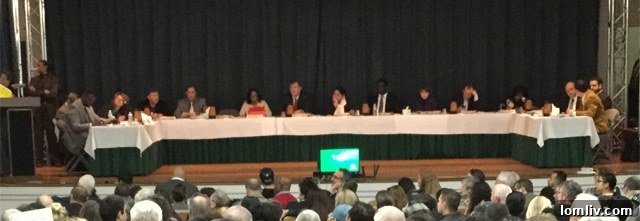
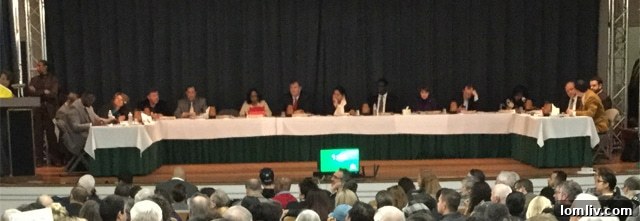
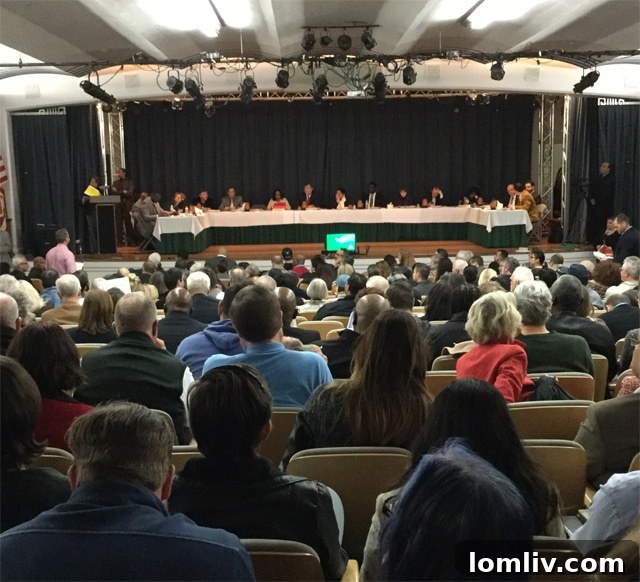
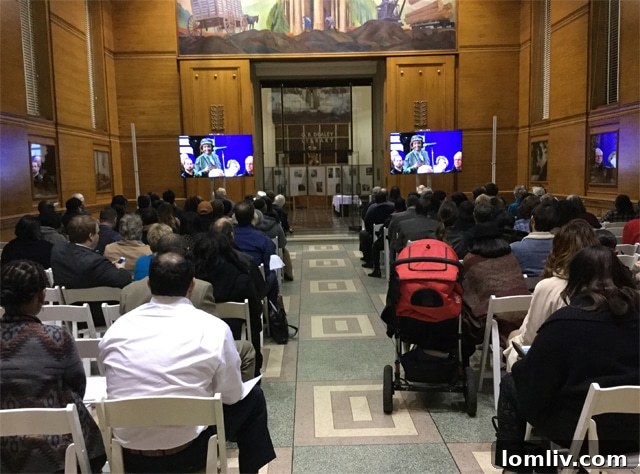
The future of Dallas’s iconic Fair Park hangs in the balance, a crucial topic recently brought to the forefront during a highly anticipated Dallas City Council meeting. Held at Fair Park itself, this open-door session aimed to provide a platform for citizens to articulate their perspectives on the Fair Park task force’s strategic proposals. However, for many, particularly community leaders from the surrounding neighborhoods, the timing and format felt less like genuine engagement and more like a staged event. As one prominent Black community leader critically observed, allocating merely two hours for public input after a year of intensive, largely opaque work by a task force was perceived as “a slap in the face,” highlighting a deep-seated frustration with the perceived lack of transparency and authentic community involvement.
The discourse surrounding Fair Park frequently circles back to its complex financial arrangements, particularly the revenue generated by the State Fair of Texas. Reflecting on a previous analysis, a key question emerged: how much rent does the city truly earn from the State Fair’s tenure at this historic site? An examination of the most recent financial statements available at the time (2013) revealed that the State Fair reported revenues exceeding $42.4 million, a significant increase from the previous year. Yet, for its extensive 3.5-month lease of Fair Park, the city of Dallas received a mere $1,784,185 in rent. This figure translates to an astonishingly low annual rental value of approximately $5,947,283 for the entire property, or a paltry $1,789 per acre per month.
Such a valuation immediately raises questions about whether this represents a fair market rate for a property of Fair Park’s caliber, a site listed on the National Register of Historic Places and boasting unique architectural significance. To put this into sharper perspective, consider that the non-profit State Fair of Texas allocated just over $3 million in salaries and benefits to its top nine executives—a sum that nearly doubles what it paid the entire city of Dallas for the use of Fair Park. The financial disparity becomes even more striking when one considers that the monthly rental value of a single acre at Fair Park, complete with its historical buildings and infrastructure, is comparable to the cost of renting a modest 917 square foot, one-bedroom apartment in the vibrant West Village. This stark comparison underscores a potential undervaluation of a prime public asset, prompting concerns about lost revenue and the equitable distribution of resources that could otherwise benefit the park and its surrounding communities.
The Imperative for Transformation: A Fork in the Road for Fair Park
The Dallas City Council finds itself at a critical juncture, facing a choice between two distinct paths, both of which inevitably lead to change. The first option entails wholeheartedly embracing and adequately funding the current task force’s comprehensive plan for Fair Park’s revitalization. This path represents a proactive commitment to breathing new life into the aging infrastructure, enhancing its functionality, and reintegrating it with the surrounding neighborhoods. The alternative, however, is a passive approach: to do nothing, allowing the park to continue its gradual decline into further disrepair for years to come. Regardless of the decision, change is assured – either the transformative progress born of strategic investment and thoughtful planning, or the physical deterioration that comes with continued neglect. The stakes are high, impacting not just the physical state of the park but also its cultural relevance and economic potential.
In the aftermath of the city council meeting, the prevailing sentiment revolved around the immediate question of action. There was a palpable anticipation that some level of financial commitment would be made, driven by political expediency if nothing else. It would be politically illogical for the council to undertake such a public and ceremonious meeting at Fair Park, attracting considerable media and community attention, only to once again defer the problem to future administrations. This public display, coupled with the presence of several politically connected speakers who offered what appeared to be pre-emptive congratulations for an unannounced decision, suggested an underlying momentum towards action. While the precise scope and scale of this investment remained unclear, the very act of convening such a highly visible session indicated an acknowledgment of the urgency and the necessity to move beyond mere discussion to tangible implementation.
Diverse Voices, Disparate Visions: “White In-Flight” and Nostalgia’s Grip
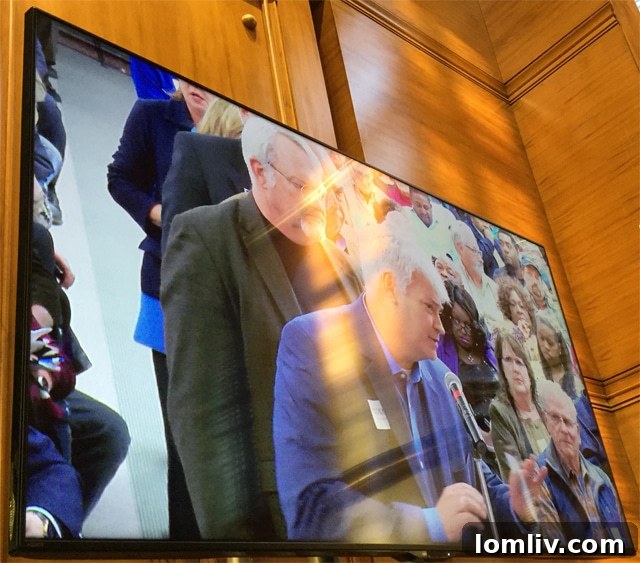
A striking contrast emerged between the demographics of this Fair Park meeting and a similar gathering held just a week prior. This time, the vast majority of attendees and speakers were white, many traveling from outside the immediate neighborhood. This demographic shift, with Black speakers comprising only about 25 percent of the total after more than an hour of testimonies, marked a significant reversal, likely attributable to the direct presence and authority of the City Council. The distinct perspectives offered by speakers from different racial backgrounds highlighted a profound divergence in their visions for Fair Park’s future, reflecting different historical connections and contemporary needs.
The contributions from many white speakers were largely imbued with a sense of wistful nostalgia, evoking idyllic childhood memories of the State Fair: the aroma of corn dogs, the dizzying thrill of Tilt-A-Whirls, and the artistry of butter sculptures. A recurring sentiment among these speakers was a desire to preserve the State Fair experience above all else, often articulated as, “Do what you want to the park as long as the State Fair remains unchanged.” This self-serving mantra, while understandable from a personal perspective, inadvertently overlooked the park’s broader needs and its potential to serve the wider community year-round. Many also characterized Fair Park as a “jewel,” accompanying this metaphor with self-congratulatory remarks about their personal involvement and a general deference to the council. Among the predominantly older, reading-glassed supporters, a scattering of newly relocated hipsters voiced their own specific interests, advocating for facilities such as movie screening venues or skateboard parks. Predominantly, these speakers seemed to envision Fair Park as a monument to their cherished past, a repository of their memories and idealized versions of what the park once was.
Crucially, many of these speakers appeared to overlook a critical piece of history: had Dallas’s white citizenry of the mid-20th century been able to physically relocate Fair Park, the current discussion would likely be centered on an empty crater. This poignant observation underscores a pervasive lack of understanding that the “toy” they once enjoyed was left behind, and its stewardship has since shifted. A notable exception was one eloquent gentleman who bravely addressed the expansive “parking lot moat” surrounding the park. He highlighted how approximately 80 acres of homes were razed to create this concrete expanse, which functions as a graveyard for cars for 11 months of the year. This moat, he pointed out, was deliberately acquired with the explicit purpose of racially segregating the park, a barrier largely controlled by the State Fair itself. In essence, many white speakers, including the granddaughters of Fair Park’s celebrated architect George Dahl, seemed primarily focused on restoring Fair Park to its perceived “heyday,” as if the surrounding area and its demographics had remained static for the past eight decades, ignoring the complex socio-historical transformations that had taken place.
“Basic Black”: Pragmatism and a Vision for Community Integration
In stark contrast to the nostalgic reflections, the limited number of Black speakers were characterized by their pragmatic approach and tangible requests for Fair Park’s revitalization. Unlike their white counterparts, who often romanticized a bygone era, these speakers articulated definite needs that emphasized the park’s integral role within its surrounding neighborhood and its potential as a powerful tool for upliftment. Their primary goal was not merely to see the park revitalized, a sentiment shared by white speakers, but to ensure it became a functional, accessible, and economically beneficial asset for the local residents. They advocated for opening the park’s facilities for local sporting events and educational programs, transforming it into a dynamic hub for community engagement. Furthermore, they envisioned the area as a business incubator, attracting investment and fostering economic growth that would directly benefit the long-underserved community.
The poignant testimonies from Black residents served as a powerful reminder of the deep historical injustices tied to Fair Park. One elderly Black woman recounted the humiliating experience of being turned away from the State Fair as a child in the 1930s, only to finally gain entry in the 1940s on the single designated day when Black individuals were permitted. This sobering narrative underscored that the legacy of bigotry and racial segregation is not a distant past but a living memory that continues to shape current perceptions and experiences. Such personal stories forcefully remind us that systemic discrimination is often just one generation removed, its impacts still felt and remembered.
The pleas for practical improvements extended to basic neighborhood infrastructure that is often taken for granted elsewhere in Dallas. A soft-spoken father passionately expressed the desperate need for quality, full-time employment opportunities for residents, highlighting the critical link between the park’s revitalization and economic empowerment. Another speaker called for essential amenities such as grocery stores, pharmacies, and quality restaurants – the fundamental components that make a neighborhood livable and vibrant. One woman’s request for improved internet access in an area she starkly described as a “digital desert” drew titters from some Caucasians seated nearby, a reaction that hopefully stemmed from ignorance about the pervasive digital divide in poorer urban areas, rather than indifference. Universally, these speakers demanded the removal of physical and metaphorical barriers that have historically amputated Fair Park from its rightful neighborhood. They envisioned a park that actively works for them, contributing directly to an improved standard of living and fostering a genuine sense of belonging.
The arguments put forth by the Black community leaders resonate deeply. White Dallas, decades ago, largely abandoned Fair Park for 11 months of the year, allowing its magnificent buildings to crumble and its surrounding neighborhoods to deteriorate. Consequently, it is no longer “their” park in the exclusive sense. The community that lives immediately adjacent to Fair Park, the one most profoundly affected by its state of disrepair and its potential, should undoubtedly hold the loudest voice in its rejuvenation. Unfortunately, a pervasive fear lingers that even a beautifully restored Fair Park, set within a revitalized neighborhood, may prove to be a short-lived dream for current residents. The specter of gentrification looms large, threatening to displace the very people who have endured decades of neglect and who now rightfully advocate for its equitable transformation.
While many speakers explicitly dismissed the notion of gentrification masquerading as mere displacement, the practical realities of urban development and rising property values often paint a different picture. It remains a significant challenge to envision how current residents can simultaneously retain their homes and benefit from a truly revitalized park and neighborhood. Despite this apprehension, there is an ardent hope that these fears are unfounded, for after decades of systemic disregard, the residents of Fair Park’s adjacent communities unequivocally deserve a neighborhood teeming with opportunity, functioning seamlessly, and anchored by a grand, fabulous park at its heart. The path to equitable revitalization requires more than just investment; it demands genuine commitment to social justice and inclusive development that protects existing communities.
However, the apprehension for the future remains a powerful underlying current.
Join the Conversation: Share Your Story and Shape Our City
Do you have a compelling HOA story to share, perhaps detailing the highs and lows of community living? Are you intrigued by the unique history of Dallas’s high-rise developments? Realtors, seize the opportunity to feature a listing that perfectly encapsulates a renovation challenge, or one that stands as a shining example of successful transformation. We are always eager to hear diverse perspectives and engage with the pulse of Dallas real estate and community life. Consider hosting a Candy’s Dirt Staff Meeting to discuss relevant topics. Even marriage proposals are welcome – they’re legal, after all! Share your insights and stories with Jon at [email protected]. Your voice helps shape the ongoing narrative of our vibrant city.