By Brenda Masse
Special Contributor
As spring unfurls its vibrant tapestry across Texas, it brings with it not just the promise of May flowers, but also the formidable challenge of unpredictable weather. High winds, torrential downpours, and violent hailstorms become a common spectacle, putting your home’s first line of defense—its roof—to the ultimate test. Ensuring your roof is in optimal condition is not merely a recommendation; it’s an imperative for safeguarding your property and peace of mind.
The Unseen Sentinel: Why Your Roof Demands Attention
Your roof is more than just a cover; it’s a complex system designed to protect your home from the elements. Over time, exposure to harsh sunlight, temperature fluctuations, and the relentless onslaught of storms can compromise its integrity. Even seemingly minor issues can escalate into significant problems, leading to costly repairs, structural damage, and potential health hazards like mold growth.
This comprehensive guide delves into the critical aspects of roof inspection, common vulnerabilities, and proactive measures homeowners can take to ensure their roof stands strong against Texas’s notoriously turbulent spring weather.
Professional Roof Inspection: Your First Line of Defense
A professional roof inspection is an invaluable tool for understanding the true condition of your roof. Expert inspectors possess the knowledge and experience to identify issues that might be invisible to the untrained eye, from subtle storm damage to underlying structural concerns. They provide a detailed assessment, helping you make informed decisions about repairs, maintenance, or replacement.
For instance, an older roof, even one that appears sturdy from the ground, can harbor numerous hidden defects. Our inspectors frequently uncover a range of problems stemming from aging materials and prolonged exposure:
In this illuminating video, Inspector Adrian provides a concise yet thorough explanation of common problems found on an older-aged roof. He highlights how years of wear and tear, coupled with harsh weather cycles, contribute to widespread issues such as missing granules, brittle shingles, and compromised sealant. These aren’t just cosmetic flaws; they are open invitations for water intrusion, significantly reducing the roof’s lifespan and increasing the risk of interior damage.
Understanding Common Roof Vulnerabilities
While an aging roof naturally succumbs to wear, certain weather phenomena and installation oversights create distinct vulnerabilities:
1. The Destructive Impact of Hail: More Than Just Dents
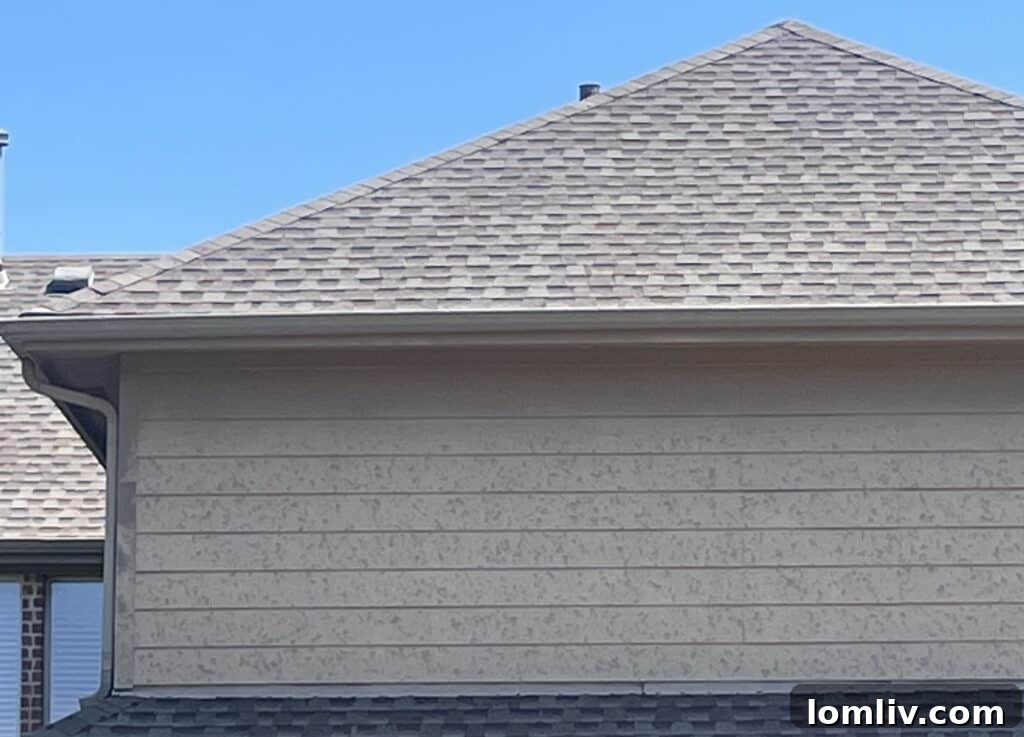
Texas is no stranger to hailstorms, which can unleash surprisingly powerful projectiles capable of inflicting extensive damage far beyond what’s immediately visible. This photograph, captured by our inspector in Frisco shortly after a major storm, vividly illustrates the sheer number of impacts hail can inflict on a home’s siding. Imagine this level of assault on your roof, where the damage can be even more insidious.
Hail damage on a roof often manifests as circular fractures or indentations on shingles, dislodged granules, or even punctures in softer roofing materials. These impacts weaken the shingle’s protective layer, exposing the underlying mat to UV rays and moisture. Over time, these seemingly minor dents can lead to accelerated aging, cracking, and ultimately, leaks. Furthermore, hail can damage other critical roof components like vents, skylights, and even your gutters, compromising the entire system’s ability to shed water effectively.
After a hailstorm, it’s crucial to schedule a professional inspection, as visible damage might only be the tip of the iceberg. An expert can detect subtle signs of impact that, if left unaddressed, could lead to significant problems down the line.
2. Faulty Flashing: The Silent Entry Point for Water
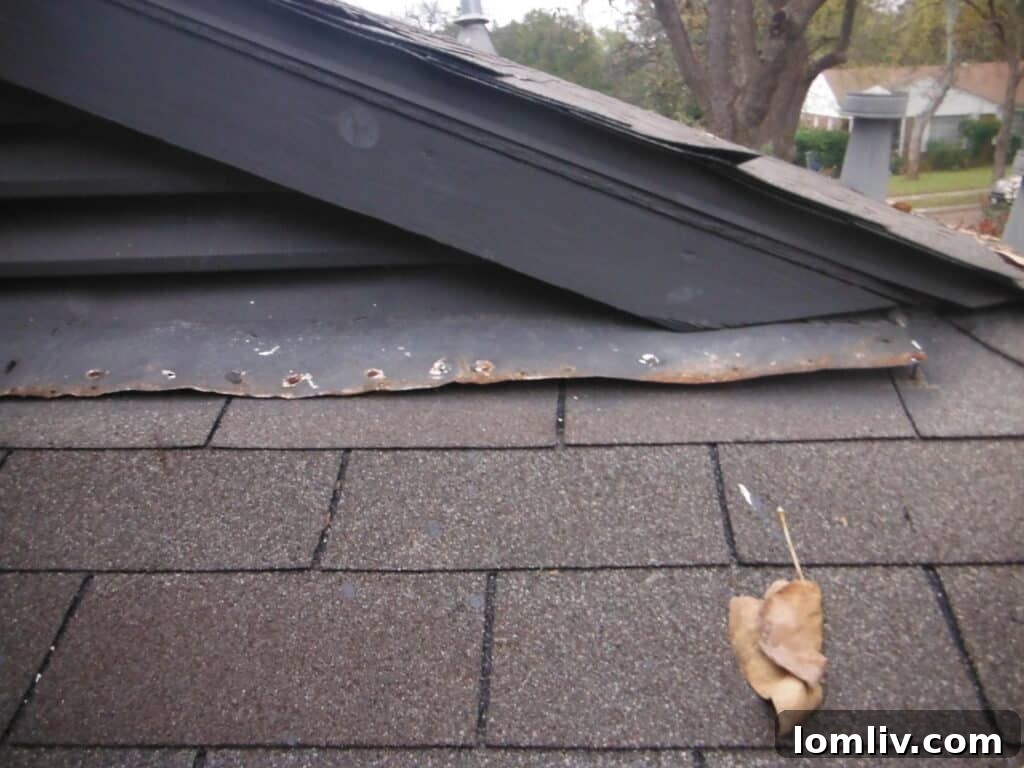
Flashing refers to thin strips of water-resistant material, typically metal, strategically installed at critical junctures on your roof. These include valleys, chimneys, skylights, vents, and wall intersections. Its primary purpose is to divert water away from these vulnerable areas where roof planes meet or penetrate, preventing water from seeping into the structure below. When flashing is compromised, it becomes a direct pathway for water intrusion, often leading to severe and hidden damage.
The accompanying image clearly shows an example of flashing that is desperately in need of replacement. The visible rust is a clear indicator of material degradation, while the presence of holes where nails once secured it signifies a critical failure point. Over time, relentless wind, thermal expansion and contraction, and general wear can cause flashing to become loose, bent, or entirely detached. Once the flashing is no longer securely attached or if it’s corroded, water can easily penetrate the roof system, leading to rotten decking, compromised attic insulation, and even ceiling damage within your home. Addressing faulty flashing promptly is essential to maintaining the watertight integrity of your entire roof system.
3. The “New Roof” Deception: Never Skip the Inspection
It’s a common misconception that a property listed with a “brand new roof” automatically eliminates the need for an inspection. Unfortunately, this assumption can prove costly. In competitive markets or when dealing with quick property flips, shortcuts can be taken, or unforeseen issues can arise shortly after installation.
A recent installation does not guarantee flawless execution. Poor workmanship, use of inferior materials, or damage during the installation process itself can all compromise a new roof’s performance. Our inspectors have encountered numerous cases where a “new” roof exhibits significant problems due to:
- Improper shingle nailing, leading to blow-offs.
- Inadequate ventilation, trapping moisture and heat.
- Faulty flashing installation, creating immediate leak points.
- Damage to underlying structures during the old roof removal.
This video further illustrates the point, showcasing a roof that was supposedly new but already suffering from considerable damage. This scenario underscores why a meticulous inspection by a certified professional is paramount, regardless of the roof’s age or recent installation claims. It safeguards your investment and ensures the honesty and quality of previous work.
Beyond the Obvious: Subtle Signs Your Roof Needs Attention
While major leaks and visible damage are undeniable, many roof problems begin subtly. Being vigilant about these less obvious indicators can save you significant repair costs down the line:
- Granule Loss: Small, sand-like particles accumulating in your gutters often indicate that your shingles are shedding their protective layer.
- Curling or Cupping Shingles: Shingles that are curling at the edges or cupping in the middle are drying out, losing elasticity, and nearing the end of their life.
- Missing Shingles: Even a few missing shingles can expose the underlying decking to water, leading to rot and leaks.
- Dark Streaks or Moss: Algae or moss growth, while not immediately damaging, indicates moisture retention and can contribute to premature aging and granule loss.
- Sagging Roof Deck: A noticeable dip or sag in your roofline can signify serious structural issues, potentially caused by water damage or inadequate support.
- Water Stains on Ceilings or Walls: These are definitive signs of a leak, often originating from the roof, even if the stain is not directly below the leak point.
- Rising Energy Bills: A poorly insulated or damaged roof can lead to significant heat loss or gain, impacting your HVAC system and utility costs.
What Does a Comprehensive Roof Inspection Entail?
A thorough professional roof inspection goes far beyond a quick glance. It typically involves:
- Exterior Assessment: Examining the shingles or roofing material for damage, wear, granule loss, and proper installation.
- Flashing Inspection: Checking all flashing around chimneys, vents, skylights, and valleys for integrity, rust, and proper sealing.
- Gutter and Downspout Check: Ensuring they are clear, properly sloped, securely attached, and functioning to direct water away from the foundation.
- Attic Inspection: Looking for signs of leaks, water stains on the underside of the roof deck, proper ventilation, and adequate insulation.
- Structural Review: Assessing the roof’s overall structure for sagging, unevenness, or other indications of underlying damage.
- Component Check: Inspecting vents, skylights, and other roof penetrations for proper sealing and condition.
- Detailed Report: Providing a comprehensive report with findings, photographic evidence, and recommendations for repair or maintenance.
Navigating Post-Storm Damage: Your Action Plan
If your home has weathered a severe storm, especially one involving hail or strong winds, acting swiftly is crucial:
- Safety First: Prioritize personal safety. Do not attempt to climb onto a damaged roof yourself, especially if it’s wet or windy.
- Document Everything: Take photos or videos of any visible exterior damage from the ground. This will be invaluable for insurance claims.
- Contact a Professional Inspector: Schedule a prompt roof inspection to accurately assess the full extent of the damage. They can often provide temporary solutions to prevent further leaks.
- Contact Your Insurance Provider: Report the potential damage as soon as possible. Your inspector’s report will be essential for filing a comprehensive claim.
Extending Your Roof’s Lifespan: Preventative Maintenance
Proactive care can significantly extend your roof’s life and defer costly replacements:
- Regular Cleaning: Keep gutters and downspouts clear of debris to ensure proper water drainage.
- Trim Overhanging Branches: Prevent falling branches from damaging your roof and minimize leaf accumulation.
- Address Repairs Promptly: Don’t delay fixing minor issues like loose shingles or small leaks; they can quickly worsen.
- Annual Inspections: Schedule professional roof inspections, especially after severe weather events, to catch problems early.
Choosing the Right Roofing Professional
When it comes to roof repairs or replacement, selecting a reputable and reliable contractor is paramount. Beware of “storm chasers” who appear after major weather events, offering quick fixes with subpar materials or inflated prices. Always look for:
- Local Expertise: Contractors familiar with local building codes and common regional weather challenges.
- Licensing and Insurance: Ensure they are fully licensed and insured to protect yourself from liability.
- References and Reviews: Check their reputation through past client testimonials and online reviews.
- Clear Contracts: Demand a detailed written contract outlining the scope of work, materials, timeline, and payment schedule.
- Warranty Information: Understand the warranties offered on both materials and workmanship.
For more insights into safeguarding against unscrupulous practices, consider reading our related article on “Roof Repair Rip-Offs: The Storm Chasers Want to Fix Your Roof Then Retire Rich.”
Conclusion: Protecting Your Home Starts at the Top
Whether your roof has valiantly served your Texas home for years or is purportedly brand new, consistent vigilance and professional assessment are indispensable. The dynamic weather patterns of the region make a proactive approach to roof maintenance not just smart, but essential. By investing in regular inspections and addressing issues promptly, you’re not just maintaining a roof; you’re preserving the structural integrity of your entire home and securing the comfort and safety of your family.
Don’t wait for a leak to appear or for visible damage to become extensive. Take control of your home’s defense system today. Contact a trusted roof repair company for a free, no-obligation inspection. They can assess your roof’s current condition, identify potential weaknesses, and determine if your homeowner’s insurance policy will cover a necessary repair or a brand-new roof replacement, giving you peace of mind as the seasons change.