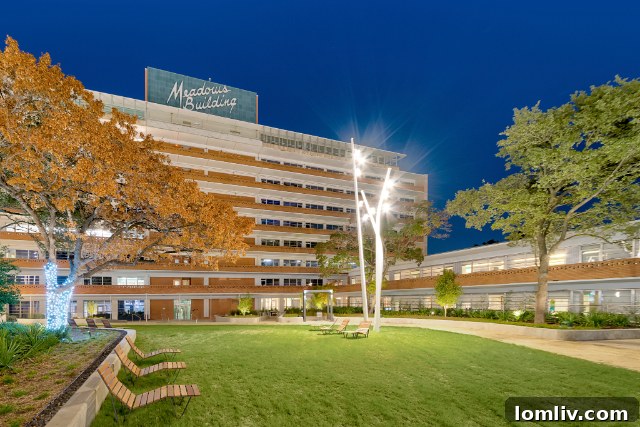
In the vibrant heart of Dallas, stands a testament to visionary design and enduring legacy: the Meadows Building. When Algur Hurtle Meadows embarked on the ambitious project of constructing the headquarters for his General American Oil Company of Texas, he envisioned more than just an office space; he set out to create an architectural masterpiece that would redefine commercial elegance. From its inception, the Meadows Building has been celebrated as a quintessential example of Midcentury Modern commercial architecture in the Southwest, a symbol of progress, style, and uncompromising quality. Its recent recognition with one of the coveted Preservation Dallas 2021 Achievement Awards further cements its status, not just as a historical landmark, but as a triumph of dedicated historic preservation efforts.
Algur Hurtle Meadows was a figure of remarkable influence and foresight. While widely acclaimed for his profound philanthropy, having established The Meadows Foundation in 1948 with a mission to “assist the people and institutions of Texas to improve the quality and circumstances of life for themselves and future generations and to ensure philanthropy would continue in perpetuity,” his less-known but equally significant attribute was his keen eye for innovation and an exceptional appreciation for good design. This discerning taste ensured that his corporate headquarters would be nothing short of spectacular, pushing the boundaries of conventional office building aesthetics and functionality.
The Meadows Building emerged not merely as a structure of steel and stone, but as a bold statement of artistic integrity and forward-thinking design philosophy. It encapsulated Meadows’ entrepreneurial spirit and his belief in creating environments that inspired and endured. This commitment to excellence permeated every facet of the building’s conception and execution, making it a truly unique addition to Dallas’s architectural landscape and a lasting tribute to its visionary founder.
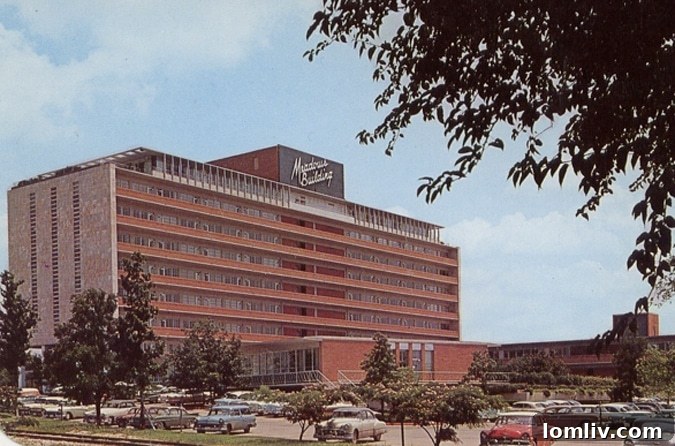
A Midcentury Modern Marvel and Icon of Its Era
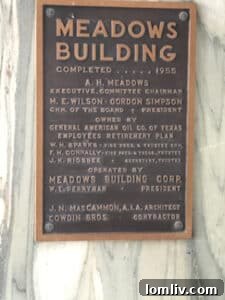
The year 1955 marked a pivotal moment in Dallas’s development. Central Expressway, north of Mockingbird Lane, was still a work in progress, and what we now recognize as Upper Greenville Avenue constituted the burgeoning suburbs. This was the strategic backdrop for the Meadows Building, poised to become the tallest structure between downtown Dallas and the Oklahoma border. Meadows, with his characteristic attention to detail and pursuit of excellence, enlisted the talents of architects J.N. McCammon and Jack Morgan to design this landmark. To ensure its construction would stand the test of time, the renowned Cowdin Brothers Construction Company was brought in, promising a legacy of structural integrity for generations.
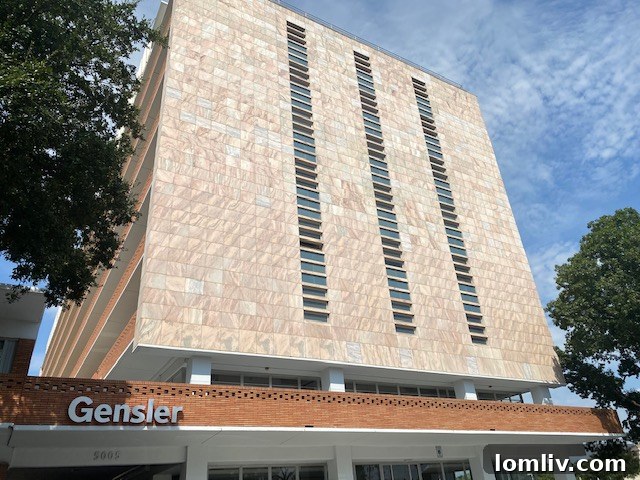
The exterior of the Meadows Building quickly garnered critical acclaim, lauded for its sophisticated material palette and innovative design. Mark Lamster, the esteemed architecture critic for the Dallas Morning News, offered an unparalleled description of its facade in 2016, a pivotal moment when the building was first considered for landmark designation. His words perfectly encapsulate the building’s inherent genius and timeless appeal:
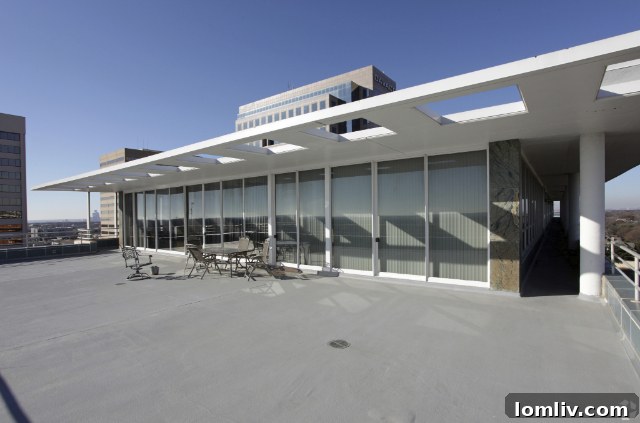
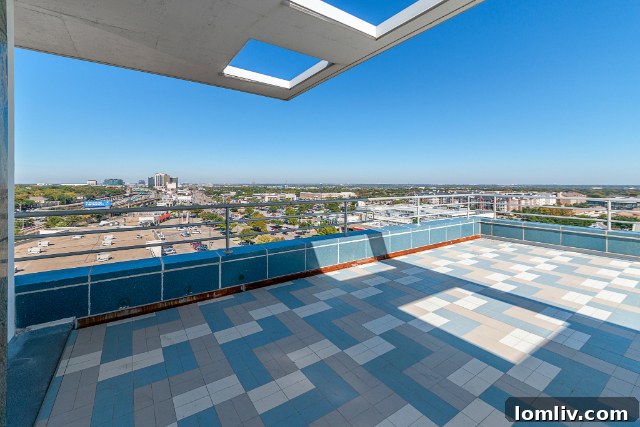
Every inch of it is considered: from the colorful material palette—pink Georgian marble, turquoise terra cotta ( a ribbon between the windows and on the entrance side of the building,(red brick, white terrazzo—to the unique typography that appears not just on its rooftop signature but throughout. Entry beneath its curvaceous canopy is a pleasure, and so is a day at the office, as the planning of the Meadows was well ahead of its time. Twelve long balconies shield the sun on the south façade. Windows are operable to allow for natural ventilation. There are terraces for breaks in the shade. This was green architecture before there was “green” architecture.
Lamster’s words paint a vivid picture of a building designed with meticulous attention to detail and a profound understanding of human interaction with space. The interplay of pink Georgian marble, the distinctive turquoise terra cotta ribbon, warm red brick, and shimmering white terrazzo created a striking visual symphony. The building’s unique typography, appearing consistently from its rooftop signature to subtle interior elements, reinforced a cohesive and sophisticated brand identity. Furthermore, the functional innovations were groundbreaking: twelve long balconies on the south facade provided essential sun shielding, operable windows allowed for natural ventilation, and shaded terraces offered tranquil breakout spaces. These features were truly pioneering, predating the widespread adoption of “green architecture” principles by decades, illustrating Meadows’ and his architects’ visionary approach to sustainable and human-centric design.
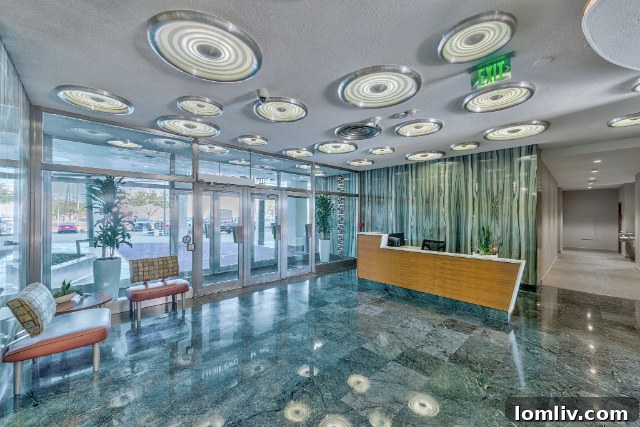
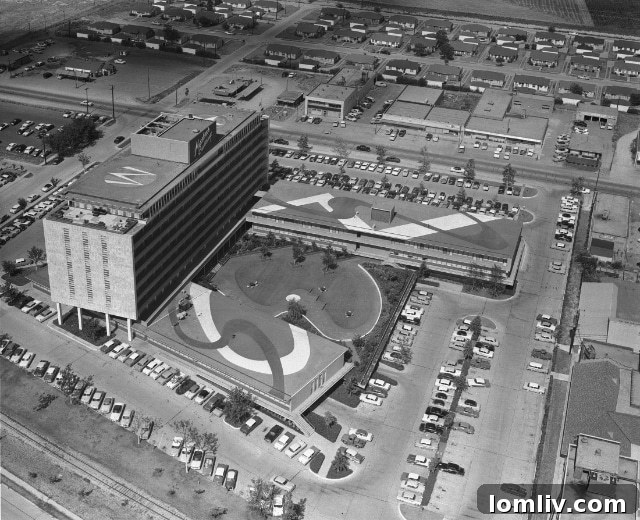
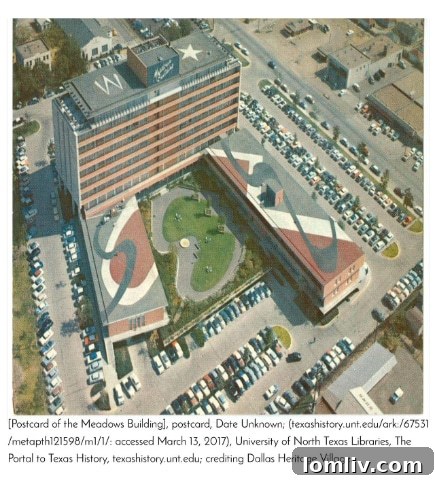
The innovation extended beyond the structure itself. Algur Hurtle Meadows commissioned Joe Lambert Sr., the esteemed founder of Lambert Landscaping Company, for an extraordinary project: to create what was then hailed as the largest hanging garden in America atop the parking garage. This ambitious undertaking underscored Meadows’ commitment to integrating natural beauty and green spaces into the urban environment, long before such concepts became commonplace. What truly surprises many, however, is that Lambert’s creative genius wasn’t confined to the outdoors; he was also entrusted with the interior design, shaping the building’s inner sanctums with an equally bold and imaginative flair.
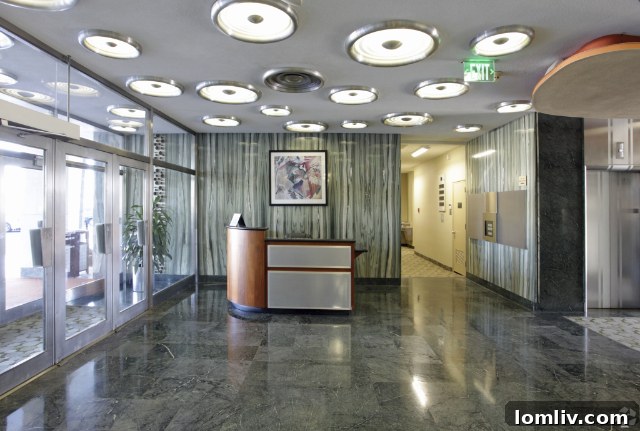
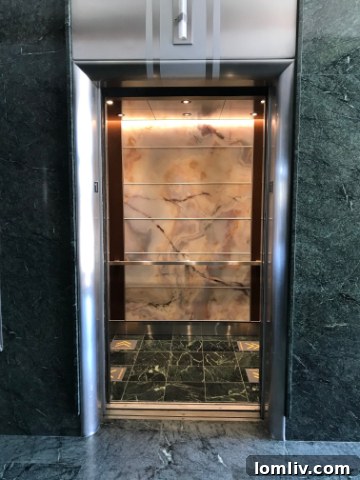
Lambert’s interior designs were a symphony of glamour and playful modernism. The main lobby was adorned with luxurious green marble, complemented by distinctive, edgy bubble light fixtures that cast a futuristic glow. The basement cafeteria was transformed into a vibrant yellow-and-white space, while the eighth-floor coffee room was a confectionary delight of pink, green, and black. This whimsical color scheme was brought to life through green-and-pink striped denim curtains and a striking black-and-pink checked rubber tile floor. Black tables with crisp white Formica tops and chairs upholstered in matching green-and-pink plastic completed the ensemble. It is said, on good authority, that this captivating color palette was directly inspired by a painting of Alice in Wonderland, a testament to the playful yet sophisticated approach taken to every detail of the Meadows Building’s original design.
The Erosion of Grandeur: Decades of Alterations and Neglect
Despite its initial splendor, the Meadows Building, like many architectural treasures, was not immune to the ravages of time and shifting tastes. The whimsical coffee room, a vibrant hub of daily activity, has long vanished. The elaborate Far East-themed penthouse executive suite, once a jewel of design featuring silk wallpaper, gleaming brass accents, exquisite teak furniture, and a colossal Indian Mogul’s safe, was stripped of its grandeur over the years. These losses, while significant, only hinted at deeper structural alterations that would follow.
The inherent quality of the original Midcentury Modern architecture and decor was so exceptional that demolition would have been an act of unforgivable foolishness for any true custodian of architectural heritage. Yet, bit by bit, pieces of its integrity were chipped away. The iconic hanging gardens, once a celebrated marvel, along with a charming second-floor balcony, were removed in 1984. A year later, in 1985, the building suffered its most egregious alteration: the demolition of its southwest wing, fundamentally altering its original footprint and aesthetic harmony.
For many years, the building languished, not maintained to the high standards of its original construction. When Glenstar Properties, a new buyer, entered the scene in 2015, the future of the Meadows Building seemed uncertain, getting off to a rocky start. Their initial proposal to remove the remaining two-story wing that faced Greenville Avenue raised alarms among preservationists. This desire, perhaps stemming from a lack of complete understanding of the building’s historical and architectural significance, suggested a perilous path forward. It was not until a displaced tenant galvanized public attention and the local community initiated landmark designation efforts that a crucial shift began to occur. This public outcry and the potential for official recognition served as a wake-up call, highlighting the profound cultural value embedded within the Meadows Building’s very fabric.
The underlying rationale for Glenstar’s initial plan was to enhance accessibility to the adjacent Davaco Tower, an architectural element that replaced the original southwest wing and was often viewed as an unfortunate aesthetic compromise. The Davaco Tower suffered from low occupancy, and the belief was that by creating easier access, more tenants would naturally be attracted. However, experience often teaches that such straightforward solutions rarely address deeper issues of desirability and historic integration. To their immense credit, once the dedicated professionals at Glenstar genuinely engaged with the preservation community and fully grasped the monumental significance of the Meadows Building, their perspective profoundly shifted. They committed to a path of respectful restoration, bringing in two industry leaders: Gensler, a global architecture, design, and planning firm renowned for its innovative solutions, and Architexas, a preservation-oriented firm specializing in historical aspects of complex restoration projects. This collaboration marked a turning point, promising a future where the Meadows Building’s past would be honored and celebrated.
A Stunning Restoration: Reclaiming Its Former Glory
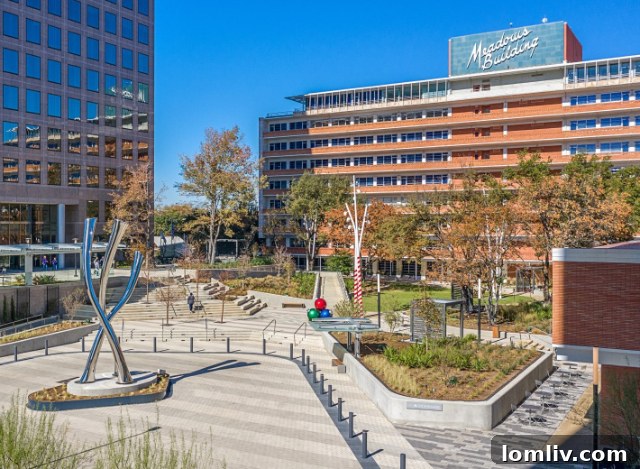
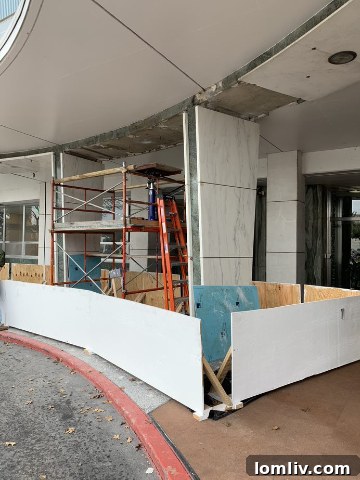
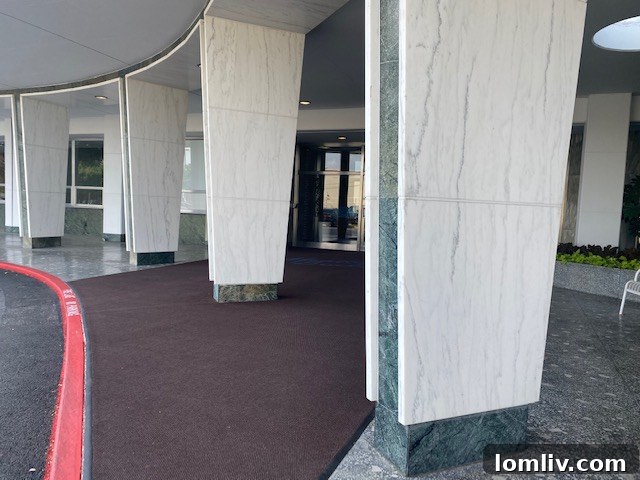
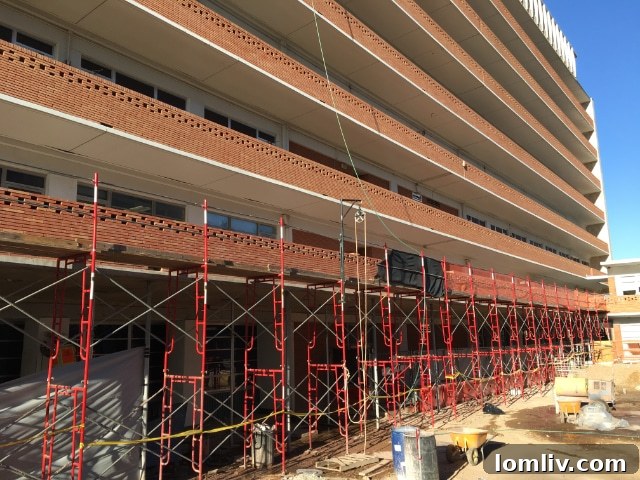
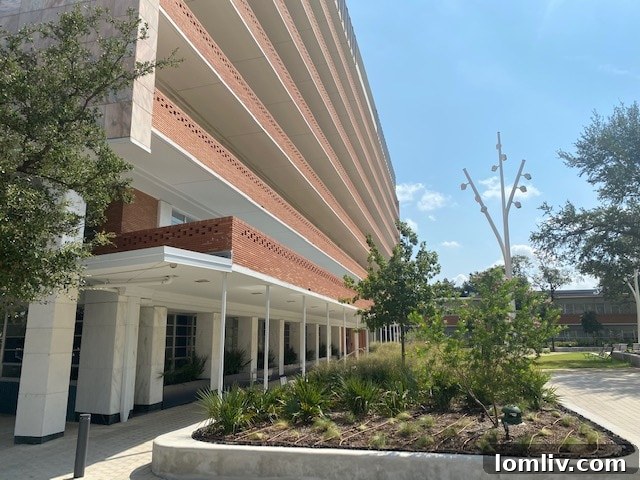
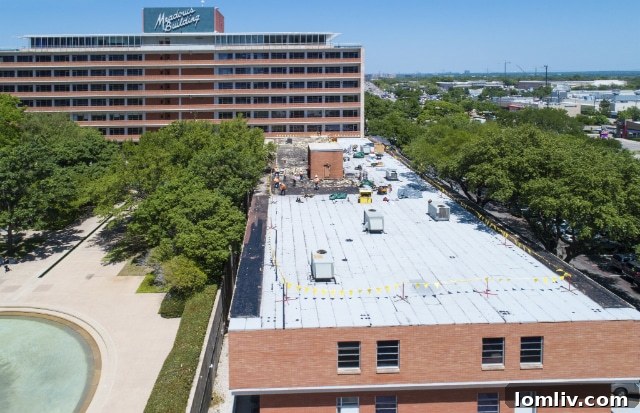
The partnership between Glenstar Properties, Gensler, and Architexas ushered in an era of meticulous restoration, a monumental undertaking that breathed new life into the historic Meadows Building. The second-floor balcony, a feature lost to previous alterations, was painstakingly reconstructed, faithfully mirroring its original design. Furthermore, the distinctive decorative marble ballast roof of the two-story Greenville Avenue building was recreated with an unwavering commitment to authenticity. One of the project’s most impressive feats involved the careful removal, thorough cleaning, and precise reinstallation of the original Georgian pink marble pieces that adorned the facade. Where marble had been damaged beyond repair, new pieces were meticulously sourced from the very quarry that supplied the building decades ago, ensuring a perfect match in color, texture, and geological composition. This level of dedication underscored the project’s profound respect for historical accuracy.
The restoration was far from a simple cosmetic overhaul; it involved navigating myriad structural challenges that tested the ingenuity and resolve of the entire team. These complex issues, ranging from hidden structural weaknesses to the integration of modern systems within a historic framework, were met with remarkable determination and innovative engineering solutions. The result is a harmonious blend of historical integrity and contemporary functionality, ensuring the building’s longevity and continued relevance for future generations.
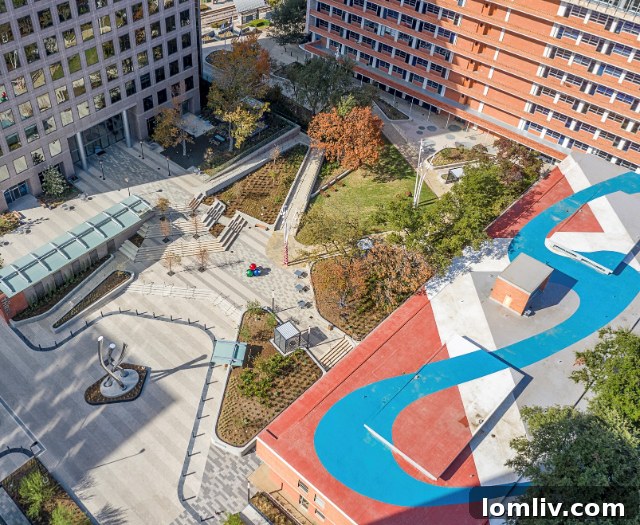
This is undeniably a success story on multiple fronts. Despite the decision not to proceed with formal landmark designation, Glenstar Properties has unequivocally demonstrated itself to be the most exemplary steward for the iconic Meadows Building. Through their commitment, investment, and collaboration with top-tier preservationists, they have not only restored a physical structure but have also revitalized its spirit. The building now proudly serves as home to not only Gensler, whose involvement in its restoration makes their residency particularly fitting, but also to a diverse array of creative professionals and businesses. This resurgence underscores a powerful truth in the world of heritage and urban development: when communities and developers unite to preserve historical gems, these spaces don’t just survive; they thrive, drawing in new life and becoming vibrant centers of innovation and culture once more. Indeed, the answer seems to consistently be: if you preserve it, they will come.
The Preservation Dallas 2021 Achievement Awards, celebrating triumphs like the Meadows Building’s restoration, were held at 6 p.m. on June 30. You can explore more about these significant contributions to Dallas’s heritage and register for future events here.