The global pandemic dramatically reshaped our relationship with the workplace, transforming homes into impromptu offices for millions. As the world cautiously reopens, a pivotal question echoes across industries: when, and how, can we safely and effectively return to traditional office environments? The answer is far from simple, necessitating profound strategic shifts and meticulous planning for the post-COVID office space. This isn’t merely a return; it’s a redefinition, demanding both significant infrastructural changes and subtle cultural adjustments within the workspace itself.
Industry leaders caution against hasty decisions. Jill Duncan, Principal and Director of Place Performance in HKS Architects’ Advisory Services Division, advises, “Don’t make decisions in the eye of the storm.” Instead, she advocates for a thoughtful, iterative approach: gauge staff comfort levels, implement continuous improvements, and commit to long-term strategic planning. This requires delving deeper, exploring the fundamental ‘why’ and ‘how’ behind the contemporary office. Echoing this sentiment, Christopher Goggin, Design Director, Studio Director, and Principal at Gensler, poses a critical query: “The real question, now, for us is what is the reason to go back to the office?” Understanding this core purpose is essential for designing workplaces that truly serve their occupants in a changed world.
Reimagining the Purpose: Why the Office Still Matters
While many corporate professionals successfully manage “heads-down” work—tasks requiring deep focus and minimal interaction—from the comfort of their homes, the inherent value of a physical office extends far beyond individual productivity. As Jill Duncan eloquently puts it, critical elements like building trust, fostering genuine social connection, and cultivating collaborative creativity as a cohesive team are exceedingly difficult to replicate remotely. “The component of culture can’t be nurtured by Zoom,” she asserts, highlighting the irreplaceable role of in-person interaction in shaping organizational identity and employee morale.
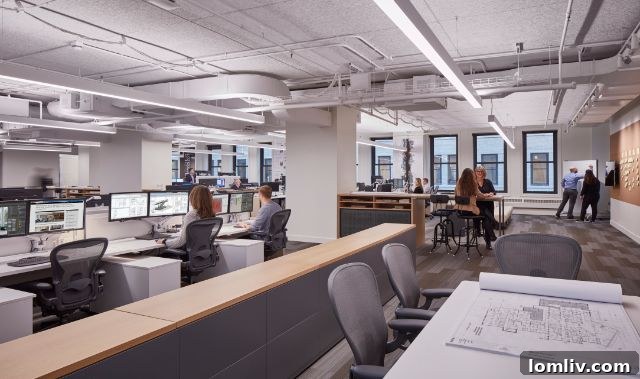
Christopher Goggin further emphasizes that certain client-facing activities, such as intensive design charrettes or strategic sessions with corporate headquarters, also present significant challenges in a purely virtual setting. The dynamic flow of ideas, the non-verbal cues, and the shared energy of a physical space are crucial for these high-stakes interactions. As architects and designers craft future workplaces, they recognize the paramount importance of creating diverse zones tailored for collaboration, learning, and mentorship. Beyond task-oriented work, the social dimension of the workplace is increasingly recognized as vital. “Social activity in a workplace is extremely important to emotional wellbeing, culture, and morale,” Goggin explains. A well-designed office acts as a magnet, drawing people together to innovate, learn, and build the interpersonal bonds that fuel both individual satisfaction and collective success. It serves as a central hub where the intangible aspects of work—creativity, camaraderie, and a shared sense of purpose—can truly flourish.
Elevating Employee Experience with Life-Balance Amenities
The pandemic undeniably blurred the lines between professional and personal life, with many employees growing accustomed to integrating personal activities into their workdays. This shift has redefined employee expectations, compelling modern office spaces to offer more than just a desk and a chair. To truly entice workers back and foster a thriving environment, offices must now compete with the comforts and conveniences of home, offering amenities that support a holistic life-work balance.
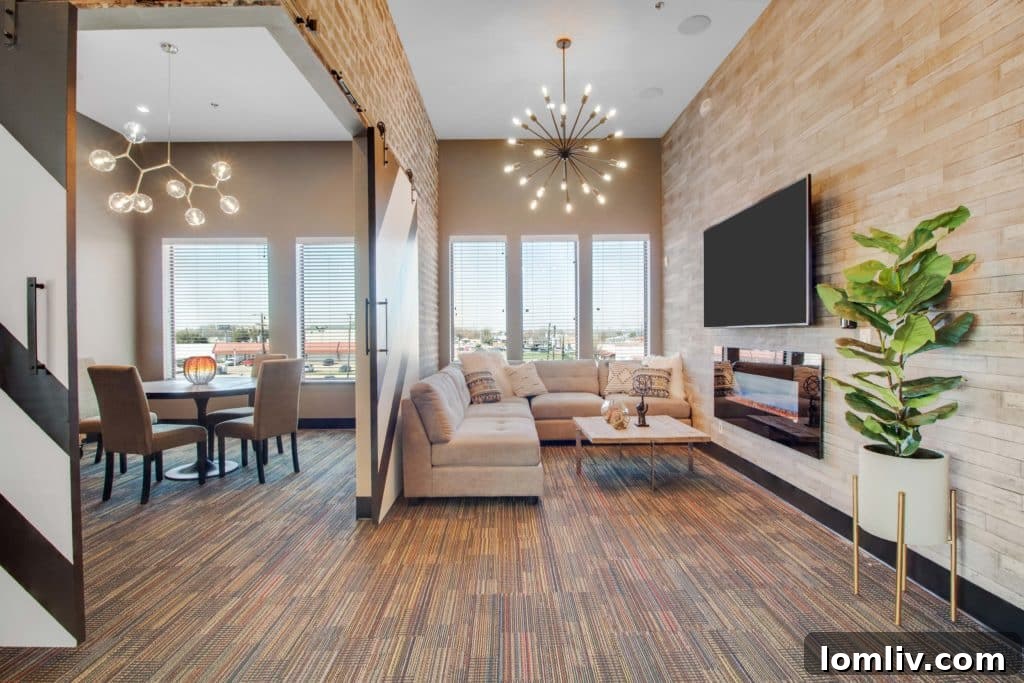
Progressive developments are already embracing this philosophy. Cityscape Studios, a contemporary boutique office building situated near downtown Fort Worth, stands as a prime example of this evolution. They are strategically offering tenants an impressive array of amenities designed to enhance well-being and productivity. These include access to a private, state-of-the-art personal gym, fostering physical health; spacious, shared kitchens and break rooms that encourage social interaction and provide comfortable dining options; and a stunning rooftop lounge, offering a relaxing escape with panoramic views. These offerings go beyond basic necessities, signaling a commitment to employee comfort and quality of life.
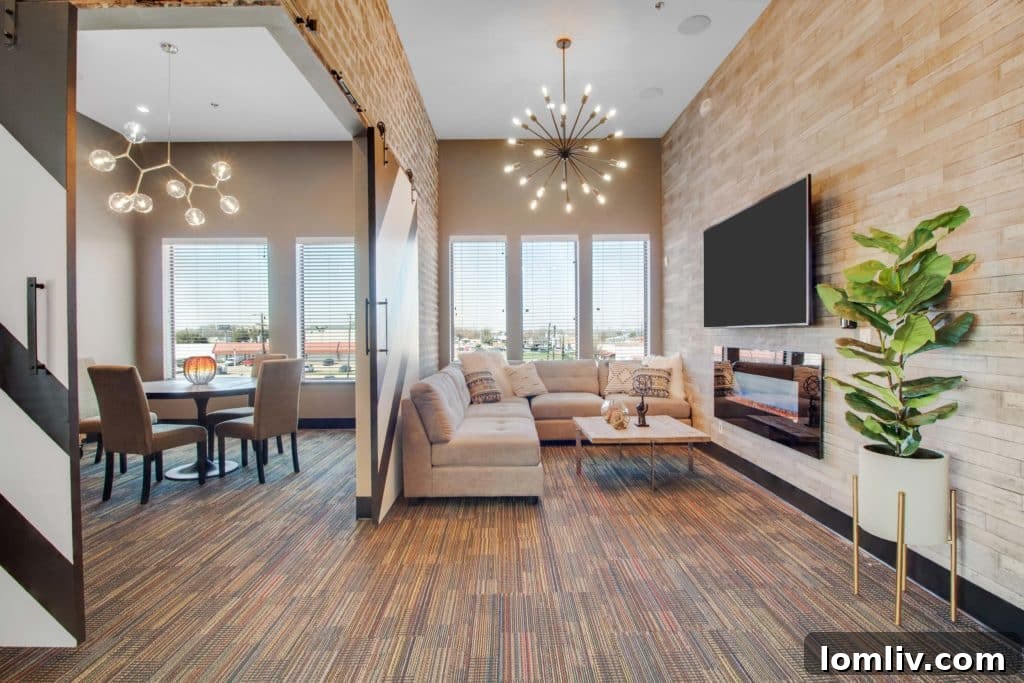
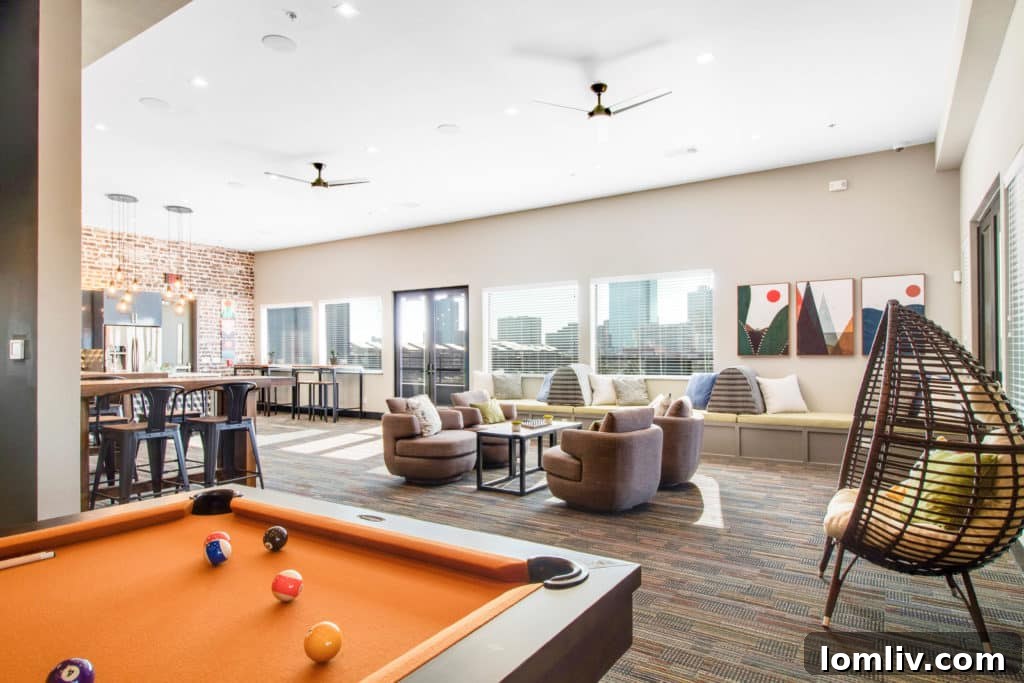
As a spokesperson for Cityscape Studios articulates, “During the coronavirus pandemic, many have found themselves working from their kitchen tables or living room couches, but Cityscape Studios offers socially distant spaces with state-of-the-art amenities.” This highlights a crucial pivot in office design: providing not just functional workspaces, but curated environments that prioritize employee well-being, offer a premium experience, and seamlessly blend work with opportunities for rejuvenation and community. Such amenities transform the office from a mere place of work into a destination that supports a balanced and enriching lifestyle, ultimately attracting and retaining top talent.
Strategic Adaptations: Essential Post-COVID Office Changes
Beyond appealing amenities, the true foundation for a safe and confident return to the office lies in the implementation of robust and thoughtfully designed protocols. These changes are not just temporary fixes but represent a fundamental shift in how workplaces operate. Jill Duncan outlines several key strategies for a successful re-entry. These include a phased or “rolling re-entry” of workers, allowing for a gradual return and continuous adjustment. Limiting external visitors to designated floors within an office helps control foot traffic and potential exposure. The introduction of assigned seating and an increased number of sanitation stations underscores a commitment to hygiene and order. And, of course, the consistent practice of mask-wearing and social distancing remains paramount for collective safety.
Many forward-thinking workplaces have already begun integrating advanced health and safety practices. These often include mandatory temperature checks upon entry or comprehensive health questionnaires that employees must complete prior to accessing the space. These measures, while initially perhaps perceived as temporary, are expected to remain standard practice for the foreseeable future, potentially for at least the next six to nine months, as Duncan suggests, or even longer as part of a new normal. These protocols offer a visible assurance of safety, helping to rebuild confidence among the workforce.
Christopher Goggin further elaborates on additional critical factors shaping the post-pandemic office. Staggering workers’ hours and days, for instance, can significantly reduce peak occupancy, facilitating easier social distancing and lessening strain on shared facilities. Furthermore, the widespread adoption of touch-free technology is becoming a non-negotiable aspect of modern office design. While motion-sensor soap, water, and towel dispensers have long been common in restrooms, the scope for innovation extends much further. Goggin provocatively suggests, “An airport is an example of a restroom that’s perfectly configured, because it’s got no doors,” illustrating a paradigm shift towards minimizing contact points wherever possible throughout the entire office environment. This proactive approach aims to create a workplace that is not only productive but also intrinsically safer and more hygienic.
Integrating Smart Solutions: Technology in The Office Space
The push for touch-free technology extends far beyond restrooms, permeating every aspect of the office environment, especially crucial access points. Christopher Goggin highlights that reception and entry areas, traditionally bottlenecks, should be streamlined and potentially centralized to a single, secure point of entry rather than multiple, less controlled access points. He poses a fundamental question that drives this innovation: “Can the door open without my touching it?” This simple query encapsulates the desire for seamless, contact-free movement throughout the building, enhancing both safety and efficiency.
One compelling answer to Goggin’s question lies in the realm of advanced digital solutions, including virtual reality for sophisticated building navigation or, more commonly, the deployment of QR codes. Instead of a traditional in-person “gatekeeper,” visitors could receive a QR code in advance, pre-loaded with essential information such as Wi-Fi passwords, temporary access credentials, and even directional instructions, all accessible via their smartphone. This not only minimizes physical contact but also significantly streamlines the visitor experience, making it more efficient and secure.
Elevators represent another critical access point—what Jill Duncan categorizes as a “threshold”—where technology can play a transformative role. While one-way directional signage has become commonplace in lobbies, ensuring clear traffic flow, the potential for technological enhancement in vertical transportation is vast. Goggin explains that many modern buildings are adopting sophisticated elevator systems that intelligently assign specific cabs to individuals based on their destination floor. This process can be further personalized and contact-free through the use of electronic proximity readers, which detect an employee’s badge or smartphone, or once again, by scanning a unique QR code. These innovations not only reduce physical touchpoints but also optimize elevator flow, minimizing waiting times and preventing overcrowding, thereby enhancing overall building efficiency and safety in a post-pandemic world.
The Bigger Picture: Sustainable Design and Flexible Footprints
While touch-free technology and enhanced protocols offer readily implementable solutions, some of the most impactful changes to the modern office environment involve more complex, systemic transformations. Addressing the quality of indoor air, for instance, is a monumental undertaking that demands significant engineering expertise. “There’s a lot of good work being done by our team and the mechanical engineering environment to address how we can retrofit airflow [practices],” says Jill Duncan, underscoring the challenge. Converting existing spaces to meet new standards for air filtration and circulation is not a simple task; it requires substantial investment and intricate planning. However, the effort is undeniably worthwhile, particularly given the increased awareness of airborne pathogens.
Duncan points to commercial airplanes as an instructive example of how advanced filtration systems can effectively cleanse and recirculate air, offering a model for achieving similar levels of air purity in office buildings. Implementing such sophisticated HVAC (Heating, Ventilation, and Air Conditioning) systems, including HEPA filters and UV-C light technology, can drastically improve indoor air quality, contributing significantly to employee health and peace of mind. These “invisible” improvements, though not immediately apparent to the naked eye, form the backbone of a truly healthy building.
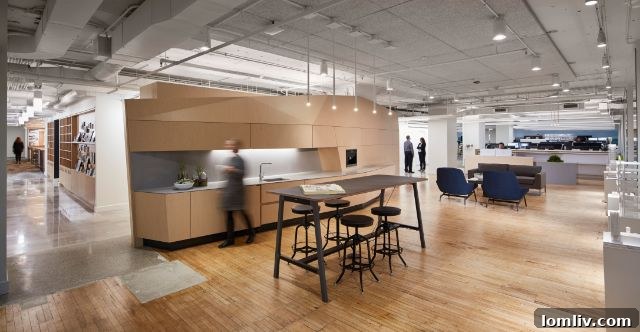
Despite these extensive implementations, the overall aesthetic of the office may not drastically alter. However, its functional footprint is expected to evolve. “Workplaces, we think, are probably going to shrink—not drastically, but noticeably,” Duncan predicts. This doesn’t necessarily mean a reduction in total square footage, but rather a reconfiguration of space usage. Instead of maximizing individual workstations, future offices will likely prioritize flexible, multi-purpose areas dedicated to collaboration, focused work, and social interaction, reflecting the new hybrid work models. This strategic optimization of space will allow companies to create more dynamic, adaptable, and cost-efficient environments.
The Permanent Hybrid: A New Era for Office Life
The journey back to the office is not a return to the past, but rather a definitive step into a new era of work. The traditional office, as we knew it, has fundamentally and irrevocably transformed. This isn’t merely a temporary adjustment; it’s a permanent evolution towards what Jill Duncan aptly describes as “a permanent hybrid.” This hybrid model seamlessly integrates remote work with in-person collaboration, acknowledging the benefits and necessities of both.
One significant misconception that Duncan is keen to dispel is the idea of completely redesigning offices based on a rigid “six feet apart” rule. “Don’t redesign your office based on six feet—that’s a myth,” she asserts. Instead, the focus should be on dynamic space utilization and strategic scheduling. We won’t likely see a wholesale return to private offices, despite the challenges that open-concept layouts now present. Rather, the solution lies in smarter management of space and time. This includes implementing staggered work shifts, assigning desks on an as-needed basis, and creating adaptable zones that can be reconfigured to suit various collaborative or individual work requirements while maintaining appropriate social distance and comfort levels.
This intricate mix of small, targeted implementations, alongside larger architectural reconfigurations and a profound shift in our collective work style, signifies that office life—and the physical spaces where it unfolds—has been reshaped forever. The future workplace will be characterized by flexibility, resilience, and a human-centric design approach. It will be a dynamic ecosystem designed to support diverse work preferences, foster a vibrant company culture, and prioritize the health, well-being, and productivity of every employee, ensuring that the office remains a valuable and vital hub in our evolving professional landscape.