Navigating Dallas’s Dynamic Real Estate: A Deep Dive into Cedar Springs and Turtle Creek Developments
The Cedar Springs and Turtle Creek area of Dallas continues to be a vibrant hub for real estate activity, showcasing a blend of historical context, ambitious development proposals, and community engagement. This week, we delve into the heart of this thriving district, exploring the intricate dynamics of land ownership, zoning battles, and the visionaries shaping its future. From long-standing property disputes to exciting new high-rise projects and community-focused redevelopments, this neighborhood is a microcosm of Dallas’s relentless growth and evolving skyline.
We’ll examine a simmering skirmish over a coveted half-acre lot, the strategic sale of church-owned property for a mid-rise, an ambitious owner’s plan to transform a modest apartment block into a stunning architectural landmark, and a recently sealed deal that promises a pair of modern rental complexes. Join us as we uncover the stories behind these significant developments and the key players driving change in one of Dallas’s most sought-after neighborhoods.
The Genesis of a Skirmish: The Battle for 3407 Hall Street
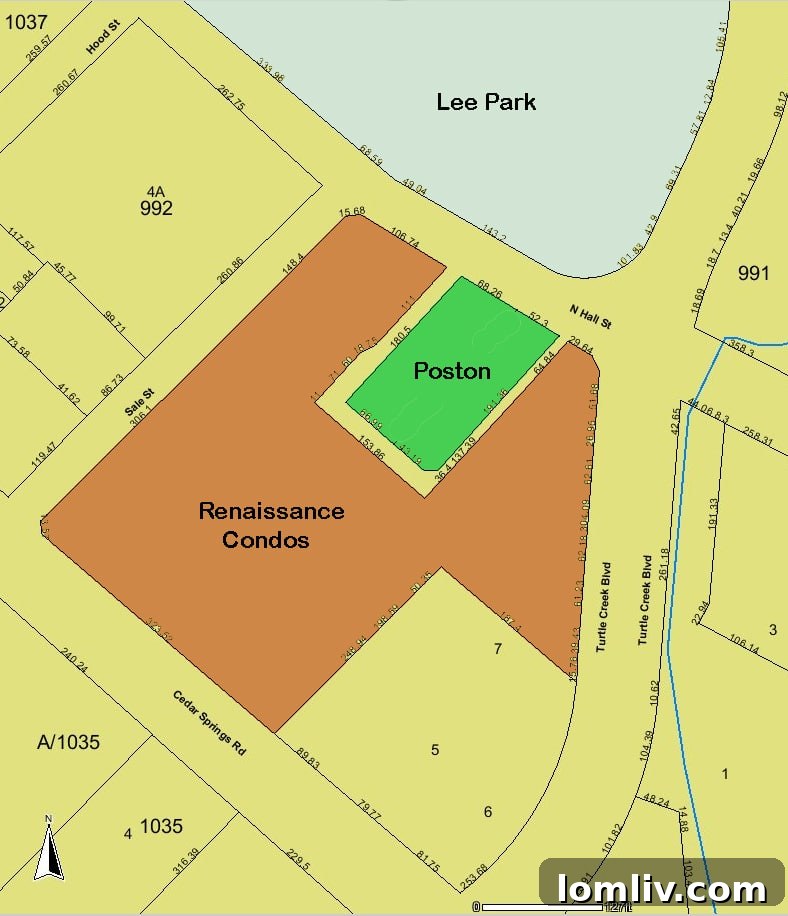
The half-acre lot at 3407 Hall Street represents more than just a parcel of land; it’s a strategic battleground for views, value, and urban planning. This relatively small piece of real estate, owned by George Poston, has been at the center of a protracted dispute since 2003. When The Renaissance condominiums, an upscale residential tower, transitioned from apartments to condos, initial discussions arose about purchasing Poston’s adjacent lot to “square off” their property and protect valuable views.
At the time, sources indicated Poston’s asking price was around $600,000, a figure The Renaissance ultimately did not meet. This decision, in hindsight, would prove to be a costly one. Over the subsequent years, multiple developers have attempted to acquire this prime lot, all to no avail, as Mr. Poston remained a steadfast and patient owner, keenly aware of the property’s escalating potential.
The Poston name carries significant weight in Dallas real estate history. It was Mr. Poston who, back in 1971, acquired the 29-acre tract at the Tollway and LBJ Freeway that would eventually become the iconic Galleria. After years of dedicated effort to bring his vision for the Galleria to fruition, he sold the land in 1981 to Cornell Oil, which ultimately developed the massive retail and office complex. This missed opportunity to realize his “once in a lifetime” development dream likely instilled in Mr. Poston a heightened sense of patience and determination regarding his properties.
Fast forward to today, and Mr. Poston’s patient strategy for the 3407 Hall Street lot underscores his understanding of its unique value. For The Renaissance, the property represents a potential “view-killer,” threatening the panoramic vistas that contribute significantly to the value of many of its luxury units. For a developer, however, it presents an unparalleled opportunity to construct a profitable high-rise on a highly desirable piece of real estate, directly facing the scenic Lee Park.
Unsurprisingly, The Renaissance homeowners’ association is acutely aware of the detrimental impact a new development on this property could have on their residents’ quality of life and property values. The Oak Lawn Neighborhood Association (ONA) shares these concerns, expressing wariness about any plans that might alter the character of the area or exacerbate existing urban challenges. However, the potential impact on area traffic from a development on this sub-half-acre lot would likely be minimal. Given the trend towards increasingly expensive luxury condos in Dallas, any future residents would likely be those not part of the daily commuter grind, thus mitigating traffic concerns.
Earlier this year, the property was under contract with Cheng Investments, the same developer behind the impressive One Dallas high-rise on McKinney and Routh. The rumored $3-million deal ultimately fell through due to a failed zoning change request. Cheng’s proposal for a new high-rise required a modification to existing zoning regulations to allow for a larger building footprint than currently permitted. This request met with strong opposition, led prominently by The Renaissance, effectively derailing the acquisition.
Since the collapse of this significant deal, no other transactions for the 3407 Hall Street lot have publicly materialized. One can only imagine the retrospective regret within The Renaissance community for not securing the property years ago at a fraction of today’s cost. What would have been a modest $1,000 per unit investment in 2003 could now cost upwards of $5,000 per unit, a price that is only projected to continue its upward trajectory in Dallas’s competitive real estate market.
Who is Paul Cheng? A Look into a Dallas Developer’s Past
Paul Cheng, a prominent figure in Dallas real estate, has a history marked by both significant successes and considerable controversy. His past includes involvement in the infamous savings and loan scandal of the 1980s. In 1991, Paul Cheng and his partner, Edward Heath, were convicted and sentenced to prison for their roles in the collapse of Guaranty Federal Savings. The financial fallout from Guaranty Federal’s failure was staggering, with costs to taxpayers estimated in 1990 to be an astonishing $4.5 billion in “cash and tax breaks.” While Cheng Investments’ corporate history typically omits these less flattering details, the public record clearly establishes the connection for those willing to investigate.
Cheng Investments’ official website highlights a notable achievement: “In 1986, the Tiffany Building, an investment by one of Paul Cheng’s companies was sold for the highest price per square foot ever realized in the City of New York at nearly $1,000/sf.” However, historical accounts from the New York Times provide a more detailed context. The Tiffany building was purchased by Pacific Realty from Avon, then its owner, in 1985. Pacific Realty subsequently “flipped” the property the following year for “$810 a square foot, or $96.6 million” to a Tokyo-based real estate company during a period of significant Japanese investment in U.S. property. Intriguingly, the principals listed for Pacific Realty were Paul Cheng and Edward Heath, both associated with Guaranty Federal Savings, further connecting Cheng to high-profile deals.
Remarkably, just a few years after serving six of his thirty-year sentence, Mr. Cheng re-emerged in the Texas real estate scene, acquiring land in 2003 in the then-sleepy town of Lavon. This acquisition would eventually lead to the massive Grand Heritage development, a community comprising 5,000 new homes. In this ambitious venture, Mr. Cheng partnered with W. Herbert Hunt, a name synonymous with one of the most audacious financial gambles in history. Herbert and his brother, Nelson Bunker Hunt, famously attempted to corner the global silver market in the late 1970s, a scheme that ultimately led to the collapse of silver prices and the Hunts’ subsequent bankruptcy. The interconnectedness of these high-stakes figures within the Texas real estate landscape underscores its often-intense and storied nature.
For those interested in a more comprehensive understanding of Mr. Cheng’s past dealings, additional details can be found in archived articles from the New York Times and a Philadelphia Inquirer report. For a compelling and detailed account of the Hunt brothers’ saga, the Texas Monthly archives offer an insightful read.
Community-Centric Development: The Oak Lawn United Methodist Church Sale
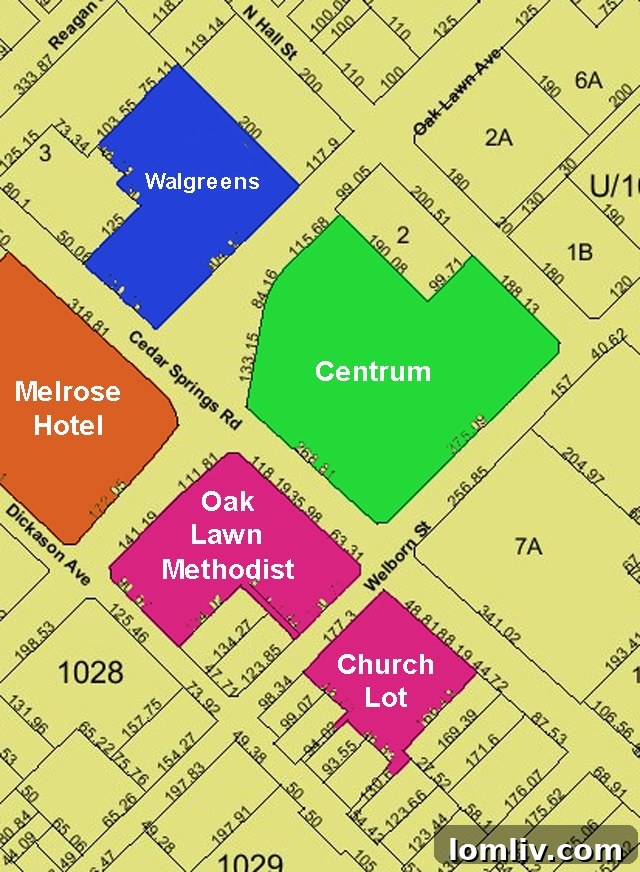
Amidst the larger-scale high-rise discussions, smaller, equally significant developments are taking shape that reflect a different approach to urban renewal. The Oak Lawn United Methodist Church, a cherished local institution, has reportedly sold an adjacent property located on Cedar Springs and Welborn. Sources indicate the sale was finalized for approximately $7.5 to $8 million, a strategic move poised to bring an eight-story mid-rise development to the area, already zoned for such a structure.
This transaction is a win-win for both the church and the community. The church will strategically retain certain parking rights, ensuring continued accessibility for its congregation and visitors. More importantly, the substantial proceeds from the sale are earmarked for the vital restoration and preservation of their beautiful, historic building—a true architectural gem within the Oak Lawn neighborhood. This demonstrates a thoughtful approach to leveraging assets for long-term sustainability and cultural preservation, allowing for modern development while honoring historical roots.
Stay tuned for more detailed announcements regarding the design and timeline of this exciting new mid-rise project, which promises to add to the urban fabric of Cedar Springs without compromising the character of its surroundings.
Visionary Redevelopment: Exxir Capital’s Plans for Hall and Carlisle
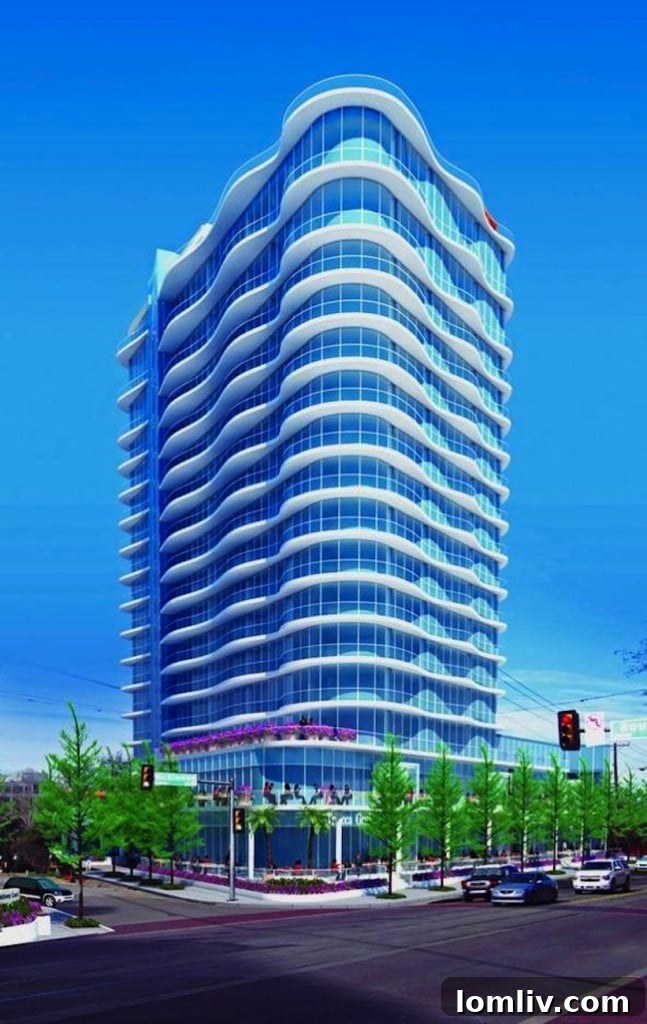
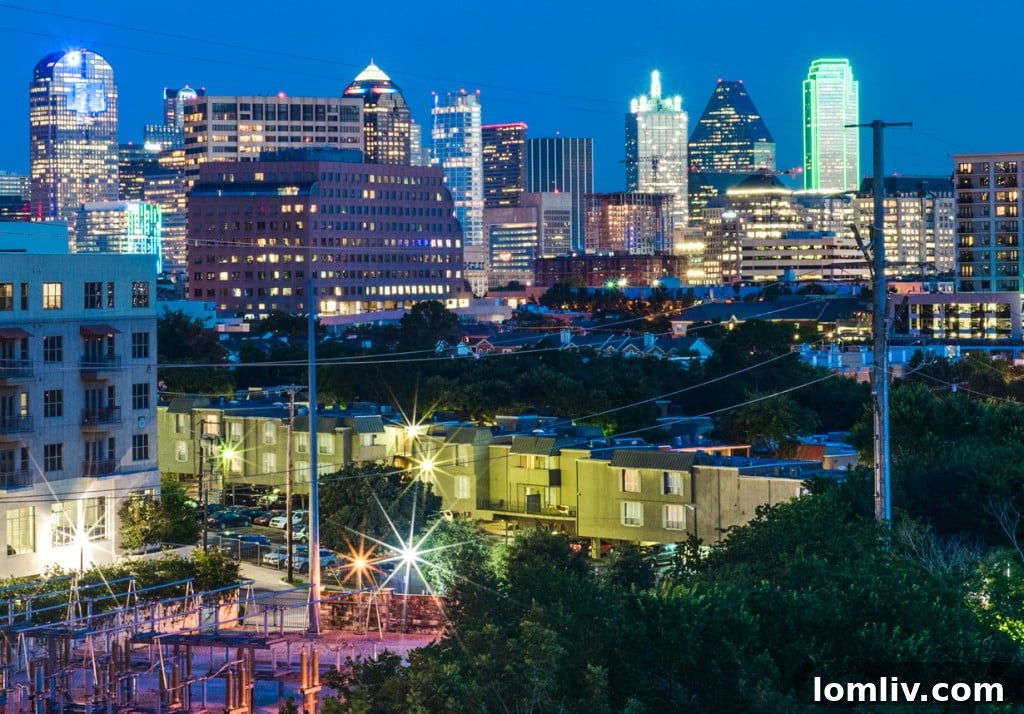
Michael Nazerian of Exxir Capital, a family-run real estate firm, is spearheading an ambitious redevelopment project at the intersection of Hall and Carlisle. Exxir Capital has owned an unassuming 1970s apartment block on this site for approximately seven years, and now, they believe the timing is perfect to transform this property into something truly exceptional. Their vision extends beyond mere construction; it aims to create an architecturally significant space that transcends the typical “beige shoebox” aesthetic often seen in new developments. The goal is to enhance the area’s walkability, seamlessly connecting future residents with the natural beauty of Turtle Creek, the recreational opportunities of the Katy Trail, and the tranquility of Lee Park.
To foster competitive creativity and ensure a truly innovative outcome, Nazerian challenged three distinct offices of their architectural firm to develop separate conceptual designs for the site. Each concept envisages a tower of approximately 20 floors, featuring a dynamic mix of residential units complemented by ground-floor retail and restaurant spaces. This integrated approach is designed to create a vibrant, mixed-use environment that serves both residents and the wider community.
In a commendable move to engage the community early in the planning process, Nazerian hosted a neighborhood gathering on June 5th. Residents were invited to review and provide feedback on the conceptual designs while enjoying champagne and refreshments. This proactive approach allowed for an open dialogue, capturing numerous questions and comments from local residents. Nazerian emphasized that all feedback, both positive and critical, would be meticulously analyzed and used to fine-tune the development plans, ensuring the project aligns with community aspirations.
While the conceptual designs are currently considered “studies” and not yet ready for public print, Nazerian assured daltxrealestate.com that they would be among the first to receive more concrete information as the project progresses. Initial feedback from the community meeting was largely positive, with roughly 75 percent of attendees expressing favor for some type of development on the site. The remaining attendees either disliked the presented concepts or preferred no redevelopment whatsoever, highlighting the diverse opinions within any growing urban area.
Engaging with neighbors is a strategically intelligent move, especially for a project that will likely require a zoning variance. Local residents possess considerable power to either support or derail new developments. Furthermore, this engagement fosters goodwill and identifies potential future residents or patrons for the planned retail and dining establishments.
Discussions with Nazerian touched upon the layered architectural beauty of historic European cities, which have evolved over centuries. He drew parallels to cities like Paris, which underwent a radical urban overhaul, versus London, which, after the Great Fire of 1666, contemplated a similar planned city but ultimately opted to rebuild its existing street network. It was clear that Nazerian deeply understands the value of creating lasting architecture, rather than simply “slapping up buildings” for quick profit, a sentiment often expressed regarding certain developments (e.g., the West Village). This commitment to quality and thoughtful design bodes well for the character and longevity of the neighborhood.
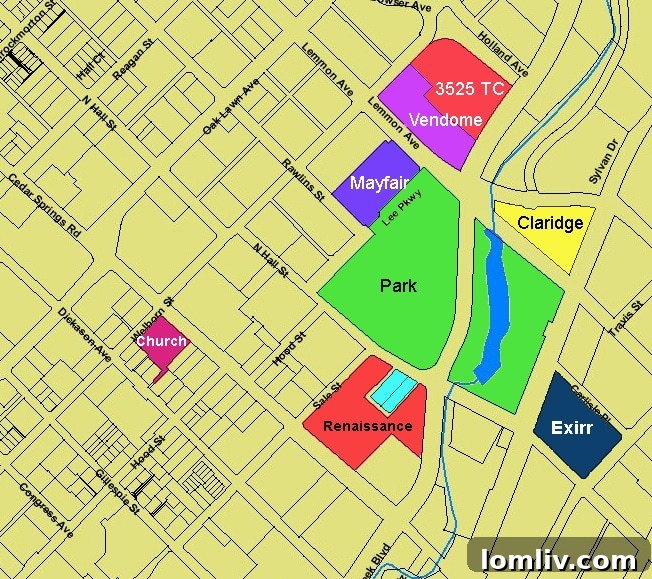
It is important to acknowledge that a 20-story tower will inevitably impact the views from some neighboring high-rises (as depicted in the top map). However, Dallas’s skyline is undergoing rapid transformation. As has been frequently pointed out, high-rise residents typically purchase the window itself, not an eternal guarantee of an unobstructed view. This dynamic is a natural consequence of living in a rapidly densifying urban environment.
Hot Off the Press: New Mid-Rise Rentals on Carlisle and Bowen
In a recent development, news has emerged of another significant transaction in the Turtle Creek area. A deal has been finalized for a new project on Carlisle and Bowen, which will see the existing Turtle Creek Terrace complex make way for a pair of modern mid-rise rental buildings. This exciting redevelopment will introduce two distinct rental options to the market: one proposed 10-story building, designed to offer a more luxurious living experience, and a second six-story building, featuring smaller, more affordable units. This strategic mix caters to a broader demographic, enhancing the area’s residential offerings.
For the latest updates on these and other ongoing developments, be sure to follow Candy’s Dirt, your premier source for Dallas real estate news and insights.
Connect with the Dallas Real Estate Community
Do you have a unique story about a Homeowners Association (HOA) experience? Perhaps a fascinating piece of high-rise history to share? Realtors, are you looking to feature a listing that’s ripe for renovation, or one that stands out with its exceptional design? We’re always eager to hear from you. Consider hosting a Candy’s Dirt Staff Meeting at your next open house or event to showcase your property and network with industry leaders. We welcome all forms of engagement! Reach out to Jon via email at [email protected] to share your stories, insights, and opportunities.